Introduction: The Current State and Importance of This Topic

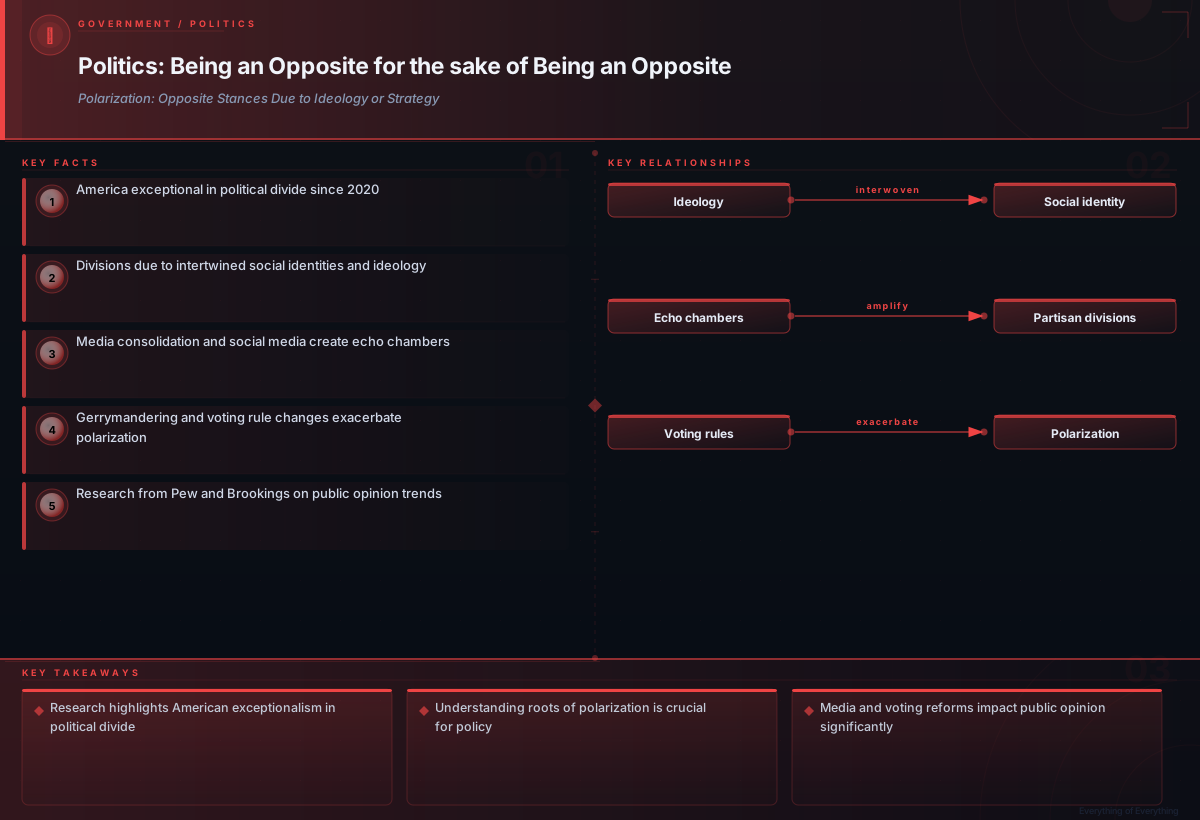
The phenomenon where political parties take opposite stances, often for the sake of opposition rather than practical or ideological reasons, is a complex issue that has garnered significant attention in recent years. This polarization not only affects legislative processes but also deeply influences public opinion and engagement with politics. In 2020, Michael Dimock and Richard Wike observed that America is exceptional in its political divide, noting how "polarization and animosity based on misconceptions of the other side threatens to misdiagnose problems" [1]. This issue has become a focal point for both researchers and policymakers who seek to understand its roots and implications.
Historical Context and Mechanisms
The origins of such polarization can be traced back to the early 20th century, but it gained unprecedented intensity in the post-World War II era. In his book Why We’re Polarized, Ezra Klein argues that divisions between parties have grown over time as people’s social identities became increasingly intertwined with their political ones [3]. More recent studies by Carothers and O’Donohue confirm this trend, highlighting how "a powerful alignment of ideology, race, and religion renders America's divisions unusually encompassing and profound" [4].
Foundational Concepts: How It Actually Works
Core Mechanisms
The core mechanism behind party polarization involves both ideologically driven and strategically motivated behaviors. Ideological polarization refers to the increasing differences in values and beliefs between political parties. Strategically, parties may adopt extreme positions to mobilize their base and outcompete rivals [5]. This often results in a "never-ending game of one-upmanship," where each party tries to outdo the other in terms of ideological purity.
Historical Development
Historically, polarization has been exacerbated by several factors. Media consolidation and the rise of social media have created echo chambers that reinforce existing beliefs and amplify partisan divisions [6]. Additionally, gerrymandering and changes in voting rules have made it easier for parties to maintain control over their base while making it harder for centrist candidates to win.
Key Figures & Contributions

Prominent Researchers and Thinkers
Several key figures have contributed significantly to the understanding of polarization. Michael Dimock from the Pew Research Center has extensively studied the nature of political divides in America [1]. Ezra Klein, through his book Why We’re Polarized, offers a detailed analysis of how ideological divides have shaped American politics [3].
Institutions and Organizations
Institutions such as the Brookings Institution and the Pew Research Center provide critical insights into the mechanisms and consequences of polarization. Their research often focuses on trends in public opinion and party dynamics, offering valuable data for policymakers and researchers.
Current State & Recent Developments
Extreme Examples
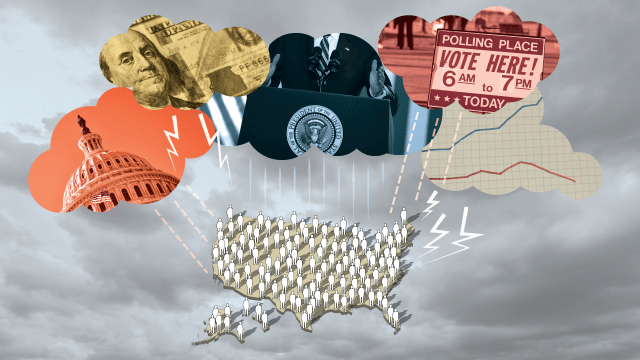
Recent years have seen numerous examples of extreme partisan behavior. For instance, during the Trump administration, the Republican Party took a hardline stance against almost all Democratic initiatives, leading to gridlock and legislative stagnation [7]. Similarly, Democratic opposition under President Biden has often focused on opposing every Republican measure, regardless of practicality or merit.
Voting Reform and Citizen Engagement
The question of whether voting reform could provide new mechanisms for citizen engagement is a crucial one. Voting systems that allow for more interactive participation have been proposed as potential solutions to the issue of disengagement [8]. For example, ranked-choice voting (RCV) has gained traction in several local elections, enabling voters to rank candidates rather than simply choosing one.
Applications and Case Studies
Real-World Examples
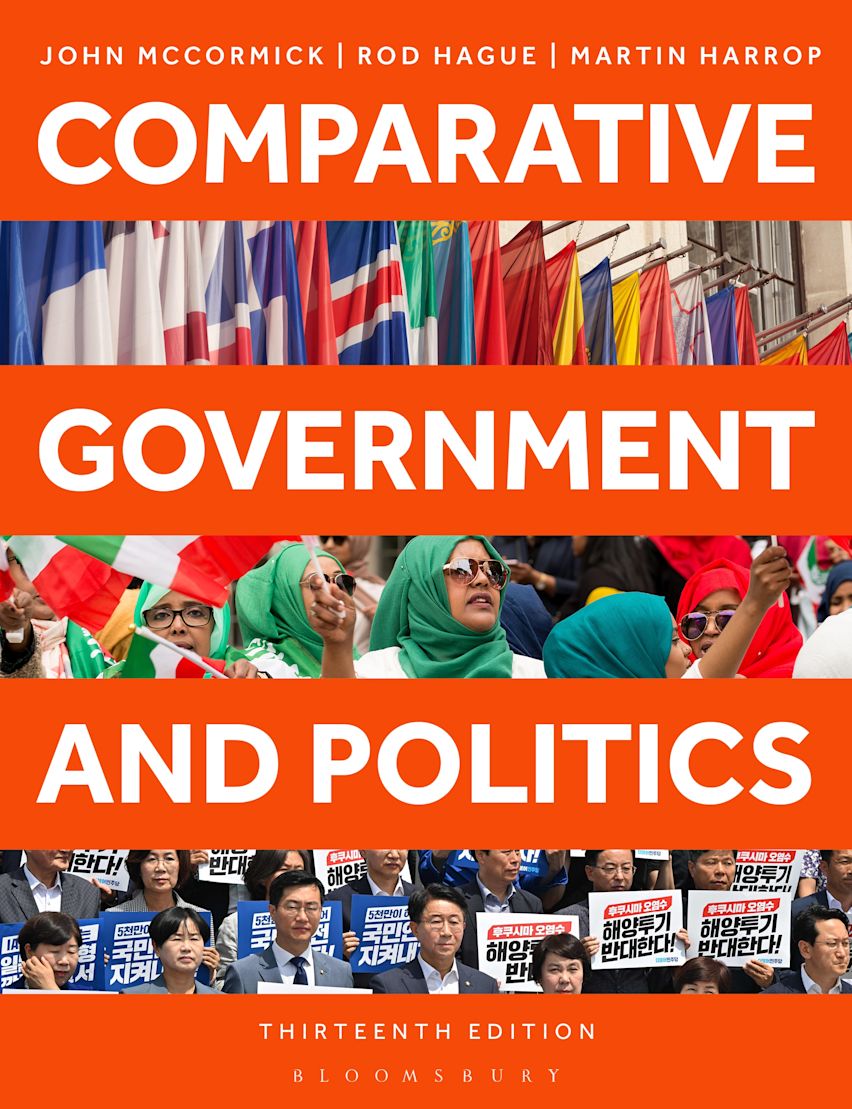
Case studies from both within and outside the United States offer insights into how different systems address polarization. Germany’s political landscape, characterized by a multiparty system and robust legislative processes, provides an interesting contrast to the U.S. model [9]. In the U.S., states like Maine have experimented with RCV, which has shown potential in increasing voter turnout and reducing polarization.
Controversies and Open Questions
Debates on Voting Reform
The debate around voting reform is contentious. Critics argue that any changes could undermine the integrity of the electoral process or exacerbate existing divides [10]. Proponents see it as a way to enhance democratic participation and reduce gridlock. The key challenge lies in designing reforms that are both effective and politically feasible.
Future Trajectory
The future trajectory of political polarization is uncertain. While some argue for more centrist approaches, others advocate for deeper ideological commitments. The success of any reform will depend on how effectively it addresses the root causes of polarization while maintaining democratic principles.
Key Takeaways
- Polarization in America: Polarization has deep historical roots but has gained unprecedented intensity in recent years.
- Mechanisms of Polarization: Ideological and strategic factors drive party opposition, often at the expense of practical solutions.
- Role of Technology: Media consolidation and social media have exacerbated partisan divides by creating echo chambers.
- Voting Reform Potential: New voting systems like RCV could enhance citizen engagement and reduce polarization.
- Future Challenges: Addressing the root causes of polarization requires balanced approaches that maintain democratic integrity.
[1] Michael Dimock and Richard Wike, “America is exceptional in the nature of its political divide,” NY Times, November 13, 2020,
Data Overview