The Clock Is Running Out: US-Iran Ceasefire Teeters on the Edge as Trump Demands Surrender
By The Everything of Everything | Government & Politics | August 17, 2026
A Fragile Truce at Its Breaking Point
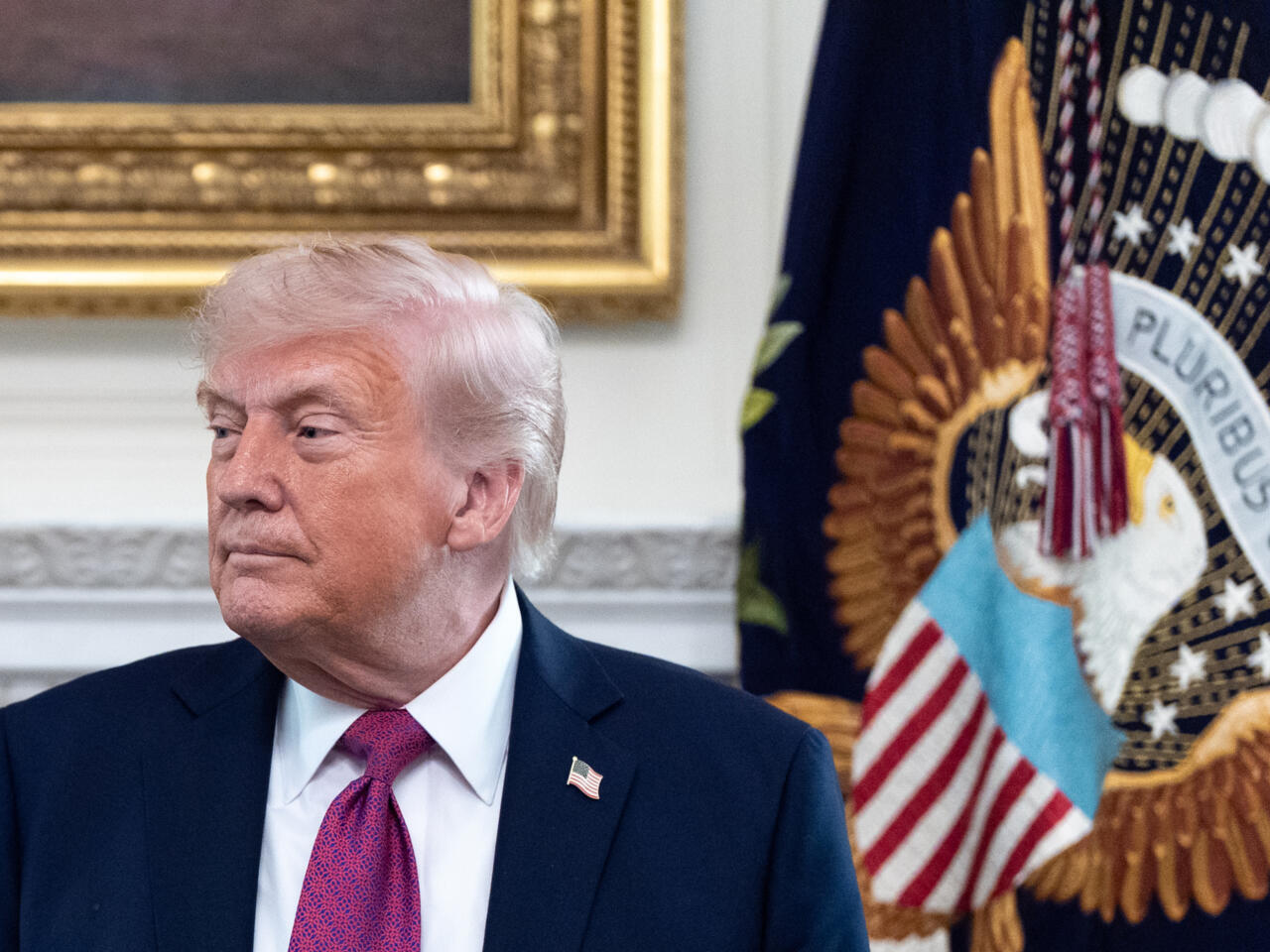
The 60-day ceasefire between the United States and Iran — signed under the Islamabad Memorandum of Understanding on June 17, 2026 — is expiring today, and the path forward is anything but clear. Conflicting signals have defined the final days of the agreement: Pakistani government sources told Middle East Monitor that the two sides had in principle agreed to extend the truce, yet as of this morning, no formal extension has been signed and tensions on the ground remain dangerously high.
The ceasefire itself was born out of a brutal stretch of conflict. Beginning in late February 2026, Israel and the United States launched a coordinated campaign of airstrikes targeting Iran's nuclear and ballistic missile infrastructure, with the stated goal of inducing regime change and permanently dismantling Tehran's weapons-of-mass-destruction capabilities, according to Wikipedia's account of the 2026 Iran war. Iran retaliated by striking U.S. bases across the region, attacking Israel directly, and — most consequentially for the global economy — closing the Strait of Hormuz. The fighting ground to an initial two-week pause on April 8, brokered by Pakistan, before the current 60-day framework took hold in June, as Axios reported at the time.
Now, that window is slamming shut.
Trump, the IRGC Backchannel, and the Demand for Unconditional Surrender
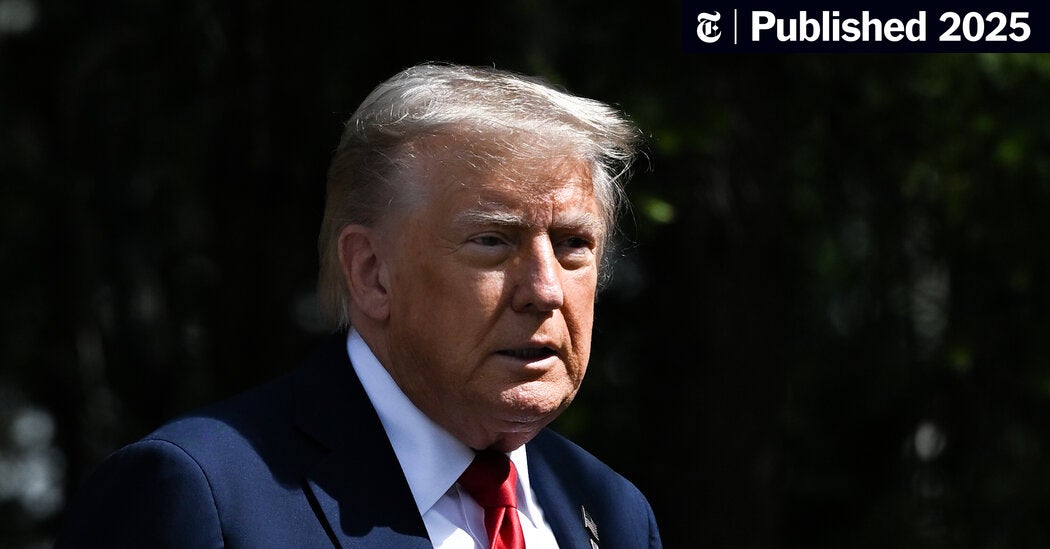
President Donald Trump has been characteristically blunt about what he wants from Iran. As early as March 2026, Trump wrote that "there will be no deal with Iran except UNCONDITIONAL SURRENDER" — a posture he has not softened since. On Sunday, Trump publicly confirmed what Fox News and Axios have both reported: that his administration has established a direct backchannel to the Islamic Revolutionary Guard Corps (IRGC), bypassing Iran's civilian political leadership entirely.
The rationale, according to sources cited by Axios, is that White House negotiators concluded Iranian political officials lack the authority to strike any binding deal — that real power in Tehran resides with the IRGC, and any agreement not sanctioned by the Guard would be meaningless. The backchannel reportedly runs through Director of National Intelligence Tulsi Gabbard and Kurdish intermediaries.
Despite the diplomatic maneuvering, Trump said Sunday he is "in no hurry," and that he has "no time schedule" — a statement that does little to calm markets or allies watching the Strait of Hormuz with extreme anxiety. Iran, for its part, claimed full control over the strait on Sunday, even as U.S. naval assets remain positioned in the region, per Fox News live coverage.
The nuclear question sits at the center of the impasse. Iran has publicly stated its ballistic missile program is non-negotiable, while the U.S. has made denuclearization a precondition for any lasting settlement. Iran has also demanded war reparations and the lifting of all economic sanctions — terms Washington has flatly rejected, as CNBC's morning briefing noted today.
What Comes Next — and Why It Matters
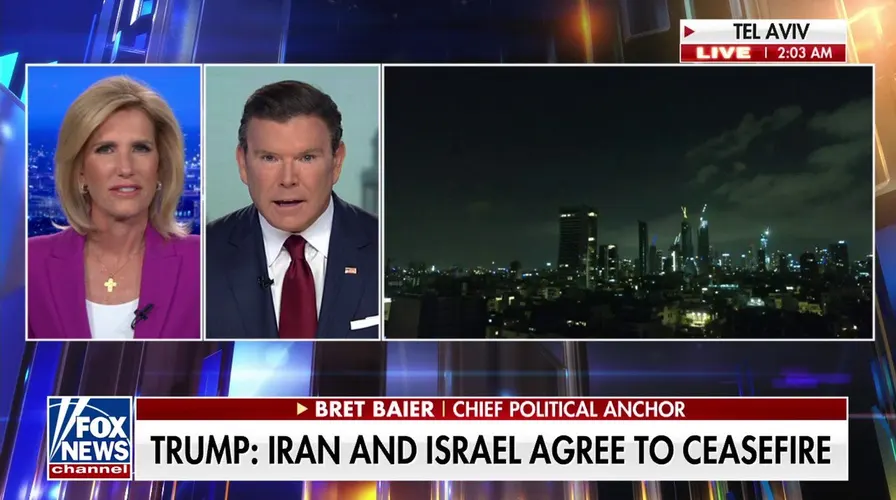
The Strait of Hormuz remains the most immediate flashpoint. Roughly 20% of the world's oil supply transits the strait; its closure during earlier phases of the conflict sent energy markets into turmoil. Iran has signaled it wants to establish a new governance regime for the waterway — including, controversially, the right to levy tolls on commercial shipping. Oman, a traditional broker between Tehran and the West, opposes tolls. The U.S. has called them a non-starter, per the House of Commons Library briefing on the conflict.
The Council on Foreign Relations framed the fundamental tension succinctly: Trump's language of unconditional surrender is incompatible with any face-saving exit for the Iranian government. That gap — between what Trump demands publicly and what any Iranian leadership can accept domestically — is the core reason talks remain stalled, and the core reason today's expiration deadline carries genuine weight.
Trump is also navigating the ceasefire in tandem with meetings involving Israeli Prime Minister Benjamin Netanyahu, whose government has its own demands regarding Iran's regional proxy network and nuclear timeline.
Key Takeaways
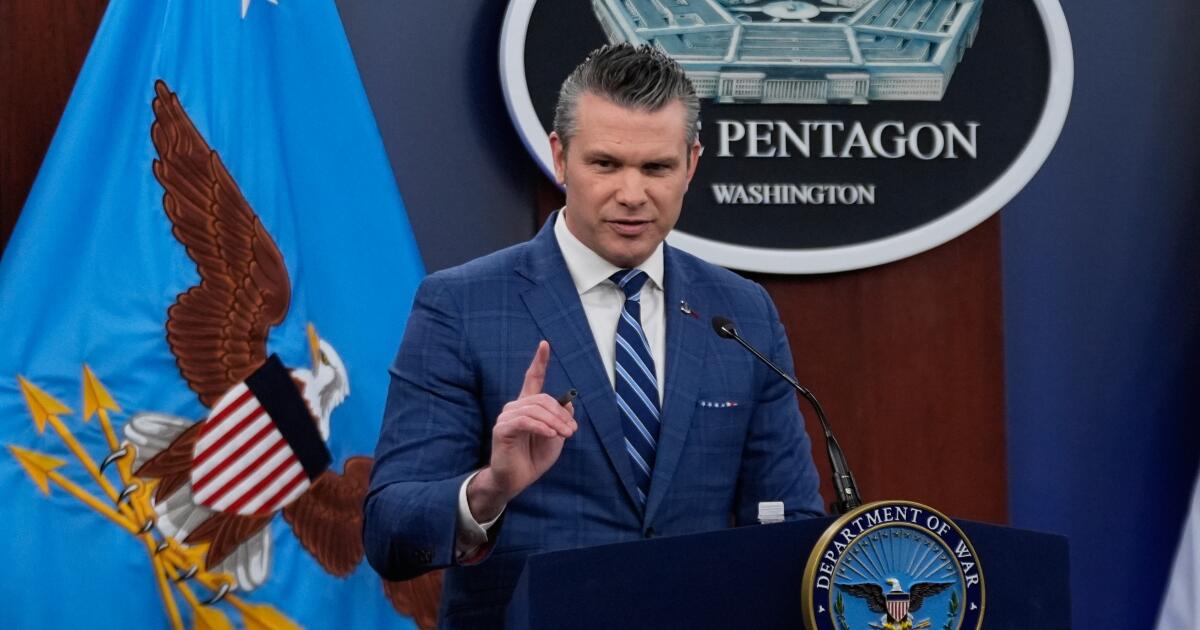
- The 60-day ceasefire expires today (August 17), with no confirmed formal extension — Pakistani officials suggested a deal was close, but nothing has been signed as of this morning.
- Trump confirmed a direct IRGC backchannel, acknowledging that civilian Iranian political leadership is not the real decision-maker, while continuing to demand Iran's "unconditional surrender" on nuclear capabilities.
- The Strait of Hormuz remains a live flashpoint: Iran claims control of the waterway while the U.S. naval blockade persists, keeping global energy markets on edge.
- Core gaps between the two sides — reparations, sanctions, ballistic missiles, and the terms of any nuclear deal — remain unbridged, making a formal peace agreement appear distant even as both sides tentatively explore extending the ceasefire.
Sources:
- Fox News Live Updates: US-Iran War, August 17
- CNBC Daily Open: US-Iran Ceasefire Set to Expire
- Axios: Inside Trump's Secret Backchannel to Iran's Revolutionary Guard
- Fox News: Trump Confirms IRGC Backchannel, Calls for Iran's Surrender
- Middle East Monitor: US, Iran Agree to Extend 60-Day Ceasefire
- Axios: US and Iran Reach Deal to Extend Ceasefire and Open Strait (June 2026)
- Wikipedia: 2026 Iran War Ceasefire
- Council on Foreign Relations: Trump Extended the Iran War Ceasefire. Now What?
- House of Commons Library: US-Iran Ceasefire and Nuclear Talks in 2026