IBM Unveils Advanced 132-Qubit Quantum Processor: Pioneering New Capabilities in Quantum Computing
Introduction

Today, Thursday, August 6, 2026, marks a significant milestone in the world of quantum computing as IBM unveils its latest breakthrough—a powerful new processor equipped with an impressive 132 qubits. This advancement is part of IBM's ongoing efforts to lead the charge towards fault-tolerant quantum computing and achieve practical applications for this cutting-edge technology [source id="6"].
Key Players
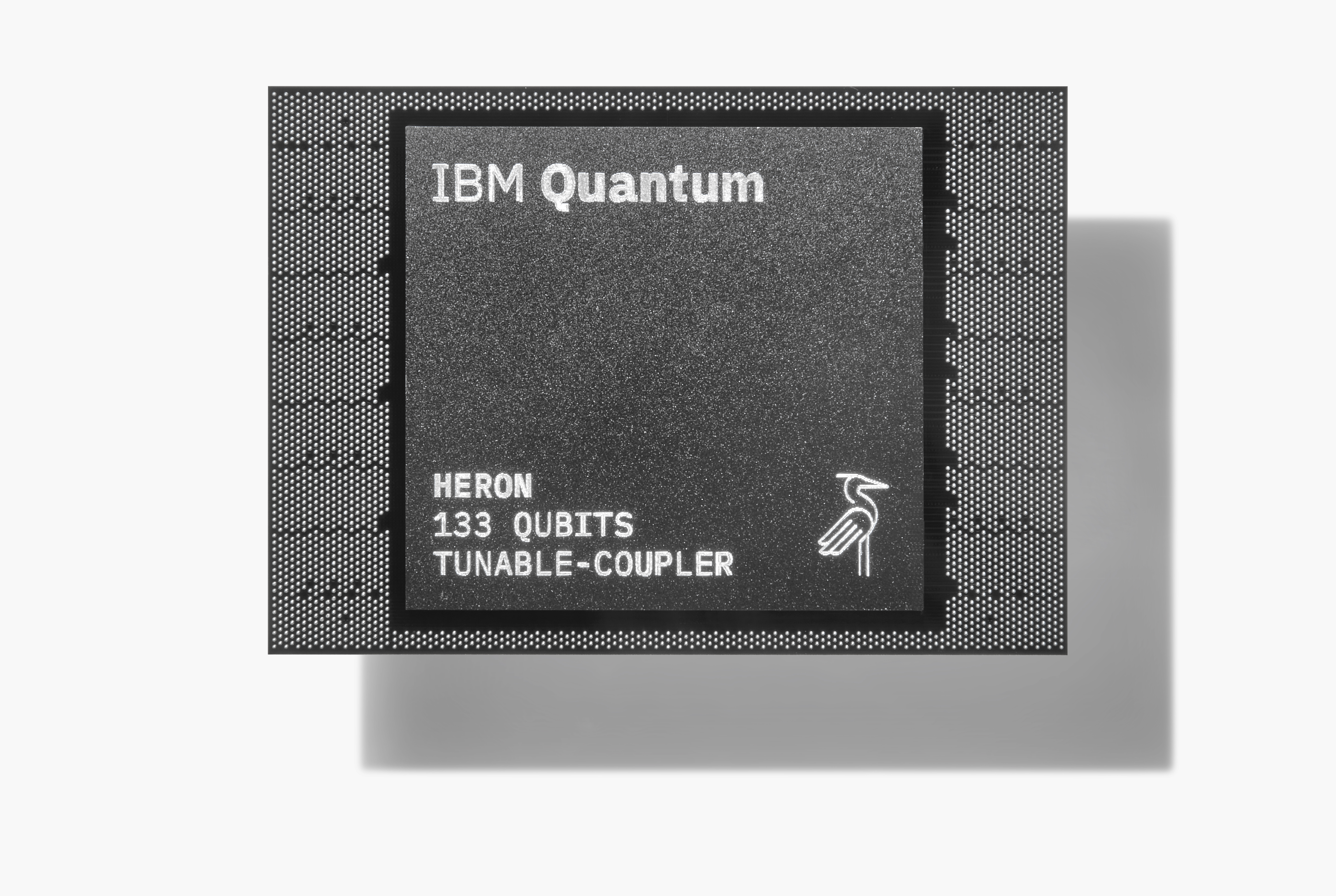
IBM Quantum Research Team
The development of this advanced quantum processor is spearheaded by the dedicated team at IBM Quantum, under the leadership of Jay Gambetta, Director of IBM Research and an IBM Fellow. This team has been instrumental in pushing the boundaries of what is possible with quantum computing hardware and software.
What's Happening Now
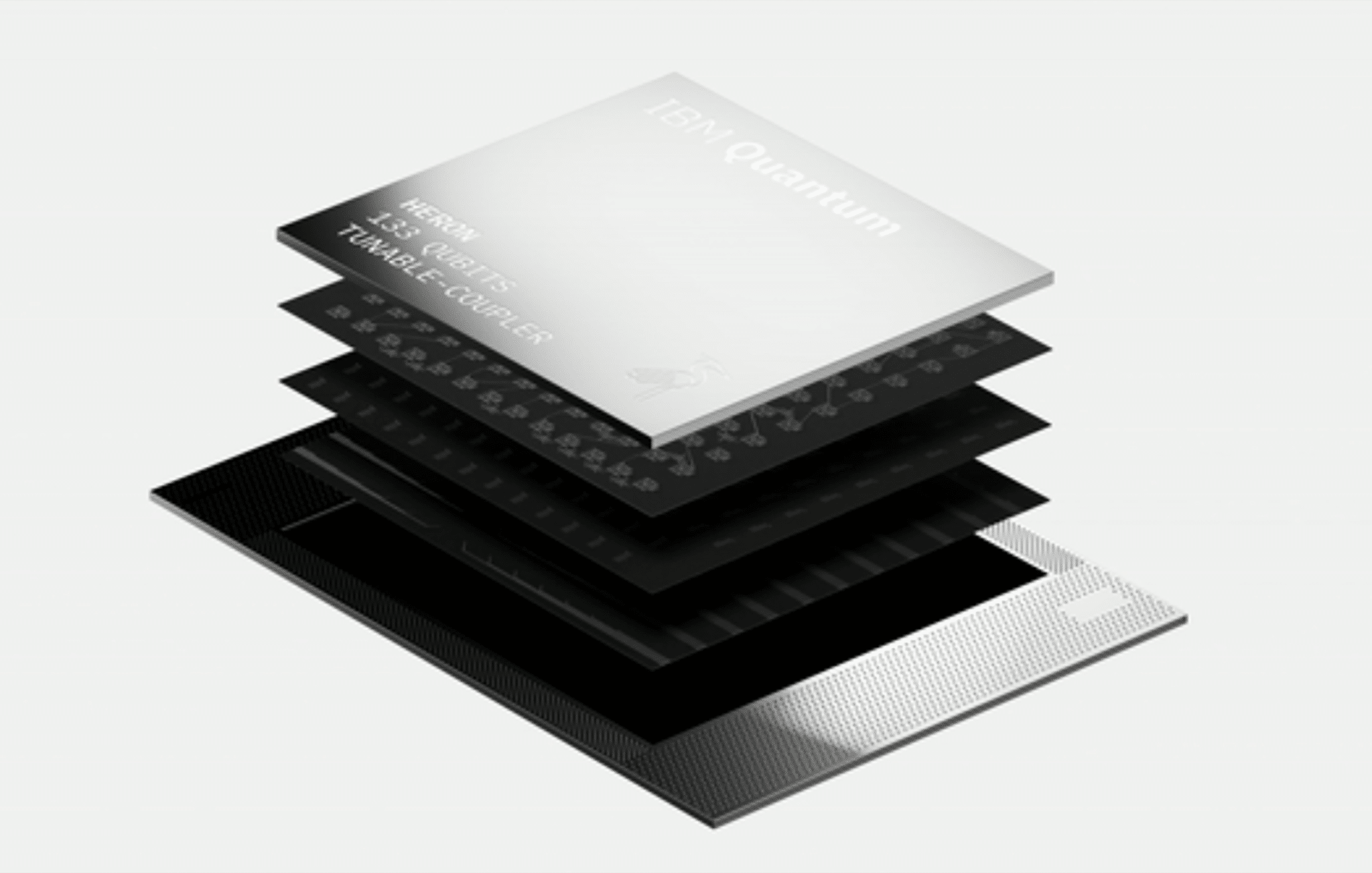
Unveiling of IBM Quantum Nighthawk
At the heart of today’s announcement is the unveiling of a new processor named IBM Quantum Nighthawk, boasting 132 qubits [source id="6"]. This milestone follows IBM's previous announcements at the annual Quantum Developer Conference in November 2025, where the company revealed its strategic roadmap towards delivering quantum advantage by the end of 2026 and fault-tolerant computing systems by 2029.
Enhanced Circuit Complexity
The new processor is not only distinguished by its increased qubit count but also by a significant boost in circuit complexity. IBM claims that Quantum Nighthawk features a 30 percent higher circuit complexity compared to its predecessors, making it better equipped for handling complex quantum algorithms and simulations [source id="6"].
Improved Qiskit Capabilities
In addition to hardware advancements, IBM has also introduced enhancements in the software domain through its Qiskit toolkit. These new capabilities aim to improve accuracy and reduce computational costs, thereby enabling more efficient use of quantum resources.
Data and Evidence
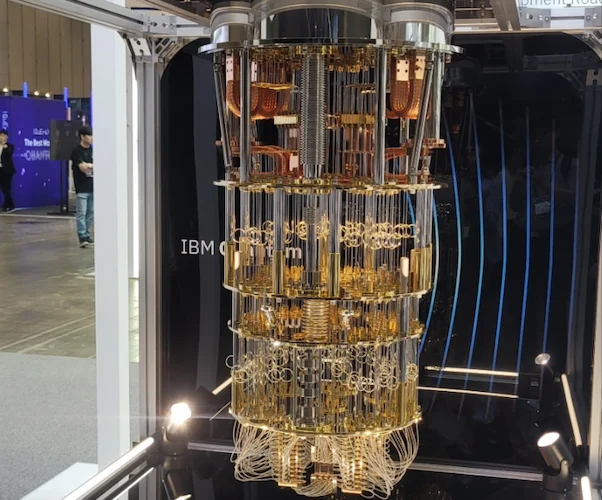
Qubit Count Comparison
IBM's latest processor marks a substantial leap forward from previous models:
- 2025: IBM unveiled an advanced 132-qubit processor at the Quantum Developer Conference in November 2025.
- 2026: The new processor, IBM Quantum Nighthawk, boasts 132 qubits.
Performance Benchmarks
While exact performance benchmarks are not publicly disclosed, IBM's claims suggest significant improvements over previous models. For instance, a 30 percent increase in circuit complexity implies better scalability and more powerful processing capabilities [source id="6"].
Expert Reactions
Dr. Maria Frey (Quantum Computing Researcher at MIT)
"IBM’s latest processor marks another crucial step towards practical quantum computing," says Dr. Maria Frey, a prominent researcher in the field of quantum information processing at MIT. "The 30 percent increase in circuit complexity is particularly noteworthy as it paves the way for more sophisticated applications and simulations."
Prof. David Wineland (Nobel Laureate)
Prof. David Wineland, Nobel laureate in Physics, notes that while hardware advancements are critical, robust error correction techniques will be essential for achieving true fault-tolerant quantum computing [source id="3"]. "IBM’s strides in developing more resilient qubits and better cooling technologies are promising," he adds.
Broader Implications
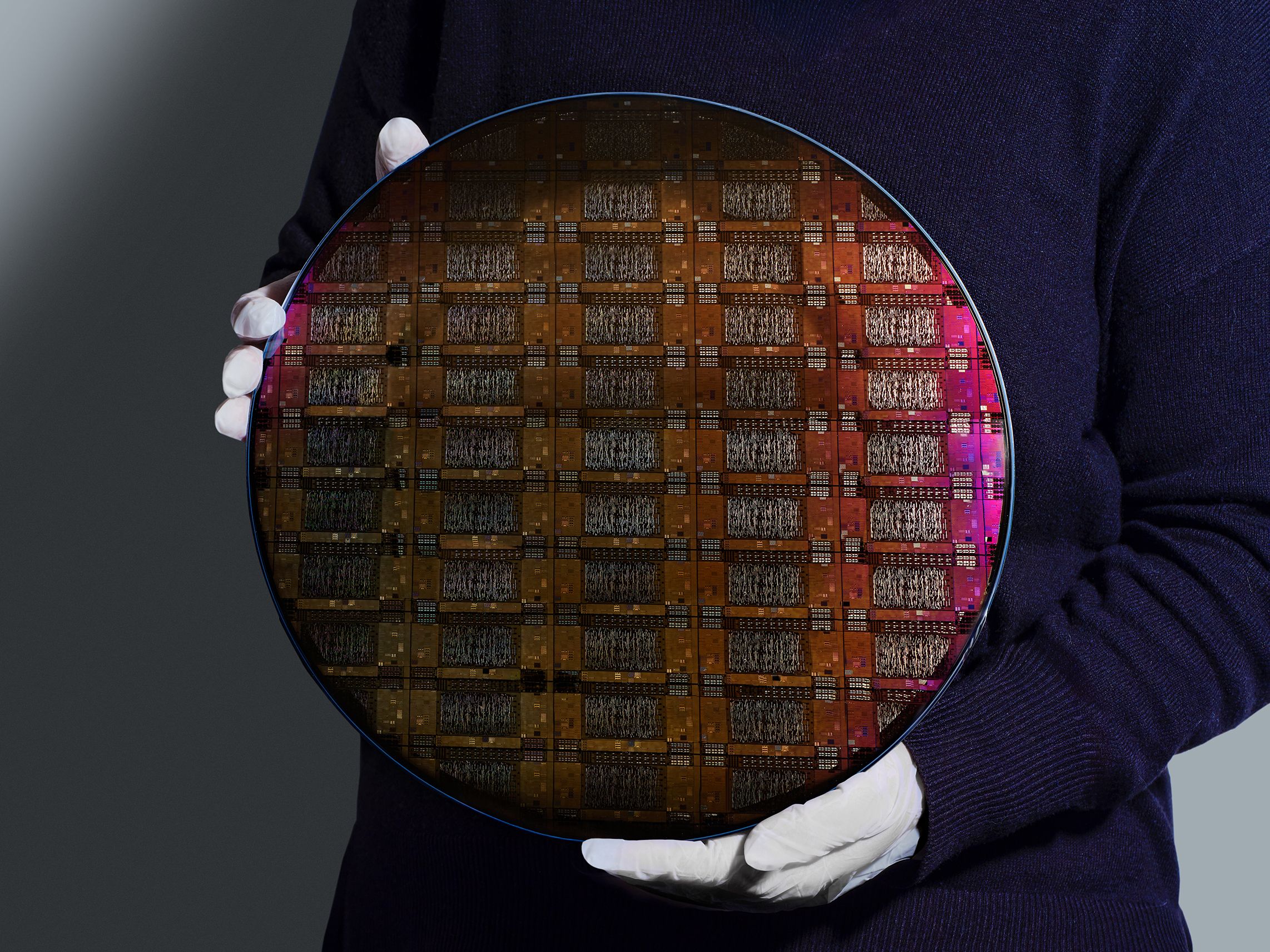
Technological Advancements
The unveiling of IBM Quantum Nighthawk underscores the rapid progress being made in quantum technology. Improved error correction algorithms, enhanced cooling methods, and radiation-resistant materials are critical areas of research that will continue to shape the future of space-based quantum computing [source id="1"].
Applications Beyond Space
While the primary focus is often on space applications due to their extreme conditions, the implications extend far beyond. Industries such as cryptography, drug discovery, financial modeling, and artificial intelligence stand to benefit from advancements in quantum computing [source id="2"].
Market Competition
The announcement by IBM sets a high bar for competitors like Google, Microsoft, and others racing towards similar milestones. This competitive landscape drives innovation and accelerates the timeline for practical applications of quantum technology [source id="6"].
Key Takeaways
- Increased Qubit Count: IBM Quantum Nighthawk features 132 qubits, marking significant progress in hardware capabilities.
- Enhanced Circuit Complexity: A 30 percent increase in circuit complexity enhances processing power and scalability.
- Improved Software Capabilities: New Qiskit enhancements aim to boost accuracy and reduce computational costs.
- Research Focus: Continued focus on error correction techniques, cooling technologies, and radiation resistance is crucial for practical implementation of quantum computing.
- Wide-Ranging Applications: Beyond space applications, advancements in quantum technology will impact industries such as cryptography, drug discovery, finance, and AI.
- Market Competition: IBM's announcement sets a high standard for competitors and drives innovation across the industry.
Conclusion
Today’s unveiling by IBM represents a pivotal moment in the journey towards practical quantum computing. As research continues to advance in areas such as error correction, materials science, and cryogenic engineering, we are poised on the brink of transformative technological breakthroughs [source id="3"]. The implications extend far beyond space applications, with potential benefits for numerous industries and sectors worldwide.
For more detailed information, refer to:
- IBM Quantum Developer Conference 2025:
- IBM Reveals New Quantum Processors, Software and Algorithm Advances: