Good. I have solid sourcing. Here is the article:
UAE Suspends Trade with Iran After Reported Missile Strike; Trump Weighs In
The Persian Gulf is on edge again. On August 19, 2026, the United Arab Emirates announced it was suspending all trade, commercial exchanges, and financial transactions with Iran — effective immediately and with no stated end date — after its air defenses detected two ballistic missiles launched from Iranian territory toward the UAE. The move marks one of the sharpest diplomatic ruptures between the two Gulf neighbors in years, landing in the middle of an already volatile US-Iran confrontation.
The Strike and the Suspension
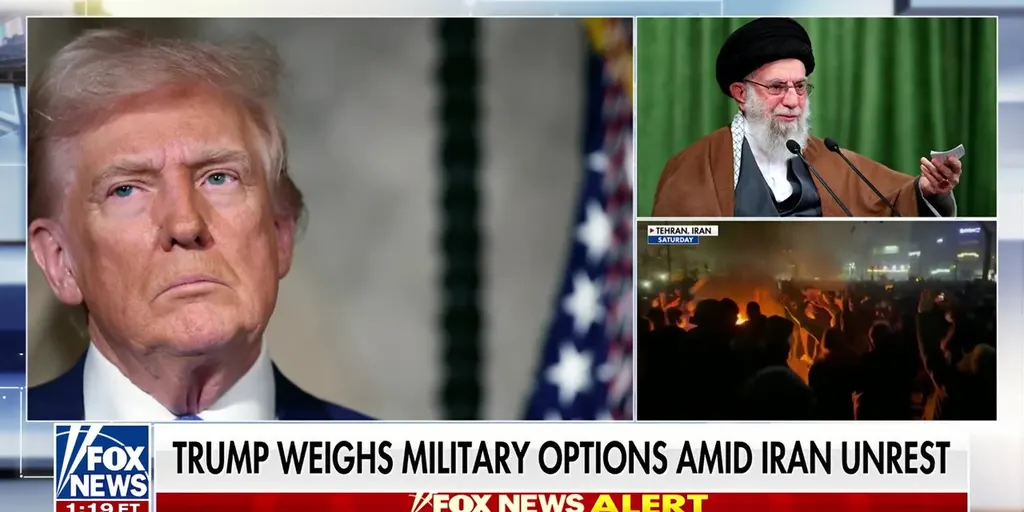
The UAE Ministry of Defence reported that both missiles fell into the sea — one outside the country's territorial waters, one within them — without causing casualties or physical damage. The ministry assessed that the missiles were aimed at "maritime traffic," the first such incident since Iranian strikes on the Fujairah port on May 4 rattled the region. According to Al Jazeera, the UAE framed the launches as an escalation that "undermined regional and international peace and security."
Iran's Foreign Ministry moved quickly to deny responsibility. Spokesperson Esmaeil Baghaei dismissed the UAE's account as "baseless," with Tehran floating the possibility that the incident was a staged provocation — a claim that The Times of Israel reported alongside the UAE's detailed timeline of the intercept. The competing narratives are familiar territory in this conflict, but the UAE's economic response was unusually decisive: a full suspension of bilateral trade is a significant blow to Iran, which has long used the UAE — particularly Dubai — as a critical commercial gateway to circumvent Western sanctions.
According to UPI, the measure covers all trade and financial transactions until further notice, isolating Iran further at a moment when US sanctions are already squeezing the Islamic Republic's economy. The Jerusalem Post reported that the UAE issued an all-clear following the detection, underscoring that while the military threat was contained, the political fallout was not.
Trump, the Talks, and the Strait of Hormuz
The missile incident intersects with a rapidly shifting diplomatic picture involving Washington. President Donald Trump has sent mixed signals in recent days about whether negotiations with Tehran are even happening. On August 18, Trump flatly denied any talks were underway — a reversal from earlier in the week, when his administration had suggested a back-channel existed with Iran's Islamic Revolutionary Guard Corps. CNN reported the contradiction in real time, noting that Trump also declined to extend a 60-day ceasefire that had already effectively collapsed.
Behind the scenes, the Gulf's Arab states have been pushing hard for a diplomatic off-ramp. Saudi Arabia, the UAE, and Qatar reportedly urged Washington to hold off on planned military strikes, with Gulf officials telling US counterparts they believed a deal was within reach. Secretary of State Marco Rubio spoke directly with UAE National Security Adviser Sheikh Tahnoon bin Zayed Al Nahyan on Hormuz security in the hours surrounding the missile report, according to Al Jazeera's live coverage. Tehran, for its part, has publicly denied it is seeking US engagement — even as American officials hint otherwise.
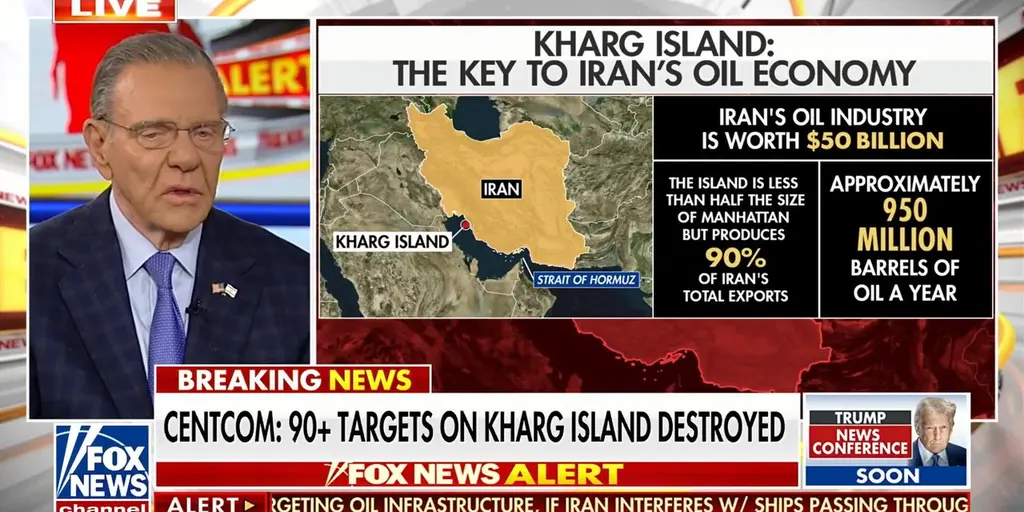
The broader context matters: CNBC reported Trump teasing unspecified action in the Strait of Hormuz as the ceasefire lapsed — a chokepoint through which roughly 20% of global oil supply flows. Any sustained military escalation there would have immediate consequences for global energy markets.
What Iran Stands to Lose
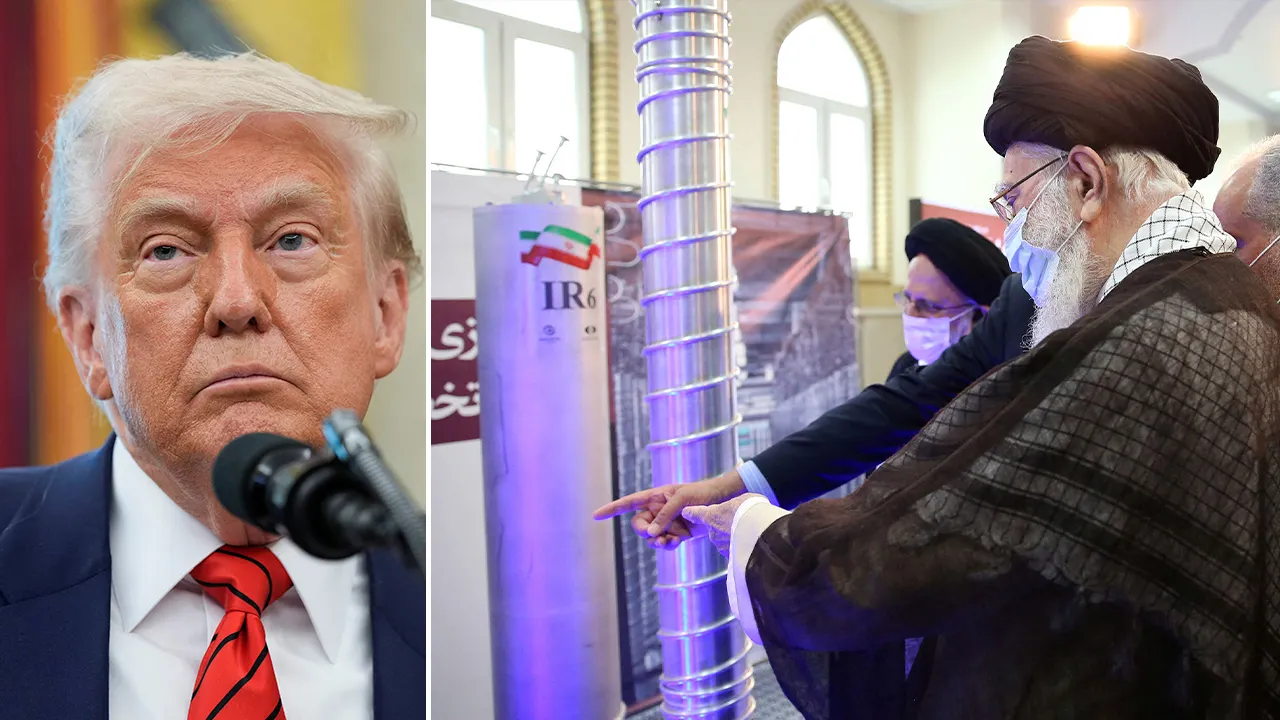
The UAE's trade suspension is not a symbolic gesture. Dubai has functioned as a de facto offshore financial and logistics hub for Iranian businesses navigating the American sanctions regime. India TV News noted that the embargo compounds existing economic pressure on Tehran, cutting off one of its last reliable commercial arteries. With Geo.tv confirming the all-encompassing scope of the freeze, Iran's already-constrained access to international commerce tightens further.
Key Takeaways
- The UAE detected two Iranian ballistic missiles on August 19 targeting maritime traffic; both fell in the sea, but Abu Dhabi responded by suspending all trade and financial ties with Tehran indefinitely.
- Iran denies the attack, calling the UAE's account baseless and suggesting a false flag — a denial that has done nothing to reverse the UAE's economic response.
- Trump's diplomatic posture is contradictory and unstable: within 24 hours, his administration went from hinting at back-channel Iran talks to denying any negotiations exist, while the ceasefire framework has fully expired.
- The Gulf Arab states are caught between Washington and Tehran, privately lobbying for a deal while publicly absorbing Iranian missile fire — a position that grows harder to sustain with each escalation.
Sources:
- UAE suspends Iran trade after ballistic missiles detected — RTE
- UAE imposes indefinite trade embargo on Iran — Al Jazeera
- UAE suspends trade relations with Iran following latest attack — UPI
- UAE says Iran fired two missiles at it, both fell in the sea — Times of Israel
- UAE gives all-clear after air defenses detect Iranian missiles — Jerusalem Post
- Trump says no talks underway with Iran — CNN
- Iran war live: Rubio discusses Hormuz security with UAE official — Al Jazeera
- Trump says no talks scheduled with Iran as he teases action in Hormuz Strait — CNBC
- Regional ripples growing: UAE suspends all trade, finance deals with Iran — India TV News
- UAE suspends all trade, financial transactions with Iran — Geo.tv