Trump Signs Stopgap Funding Bill into Law, Temporarily Avoiding Shutdown
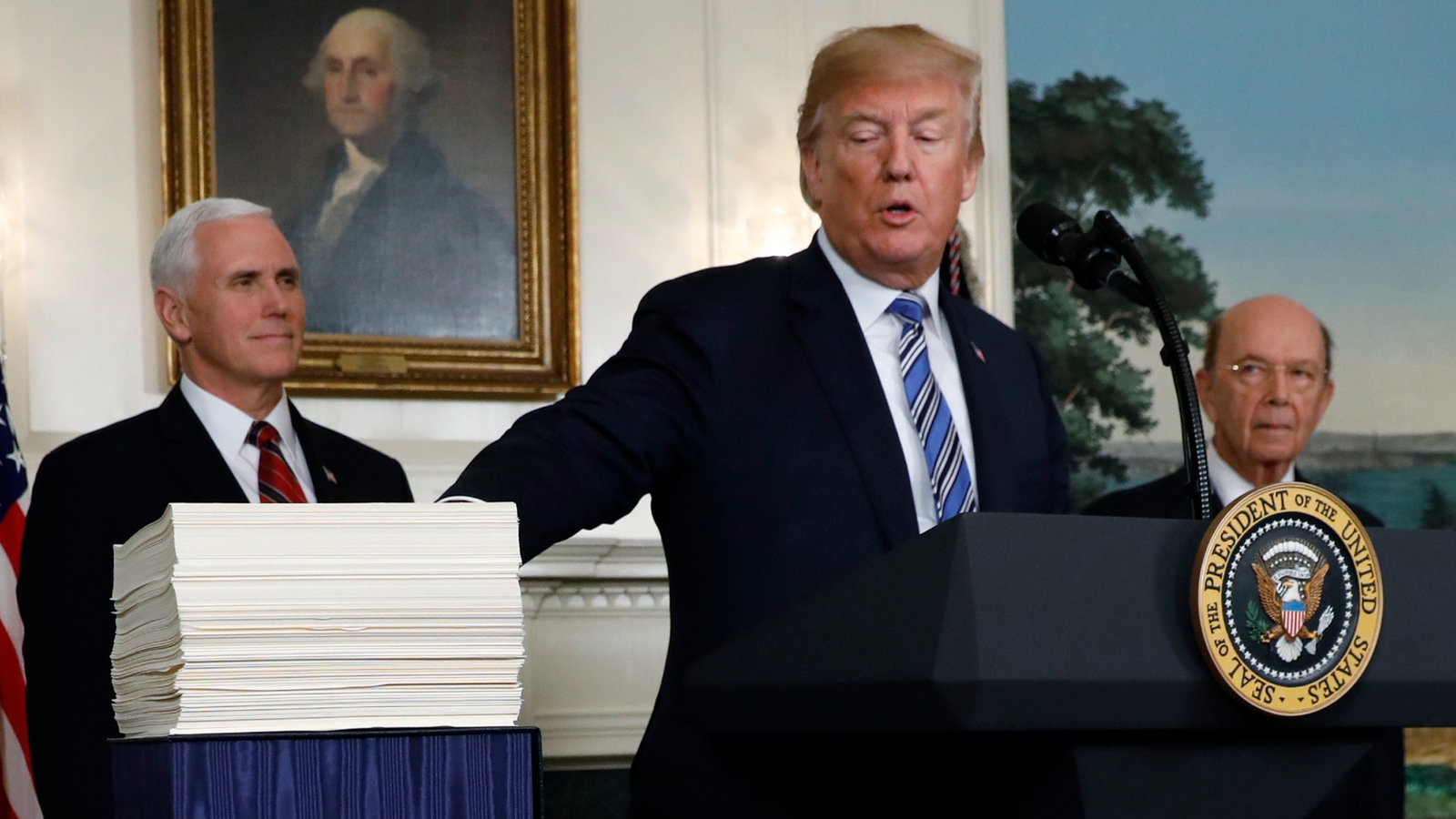
President Donald Trump signed the "Continuing Appropriations and Extensions Act, 2027" into law on Wednesday, September 3, 2026, averting a government shutdown that had threatened to destabilize federal operations ahead of November's midterm elections. The move buys lawmakers roughly ten more weeks — until December 11 — to resolve the festering appropriations battles that have defined this Congress.
A Rare Show of Bipartisan Speed
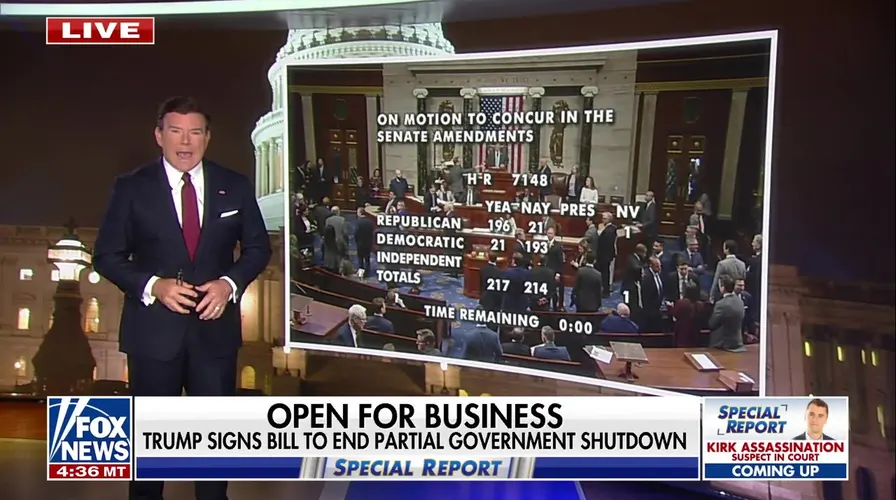
In a chamber more accustomed to deadline-eve scrambles, Congress moved with unusual urgency. The Senate passed the measure in August with a lopsided 90-6 vote, and the House followed suit on September 1, clearing it 370-48 — one of the most decisive bipartisan spending votes in recent memory, and the earliest completion of a continuing resolution in years, according to Roll Call.
The impetus was straightforward: the existing government funding authorization was set to expire September 30, and neither chamber had completed its full slate of fiscal year 2027 appropriations bills. Rather than risk a shutdown weeks before voters head to the polls, congressional leaders from both parties coalesced around the stopgap.
The lopsided margins, however, masked real friction. A bloc of House hard-liners voted against the measure — and disrupted procedural votes on unrelated legislation — over objections to Senate-added provisions, including a short-term delay on a ban covering certain intoxicating hemp products, per The Hill. Their protests were ultimately overridden by the broad bipartisan coalition.
What the Bill Actually Does — and Doesn't Do
The continuing resolution essentially freezes federal agency funding at fiscal year 2026 levels through December 11. It is a holding pattern, not a solution.
Several provisions embedded in the bill reflect the underlying political tensions that produced this standoff in the first place. The CR includes language temporarily blocking an Office of Management and Budget rule that would hand political appointees greater authority over the distribution of federal grants — a provision Democrats demanded, and one that drew pushback from administration allies, as reported by NPR. The bill also prevents the administration from transferring funds from other programs to Border Patrol, a restriction that had been a sticking point in earlier negotiations.
For defense, the Pentagon remains funded at FY2026 levels, and no new military programs can begin — a constraint that frustrates defense hawks who argue the freeze leaves readiness gaps in an already volatile global environment, according to Breaking Defense.
The stopgap does nothing to address the broader appropriations impasse. Lawmakers now have until December 11 to negotiate full-year spending bills — but the intervening weeks will be dominated by midterm campaigning, not legislating.
Why the December 11 Cliff Matters
The political calendar is what makes this particular deadline so consequential. By punting the spending fight to post-election December, Congress has guaranteed that the outcome of the midterms will directly shape the fiscal endgame, as NOTUS explains. If Democrats make significant gains, they will arrive at the negotiating table in a stronger position to resist administration spending priorities and riders. If Republicans consolidate their margins, the White House will push harder for cuts the current CR has forestalled.
Meanwhile, advocates for low-income housing and social programs have already flagged concern. The National Low Income Housing Coalition noted that stopgap funding locks in levels that shortchange critical HUD programs — a warning that the human cost of Congress's chronic budget dysfunction accumulates quietly with every extension.
For federal workers and contractors, today's signing ends immediate uncertainty. But with appropriators facing an even more compressed post-election window to resolve everything from defense spending to social safety net funding, December 11 is shaping up to be one of the most fraught fiscal deadlines in years.
Key Takeaways
- Shutdown averted — for now: Trump signed the CR on September 3, extending government funding through December 11 and avoiding an October shutdown that would have hit weeks before midterm elections.
- Bipartisan but contested: The bill passed 370-48 in the House and 90-6 in the Senate, but Republican hard-liners revolted over provisions including a delayed hemp ban and restrictions on grant authority for political appointees.
- Midterms reset the math: By delaying the spending fight to December, Congress has effectively made the election outcome a variable in the final budget negotiation — giving both parties incentive to frame the fight as a campaign issue rather than resolve it now.
- The underlying crisis remains: Stopgap funding locks agencies into prior-year spending levels, with no new programs authorized — a functional freeze that advocates warn is quietly defunding programs serving vulnerable Americans.
Sources:
- Trump signs stopgap funding bill into law, temporarily avoiding shutdown — The Hill
- Funding extension clears House, avoiding shutdown threat — Roll Call
- Congress averts a government shutdown ahead of midterms — NPR
- House passes funding stopgap, averting government shutdown in October — Breaking Defense
- Congress Punts Government Funding Fight Until After the Midterms — NOTUS
- Congress Passes and President Trump Signs into Law Year-Long Stopgap Funding Bill Underfunding Vital HUD Programs — NLIHC
- House passes short-term funding bill to avoid government shutdown before midterms — The Hill