Trump Claims U.S.-Canada Deal Delays 50% Tariffs on Canadian Imports
With less than two hours to spare before sweeping new tariffs were set to take effect, President Donald Trump announced on Tuesday that the United States and Canada had reached a last-minute agreement — pausing, at least temporarily, a punishing 50% tariff on Canadian goods and averting what economists warned could be a significant shock to North American trade.
The Eleventh-Hour Announcement
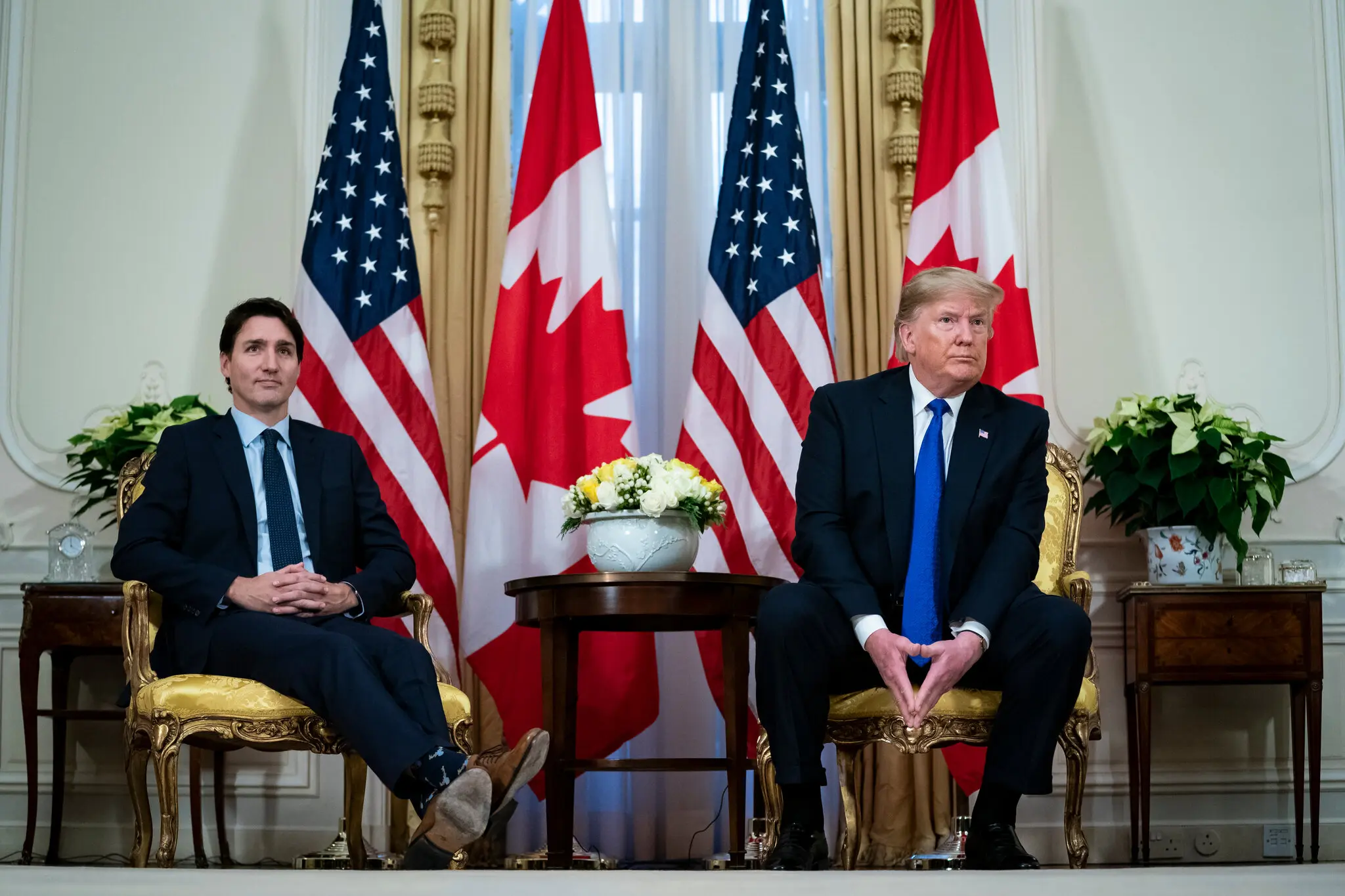
Trump posted to Truth Social on the evening of August 18 that the tariffs, scheduled to hit at midnight, were being held in abeyance pending "finalization of documents." The White House followed with a formal proclamation outlining a three-day suspension of the duties — tariffs that had been levied under Section 338 of the Tariff Act of 1930 and targeted roughly $20 billion worth of Canadian imports, specifically in the sectors of alcohol, dairy, and motor vehicles.
According to the White House document, Canada had "expressed a commitment" to dismantle what the Trump administration characterizes as discriminatory trade practices against American exporters in those three industries. Trump, in his characteristic fashion, also floated the prospect of reviving the Keystone XL pipeline as part of the broader conversation, suggesting it could be "awoken from the grave."
Canadian Prime Minister Mark Carney offered a more measured response. In a statement, Carney confirmed that "substantial progress" had been made and that Canada had agreed to the three-day pause to allow negotiations to continue — but notably stopped short of confirming the specific commitments outlined in the White House proclamation. "Important work," Carney said, still remains.
That discrepancy is significant. The two governments appear to be describing the same deal from very different vantage points, a pattern that has defined much of the bilateral trade relationship throughout Trump's second term.
What's at Stake
The 50% tariffs — among the steepest ever threatened against a close U.S. ally — were originally announced last month alongside the Trump administration's decision not to renew the United States-Mexico-Canada Agreement (USMCA), triggering a series of consequential annual reviews of North American trade rules. As reported by CNBC, the tariffs had been described as a response to Canada's "continued discrimination" against U.S. goods in targeted sectors.
The U.S. Chamber of Commerce had sounded the alarm loudly in the lead-up to the deadline, warning that the tariffs would drive up costs for American families, disrupt integrated supply chains that cross the border thousands of times a day, and threaten the approximately 13 million American jobs tied to USMCA-linked trade.
For Canada, the stakes are equally stark. Canada is the United States' second-largest trading partner, and the targeted sectors — dairy, alcohol, and automotive — sit at the heart of major Canadian provincial economies. Ontario's auto manufacturing belt and Quebec's dairy industry in particular would face severe exposure if the tariffs were ultimately implemented in full.
The Carney Factor
The episode is also a significant test for Canadian Prime Minister Mark Carney, who has sought to project a posture of firm but pragmatic engagement with the Trump White House — neither capitulating wholesale nor provoking unnecessary escalation. As NPR reported, Carney's acknowledgment of "substantial progress" while cautioning that important work remains reflects that careful balance.
What happens over the next 72 hours will tell the real story. The three-day suspension is not a deal — it is a deadline dressed in different clothes. If negotiations falter or the two governments cannot reconcile their divergent characterizations of what Canada has actually committed to, the full weight of the 50% tariffs could snap back into effect as early as this weekend.
The broader USMCA question also looms. With the Trump administration already having declined to renew the trade agreement, North American trade policy is operating in an increasingly uncertain legal and diplomatic environment — one where a three-day extension counts as a win.
Key Takeaways
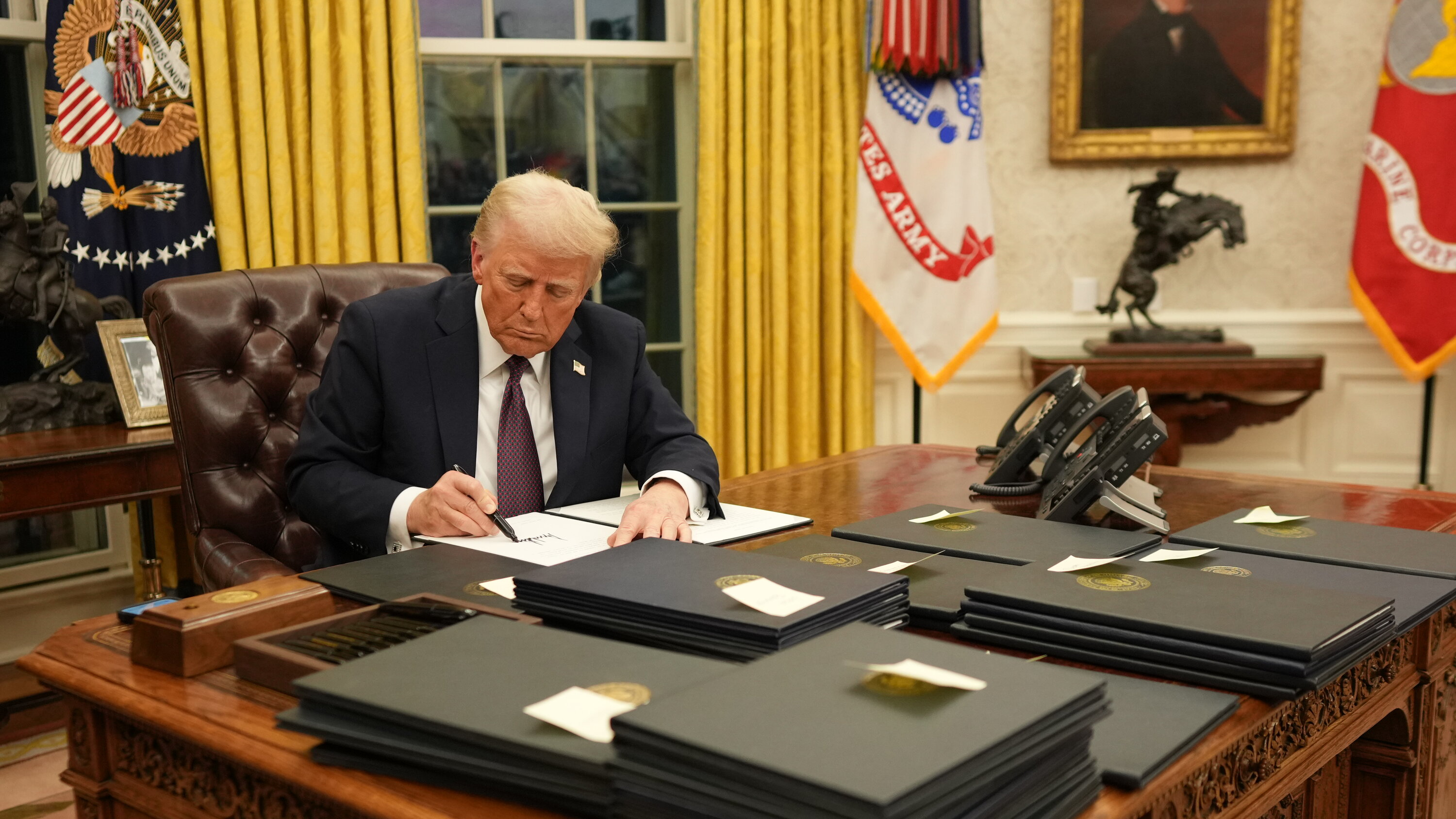
- Trump announced a three-day pause on 50% U.S. tariffs targeting roughly $20 billion in Canadian alcohol, dairy, and motor vehicle imports, claiming a "deal" had been reached less than two hours before the midnight deadline.
- Canada's commitments remain murky: The White House says Canada agreed to remove discriminatory trade barriers, but Prime Minister Mark Carney has only confirmed "substantial progress" while noting that "important work" still remains — suggesting the two sides may not be fully aligned.
- The stakes are enormous: The U.S. Chamber of Commerce warned the tariffs would harm 13 million American jobs tied to USMCA trade, while Canadian industries in auto manufacturing and dairy face acute exposure if the tariffs ultimately take hold.
- The USMCA's future is in doubt: With the Trump administration declining to renew the landmark trade agreement, this week's standoff may be an early preview of a more fractured and unpredictable era in U.S.-Canada economic relations.
Sources:
- Trump says U.S. and Canada reached deal to delay 50% tariffs — NPR
- Trump pauses 50% scheduled tariffs on Canada for three days — CNBC
- Trump pauses 50% tariffs on Canada, cites pending deal — CP24
- Temporary Suspension of Additional Duties — White House
- Trump announces 50% tariffs focused on Canadian autos, dairy, and alcohol — Yahoo Finance
- U.S. Imposes 50% Section 338 Tariffs on Canadian Imports — GHY International