Tracy Rosenthal: Mamdani's Rent Advisor
In the summer of 2026, as New York City Mayor Zohran Mamdani celebrated a landmark rent freeze covering one million apartments and unveiled a sweeping $28 billion housing plan, a singular figure hovered at the ideological edge of his policy circle: Tracy Rosenthal, writer, organizer, co-author of Abolish Rent, and one of the most polarizing voices in contemporary American tenant activism. Rosenthal's personal biography — the daughter of a four-time Grammy-winning music industry figure, raised in a Manhattan apartment now valued at $1.7 million, currently the subject of an eviction proceeding after roughly four years of unpaid rent at a Brooklyn apartment — has made her both an emblem of the tenant movement's intellectual ambitions and a lightning rod for its critics. The story of Tracy Rosenthal is, in many respects, the story of a city wrestling with its own contradictions over housing, class, and what it means to practice the politics you preach.
Who Is Tracy Rosenthal?
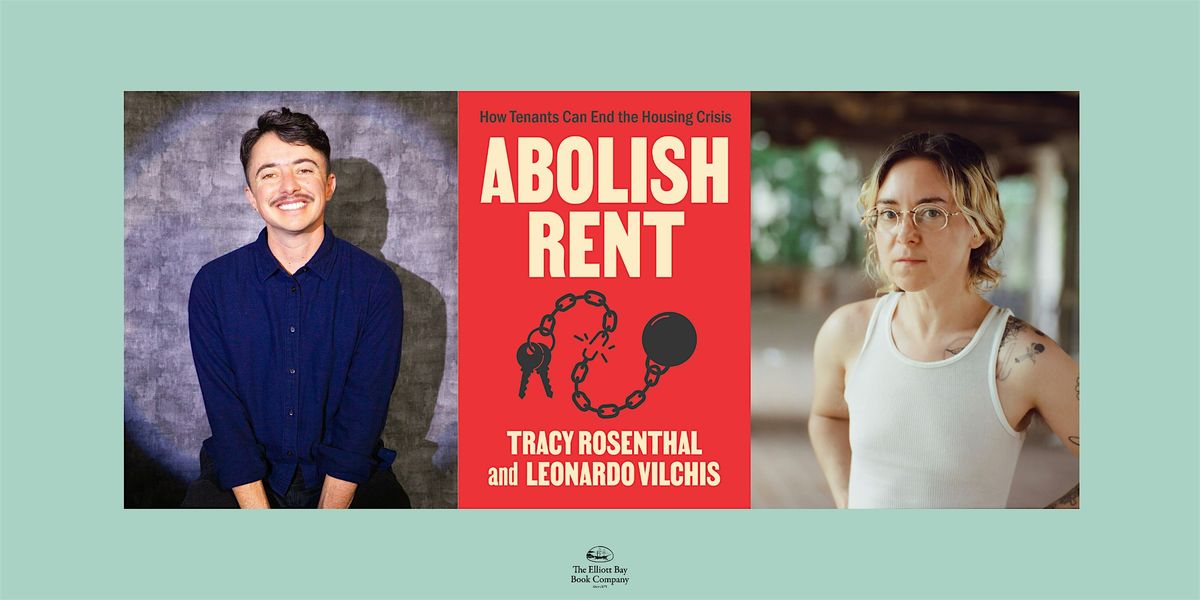
Tracy Rosenthal is a writer, journalist, and organizer who first built her national profile on the opposite coast. Together with Leonardo Vilchis, she co-founded the Los Angeles Tenants Union (LATU), which has grown into the largest tenants' union in the United States. The LATU became known for aggressive direct-action organizing: helping tenants resist evictions, facilitating rent strikes in buildings with negligent landlords, and building the kind of neighborhood-level power that traditional housing advocacy organizations rarely pursued.
In 2024, Rosenthal and Vilchis published Abolish Rent: How Tenants Can End the Housing Crisis through Haymarket Books. The book became an LA Times bestseller, was longlisted for the Brooklyn Library Book Prize, and circulated widely through DSA (Democratic Socialists of America) reading groups, university housing seminars, and tenant organizing trainings across the country. Its argument is unambiguous and deliberately radical: the rent system is not a natural feature of markets, but a political construct that extracts wealth from working people on behalf of property owners; it can, and should, be dismantled through collective tenant power, rent strikes, and ultimately the structural transformation of how housing is owned and controlled.
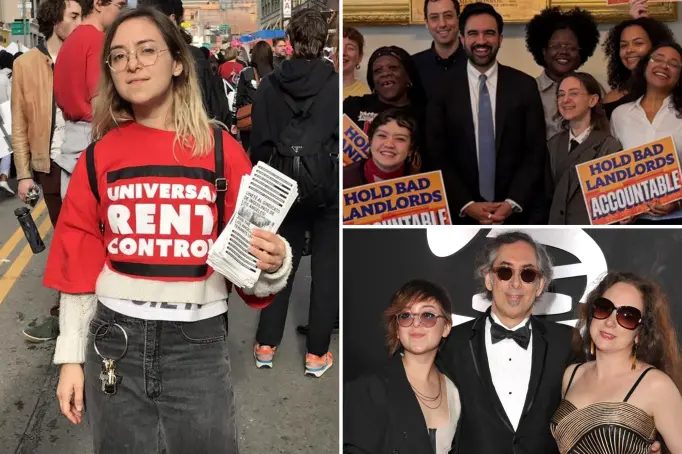
Rosenthal has written for Jacobin, appeared on the organizing and housing conference circuit, and helped politically educate DSA tenant organizers. By 2026, she had become a fixture alongside housing policy figures like Cea Weaver, the director of Mayor Mamdani's Office to Protect Tenants, at events such as the Urban Homesteading Assistance Board–Parsons Social Housing Conference and the Tenant Power and Policy Conference.
Her role in the Mamdani orbit is not an official title — she holds no appointed government position. Rather, she is what the political world sometimes calls an influential advisor: a theorist and organizer whose frameworks shape the ideological texture of a movement that now, for the first time, holds the keys to New York City Hall.
The Mamdani Administration and the Tenant Turn in NYC Politics
To understand Rosenthal's significance, it is necessary to understand the political context into which she stepped. Zohran Kwame Mamdani, a democratic socialist and former New York State Assembly member, won the 2025 New York City mayoral race on a platform that placed tenant rights at its absolute center. His campaign slogan — "Freeze the Rent" — was not a metaphor; it was a literal policy commitment to suspend rent increases on New York City's rent-stabilized housing stock, covering approximately 40 percent of all apartments in the five boroughs.
Mamdani succeeded on that promise. In 2026, his administration secured the first-ever rent freeze applied to one- and two-year leases, with the regulation taking effect October 1, 2026. The Rent Guidelines Board, for the first time in its history, voted to freeze rents entirely — a result made possible by the organized pressure of the Tenant Bloc, a coalition that had spent years building electoral infrastructure in rent-stabilized buildings, collecting over 20,000 signatures from tenants demanding that the next mayor act.
The administration's centerpiece housing document, Block by Block: The Housing Plan for a New Era, was released in May 2026. Spanning 112 pages, it commits to building 200,000 affordable housing units and preserving an additional 200,000 over the next decade, backed by $22 billion in new construction investment, $5.6 billion for the New York City Housing Authority, and a new $40-per-hour minimum wage for construction workers on city-financed projects. The plan also includes $2.2 billion to transition homes from landlord ownership to tenant and community control, a provision that reads almost like a page borrowed directly from Abolish Rent's policy prescriptions.
It is in this context — a city where tenant power has, for the first time in generations, become governing power — that Tracy Rosenthal's role becomes politically legible. Her writing and organizing have provided the ideological grammar for what the Mamdani administration is attempting to execute in policy form.
Abolish Rent: The Text Behind the Agenda
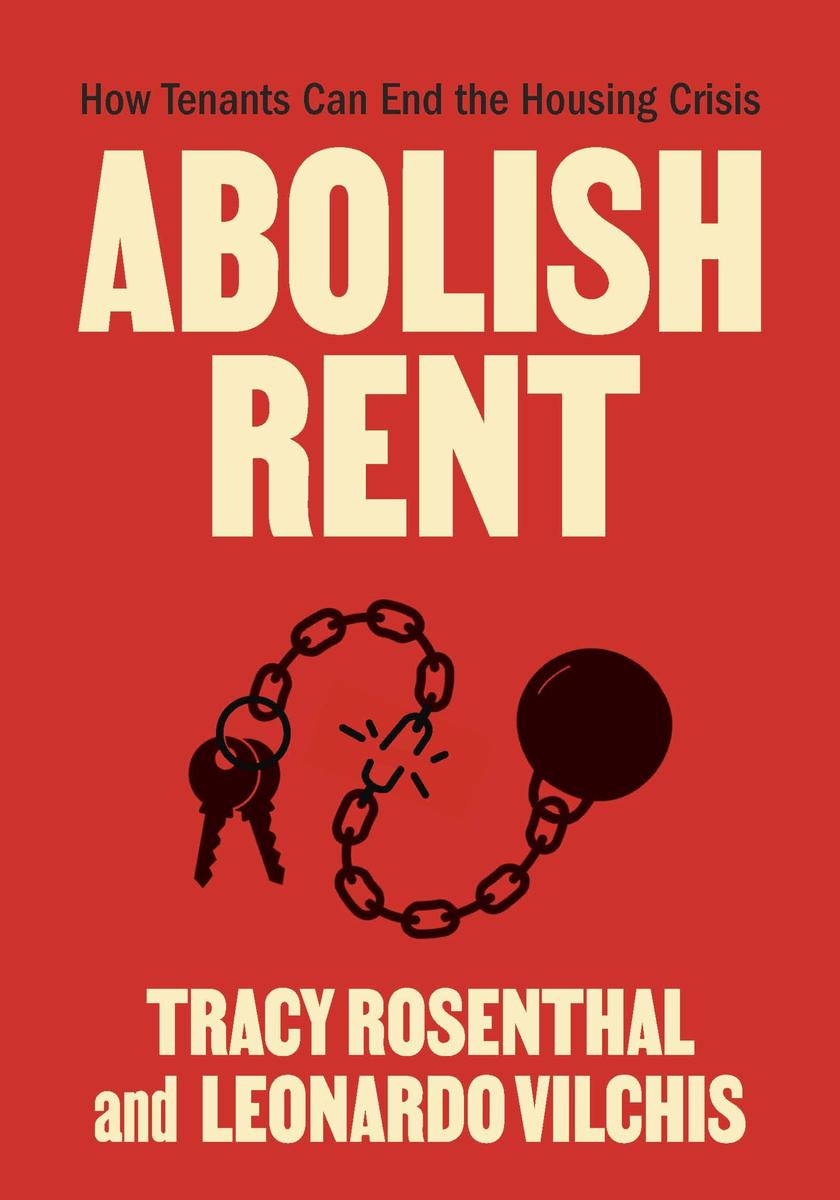
The central argument of Abolish Rent is that the tenant movement must think beyond the incremental: beyond rent stabilization, beyond stronger lease protections, beyond the usual reform toolkit. Rosenthal and Vilchis contend that these measures, while worth fighting for, leave the fundamental architecture of the rent system intact — an architecture they describe as structurally designed to transfer wealth upward, price out working-class communities, and make housing insecurity a permanent condition for the majority.
The book draws on the history of tenant organizing in Los Angeles, particularly the LATU's campaigns in neighborhoods like Boyle Heights, where they helped mariachi musicians and other tenants wage rent strikes against displacement. It draws an ideological map toward establishing a genuine "right to housing" — not as a legal abstraction, but as a material condition produced by organized collective power.
Crucially, Abolish Rent argues that the rent strike is not only a tactic of last resort but a potentially generalized strategy. Rosenthal and Vilchis write that tenants can refuse to pay rent, win better conditions, and keep their homes — and that the ultimate goal is to "grow the power of our movement enough to make rent strikes general and — finally — permanent." They concede that outright rent abolition may not occur within their lifetimes, but they insist that every organized building, every successful strike, every tenant who stays housed without paying an unjust landlord moves the situation forward.
Critics on the right, and some on the center-left, read the book as a blueprint for property destruction through willful non-payment and legal attrition. Proponents see it as a serious intellectual intervention in a housing debate that has, for too long, been dominated by developers and finance capital.
The Personal Is Political: Rosenthal's Rent Strike
It is at this point that Rosenthal's personal circumstances become inseparable from her public role — and where the controversy surrounding her intensified sharply in the summer of 2026.
In 2021, Tracy Rosenthal moved into a two-bedroom apartment on Hancock Street in Brooklyn's Bedford-Stuyvesant neighborhood, at a monthly rent of approximately $2,300. The apartment occupied the top floor of a brownstone. Shortly after moving in, she discovered the apartment was infested with cockroaches.
According to accounts reported by multiple outlets, her landlord at the time, Adetunji Akinboboye, refused to address the infestation by hiring an exterminator. Rosenthal and her fellow tenants also discovered that the building had more rental units than were legally approved by the city. This combination of habitability failures and irregular zoning documentation became the basis for what Rosenthal subsequently organized as a building-wide rent strike.
The tenants stopped paying rent. They have not resumed.
By the time the story gained widespread attention in August 2026, Rosenthal had withheld approximately four years of rent — with housing court records indicating she owed in excess of $108,000 on her unit alone. The situation had, in the interim, grown considerably more complex.
Her original landlord, Akinboboye, lost the building to foreclosure in 2023. US Bank, which acquired the property through that proceeding, filed a case in housing court in November — the exact month not specified across all sources, but proceedings were documented — to evict Rosenthal and four other tenants, stating in court records that they had "squatted upon the premises." The eviction cases remained open as of the time of reporting in August 2026. Separately, the Hancock Street building had been placed in the city's Housing Preservation Department Alternative Enforcement Program earlier in 2026, a designation for buildings with persistent housing code violations; it was removed from the program on July 14, 2026, after the outstanding issues were resolved.
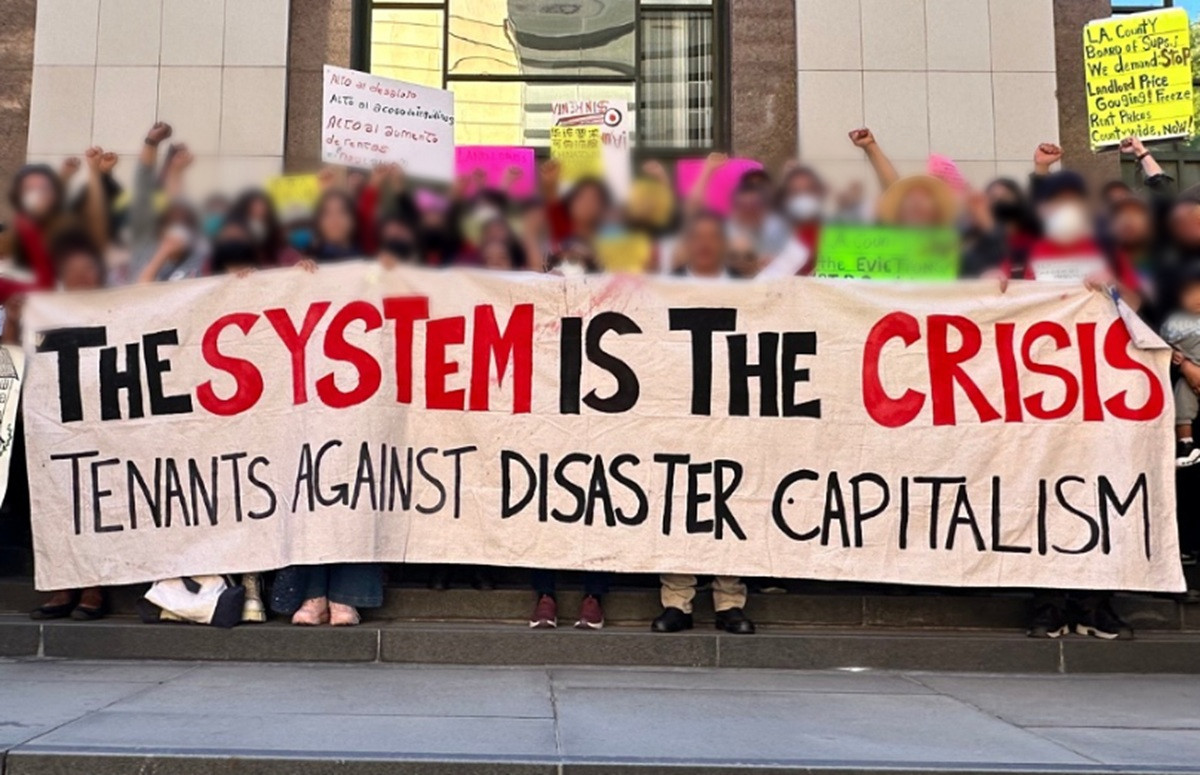
Rosenthal has described her building's approach in public settings as a collective act — tenants choosing together to withhold payment and turn their home into "an organizing project as much as a place to sleep." In the framework of Abolish Rent, the rent strike is not evasion but action: living proof that tenants can stay housed, demand habitable conditions, and resist the extraction of rent through collective solidarity.
The Privilege Critique
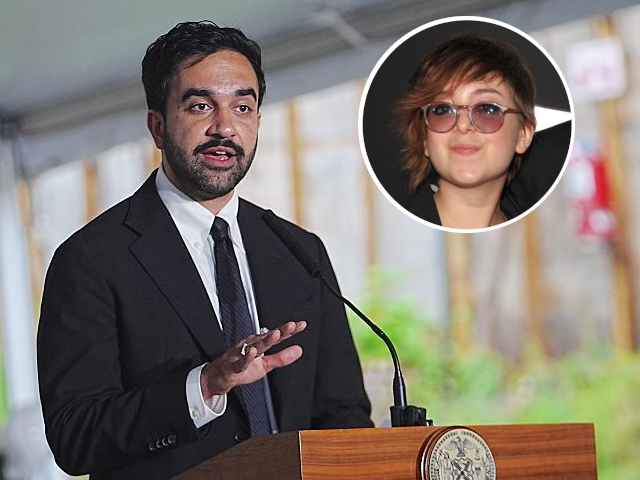
None of this background context was the focus of the August 2026 wave of critical coverage. What most interested reporters and commentators was a different aspect of Rosenthal's biography: where she came from.
Tracy Rosenthal is the daughter of Steven Rosenthal, a four-time Grammy Award-winning recording engineer and the owner of The Magic Shop, a legendary recording studio located in SoHo, Manhattan. The Magic Shop became famous as the place where rock icons including David Bowie, the Ramones, Blondie, Lou Reed, Sonic Youth, the Foo Fighters, and Coldplay recorded some of their most celebrated work. (The Magic Shop closed in 2016.) Steven Rosenthal won his Grammy Awards for his work on various albums across his career; Tracy attended the Grammy ceremonies with her father at least twice, in 2011 and 2023.
The family's Manhattan apartment, situated in the NoMad neighborhood, has been valued by the New York Post at approximately $1.7 million. It was in this environment — one of comfortable upper-middle-class access to cultural prestige and Manhattan real estate — that Tracy Rosenthal was raised before becoming the writer and organizer who now advocates for the elimination of rent as an institution.
Conservative commentators, right-leaning publications, and a number of politically centrist observers seized on this juxtaposition. The framing across much of the August 2026 coverage was that Rosenthal represented a familiar archetype: the affluent-background activist whose radicalism is a matter of ideological preference rather than economic necessity, and whose personal circumstances sharply undercut her credibility as a spokesperson for housing-insecure working people. Publications including WorldTribune, ClashDaily, The Post Millennial, TownHall, and Townhall.com ran pieces under headlines describing her as a "nepo baby" who is "'squatting' in her NYC apartment," a "Grammy winner's spoiled brat," or a figure whose unpaid rent represents straightforward freeloading dressed up as protest.
The Justice Moms Substack — which broke much of the background reporting — ran a piece titled "The Rent Abolitionist Who Grew Up in a $1.7 Million NoMad Apartment" and published a separate piece apparently referencing Rosenthal's own statement that she does not pay rent anymore. The Connector Daily headline was direct: "Mamdani's TOP Advisor Hasn't Paid Rent in Years!"
The eviction filing by US Bank, with its language describing Rosenthal and her neighbors as having "squatted upon the premises," gave critics an authoritative legal document to cite. That a bank, acting through the housing court system, had formally categorized Mamdani's informal housing advisor as a squatter carried obvious political bite.
The Ideological Tension
The criticism of Rosenthal exists on two distinct registers, and it is worth separating them.
The first is biographical: the argument that someone who grew up in a $1.7 million apartment and whose father is a Grammy-decorated music industry figure is poorly positioned to speak as a representative voice of tenants who face genuine, survival-level housing precarity. This is the "nepo baby" frame — the charge that Rosenthal's personal safety net (family wealth, social capital, the knowledge that hardship is, to some degree, an elective condition) fundamentally distinguishes her situation from the tenants in Boyle Heights, Bed-Stuy, or Harlem whose housing insecurity is not chosen but imposed.
The second register is philosophical: the argument that the Abolish Rent framework itself, however sincerely held, is destructive to the housing ecosystem it claims to want to repair. Critics like those at City Journal argue that tenant movements built around rent strikes and the long-term non-payment of housing costs destabilize the financing structures that make housing maintenance possible, drive landlords (particularly small landlords) out of the market, and ultimately worsen the very conditions they protest. Rosenthal's $108,000 in unpaid rent — owed ultimately to the tenants of a building whose original owner lost it to foreclosure under conditions that included her strike — is cited as evidence of these downstream harms.
Rosenthal and her supporters would likely contest both charges. On the first: tenant organizers across the political history of the left have not required poverty as a prerequisite for solidarity or organizing credibility; many of the most effective labor and housing organizers in American history came from backgrounds of relative comfort. The charge of hypocrisy assumes that only those with a personal stake rooted in economic desperation can legitimately organize or theorize on behalf of those who do. On the second: the building's deterioration under Akinboboye, its habitability failures, and its eventual foreclosure predated or co-occurred with the rent strike in ways that complicate a simple causal story.
What remains unresolved, at least in public record, is whether Rosenthal has directly addressed the specific criticism of her family's wealth in her own words. Reporting through August 2026 does not contain a direct response from Rosenthal to the biographical controversy.
The Institutional Context: Who Actually Advises Mamdani?
A degree of precision is warranted about Rosenthal's actual role in the Mamdani administration. She holds no official title, no appointed position, no formal advisory role documented in public records. The language of "advisor" or "top advisor," prevalent in critical coverage, reflects her influence as a public intellectual in the ideological ecosystem from which Mamdani draws, not a formal governmental relationship.
The official architecture of Mamdani's housing policy is housed in the office of Deputy Mayor for Housing and Planning Leila Bozorg, who co-released the Block by Block plan with the mayor. Cea Weaver, a longtime tenant organizer who has been a central figure in New York's housing movement for years, serves as the Director of the Mayor's Office to Protect Tenants — an official, paid governmental role. Weaver and Rosenthal have appeared on the same panels and conference circuits, but Weaver's role is formal and governmental; Rosenthal's is informal and ideological.
This distinction matters not because it diminishes Rosenthal's influence but because "Mamdani's rent advisor" is a shorthand that, while resonant and journalistically clean, slightly misrepresents the relationship. Rosenthal is better described as a leading theorist in the tenant movement that Mamdani has mobilized politically — someone whose framework informs the discourse without directing the policy machinery.
The Broader Stakes: What the Controversy Reveals
Whatever one makes of Tracy Rosenthal personally, the furor around her in August 2026 illuminates several larger tensions in the Mamdani era of New York City politics.
First, the tension between movement politics and governing politics. Tenant organizing, as Rosenthal and Vilchis describe it in Abolish Rent, is adversarial by design: it builds power by confronting landlords, withholding rent, and escalating conflict. Governing requires negotiating with developers, managing bond markets, maintaining the city's credit rating, and delivering housing units. Mamdani's administration must now translate a movement grammar into administrative action, and the seams of that translation are showing.
Second, the tension between ideological purity and coalition breadth. The Abolish Rent framework is explicitly radical in the sense of going to the root: it does not stop at stabilization or preservation but demands systemic transformation. The Mamdani housing plan, while historically ambitious, does not abolish rent; it freezes some rents, builds affordable units, and expands community control. The distance between those two positions creates a space for criticism from multiple directions simultaneously — conservatives who think even the modest plan goes too far, and movement activists who think it does not go nearly far enough.
Third, the tension around authenticity and representation in housing advocacy. The "nepo baby" framing reflects a broader cultural argument about who has standing to advocate for structural change. Tracy Rosenthal grew up with advantages that the tenants she organizes alongside did not have. That is factually true. Whether it disqualifies her, or whether the work of organizing, writing, and building institutional power for tenants is valuable regardless of the organizer's biography, is a question that does not have a clean answer. Different political traditions have reached different conclusions, and the debate is unlikely to be settled by the details of a single person's family apartment in NoMad.
The Eviction Case: What Comes Next
As of August 2026, the eviction proceedings brought by US Bank against Tracy Rosenthal and four co-tenants on Hancock Street remain open in New York City Housing Court. The case, in which US Bank as the post-foreclosure property owner has formally alleged that Rosenthal and the others are "squatting upon the premises," has not been resolved.
Housing advocates would note that eviction cases in New York City can take years to resolve, that tenants have substantial procedural rights, and that the existence of an open case does not mean imminent removal. The building's removal from the city's Alternative Enforcement Program in July 2026 — after resolving outstanding housing code violations — adds a wrinkle: if the habitability conditions that originally triggered the rent strike have since been remedied, the legal and moral calculus around ongoing non-payment becomes more contested.
It is also worth noting that Rosenthal's personal eviction case, and the political controversy attached to it, exist in a legal environment that the Mamdani administration is actively reshaping. The Block by Block plan includes expanded tenant rights to stage rent strikes in response to landlord neglect — a provision that, if enacted, would effectively formalize the kind of action Rosenthal has been engaged in since 2021. Whether that creates a legal avenue for Rosenthal specifically, or whether it applies prospectively to new cases, remains to be seen.
Conclusion
Tracy Rosenthal is, by any measure, a significant figure in the political landscape surrounding one of the most consequential urban housing experiments in recent American history. Her book has shaped the intellectual vocabulary of the tenant movement. Her organizing work helped build the institutional infrastructure — in Los Angeles and now in New York — that made Zohran Mamdani's mayoral coalition possible. Her informal influence on the ideological commitments of the Mamdani era is real, even if it does not translate into a formal advisory title.
At the same time, her personal circumstances — the four years of unpaid rent, the eviction filing describing her as a squatter, the $108,000 owed on a single apartment, and the contrast with a childhood spent in a $1.7 million Manhattan apartment with a Grammy-winning father — have become a political liability for a movement that needs to be taken seriously by governing institutions, bond raters, and a broad voting public that may be sympathetic to rent relief without being ready to endorse rent abolition.
The story of Tracy Rosenthal is, ultimately, a story about the always-uncomfortable distance between the politics people theorize and the practical conditions under which they live — and the question of whether that distance is evidence of hypocrisy, proof of commitment, or simply the messy reality of human beings trying to change systems that were built before them and will persist long after them. For the tenant movement, and for Mayor Mamdani's administration, that question will not be answered in housing court. It will be answered in the coming years, as New York attempts to turn the most ambitious urban housing agenda in a generation into something that materially improves the lives of the million-plus renters whose situation is not a political choice, but a daily fact.
Sources:
- The Rent Abolitionist Who Grew Up in a $1.7 Million NoMad Apartment
- "I Don't Even Pay My Rent Anymore"
- Mamdani's Anti-Rent Housing Advisor Is A Nepo Baby 'Squatting' In Her NYC Apartment
- Mamdani's Anti-Rent Advisor Faces Eviction Over Four Years Of Unpaid Rent
- Anti-rent radical and Mamdani pal who is 'squatting' in Brooklyn is Grammy nepo baby
- This Mamdani Advisor Hasn't Paid Rent in Years
- Mamdani Advisor Tracy Rosenthal: Rent Strike Despite Wealth
- Mamdani's TOP Advisor Hasn't Paid Rent in Years!
- Mamdani's 'anti-rent advisor' is Grammy winner's spoiled brat angered by apartment cockroaches
- Mamdani Housing Agenda: Activist Under Fire
- Mamdani's anti-rent housing advisor is nepo-baby of Grammy-winning producer, now she's getting evicted
- They Want to "Abolish Rent" By Any Means Necessary
- Mayor Mamdani Releases "Block by Block: The Housing Plan for A New Era"
- Zohran Mamdani unveils $28 billion housing plan
- Abolish Rent — Haymarket Books
- Learning From Los Angeles: An Interview with LA Tenants Union Co-Founder, Tracy Rosenthal
- The inside-outside strategy behind New York's rent freeze
- Abolish rent in LA? Tenant union founders imagine a different world.
- Rent Is the Crisis — Public Seminar
- Mamdani unveils sweeping housing plan — The Real Deal