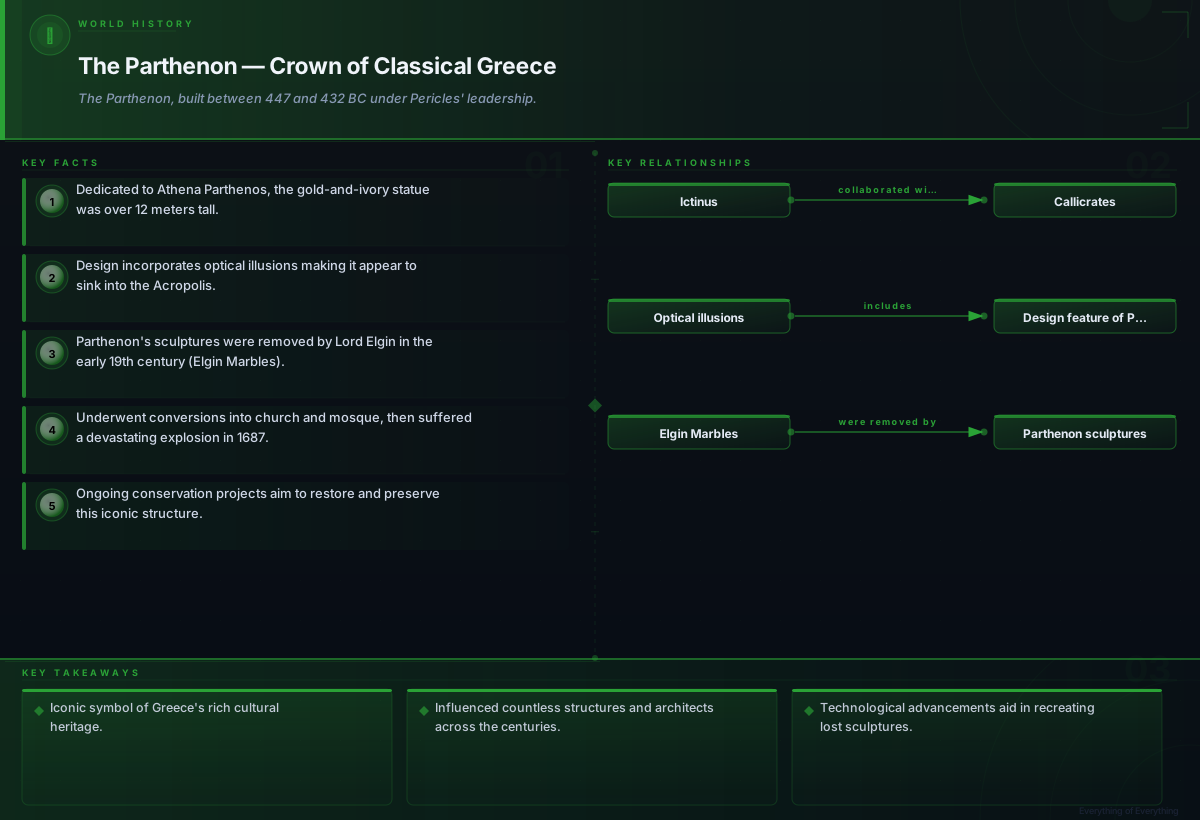
The Parthenon on the Acropolis of Athens, built between 447 and 432 BC under Pericles' leadership, stands as a monument to ancient Greek architecture and Western civilization's pinnacle [1]. This iconic structure dedicated to Athena Parthenos housed a magnificent 12-meter gold-and-ivory statue. Its design incorporates intricate optical illusions, and it has been at the center of various controversies, including the Elgin Marbles debate. The Parthenon also witnessed conversions into church and mosque, followed by a devastating explosion in 1687 that caused significant damage.
Architects: Ictinus and Callicrates
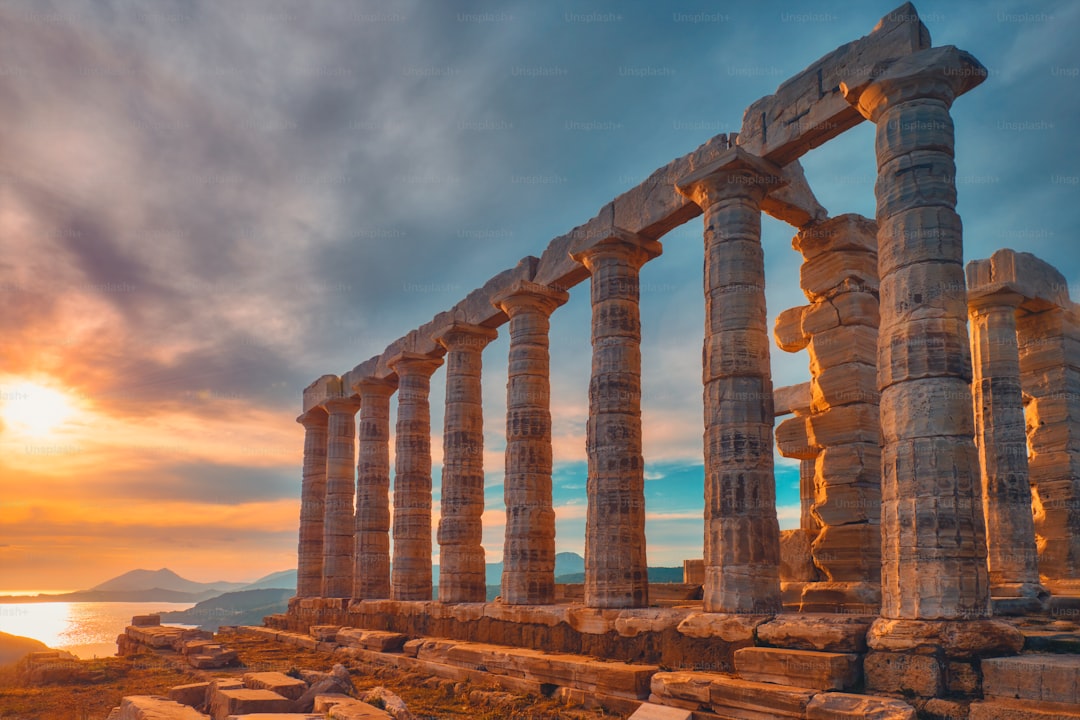
The architects behind this architectural marvel were Ictinus and Callicrates, who are recognized for their innovative designs [2]. Although the exact extent of their collaboration is not entirely known, their work on the Parthenon remains as a testament to their ingenuity and artistry. Their contributions laid the foundation for future classical Greek architecture, influencing countless structures and architects across the centuries.
Optical Illusions in Design
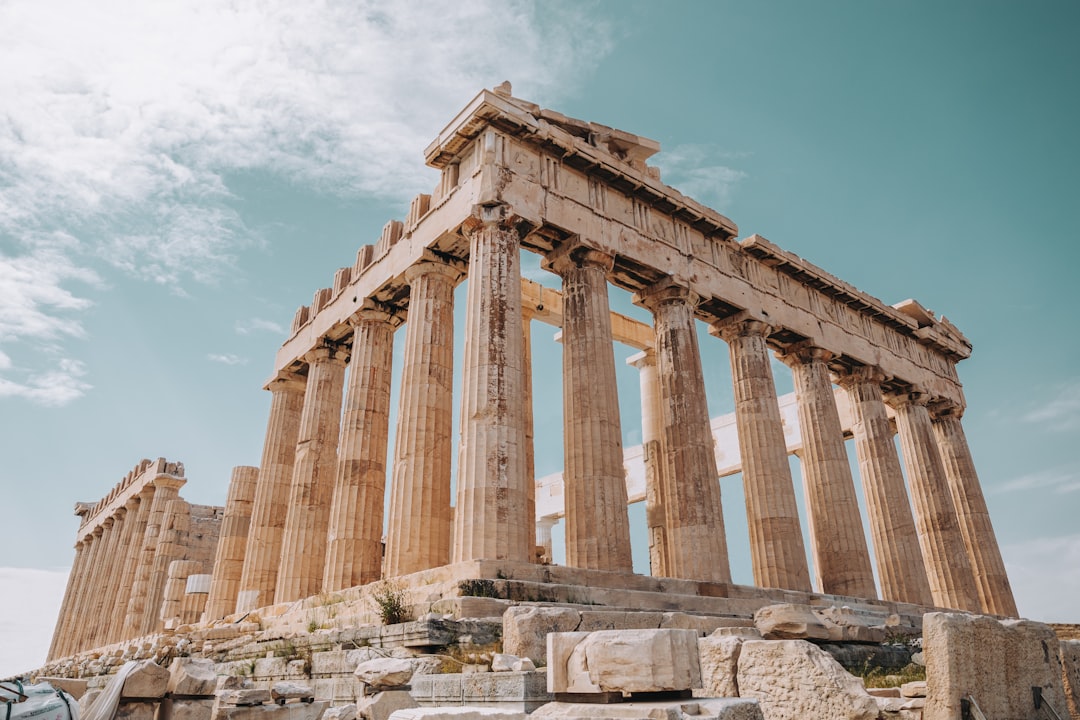
The Parthenon's design includes several optical illusions, making it an early example of clever architectural tricks [3]. One notable feature is the optical illusion that makes the building appear to be sinking into the Acropolis due to the different sizes and shapes of the columns on its facade. Another illusion involves the entasis of the columns, which creates a visual effect of straightness when viewed from a distance.
Elgin Marbles Controversy
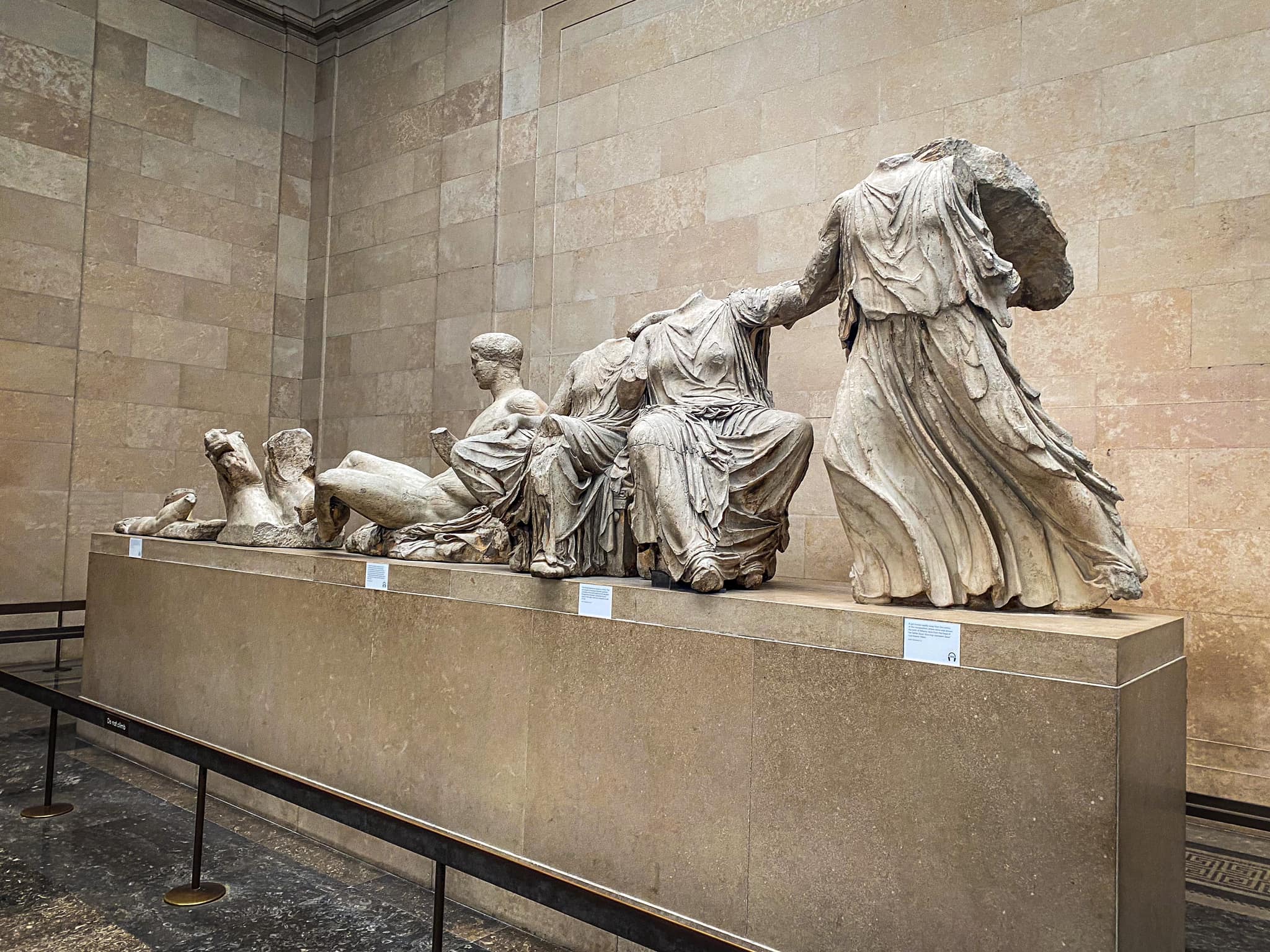
The Parthenon's sculptures were later removed by Lord Elgin, the British ambassador to Turkey, in the early 19th century [4]. Known as the Elgin Marbles, these sculptures have been at the center of controversy regarding their rightful ownership and location. The British Museum currently houses them, while Greece has long sought their return. This ongoing debate highlights the complex nature of cultural heritage and historical artifacts.
Conversion to Church and Mosque
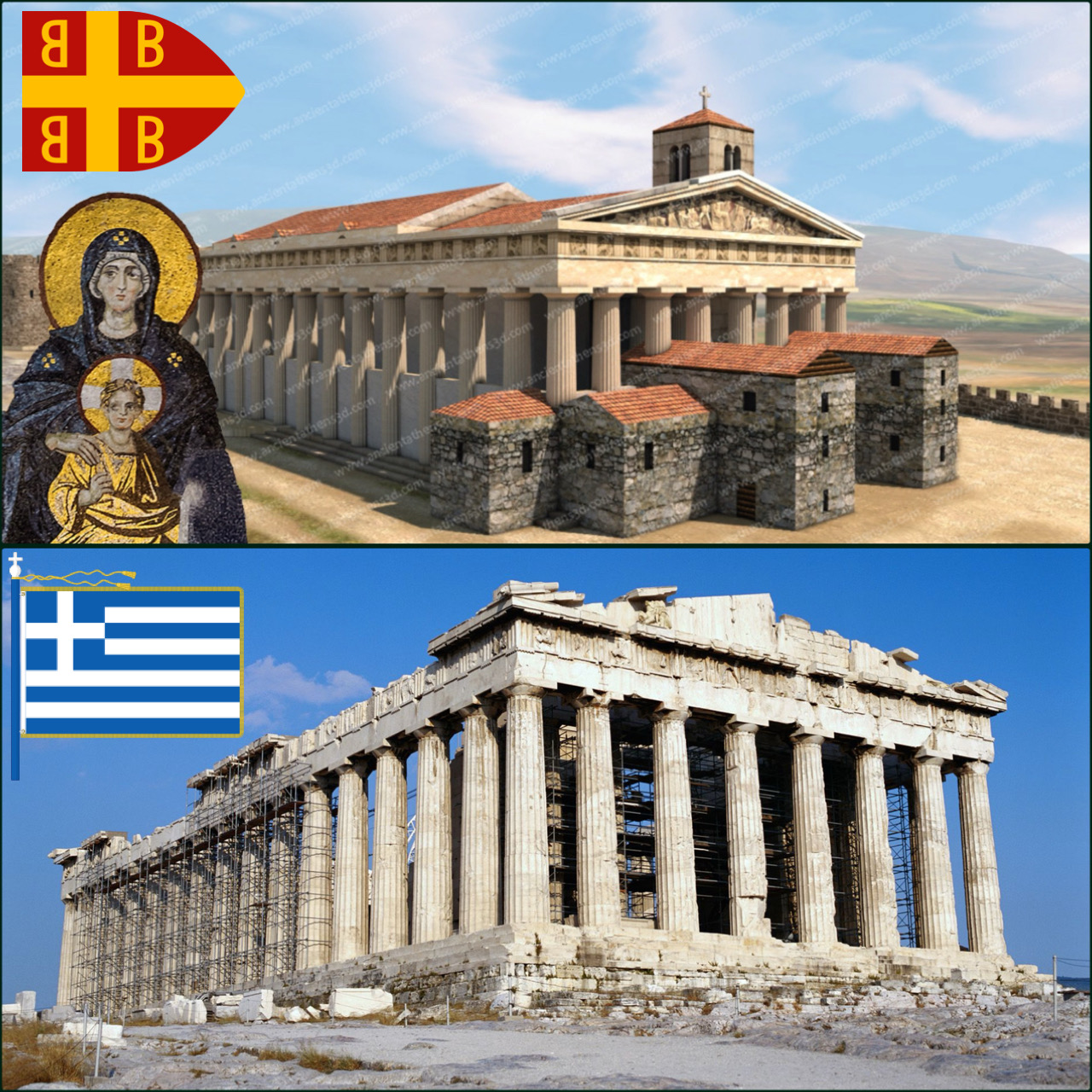
After its construction, the Parthenon underwent various transformations [5]. Initially converted into a church dedicated to Christ the Savior, it was later turned into a mosque following the Ottoman conquest of Athens in 1453. These conversions illustrate the adaptability of this ancient structure but also highlight the challenges faced by cultural monuments throughout history.
The 1687 Explosion
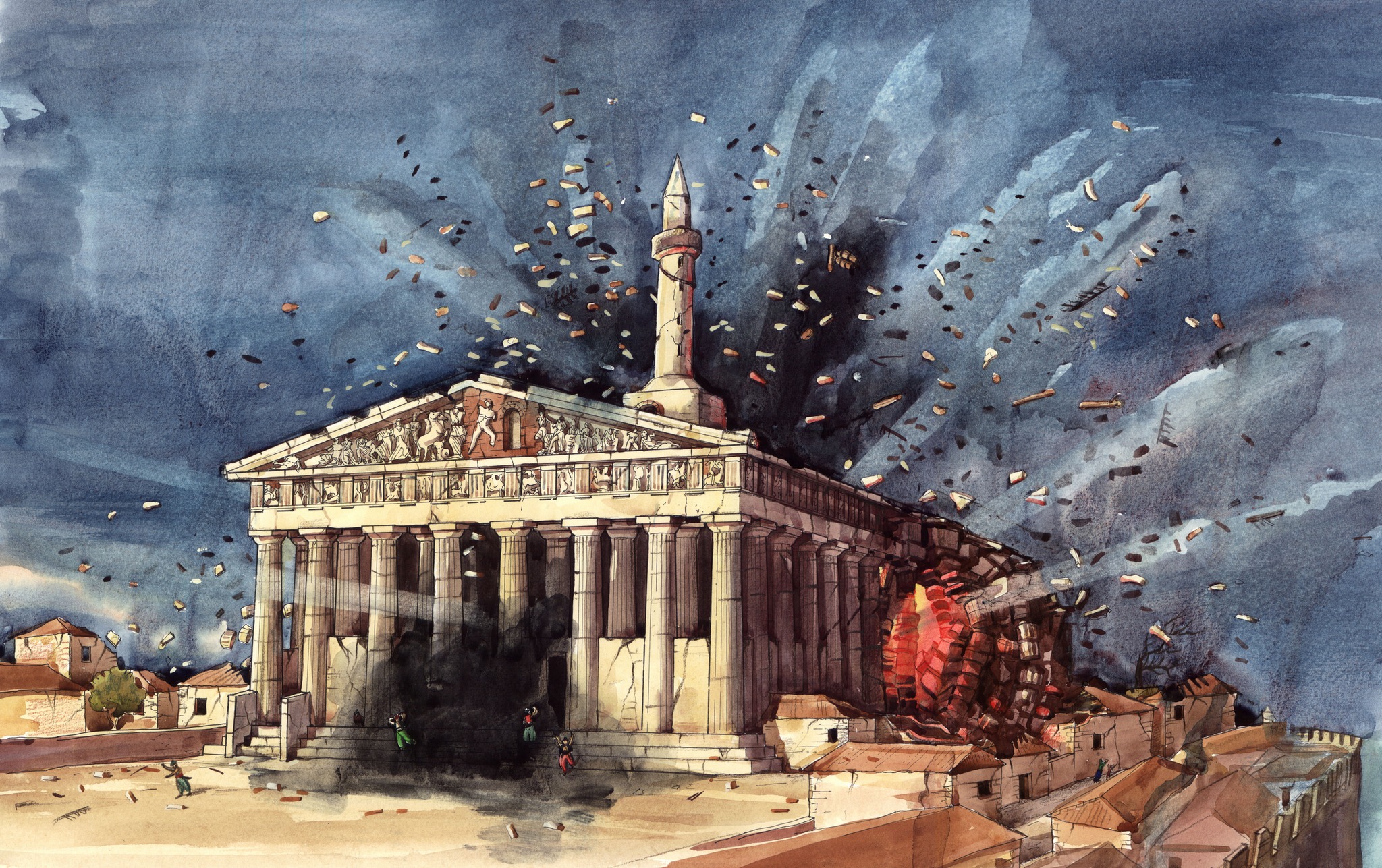
In 1687, the Parthenon suffered significant damage during the Venetian-Ottoman War due to a gunpowder explosion that destroyed much of its sculpture and architectural elements [6]. This event marked the beginning of a long period of decline for the monument, leading to further deterioration and degradation.
Current State & Recent Developments
Today, the Parthenon stands as an important symbol of Greece's rich cultural heritage. Efforts have been made to restore and preserve this iconic structure through ongoing conservation projects [7]. Recent advancements in technology, such as 3D printing, have enabled researchers to recreate lost sculptures and study the building's original design with greater precision.
Key Figures & Contributions
- Ictinus: One of the principal architects responsible for designing the Parthenon.
- Callicrates: The other architect who collaborated with Ictinus on the monumental structure.
- Lord Elgin: British diplomat responsible for removing the Parthenon Marbles from Greece in the early 19th century.
Key Takeaways
- Architectural Brilliance: The Parthenon's design, created by Ictinus and Callicrates, showcases exceptional architectural skills and innovative techniques.
- Cultural Significance: As a symbol of Western civilization and ancient Greek heritage, the Parthenon holds immense cultural importance.
- Ongoing Controversy: The Elgin Marbles debate continues to surround the Parthenon's sculptures, raising questions about ownership, preservation, and repatriation of historical artifacts.
- Historical Adaptations: Throughout its existence, the Parthenon has served various purposes, including a church and mosque, reflecting its enduring presence in history.
- Conservation Efforts: Ongoing restoration projects aim to preserve the Parthenon for future generations while leveraging modern technology for more accurate reconstructions.
To further understand this topic, you can explore additional resources such as books by experts on ancient Greek architecture or visit museums housing artifacts related to the Parthenon [8].
Data Overview