Introduction
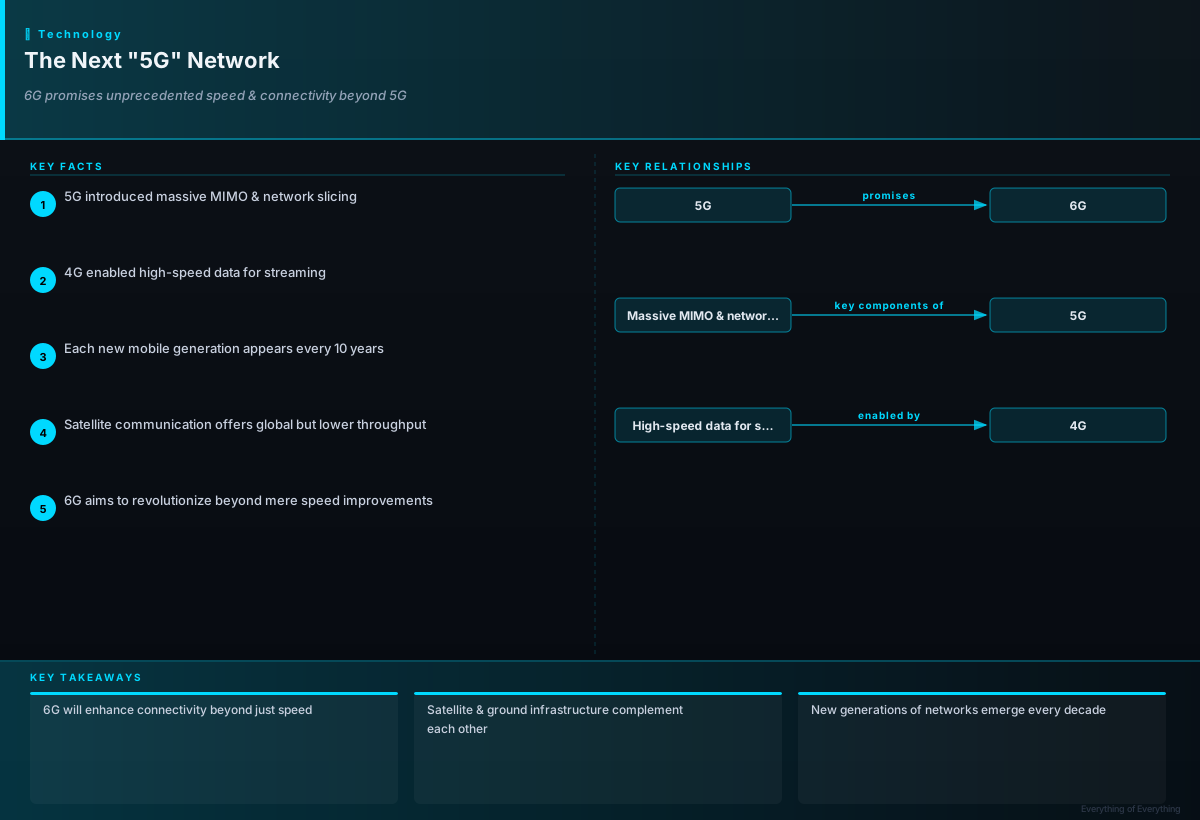
In the ever-evolving landscape of cellular networks, the introduction of 6G marks a significant milestone following the transformative impact of 5G technology. As we stand at the threshold of this new era, it is imperative to understand not only the foundational concepts that underpin these advanced technologies but also their implications for various industries and society as a whole. This article delves into the historical context of cellular network advancements, the core mechanisms and key players in 5G, and the exciting possibilities offered by 6G. We will explore recent breakthroughs, ongoing research, and the challenges that lie ahead in this rapidly evolving field.
Historical Context: The Evolution from 1G to 5G
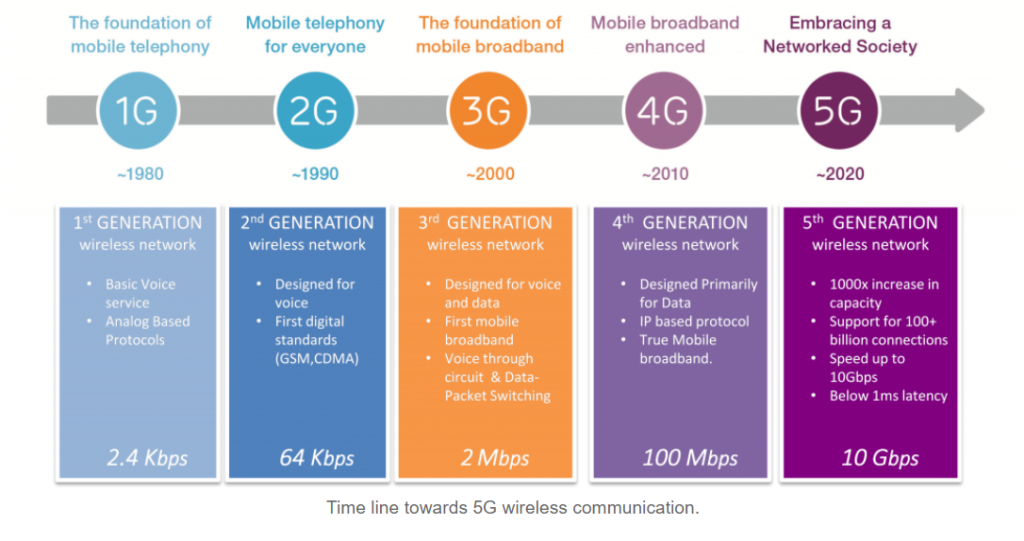
The journey of cellular networks began with the analog-based 1G technology in the late 1980s, which laid the groundwork for subsequent generations. The introduction of digital technologies marked a significant shift with the advent of 2G and 3G systems. These advancements were crucial as they supported text messaging, mobile internet, and multimedia services.
4G brought about a qualitative leap by enabling high-speed data transmission suitable for modern applications like video streaming and social media. However, it was 5G that truly revolutionized communication infrastructure with its unprecedented speed, lower latency, higher reliability, and massive connectivity capabilities [1].
Core Mechanisms: How It Actually Works
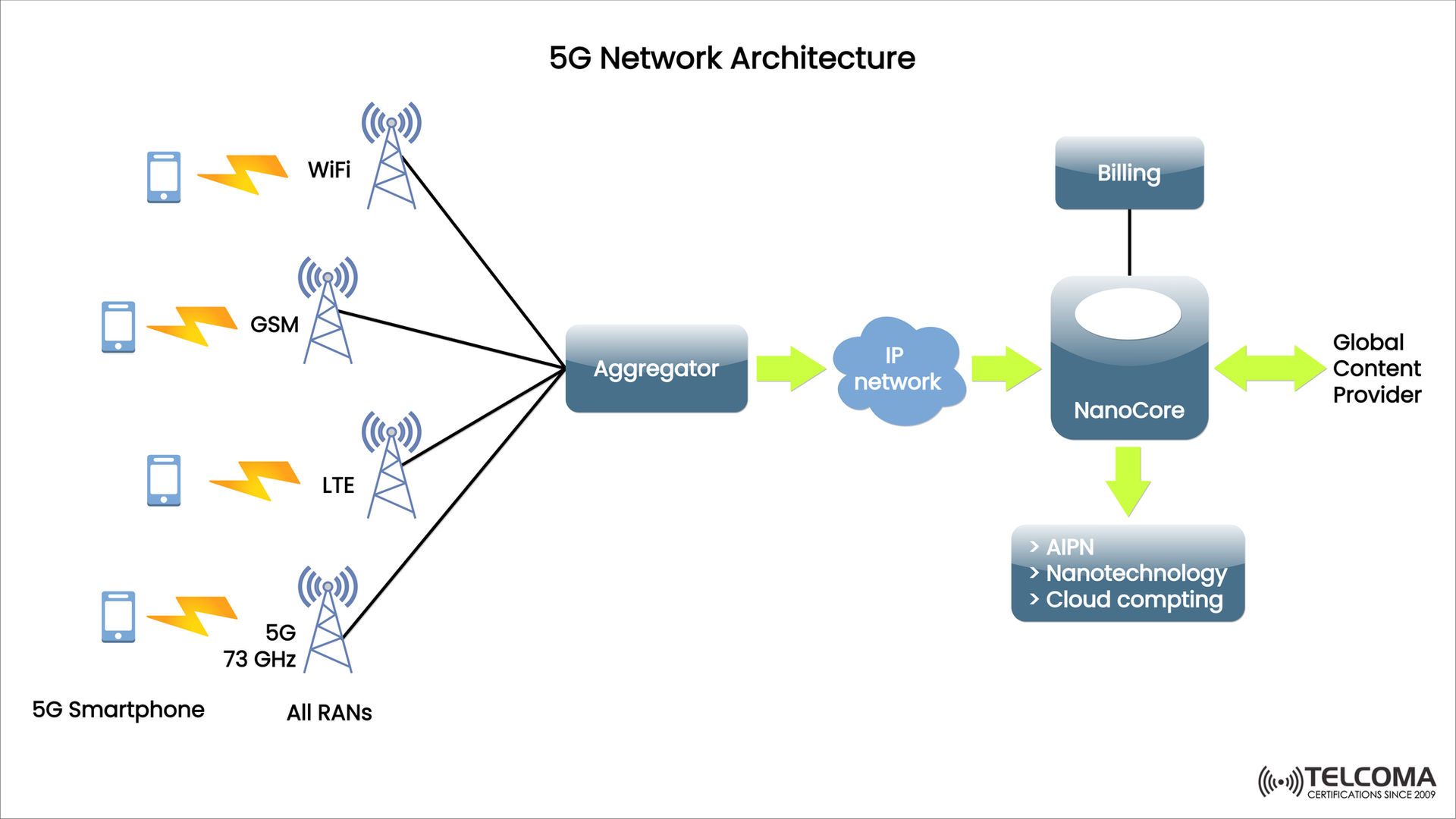
At the heart of 5G technology lies the implementation of advanced air interface protocols, denser network architectures, and innovative spectrum utilization techniques. One key innovation is Massive MIMO (Multiple-Input Multiple-Output), which significantly enhances data throughput by utilizing multiple antennas to transmit or receive signals [2].
Another crucial component is network slicing, allowing operators to create virtual networks tailored for specific use cases such as smart cities, autonomous vehicles, and industrial IoT applications. Moreover, 5G leverages edge computing to process data closer to the source, reducing latency and improving real-time performance.
Key Figures & Contributions
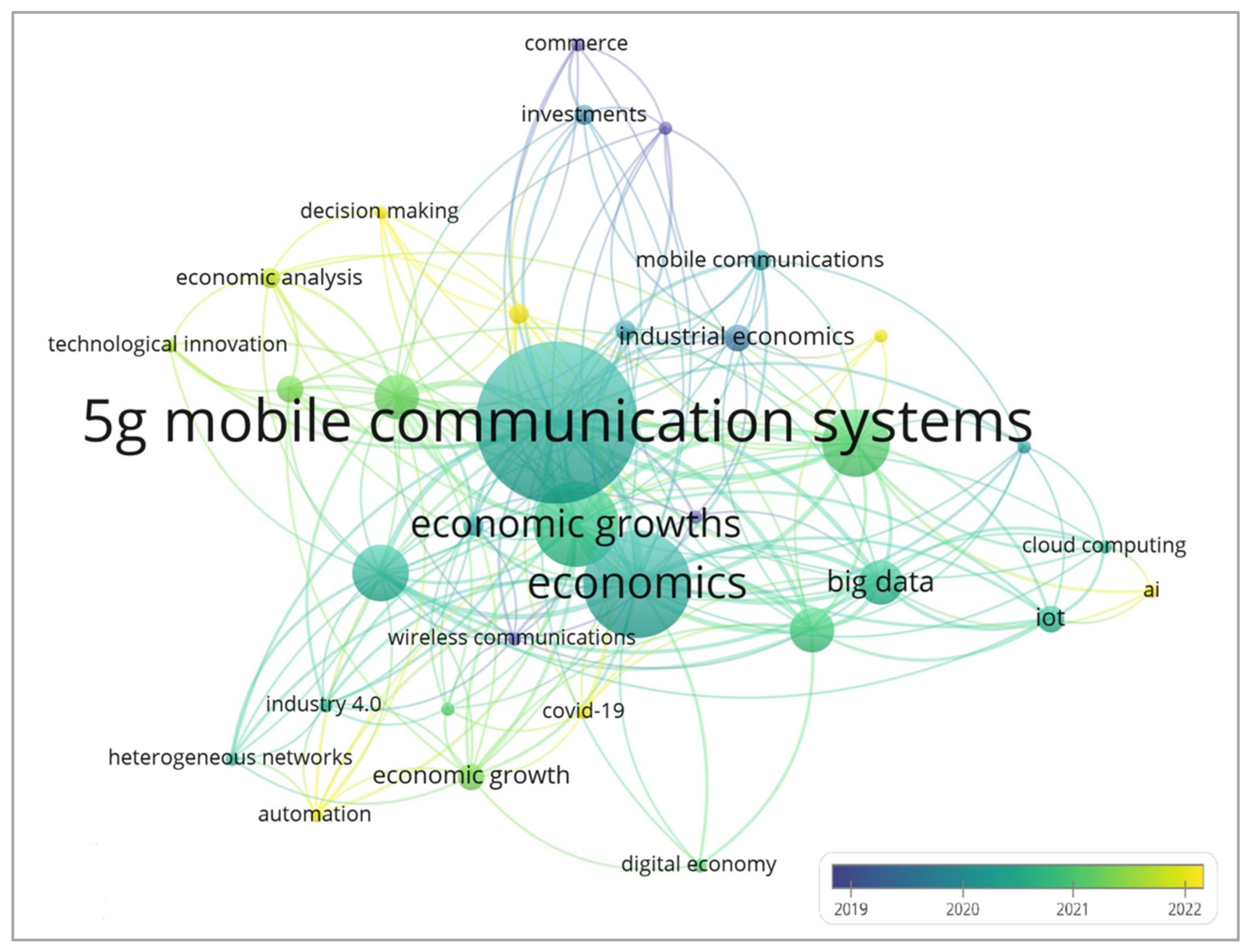
Several key players have driven the development of 5G technology. Companies like Huawei, Ericsson, and Qualcomm have been instrumental in advancing hardware infrastructure and software solutions. Academic institutions such as MIT and Stanford University have also played significant roles through research initiatives focused on network optimization, security, and performance enhancement [3].
Current State & Recent Developments
As of July 2026, the focus has shifted towards preparing for the next generation, 6G, which promises to revolutionize connectivity beyond mere improvements in speed. According to Harald Remmert, CTO at Cellular Solutions at Digi International, "The release of each new mobile network generation occurs approximately on a 10-year cycle, and each evolution brings new capabilities and features not previously available" [2].
Key Differences Between 5G and Satellite Communication
Satellite communication offers global coverage but typically has lower throughput compared to 5G. While satellite systems are indispensable for remote areas where ground infrastructure is sparse or non-existent, they cannot compete with the high-speed data rates and low latency of 5G networks [1].
In terms of connection quality, both technologies offer their unique advantages. Satellite communication provides stable links across wide areas regardless of local infrastructure conditions, whereas 5G connection quality can vary based on base station coverage and signal interference.
Cost is another significant factor; satellite communication equipment and operations are generally more expensive due to the need for specialized hardware and maintenance [1].
Real-World Applications and Case Studies
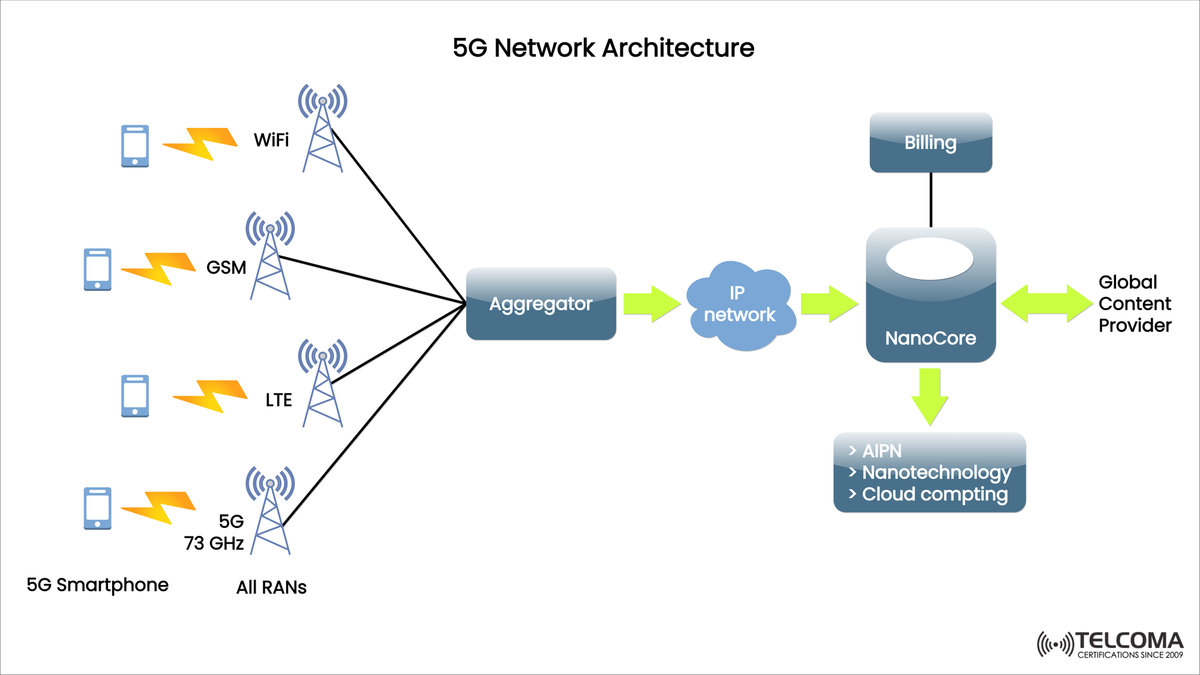
The deployment of 5G has already begun in many countries, with various use cases demonstrating its potential. For instance, in urban environments, 5G supports smart city initiatives by enabling efficient traffic management systems, public safety communications, and real-time environmental monitoring.
In industries like automotive, 5G facilitates autonomous driving technologies through low-latency communication between vehicles and infrastructure [4]. Additionally, remote healthcare solutions benefit from the high-speed data transmission capabilities of 5G, allowing for telemedicine consultations and remote surgical procedures with minimal latency issues.
Controversies, Open Questions, and Future Trajectory
Despite its advantages, 5G adoption faces several challenges. Concerns about electromagnetic radiation and potential health impacts remain a topic of debate among scientists and the public. Furthermore, the transition to 6G raises questions about spectrum allocation, infrastructure investment, and international cooperation in standardization processes [3].
The future trajectory of 6G technology promises even more transformative changes. With the goal of supporting up to 10 million devices per square kilometer, 6G could enable a vast array of applications ranging from smart cities and Industry 4.0 to extended reality (XR) experiences and pervasive computing [5].
Key Takeaways
- 5G has brought significant improvements over previous generations with its high speed, low latency, and enhanced reliability.
- Satellite communication complements 5G by providing global coverage in remote areas but faces limitations in data rate and cost efficiency.
- 6G is on the horizon, promising to support massive connectivity and a wide range of new applications beyond what 5G can offer.
- Key players like Huawei, Ericsson, Qualcomm, MIT, and Stanford are driving research and development in this field.
- Challenges such as health concerns, spectrum management, and infrastructure investment will shape the future landscape of cellular networking technologies.
This article provides an in-depth exploration of the evolution from 1G to 5G and the promising advancements anticipated with 6G. As we move forward, understanding these complexities will be crucial for stakeholders across industries to harness the full potential of next-generation cellular networks.
Data Overview