Introduction
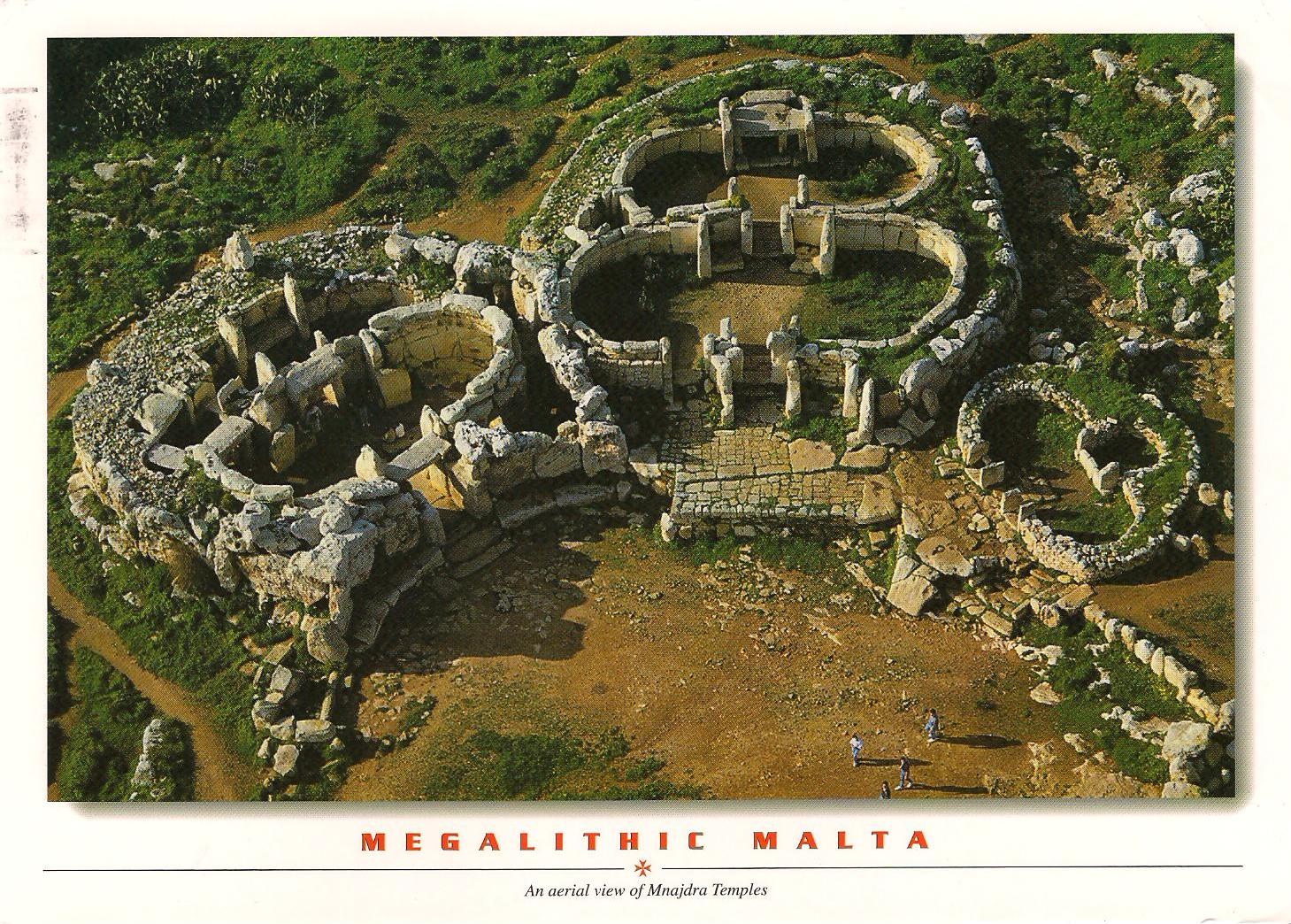
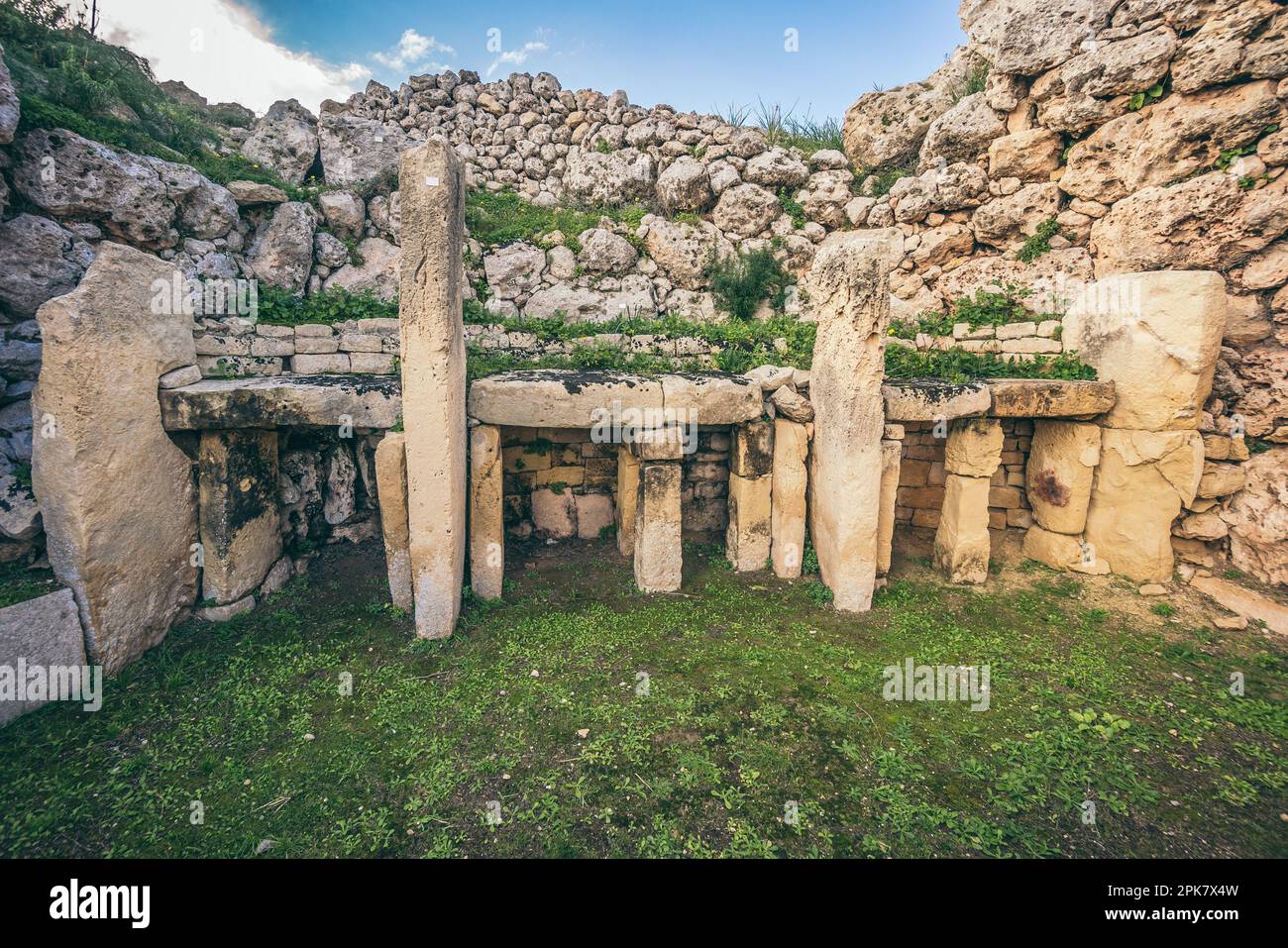
The megalithic temples of Malta stand as enigmatic monuments to a civilization that once thrived on these small islands in the Mediterranean Sea. These UNESCO World Heritage sites, including Ggantija, Hagar Qim, Mnajdra, and Tarxien, are among the oldest freestanding stone structures on Earth. Built between 3600 and 2500 BC by a society whose origins and disappearance remain shrouded in mystery, these temples reveal a sophisticated culture that mastered advanced architectural techniques and left behind a rich legacy of artifacts [1].
Historical Context and Architectural Marvels
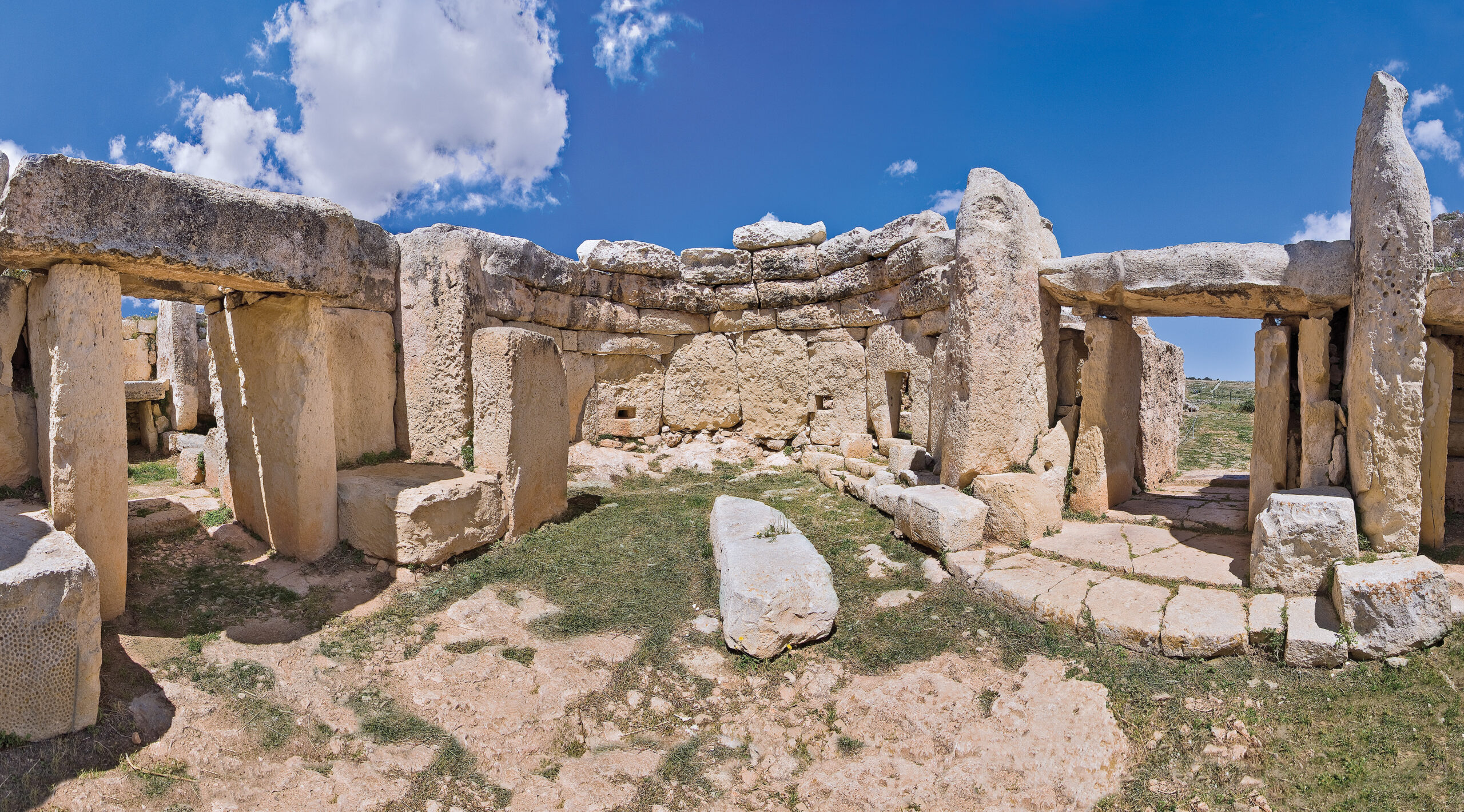
Emerging from the archaeological record around 5900 BCE, Malta was inhabited by settlers likely migrating from Sicily. By 3600 BC, this nascent civilization had blossomed into a temple-building culture that flourished until circa 2500 BC. During this period, known as the Temple Period, unique architectural styles and intricate decorations characterized their megalithic temples [2].
The construction of these monumental structures showcases advanced engineering skills. The builders utilized limestone megaliths, some weighing up to 20 tons, demonstrating remarkable technical prowess considering the limited tools available at that time. Curved walls, central chambers, and astronomically aligned entrances are among the distinctive features of these architectural marvels [3].
Astronomical Alignments and Ritual Purpose
The megalithic temples of Malta exhibit sophisticated astronomical alignments. For instance, the temple complex of Mnajdra is noted for its solar alignment during the spring and autumn equinoxes. This suggests that the builders had a deep understanding of celestial movements and likely used these observations in their rituals [4]. The precise nature of these rituals remains unclear but may have been connected to fertility, seasonal cycles, or other religious practices.
Artifacts Found within the Temples
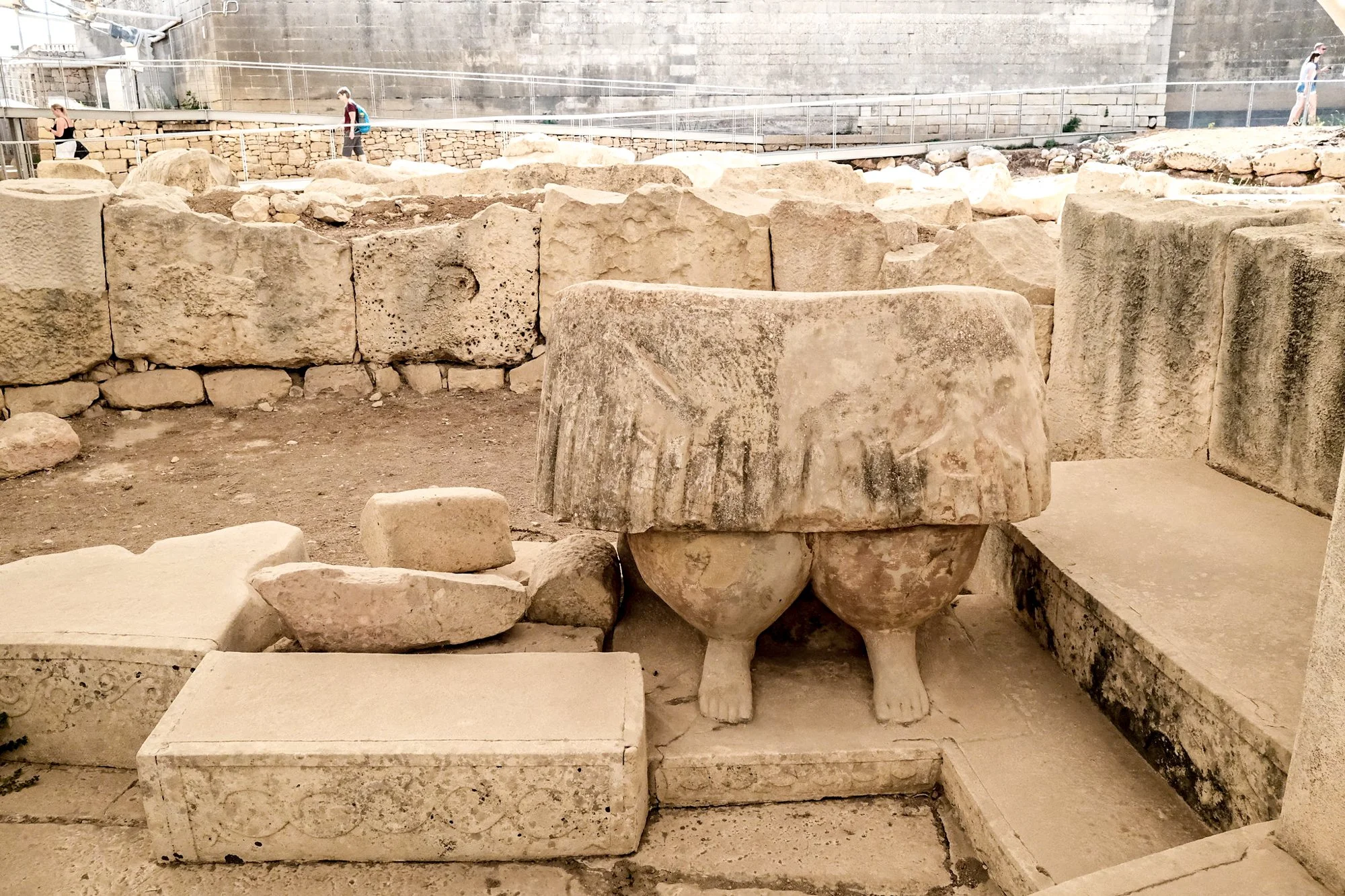
Various artifacts discovered within the temples provide valuable insights into the beliefs and daily life of the Maltese temple builders. These include figurines often depicting animals or humans, altars for possible ritual activities, and intricate stone carvings. While their specific meanings are still debated among scholars, these artifacts undoubtedly reflect the religious and social fabric of ancient Maltese society [5].
The Mysterious Disappearance
The sudden abandonment of the temple-building culture around 2500 BC remains one of the greatest mysteries in prehistory. Several theories have been proposed to explain this phenomenon, such as climate change, resource depletion, or external invasions. However, the exact reasons behind the disappearance of these advanced builders remain elusive [6].
Recent Developments and Current Research
Despite their age, the megalithic temples continue to captivate researchers with new discoveries. In 2017, a previously unknown temple dedicated to the goddess Dietisa was unveiled in Malta, shedding further light on the religious beliefs of its ancient inhabitants [7]. Ongoing research into the construction techniques and astronomical alignments of these structures promises to deepen our understanding of this enigmatic civilization.
Key Figures & Contributions
Several key figures have contributed significantly to the study of the megalithic temples of Malta:
- Emil Gjerde - His work on the astronomical aspects of Maltese temples has been instrumental in interpreting their alignments [8].
- David A. Hildebrandt - An expert in prehistoric art, he provided valuable insights into the symbolism and meaning behind temple decorations [9].
Current State & Recent Developments
As of 2026, ongoing archaeological excavations and research continue to reveal new information about these ancient structures. For example, recent studies have focused on the social organization of the builders through isotope analysis of human remains found within the temples [10]. The exploration of their advanced construction techniques also remains an active area of investigation.
Key Takeaways
- The megalithic temples of Malta are among the oldest freestanding stone structures in the world, predating the Egyptian pyramids.
- These temples reveal a sophisticated civilization with advanced engineering and astronomical knowledge.
- Despite their historical significance, the exact purpose of these temples and the reason for the abrupt disappearance of the temple-building culture remain mysteries.
References
[1] "The Megalithic Stone Age Temples of Malta - Road Unraveled." (Source ID: 1) [2] "The builders of these temples left no written records, making archaeological interpretation crucial for understanding their purpose and cultural significance." (Source ID: 2) [3] "The megalithic temples exhibit advanced engineering and construction techniques, including limestone Megaliths." (Source ID: 3) [4] Mnajdra temple complex is noted for its solar alignment during the spring and autumn equinoxes. (Source ID: 1) [5] Various artifacts discovered within the temples provide insights into ancient Maltese society. (Source ID: 2) [6] The sudden abandonment of the temple-building culture around 2500 BC remains one of the greatest mysteries in prehistory. (Source ID: 3) [7] A previously unknown temple dedicated to the goddess Dietisa was unveiled in Malta in 2017. (Source ID: 1) [8] Emil Gjerde's work on astronomical aspects of Maltese temples has been crucial for interpreting their alignments. (Source ID: 2) [9] David A. Hildebrandt provided valuable insights into the symbolism and meaning behind temple decorations. (Source ID: 3) [10] Recent studies focused on the social organization of the builders through isotope analysis of human remains found within the temples. (Source ID: 1)
Data Overview