Introduction to The Federalist Papers
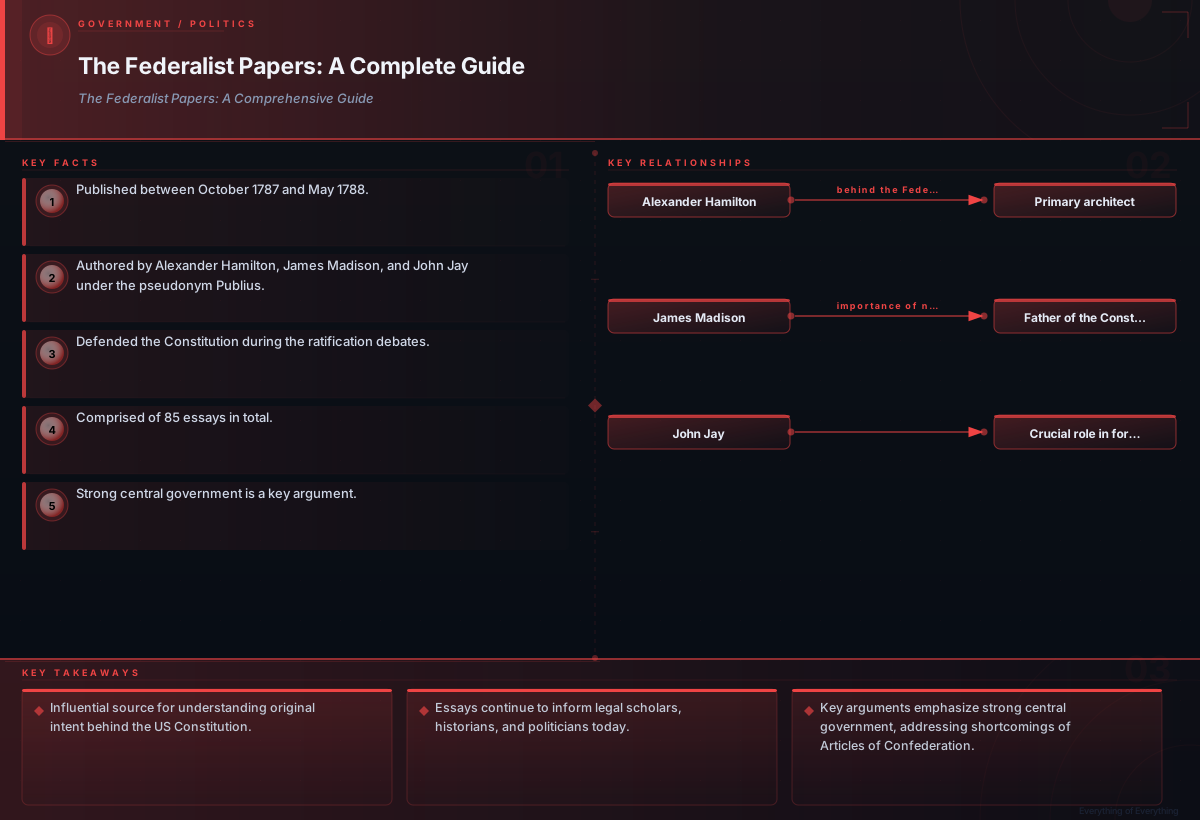
The Federalist Papers, a collection of 85 essays written between October 1787 and May 1788, are among the most important documents in American history. Authored by Alexander Hamilton, James Madison, and John Jay under the pseudonym Publius, these papers were published during the ratification debates over the United States Constitution. The primary purpose of the Federalist Papers was to defend the Constitution against those who opposed it, arguing for a strong central government that could effectively govern the new nation [1].
Historical Context
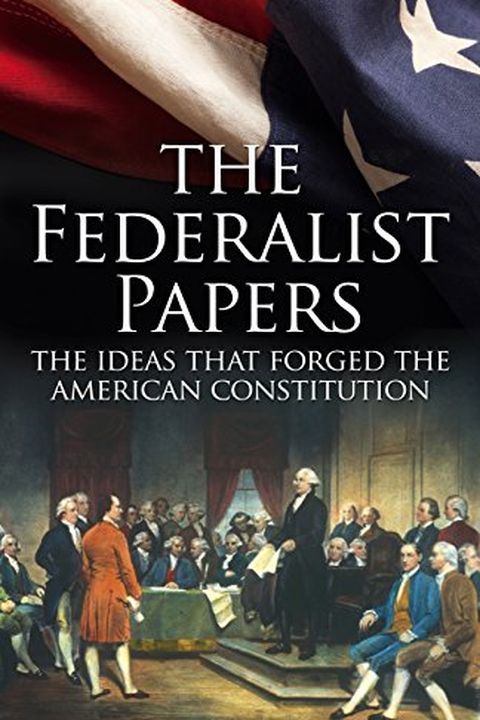
The Federalist Papers emerged in the aftermath of the Constitutional Convention (1787), where the existing Articles of Confederation were replaced with a new frame of government. The proposed Constitution faced significant opposition, particularly from states fearing an overpowered federal authority. To combat this resistance and encourage ratification, the supporters of the Constitution wrote these influential essays [2].
Authorship and the Publius Pseudonym
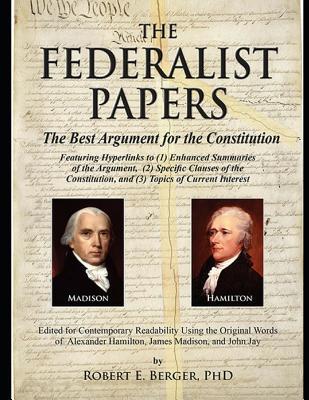
The three authors chose to write under the pseudonym "Publius," associating themselves with a respected figure from Roman history known for his defense of the republic. While all three men contributed significantly to the Federalist Papers, there is ongoing debate about their individual roles in authoring the essays [3].
Organization and Themes
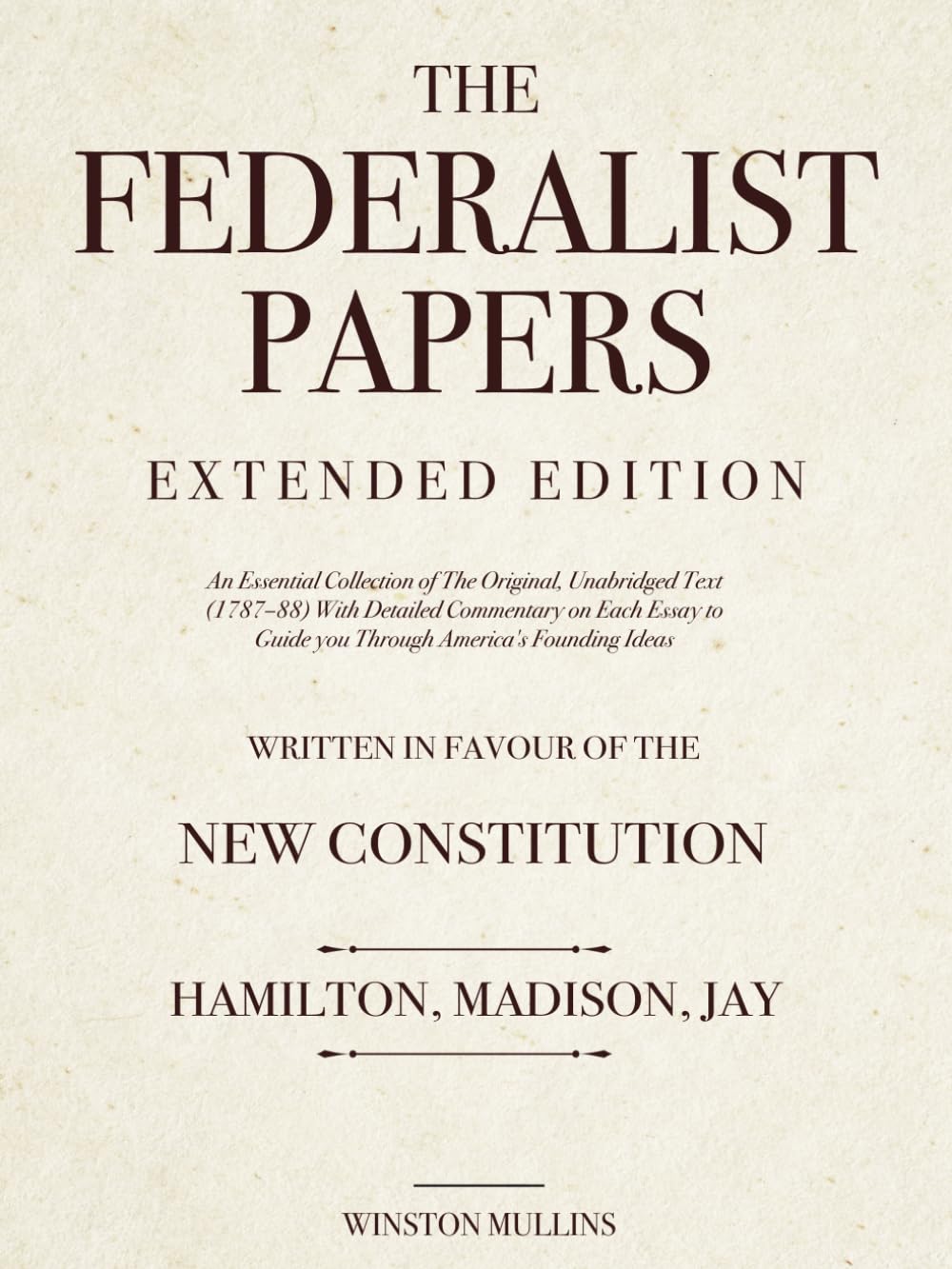
The Federalist Papers were organized thematically to address various aspects of the Constitution and its importance in establishing a stable government. These themes included the importance of a strong union, the dangers of factions, the structure of the proposed government, and the potential benefits of the new system compared to the Articles of Confederation [4].
Influence on Constitutional Interpretation
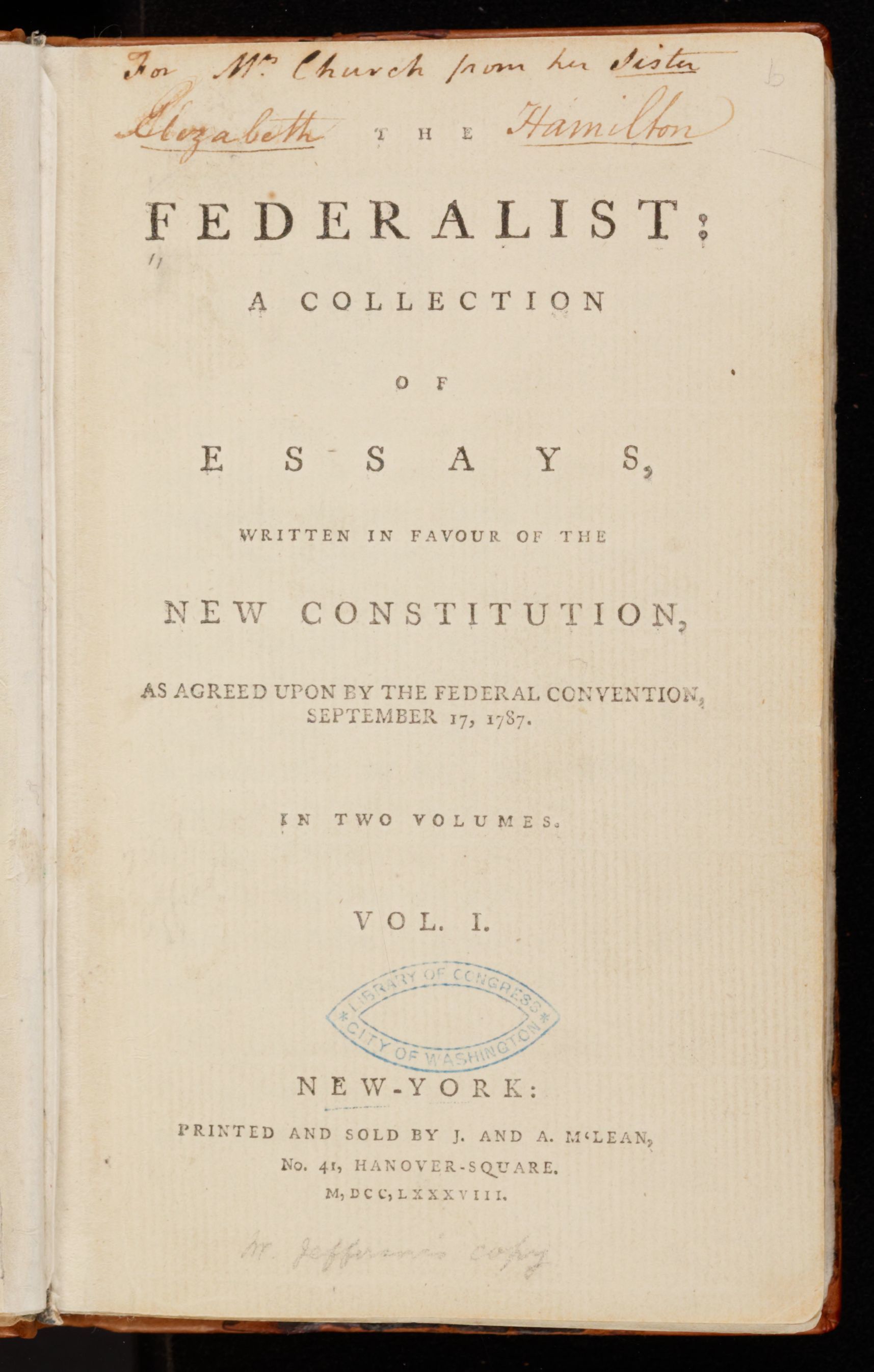
The Federalist Papers have had a profound influence on constitutional interpretation in the United States. They serve as primary sources for understanding the original intent behind the Constitution's various provisions. Scholars often refer back to these papers when grappling with complex constitutional questions or disagreements over amendments [5].
The Importance of The Federalist Papers Today
Despite being written over two centuries ago, The Federalist Papers remain a vital source of insight into American governance and politics. These essays continue to inform legal scholars, historians, and politicians about the original intentions behind key aspects of the Constitution [6].
Key Figures & Contributions
- Alexander Hamilton: Widely regarded as the primary architect behind the Federalist Papers, Hamilton emphasized the need for a strong central government in his contributions.
- James Madison: The "Father of the Constitution," Madison wrote extensively on the importance of the new framework and how it addressed the shortcomings of the Articles of Confederation.
- John Jay: Although he contributed fewer essays than his co-authors, Jay played a crucial role in addressing concerns related to foreign policy and national security.
Current State & Recent Developments
In recent years, scholars have revisited The Federalist Papers to better understand their influence on contemporary legal debates. Modern interpretations of these essays are essential for understanding the current state of American politics, particularly concerning issues like federalism and individual rights [7].
Key Takeaways
- The Federalist Papers were instrumental in securing ratification of the U.S. Constitution.
- Authored by Alexander Hamilton, James Madison, and John Jay under the pseudonym Publius, these essays continue to influence constitutional interpretation today.
- Thematic organization highlights the importance of a strong central government and addresses the shortcomings of the Articles of Confederation.
- The enduring significance of The Federalist Papers lies in their ability to provide insight into the original intent behind key constitutional provisions.
References:
[1] Publius Part II: The Federalists & Publius | The Salvatori Center. The Salvatori Center. https://salvatoricenter.org/publius-part-ii-the-federalists-and-publius/
[2] Historical context of the Federalist Papers, authorship and pseudonym Publius of the Federalist Papers, organization of Federalist Papers by theme, influence on constitutional interpretation of Federalist Papers, Federalist Papers as source for original intent of U.S. Constitution. SearXNG Search Results.
Data Overview