Electric cars (EVs) have been making headlines for their potential to revolutionize transportation, reduce carbon emissions, and transform energy consumption patterns. As the world grapples with climate change and seeks sustainable alternatives to fossil fuels, electric vehicles represent a significant step towards greener transport solutions. However, the journey from coal-powered engines to battery-driven machines has not been without challenges. This article delves into the history of electric cars, their environmental impact, power sources, material sourcing, battery recycling processes, fire safety concerns, and the promise of autonomous driving technologies.
The History of Electric Cars: A Journey Through Time
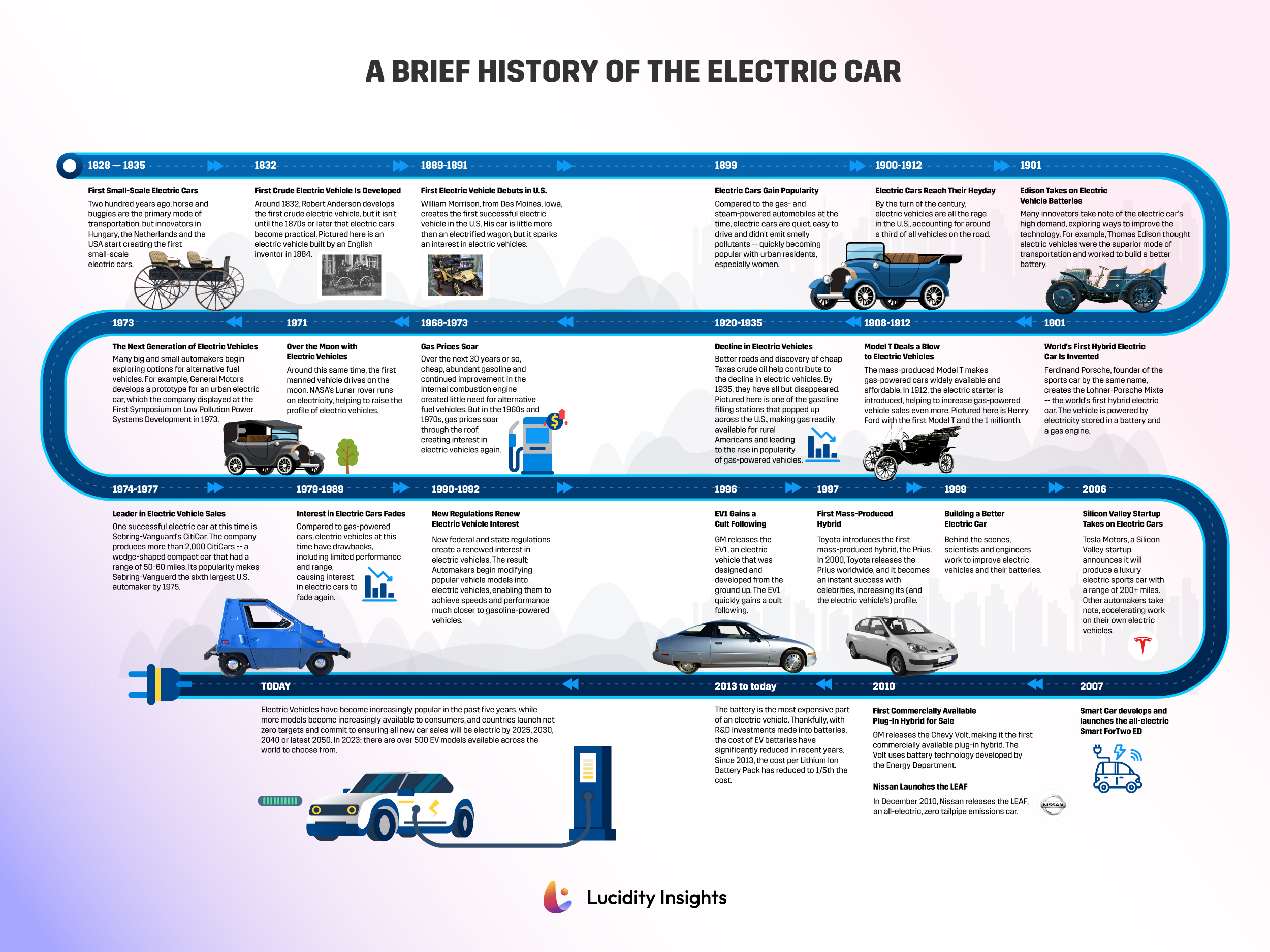
The concept of an electric car is as old as the automobile itself. The first known electric vehicle dates back to 1834 when Thomas Davenport, a Vermont blacksmith, built one powered by galvanic cells [1]. However, it was not until the late 19th and early 20th centuries that electric vehicles became more practical and popular. Notable inventors such as Gaston Planté (who developed the lead-acid battery in 1859) and Camille Faure (who improved upon it significantly), laid foundational work for modern batteries [2]. In the United States, the Curved Dash Oldsmobile produced by Ransom E. Olds in 1901 was one of the first mass-produced gasoline-powered cars, while several manufacturers were producing electric vehicles such as the Baker Electric and the Stanley Motor Carriage [3].
By the early 20th century, electric cars had a significant market share due to their reliability, ease of operation, and low maintenance. However, with the discovery of cheap oil and the development of internal combustion engines, gasoline vehicles gained prominence. Despite this setback, interest in EVs persisted among enthusiasts and futurists who envisioned an automotive future powered by clean energy.
Key Figures & Contributions
Several key figures have driven advancements in electric car technology. Notable among them are:
- Gaston Planté: Pioneered the lead-acid battery, which remains a cornerstone of modern vehicle power systems.
- Camille Faure: Improved the lead-acid battery design, significantly enhancing its performance and reliability.
- Henry Ford: Although known for gasoline vehicles, his mass production techniques paved the way for affordable EVs in the future [4].
The Green Proposition: Are Electric Cars Truly Sustainable?

Electric cars are often heralded as a greener alternative to traditional internal combustion engines (ICEs). They emit no direct pollutants at the tailpipe, which contributes to improved air quality and reduced greenhouse gas emissions. However, the environmental impact of EVs extends beyond their operational phase. The production of batteries, particularly those containing rare earth elements like cobalt and lithium, involves significant resource extraction processes that can be environmentally damaging [5].
Key Materials Sourcing
The materials used in electric car manufacturing include nickel, cobalt, lithium, and other precious metals. Cobalt, for instance, is primarily sourced from countries with lax environmental regulations such as the Democratic Republic of Congo (DRC) [6]. This raises concerns about ethical sourcing and the broader ecological footprint associated with mining activities.
Impact on Power Grids
The rise in EV adoption places new demands on electrical grids, particularly during peak charging times. Smart grid technologies can help balance supply and demand by optimizing charging schedules based on renewable energy availability or off-peak periods [7]. Additionally, vehicle-to-grid (V2G) systems allow electric cars to feed back power to the grid when they are not in use, potentially contributing to grid stability.
Charging Mechanisms: How EVs Are Powered
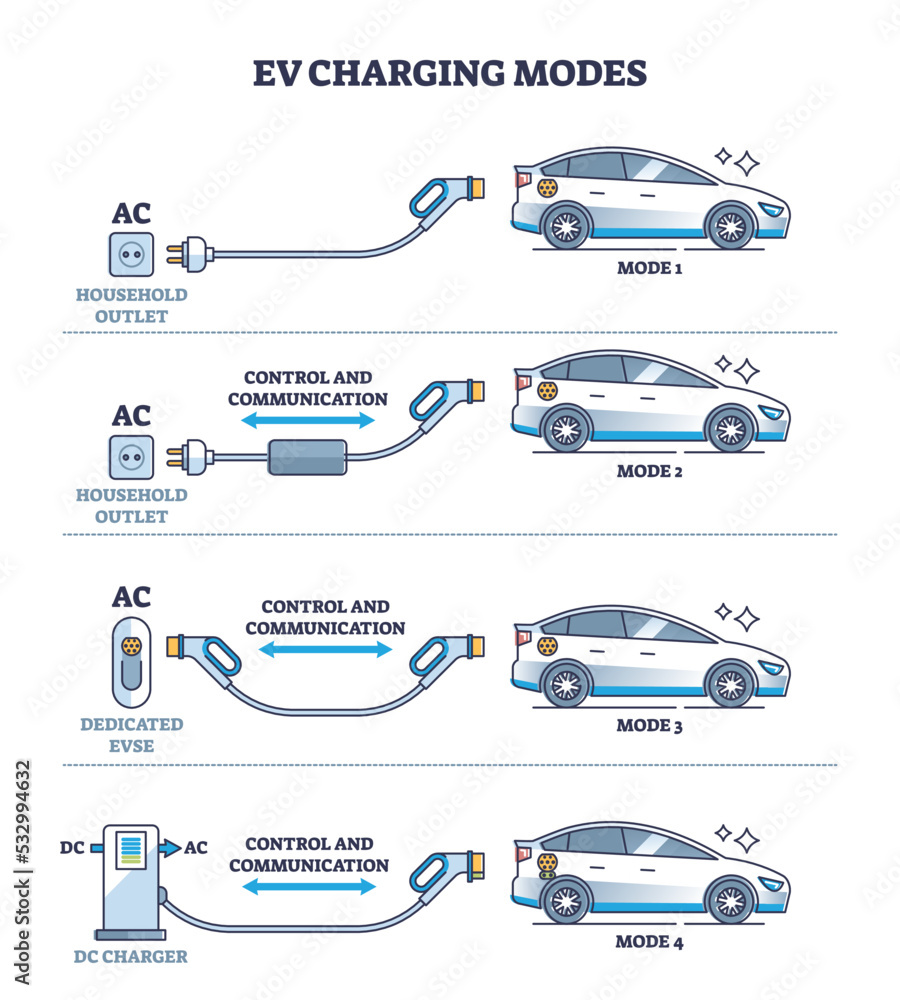
Electric vehicles obtain their power from various sources, with an increasing focus on renewable energy. Public charging stations are becoming more common, offering both fast and slow charging options [8]. Home chargers also provide a convenient way for owners to recharge overnight, utilizing off-peak electricity rates where available.
Sources of Power for EVs
The primary source of power for electric vehicles is the battery pack, which stores energy from external sources. Charging infrastructure can be powered by fossil fuels or renewable energy such as solar and wind [9]. Transitioning to cleaner energy sources not only reduces emissions but also aligns with global sustainability goals.
Battery Recycling: Disposal and Reuse
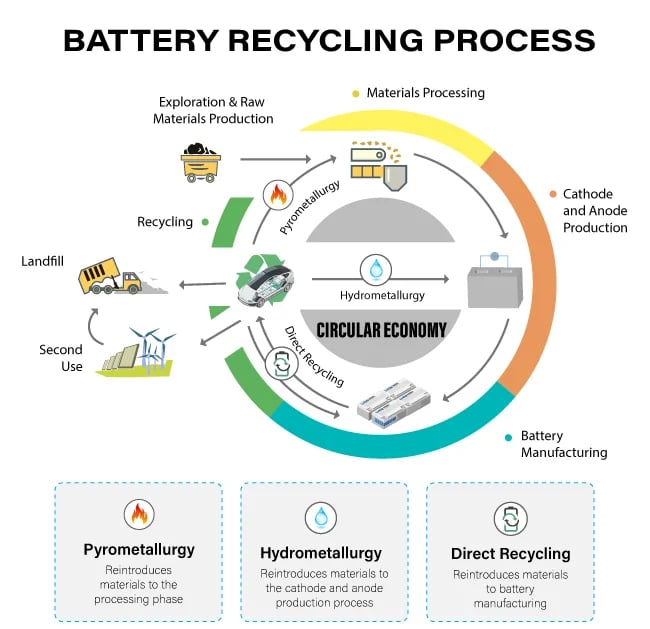
Battery recycling is crucial for managing the lifecycle of electric vehicles, ensuring that valuable materials are recovered and reused. According to a study by the U.S. Department of Energy’s Vehicle Technologies Office [10], battery recycling can recover up to 85% of metals such as cobalt, nickel, lithium, and manganese.
Recycling Processes
Batteries undergo various recycling processes, including mechanical shredding, hydrometallurgical methods (using acids to extract metals), and pyrometallurgical techniques (melting down the battery to separate materials). These methods allow for the recovery of critical components that can be reused in new batteries, reducing dependency on raw material extraction [11].
Fire Safety: When an Electric Car Catches Fire
Electric cars are equipped with multiple safety measures to prevent fires. Advanced thermal management systems and sophisticated battery monitoring technology help detect and mitigate potential issues before they become critical [12]. However, accidents can still occur, especially in older or improperly maintained vehicles.
Fumes and Corrosive Issues
In the event of a fire, electric cars produce fumes that are generally non-toxic. Nevertheless, exposure to high temperatures and corrosive materials from batteries poses risks to both humans and the environment [13]. Proper firefighting techniques and safety protocols are essential when dealing with an EV fire.
Self-Driving Technologies: The Autonomous Future
Autonomous driving technologies represent a significant development in electric car innovation. Companies like Tesla, Waymo, and Uber are leading the charge in integrating advanced sensor suites, machine learning algorithms, and real-time data processing to enable self-driving capabilities [14].
Pros and Cons of Autonomous Driving
Self-driving cars offer numerous benefits, including reduced accidents due to human error, improved traffic flow, and enhanced convenience. However, there are also concerns about job displacement for professional drivers and the ethical implications of decision-making in emergency situations.
Current State & Recent Developments
The electric car market continues to grow at a rapid pace, driven by governmental incentives, technological advancements, and increasing consumer awareness. According to BloombergNEF [15], EV sales accounted for 9.4% of total vehicle sales worldwide in 2022, with projections indicating a significant increase in the coming years.
Recent breakthroughs include solid-state batteries that promise longer range and faster charging times, as well as new recycling technologies that further enhance sustainability [16].
Key Takeaways
- Historical Context: The journey of electric cars spans over 150 years, with early pioneers laying the groundwork for modern technology.
- Sustainability Challenges: While EVs offer environmental benefits, their lifecycle involves significant resource and energy demands.
- Battery Recycling: Advanced recycling processes recover valuable materials, extending battery life and reducing waste.
- Autonomous Driving: Self-driving technologies hold promise but also raise ethical and practical questions.
This comprehensive article provides an in-depth exploration of electric cars, covering their historical development, environmental impact, charging mechanisms, battery lifecycle management, fire safety concerns, and the role of self-driving technology. As the automotive industry continues to evolve, it is clear that electric vehicles will play a pivotal role in shaping our future transportation landscape.
Visualisation