The Dallas ICE Sniper Attack: Who, Why, and What It Means
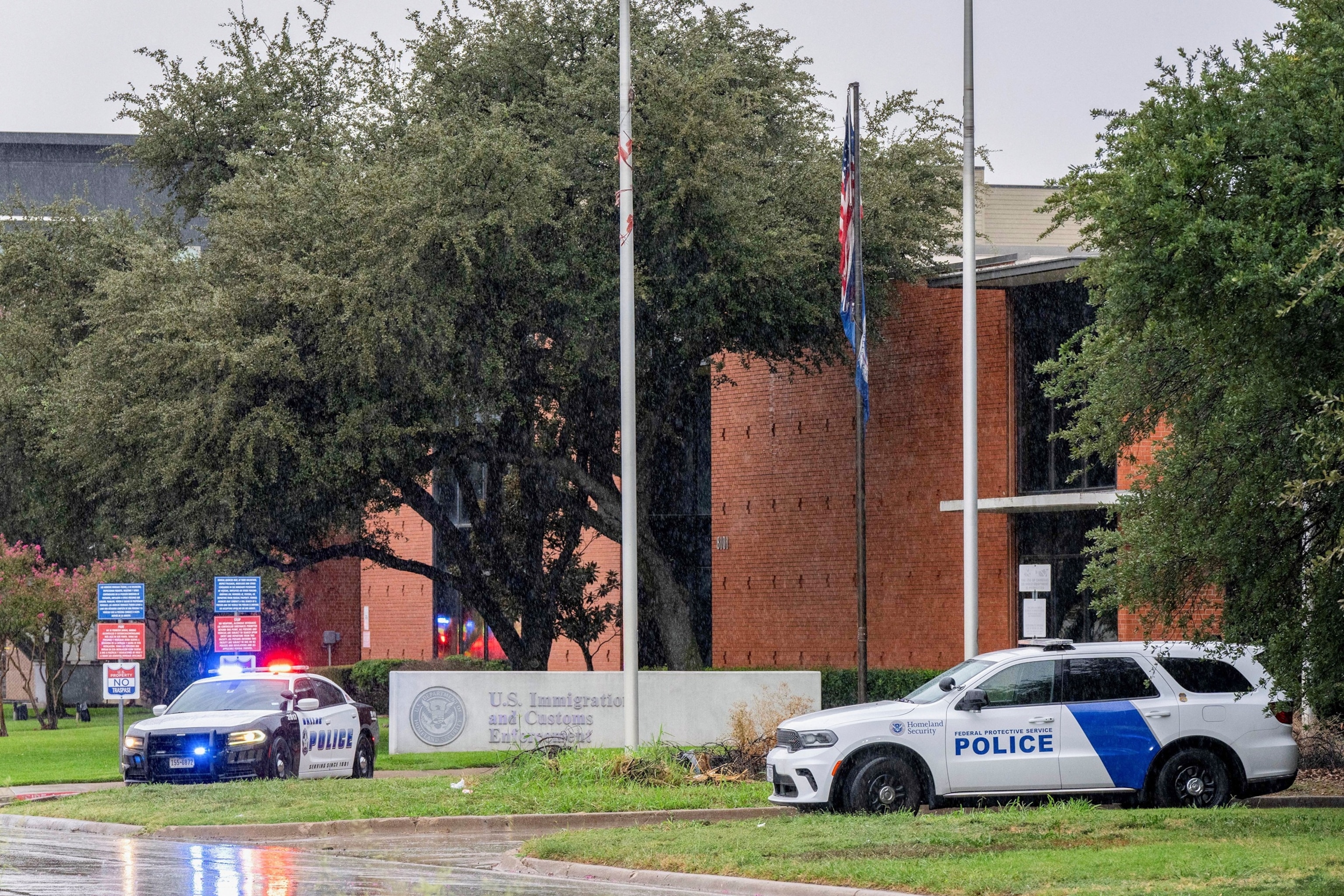
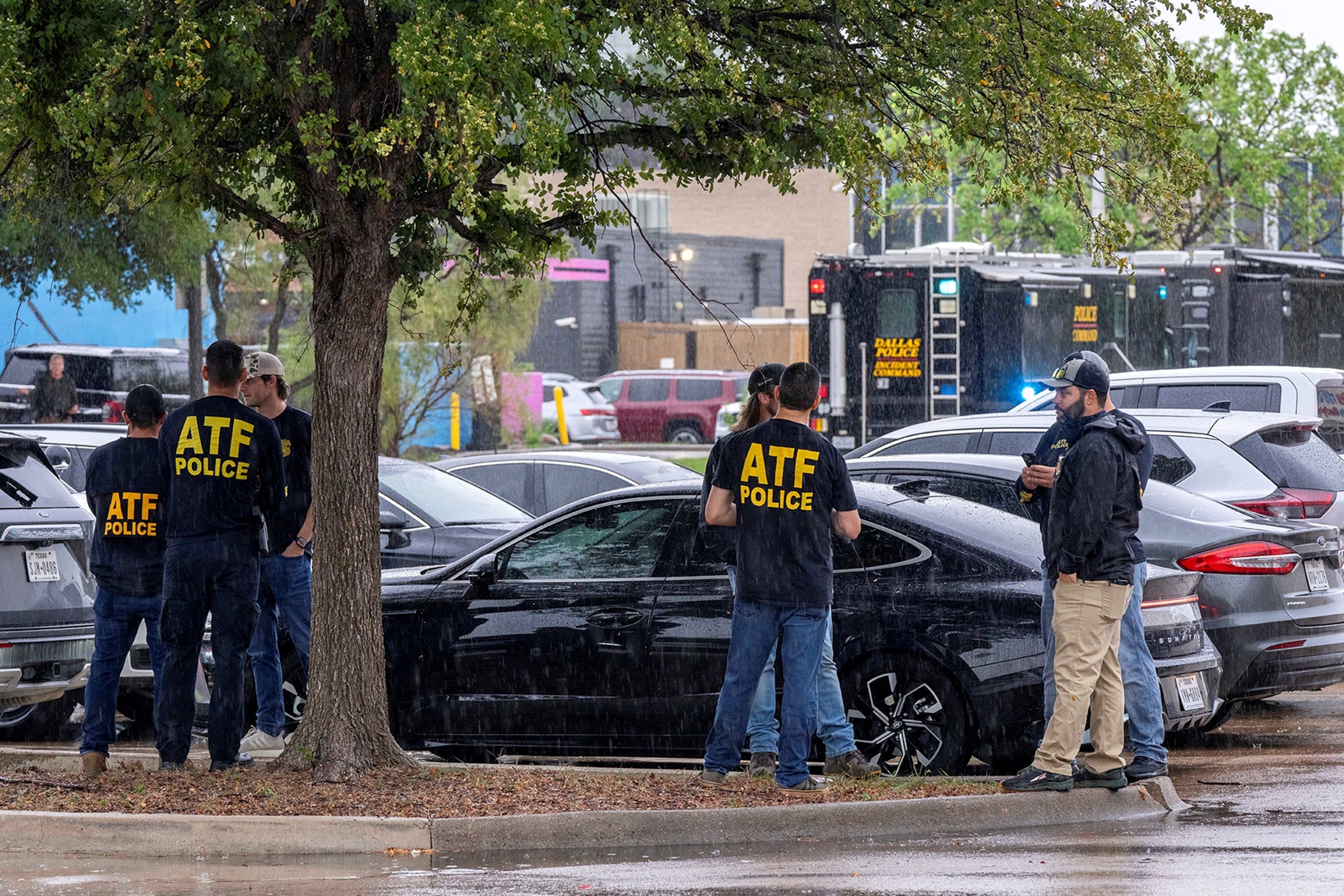
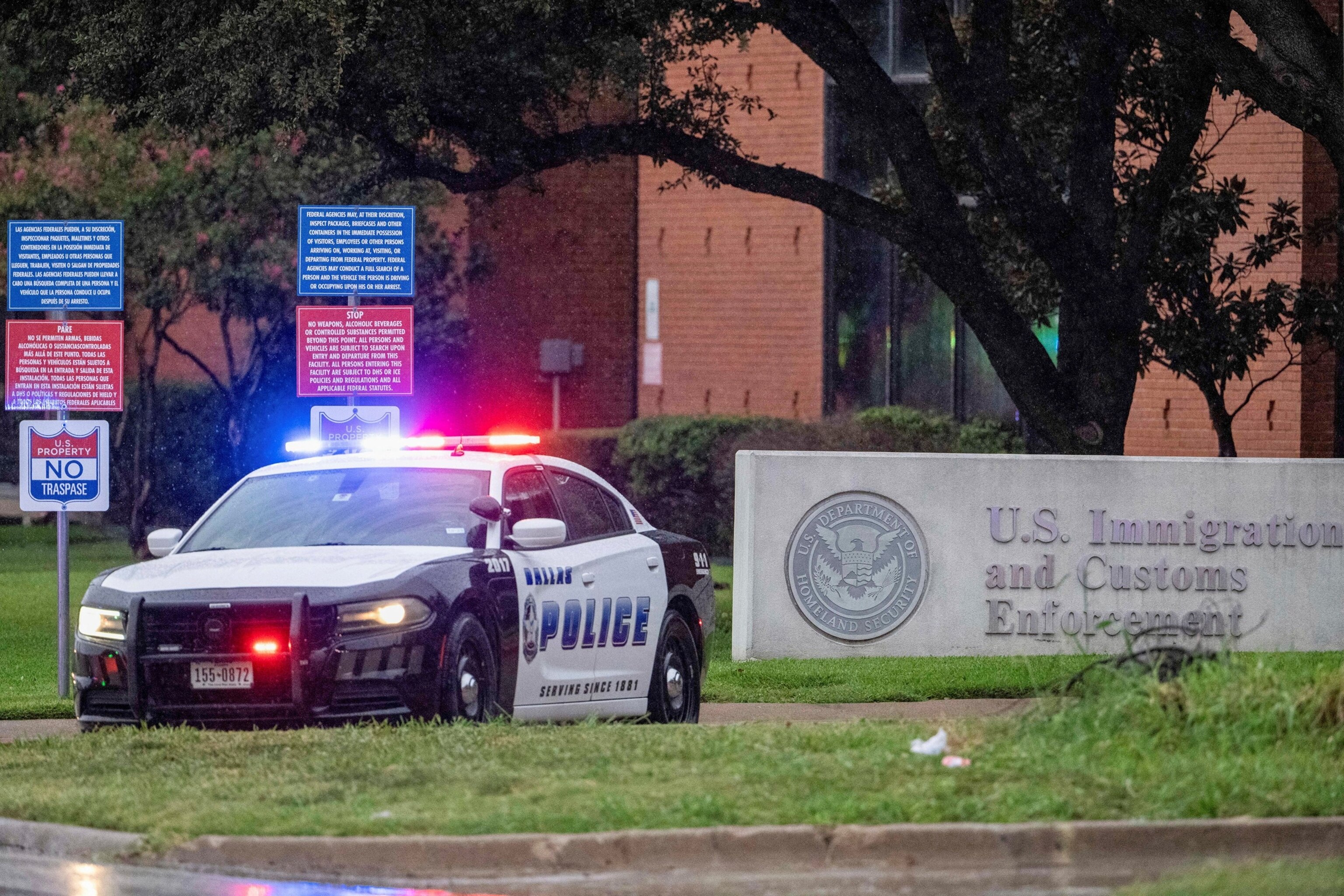
On the morning of September 24, 2025, a man climbed onto the roof of a commercial building on West Mockingbird Lane in Dallas, Texas, positioned himself with a bolt-action rifle, and opened fire on the sally port of the Immigration and Customs Enforcement field office across the parking lot. He fired seventeen rounds. He killed two detainees inside a transport van. He wounded a third. He then turned the rifle on himself.
Ten months later, the attack still sets the reference point for a category of violence that has grown steadily since the summer of 2025 — planned, targeted assaults on federal immigration officers and the facilities where they work. This article covers what is known about the shooter, what he said his motive was, how the case fits into a wider pattern of incidents, and the moral question at the center of it. The moral question is not complicated. A large number of people, on all sides of the immigration debate, appear determined to complicate it anyway.
The Shooter: Joshua Jahn, 29, of Fairview, Texas
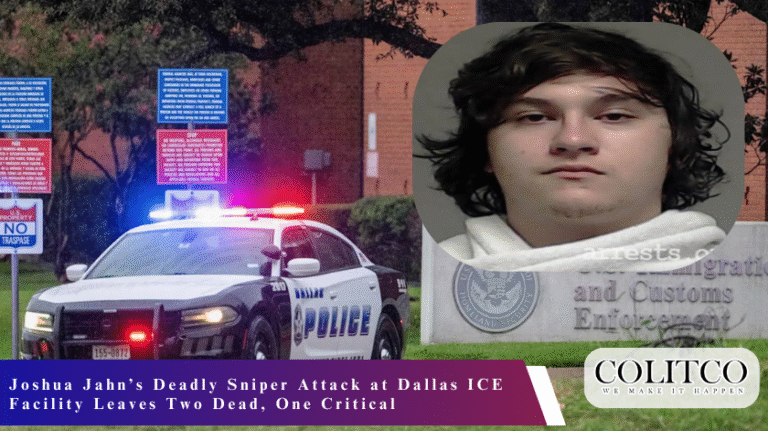
The sniper was identified within hours as Joshua Jahn, a twenty-nine-year-old U.S. citizen from Fairview, Texas, a suburb about thirty miles north of the ICE field office he attacked. Jahn had no prior criminal record. He had no known affiliation with an organized militant group. Interviewed after the shooting, his parents described him as "completely normal" up until a period of time he had recently spent in the state of Washington, after which they said his demeanor changed. He returned to Texas quieter, more withdrawn, and — as it would turn out — planning something.
Investigators recovered his personal belongings and a set of handwritten notes at the scene and at his residence. The notes describe a man who had spent months methodically preparing a single act. He purchased an eight-millimeter bolt-action rifle, an unusual choice for a shooter of his generation and one investigators believe he selected specifically because he expected the rifle would be traceable and wanted it to be. He studied ballistics. He walked the site. He researched the September 10, 2025 assassination of conservative commentator Charlie Kirk in Utah and took notes on what had and had not worked in that attack. When the FBI later described the state of his preparation, it used the phrase "a high degree of pre-attack planning." The plainer word is that he was careful.
The Attack: Seventeen Rounds, Under a Minute
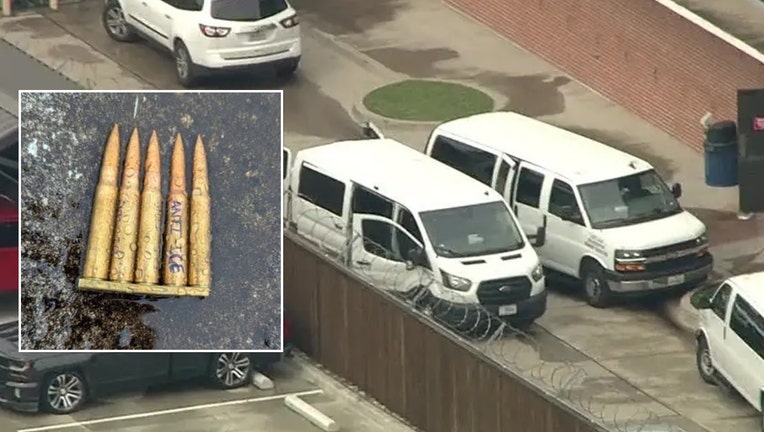
The layout of the Dallas ICE field office was, for a determined attacker, an exploitable one. The building sits along a busy commercial corridor, and its sally port — the secured area where transport vans move detainees in and out — is visible from higher buildings across the parking lot. Jahn set up on the roof of one of those buildings before the office opened for the day. When the first transport van arrived, he began to fire.
The rounds struck the van and the concrete around it. Two men inside the van were killed. A third was hit and critically wounded. Neither of the ICE officers on the scene was struck, though several of the recovered rifle rounds bore markings — the letters ANTI-ICE scratched into the brass — that made clear the officers were the intended target and the detainees were, in his phrasing, "acceptable collateral." Officers from the field office rushed to the van under fire, pulled the wounded man to cover, and applied a tourniquet. In the minutes that followed, as police units converged, Jahn placed the rifle to his own head and fired.
The Notes: A Motive in His Own Words
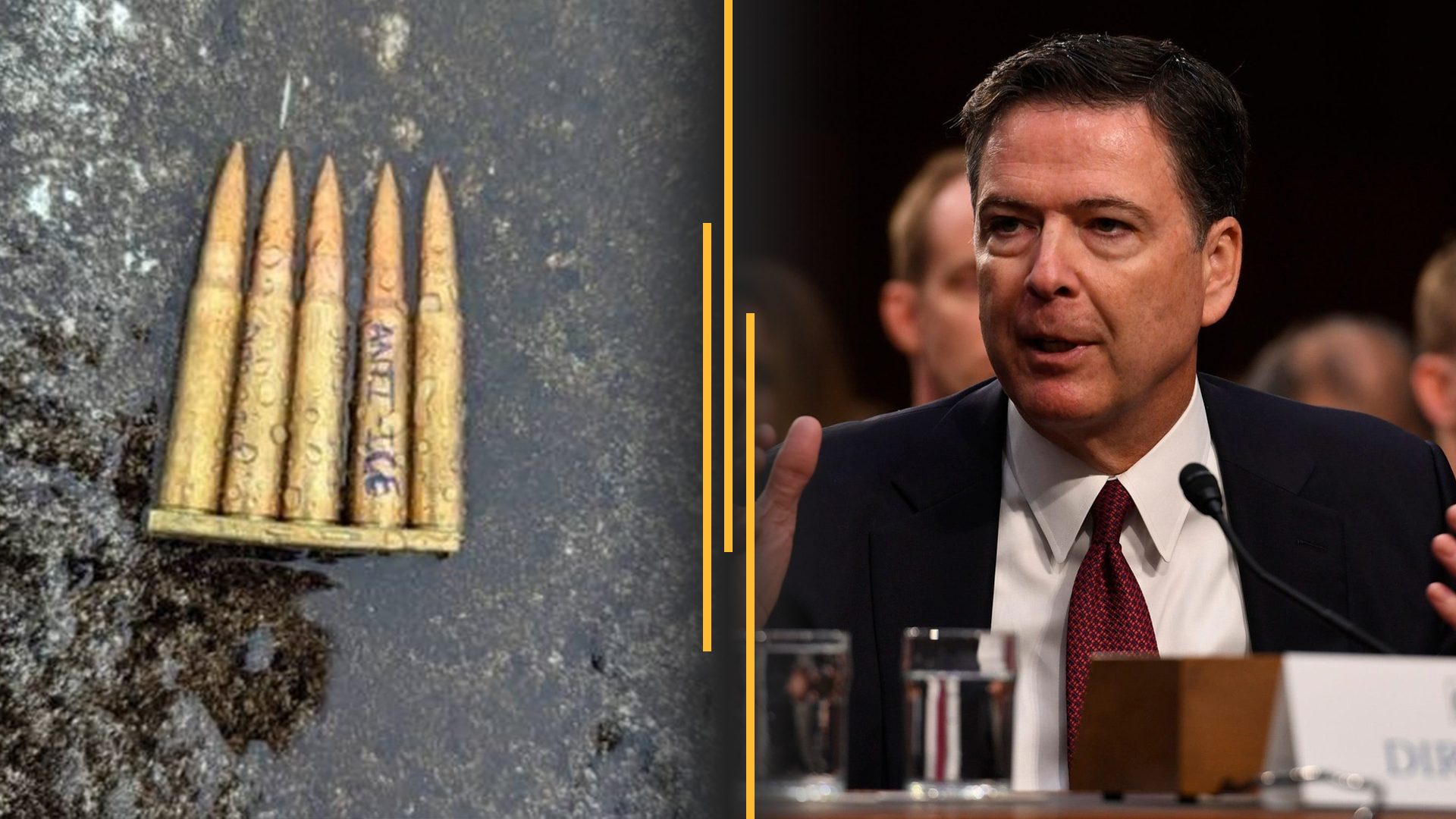
Investigators recovered a set of handwritten pages that laid out, in Jahn's own language, what he thought he was doing. The relevant excerpts have since been reported publicly by the Department of Justice, the FBI, and multiple news outlets, and they do not require interpretation.
He wanted, in his phrase, to "maximize lethality against ICE personnel and maximize property damage at the facility." He wrote, "Hopefully this will give ICE agents real terror, to think, is there a sniper with AP rounds on that roof?" He referred to federal officers as "people showing up to collect a dirty paycheck." He wrote of his intention to "minimize collateral damage," although the two men killed were detainees, not officers — the plan and the execution diverged on that point, as they often do.
One note ended with a line that authorities have quoted more than any other. Asked, in the note's own framing, whether he had accomplices, Jahn wrote: "yes, it was just me and my brain." He was, by every available measure, a single actor with a self-generated grievance and no organization behind him.
A Pattern, Not an Incident
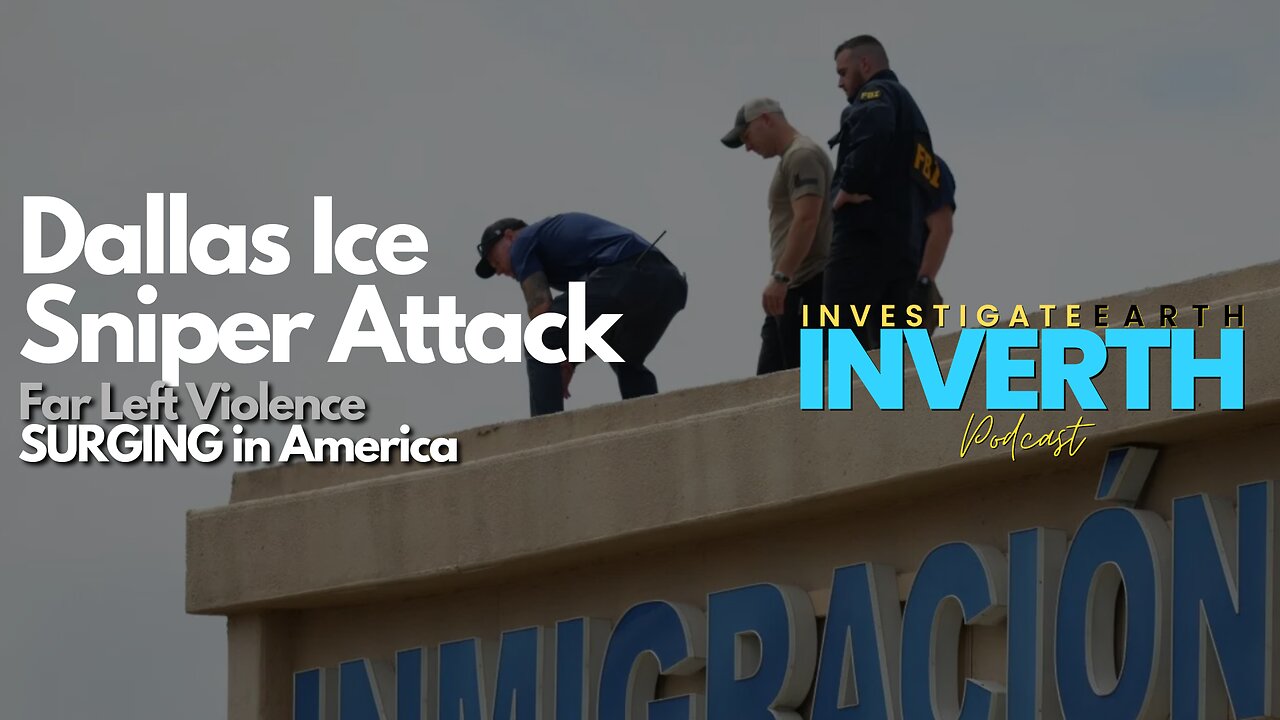
The Dallas attack did not appear from nothing. It arrived at the tail end of a summer in which federal immigration officers and the facilities they operate had already been targeted in ways that federal prosecutors have since charged as terrorism.
On July 4, 2025 — nearly three months earlier — an organized group ambushed the Prairieland ICE detention center in Alvarado, Texas, roughly forty miles south of Dallas. The attackers set off fireworks to draw officers into the open, opened fire with rifles as an officer approached, and struck an Alvarado police officer in the neck. Body-camera video captured the shouted command "get to the rifles!" seconds before the shooting began. A federal jury in Fort Worth convicted nine members of what prosecutors described as a "North Texas Antifa Cell" in March 2026, on charges that included attempted murder of a police officer, providing material support to terrorists, and use of weapons and explosives in a violent crime. Seven additional defendants had already pled guilty in connection with the same conspiracy.
The suspects in the Prairieland case — Cameron Arnold, Zachary Evetts, Benjamin Song, Savanna Batten, Bradford Morris, Maricela Rueda, Elizabeth Soto, Ines Soto, and Daniel Sanchez-Estrada — were an organized cell. Jahn, by contrast, appears to have been a lone actor. What links them is not organizational, it is ideological: both understood federal immigration enforcement as a legitimate target for lethal violence, and both acted accordingly. Between the two events, security analysts began openly using the phrase "sniper-type incidents" to describe a small but escalating category of attacks in which shooters engage federal officers from concealed elevated positions, usually with rifles, usually without warning.
The Officers Who Ran Toward the Fire
In June 2026 — nine months after the Dallas attack — the Department of Homeland Security convened a ceremony at which Secretary Mullin awarded the Secretary's Medal for Valor to three men who had been at the Dallas field office that morning: Enforcement Removal Assistant Christopher Pyne, Deportation Officer Marco Solis, and Deportation Officer Andres Goche. All three had exited the building under active sniper fire to pull the wounded detainee to safety and to render medical aid until paramedics could reach the scene. In interviews after the ceremony, they described the decision to move as instinctive. One said the training tells you not to run into fire; the moment tells you the man in the van will die if you do not.
Their names are worth writing down because the people whose lives federal officers save are often the same people the shooters claim to be defending. The two men killed in the Dallas attack were detainees in ICE custody — the population Jahn's notes said he cared about. The man Pyne, Solis, and Goche saved was another detainee. Whatever theory of moral good was operating in the shooter's mind, the arithmetic on the ground came out the opposite.
The Argument People Are Having
Every incident of this kind produces a familiar set of responses. On one side, the attack is framed as the predictable end-state of federal immigration enforcement itself — the argument runs that ICE's mission is inherently violent, that its officers have chosen a role in that violence, and that resistance to it, up to and including armed resistance, is a legitimate reaction to state overreach. On the other side, the attack is framed as the predictable end-state of years of rhetorical dehumanization of federal officers — the argument runs that when a political culture repeatedly calls a group of law-enforcement personnel fascists, jackboots, or worse, some small number of people will eventually take that framing to its logical conclusion and start shooting.
Both arguments have partial truth in them and both are used to avoid the simpler observation at the center. The simpler observation is this: whatever a person believes about American immigration policy, federal law enforcement officers are employees of the government carrying out duties assigned to them by statute and by elected officials. Disagreeing with the policy is legitimate. Voting against the policy is legitimate. Organizing against the policy is legitimate. Suing over the policy is legitimate. Climbing onto a roof with a rifle to shoot the people executing the policy is not any of those things. It is a felony, and in the recent cases it has also been a homicide.
What Cannot Be Dismissed
The polarization around ICE is real, and it is not going to resolve itself in the near term. Anyone paying attention can predict how each side will respond to the next incident before the smoke clears, and that predictability is itself a symptom of how badly the argument has calcified. But the polarization does not change the underlying fact of the events themselves, and it should not be permitted to.
An ICE officer arriving for work at 8:00 a.m. on a Wednesday morning has not committed a crime. He may work for an agency whose mission a person considers wrong; he may be a personally decent man; he may be a personally difficult man; none of that is relevant to whether he is legally entitled to arrive at his job without being shot at. Similarly, a detainee inside a transport van has not committed a crime that warrants his execution by a stranger with a rifle. The two categories of people the Dallas attack killed and wounded were people the shooter had no legal right to harm, and no argument about federal policy retroactively creates that right for him.
This is what "rule of law" is supposed to mean at ground level, and it is what has been abandoned when a person on either side of an argument decides that the argument entitles him to kill someone. The Alvarado defendants believed it. Joshua Jahn believed it. In both cases the belief was mistaken and, in a jury's judgment or in the shooter's own hand, the belief was also lethal.
The country will keep arguing about immigration. That is fine. It is how the country is designed to work. But the argument about whether it is acceptable to shoot at federal officers doing their assigned job is not an open one, and pretending it is only widens the space in which the next Joshua Jahn is preparing his rifle, taking his notes, and telling himself that this time the reasoning will hold up.
It will not.