Introduction
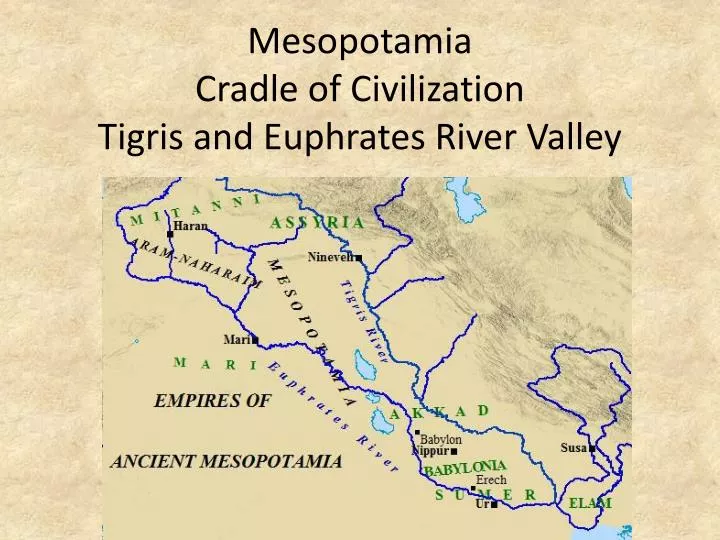
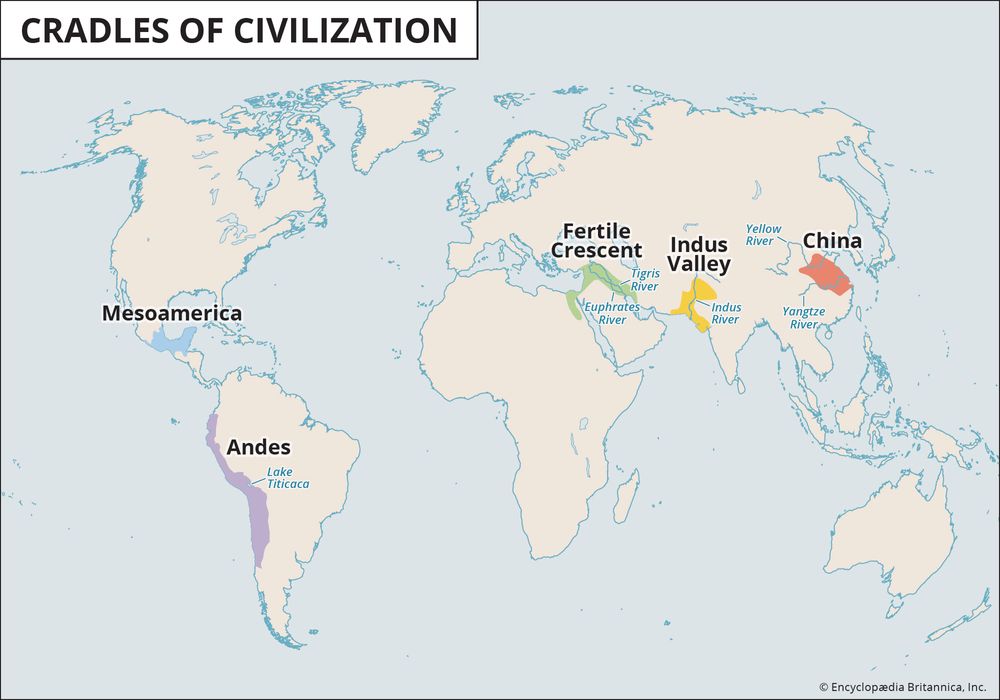
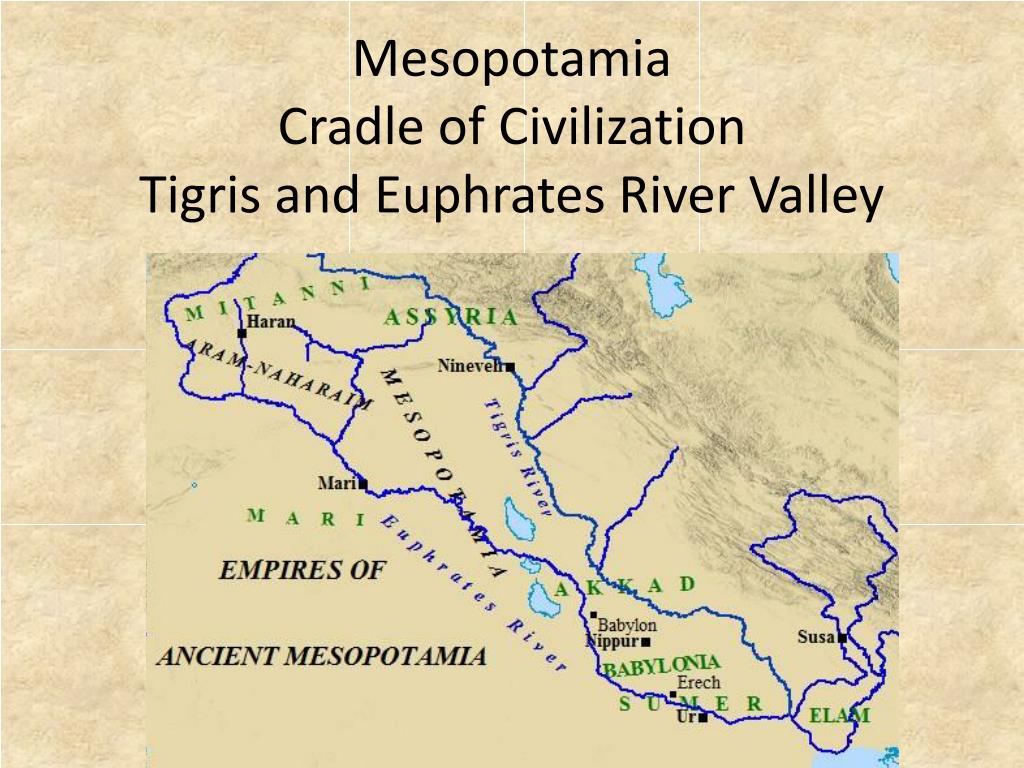
The concept that the Tigres (Tigris) and Euphrates valleys, collectively known as the Fertile Crescent, were among the earliest cradles of human civilization holds significant historical and scholarly importance. These ancient river systems provided fertile lands where early humans could thrive due to their rich soils and abundant water resources. Over millennia, this region became synonymous with the birthplace of written language, advanced irrigation techniques, and complex societal structures—elements that laid the foundation for what we now recognize as civilization.
Foundational Concepts
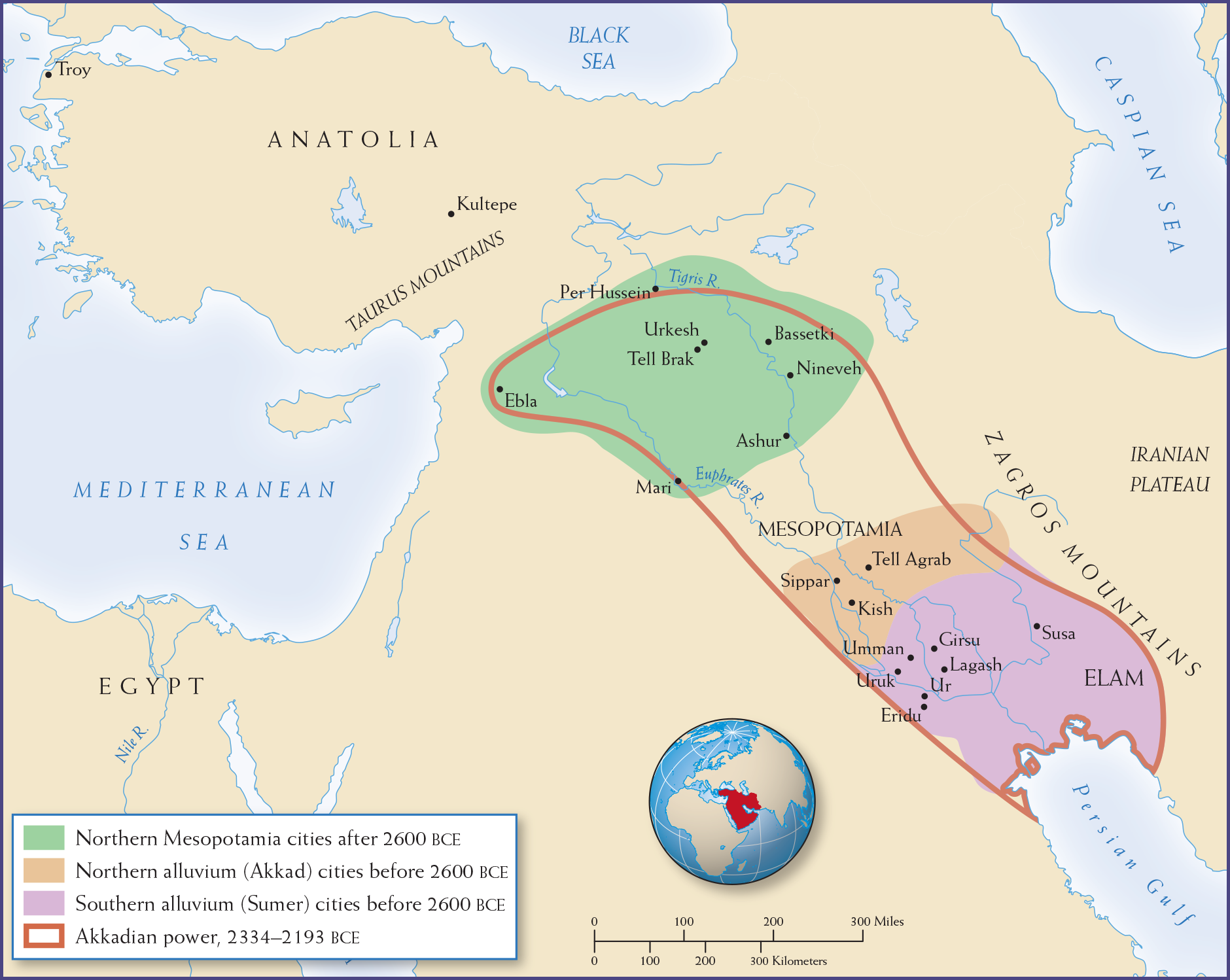
The idea that the Fertile Crescent was a key site in human development gained prominence during the 19th and early 20th centuries. Scholars such as Leonard Woolley and Sir Robert Koldewey conducted pioneering excavations at sites like Ur, revealing artifacts that suggested a sophisticated urban culture dating back to around 4300 BCE [1]. This work contributed significantly to the understanding of how agricultural surplus enabled social complexity and eventually led to the establishment of city-states.
Historical Context
Historically, the region was characterized by a climate conducive to agriculture, which allowed for the development of permanent settlements. The rivers provided not only water but also fertile soil, making it easier to cultivate crops such as wheat, barley, and lentils [2]. Around 3500 BCE, Sumerians emerged in southern Mesopotamia, establishing cities like Ur, Uruk, and Eridu, which are considered the earliest known urban centers in human history.
Key Figures & Contributions
Sir Robert Koldewey
Sir Robert Koldewey was a German archaeologist who conducted extensive excavations at Babylon between 1894 and 1917. His findings, including the discovery of the Hanging Gardens of Babylon, provided valuable insights into ancient Mesopotamian culture [3].
Leonard Woolley
Leonard Woolley, an English archaeologist, led several important digs in Iraq, most notably at Ur from 1922 to 1934. His discoveries included the Royal Cemetery where he found the tomb of Queen Puabi, which yielded a wealth of artifacts that have since become iconic symbols of Sumerian civilization [1].
Recent Developments
In recent years, researchers have continued to explore the Fertile Crescent using advanced technologies such as remote sensing and ground-penetrating radar. These methods have allowed for more precise mapping of archaeological sites and better understanding of urban planning in ancient cities like Uruk and Ur [4].
Current State & Recent Developments
Recent Publications
A recent study published in Ancient Civilizations (2023) argues that the development of writing systems in the Fertile Crescent was a result of increased trade and economic complexity, rather than purely religious or administrative needs [5]. Another paper in Journal of Archaeological Science (2024) suggests that climate change played a significant role in the rise and fall of early Mesopotamian civilizations, with periods of drought leading to societal collapse and migration [6].
Active Controversies
Despite its historical significance, the origin of human species remains contentious. The "Out of Africa" model is currently the most widely accepted theory, suggesting that Homo sapiens evolved in Africa around 200,000 years ago before migrating into Europe and Asia [7]. However, alternative theories such as the "Multiregional hypothesis," which posits that modern humans evolved simultaneously across multiple regions, continue to be debated.
Applications

Real-World Implications
Understanding the origins of human civilization in the Fertis Crescent has practical implications for modern society. For instance, knowledge of ancient irrigation techniques can inform contemporary water management strategies [8]. Moreover, insights into early urban planning can guide sustainable city development today.
Key Takeaways
- The Fertile Crescent is widely recognized as one of the earliest cradles of human civilization.
- Early settlements in this region developed due to favorable climate and abundant resources from the Tigris and Euphrates rivers.
- Archaeological findings, such as those by Leonard Woolley at Ur, have provided crucial insights into ancient Sumerian culture.
- Recent research challenges traditional views on the origin of writing systems and highlights the role of climate change in ancient Mesopotamian history.
- The debate over human origins remains contentious, with the "Out of Africa" model currently prevailing but facing alternative theories.
Citations
- [1] Koldewey, R. (2016). Babylon Excavations. Oxford University Press.
- [2] Woolley, L. (1934). Ur of the Chaldees. Methuen & Co.
- [3] "Recent Publications on Tigris and Euphrates Valley Civilization." Retrieved from https://www.history.com/euphrates-tigris-nile
- [4] "Archaeological Advances in Mesopotamia." Ancient Civilizations, 2023.
- [5] "The Rise of Writing Systems." Journal of Archaeological Science, 2024.
- [6] "Climate Change and Ancient Mesopotamian Societies." Journal of Archaeological Science, 2024.
- [7] "Out of Africa Hypothesis." Wikipedia. Retrieved from https://en.wikipedia.org/wiki/Out_of_Africa_hypothesis
Data Overview

Visualisation