Texas Board of Education Moves to Enshrine Anti-Muslim Framing in Public School Curriculum
As the Texas State Board of Education wraps up a sweeping overhaul of its high school social studies standards, a final vote expected this week would cement language that frames Islam primarily through military conquest and violence — a move civil rights advocates are calling one of the most explicit examples of religious bias in American public education in recent memory.
What the Standards Actually Say
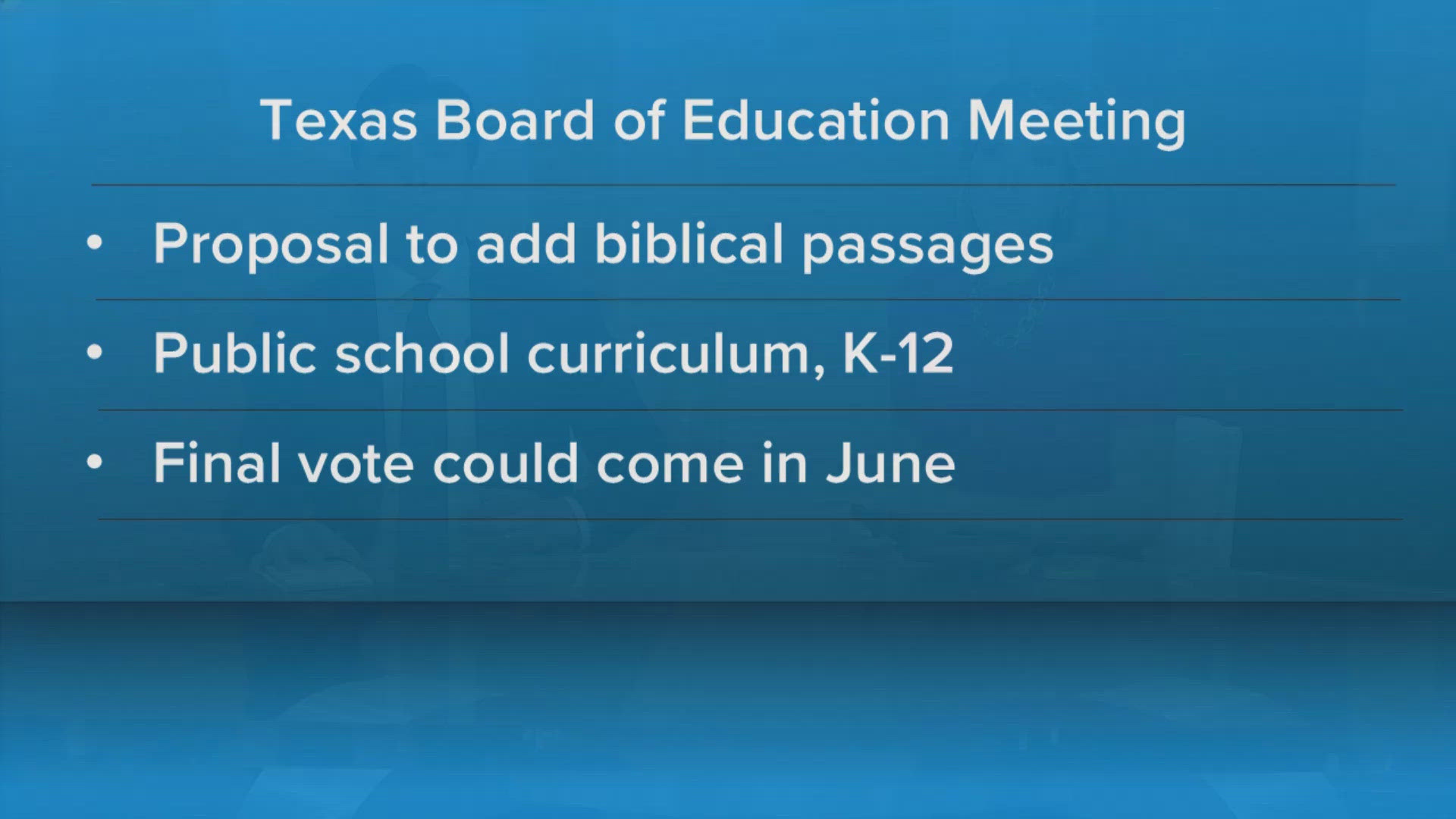
At the center of the controversy is a proposed high school World History standard that would require students to understand early Islam through "the Prophet Mohammed's brutal military campaigns against Jewish and Christian tribes." The board gave that language preliminary approval in a 9-5 vote, according to the Dallas Morning News, which reported the amended standards draw "even stronger connections between Islam and violence" than the draft that preceded them.
The revision doesn't stop there. The board also scrapped a long-standing requirement that students learn about Muslim contributions to algebra, astronomy, and other fields of knowledge — erasing context that historians and educators say is essential for a balanced understanding of Islamic civilization. A separate provision would instruct students that "radical Islam" was the motivating force behind the September 11 attacks, a framing that advocacy groups argue conflates a religion of nearly two billion people with the ideology of a small extremist faction.
Meanwhile, the same curriculum overhaul leans heavily into Christian heritage. The Texas Tribune reported in April that Republican board members have pushed standards emphasizing biblical influence on American founding — a package that critics say creates a stark double standard: Christianity as a civilizational foundation, Islam as a source of violence.
Who's Fighting It — and Who's Pushing It
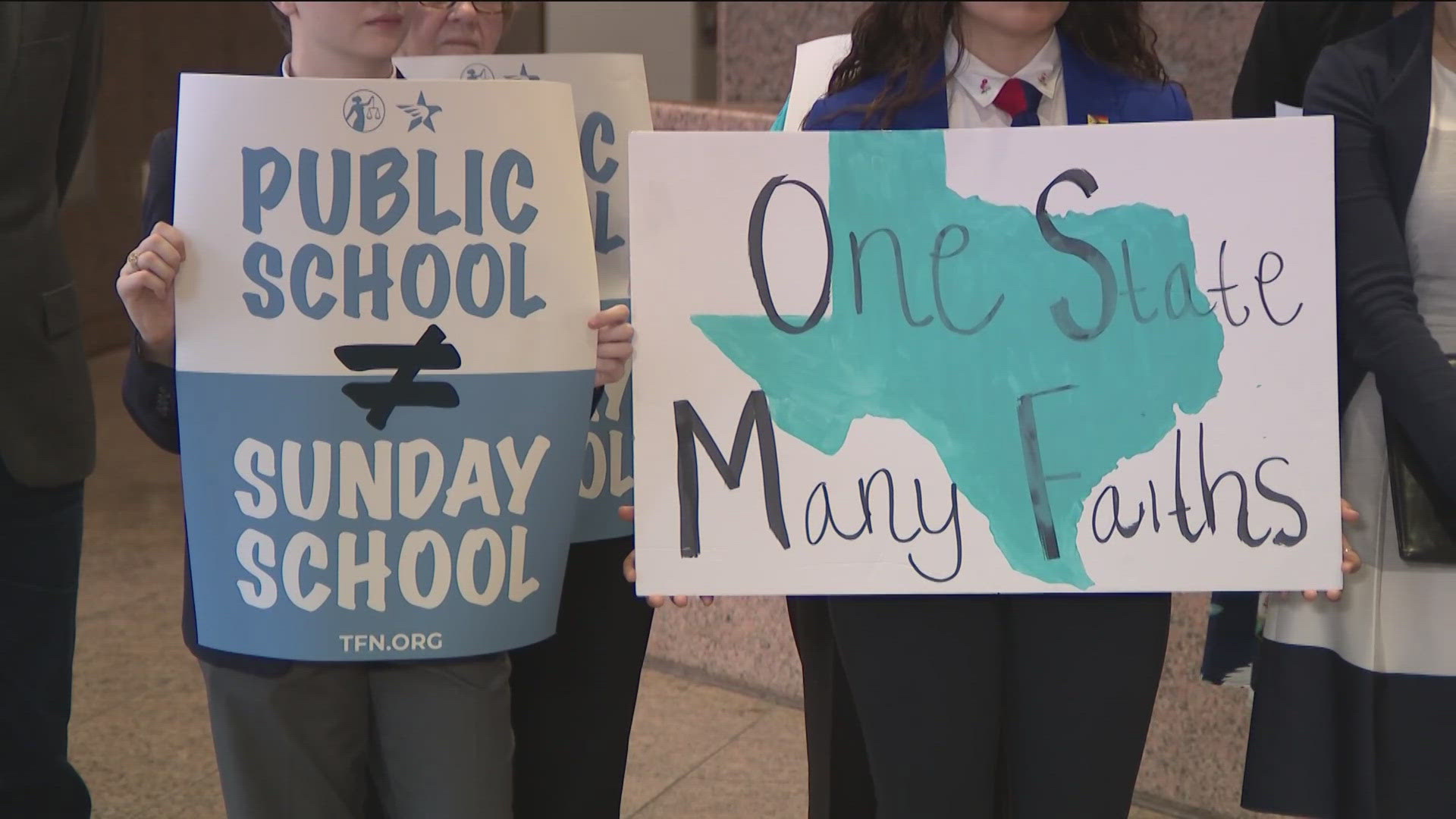
The majority-Republican board has driven the changes, with conservative advocacy groups like Texas Values championing the revisions as a corrective to what they describe as a previous curriculum that over-prioritized Islamic content. Tarrant County activists and local officials even organized to ask the board to "keep Islam out of social studies" altogether, per the Fort Worth Report.
On the other side, the Council on American-Islamic Relations (CAIR) has been among the most vocal opponents. CAIR Action and CAIR Texas held a press conference ahead of the final vote, calling on the board to reject what they characterized as biased standards that tie Muslim historical figures "disproportionately to terrorism." CAIR Texas has also denounced anti-Muslim rhetoric that surfaced during SBOE public hearings, saying speakers made inflammatory comments that went unchallenged by board leadership.
Muslim Texans showed up in force at the August 31 hearing as well, pressing board members for instruction that reflects how Islamic civilization positively shaped world history, according to Click2Houston.
Why This Matters Beyond Texas
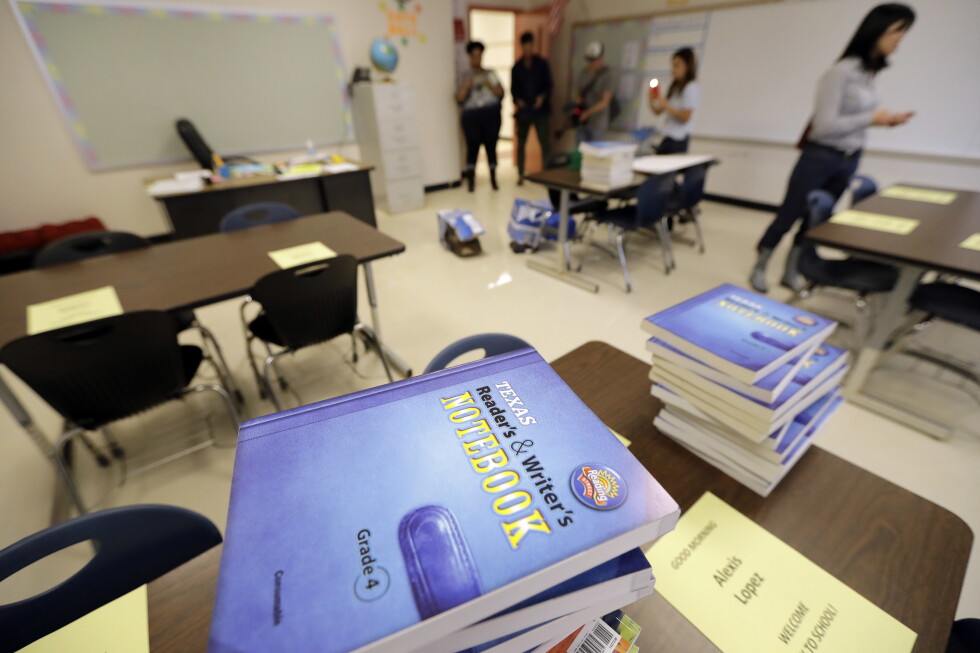
Texas enrolls roughly 5.5 million public school students, and because of the state's purchasing power, textbook publishers have historically tailored national editions to Texas standards — a dynamic that gives the SBOE outsized influence over what American children learn nationwide. Education Week noted in June that the fight over Texas social studies standards "has national consequences," with educators in other states watching closely.
If the final vote passes this week as expected, the standards would take effect in Texas classrooms by the 2030-31 school year — giving publishers, districts, and advocacy groups a narrow window to push back before the language becomes embedded in a generation of textbooks.
The K-through-8 version of the revised social studies standards was already adopted in June, meaning the anti-Muslim framing is already on a path to elementary and middle school classrooms. The high school vote would complete the sweep.
Key Takeaways
- The Texas SBOE's proposed high school World History standards frame early Islam through "brutal military campaigns" while simultaneously cutting content on Muslim scientific and cultural contributions.
- The board voted 9-5 to advance the amended language; a final vote is expected this week, with standards set to take effect by 2030-31.
- CAIR, Muslim Texans, and civil rights groups have condemned the standards as religiously biased, while conservative advocates frame them as a necessary correction and defense of Christian heritage.
- Because of Texas's market influence over national textbook publishing, the standards carry implications well beyond state borders.
Sources:
- SBOE gives nod to social studies standards tying Islam more closely to violence — Dallas Morning News
- Texas Republicans make anti-Muslim push in social studies redo — Texas Tribune
- Muslim Texans seek positive teachings of Islam as education board wraps social studies changes — Click2Houston
- CAIR Action and CAIR Texas call on SBOE to reject biased standards — CAIR
- CAIR-Texas denounces anti-Muslim rhetoric at SBOE hearing — CAIR
- Tarrant activists ask board to "keep Islam out of social studies" — Fort Worth Report
- Why Texas' Fight Over Social Studies Standards Has National Consequences — Education Week