Sir Robert Koldewey's excavations at Babylon between 1894 and 1917 marked a pivotal moment in archaeological history, providing invaluable insights into ancient Mesopotamian culture [3]. His meticulous methods have left an indelible mark on modern archaeology, setting new standards for excavation practices that continue to influence the field today. Koldewey's work not only advanced our understanding of Babylonian civilization but also sparked renewed scholarly interest in the region, enriching global historical narratives.
The Legacy of Robert Koldewey in Archaeology
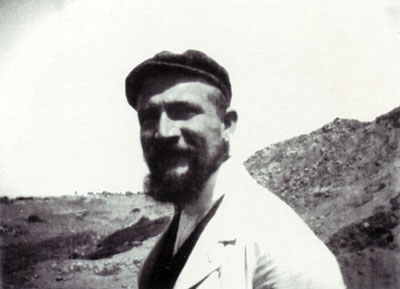
Robert Koldewey was a German archaeologist whose contributions have profoundly shaped modern archaeological practices [1]. His excavation techniques emphasized careful documentation and preservation, establishing foundational principles that continue to guide archaeologists worldwide. The Ishtar Gate, discovered during his excavations, became one of the most significant treasures from ancient Mesopotamia, providing tangible links to the past.
Koldewey's meticulous approach to excavation is well-documented in various sources [1]. His work at Babylon involved detailed documentation and rigorous preservation methods, ensuring that artifacts were not only unearthed but also carefully studied. These practices set new standards for archaeological excavations, influencing ethical and scientific practices globally. Koldewey’s legacy is reflected in the careful methodologies employed today to preserve historical sites.
The Discovery and Significance of Babylon
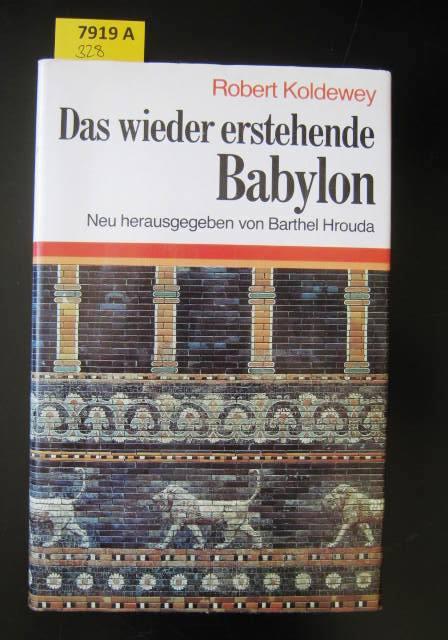
Babylon was a significant center of civilization, particularly known for its architectural marvels and rich cultural heritage [1]. Koldewey's excavations at this site were not just about unearthing artifacts; they were about reconstructing an entire society. His work revealed the grandeur of ancient Mesopotamian culture through discoveries like the Ishtar Gate and processional ways.
The Ishtar Gate, one of the most famous findings from Koldewey's excavations, is a testament to Babylon’s architectural sophistication [1]. Constructed around 575 BCE as part of King Nebuchadnezzar II's city walls, this gate was not only an engineering marvel but also a symbol of the city’s wealth and religious significance. Its discovery provided scholars with tangible evidence of Babylonian craftsmanship and urban planning.
The Initiation of the Babylon Excavation
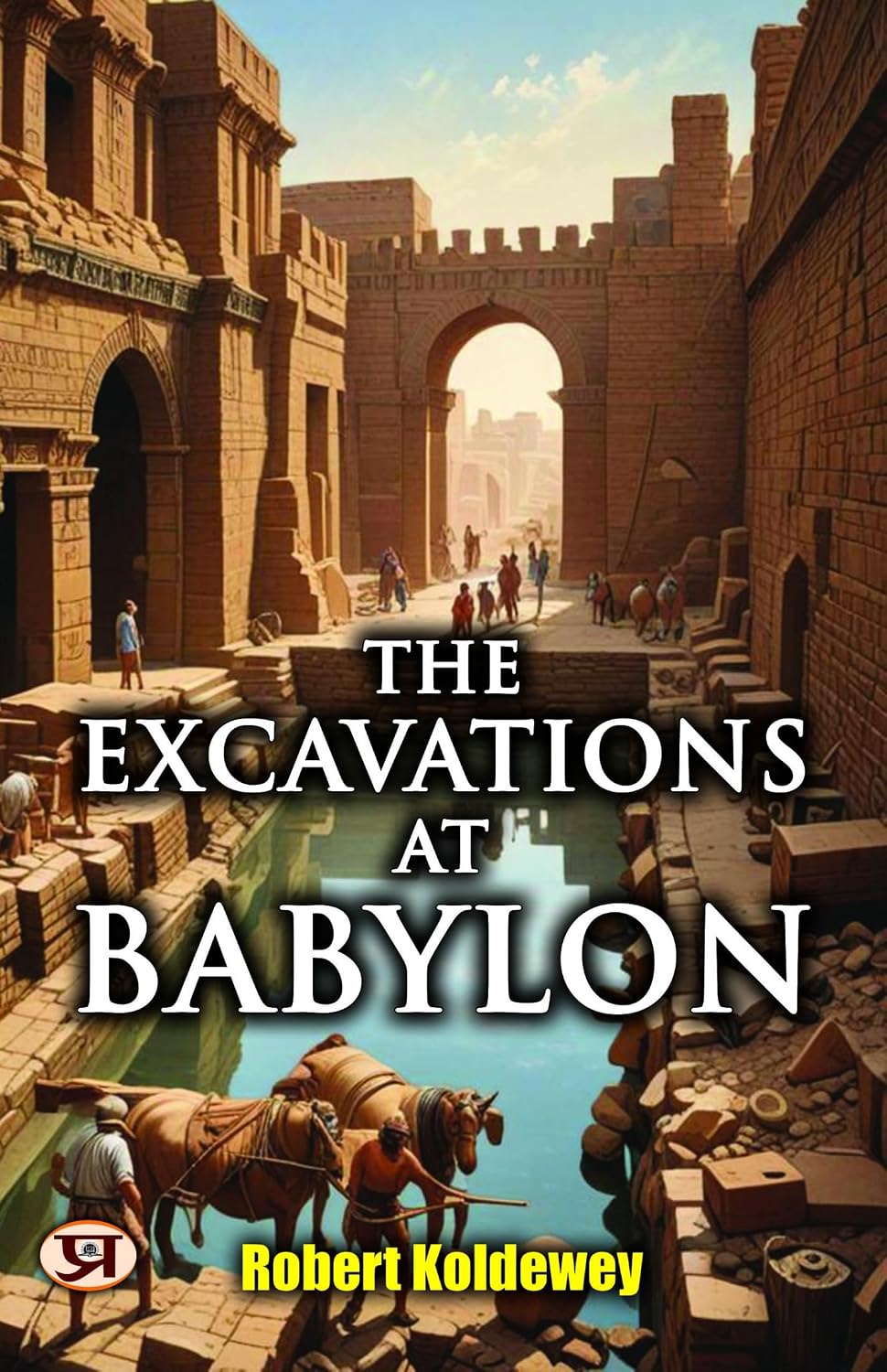
Koldewey began his excavations at Babylon in 1894, initially working under the auspices of the German Empire's Oriental Museum [1]. His initial work focused on uncovering remnants of ancient structures and artifacts. Over the years, Koldewey’s efforts expanded to include a broader scope, encompassing not just individual sites but entire urban landscapes.
Koldewey’s methodology was characterized by meticulous documentation and preservation techniques. He employed a systematic approach, ensuring that every artifact and structure was recorded with precision. This attention to detail laid the groundwork for modern archaeological practices [1]. His work at Babylon not only advanced our understanding of ancient Mesopotamian civilization but also paved the way for future excavations in the region.
Methodologies Employed in the Excavation
Koldewey’s excavation techniques were groundbreaking, emphasizing careful documentation and preservation. He employed a multi-disciplinary approach, involving experts from various fields to ensure that every aspect of the archaeological process was thoroughly understood [1]. Key elements of his methodology included:
- Systematic Documentation: Koldewey meticulously documented each artifact and structure, creating detailed records that facilitated comprehensive analysis.
- Preservation Techniques: His methods aimed to preserve artifacts as intact as possible, minimizing damage during excavation.
- Cross-disciplinary Collaboration: By involving experts from multiple disciplines, Koldewey ensured a holistic approach to understanding ancient sites.
These techniques have become the standard in modern archaeology and continue to influence contemporary practices [1].
Major Finds and Contributions at Babylon
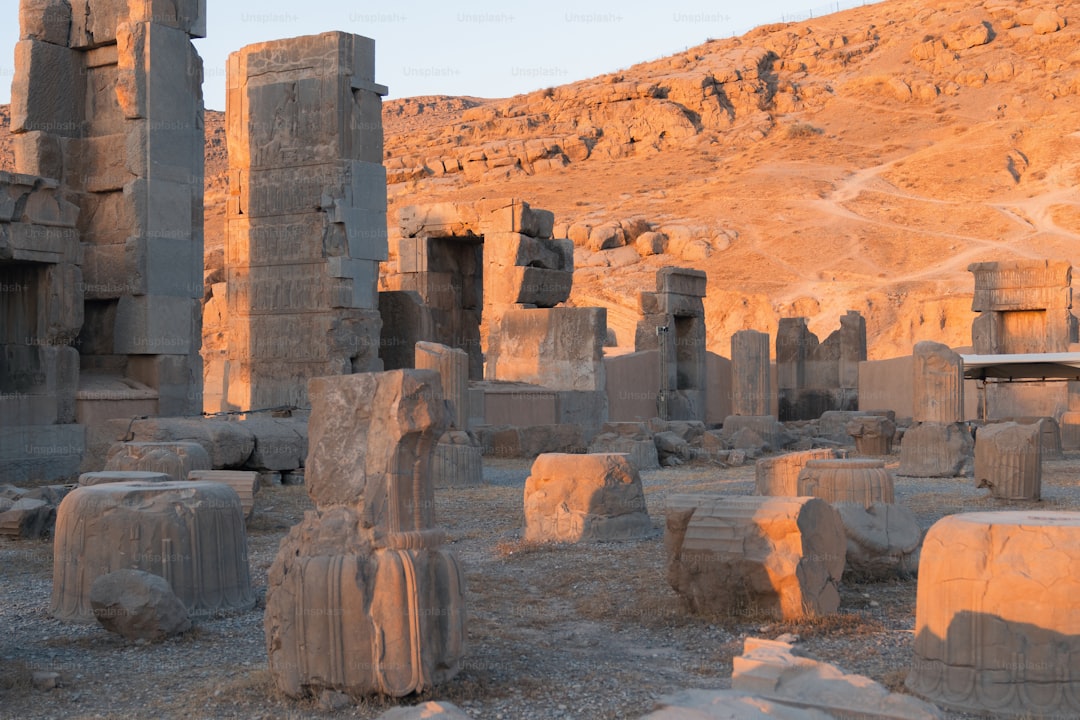
Koldewey’s excavations yielded numerous significant finds that provided valuable insights into ancient Mesopotamian culture. The Ishtar Gate, processional ways, and other remnants were among his most notable discoveries [3]. These artifacts not only enriched our understanding of Babylon but also highlighted the region's importance in the broader context of ancient civilizations.
The Ishtar Gate itself is a prime example of Koldewey’s contributions. Its discovery provided tangible evidence of Babylon’s architectural and cultural achievements, reinforcing its status as one of the world’s most significant archaeological sites [3]. Additionally, Koldewey’s work on processional ways revealed much about religious practices and urban planning in ancient Mesopotamia.
The Ishtar Gate and its Reconstruction
The reconstruction of the Ishtar Gate remains a testament to Koldewey's enduring legacy. Following its discovery, Koldewey began the painstaking process of restoring the gate to its former glory [1]. This work involved not only physical restoration but also scholarly analysis, ensuring that the final product accurately reflected ancient craftsmanship.
Today, the reconstructed Ishtar Gate stands as a symbol of international collaboration and cultural preservation. Its presence in Berlin’s Pergamon Museum serves as both a reminder of Koldewey’s contributions and an ongoing testament to the importance of archaeological research [1].
The Processional Way and Other Notable Remnants
Koldewey's excavations also uncovered numerous other remnants that provided insight into Babylonian society. The processional way, for instance, was a significant feature of ancient Babylon, serving both practical and ceremonial purposes [3]. Its discovery offered valuable insights into the religious and social structures of the time.
Other notable finds included artifacts such as tablets, pottery, and sculptures, which further enriched our understanding of Mesopotamian culture. These discoveries not only enhanced academic knowledge but also contributed to broader cultural narratives about the region’s historical significance.
Challenges and Controversies of the Excavation
Koldewey's work at Babylon was not without its challenges. Political and logistical hurdles posed significant obstacles, particularly during the early years of his excavations [1]. Additionally, ethical considerations and preservation debates added complexity to his endeavors.
One notable controversy arose from Koldewey’s decision to transport large artifacts back to Germany for study. This action sparked debates about cultural ownership and the rights of nations versus individual researchers [1]. Despite these challenges, Koldewey’s commitment to meticulous documentation and preservation techniques remained unwavering.
The Impact of Robert Koldewey's Work on Modern Archaeology
Koldewey’s legacy extends beyond his specific excavations at Babylon. His work has had a profound impact on modern archaeology, setting new standards for excavation practices and influencing ethical and scientific methodologies [1]. Today, the principles he established continue to guide archaeological research worldwide.
The meticulous documentation and preservation techniques pioneered by Koldewey have become fundamental aspects of contemporary archaeological practice. These methods ensure that artifacts are not only unearthed but also studied in their entirety, providing a more comprehensive understanding of ancient civilizations [1].
The Continuing Legacy of Babylon Excavation
Koldewey’s work at Babylon continues to influence modern archaeology through ongoing excavations and research. The site remains an active area of study, with new findings continually expanding our knowledge of ancient Mesopotamian culture.
Recent breakthroughs in archaeological technology have further enhanced the ability to analyze Koldewey's discoveries. Techniques such as non-invasive imaging and advanced analytical tools allow for more detailed examination of artifacts without risking damage [3]. These advancements continue to refine our understanding of Babylon’s past, ensuring that Koldewey’s legacy remains vibrant.
Key Figures & Contributions
Several key figures have contributed significantly to the field of Mesopotamian archaeology, building on Koldewey's foundational work:
- Robert Koldewey: Pioneered meticulous excavation techniques and set new standards for archaeological practices.
- Wilhelm König: Continued Koldewey’s work, focusing on specific areas such as the palace complex.
- Albert Harkavy: Contributed to deciphering cuneiform texts found at Babylon.
These individuals have collectively advanced our understanding of ancient Mesopotamian civilization [1].
Current State & Recent Developments
Recent archaeological research has continued to expand our knowledge of Babylon, with new discoveries and technologies driving advancements. Notable developments include:
- Non-invasive Imaging: Techniques such as ground-penetrating radar (GPR) have allowed for detailed mapping of subsurface features without physical disturbance.
- Advanced Analytical Tools: Modern laboratories provide more precise analysis of artifacts, enhancing our understanding of materials and craftsmanship.
These tools and methods complement Koldewey’s foundational techniques, offering a more comprehensive view of ancient Mesopotamian culture [3].
Key Takeaways
- Koldewey's Legacy: His meticulous excavation techniques have set new standards for archaeological practices.
- Ishtar Gate Reconstruction: A symbol of international collaboration and cultural preservation.
- Challenges & Controversies: Political, logistical, and ethical challenges underscore the complexity of archaeological endeavors.
- Modern Applications: Non-invasive imaging and advanced analytical tools enhance our understanding of ancient sites.
- Continued Research: Ongoing excavations and new technologies continue to expand our knowledge of Babylonian civilization.
In conclusion, Sir Robert Koldewey’s contributions to archaeology have left an indelible mark on modern practices, ensuring that his legacy continues to influence the field. His meticulous methods and groundbreaking discoveries at Babylon remain central to our understanding of ancient Mesopotamian culture, setting a benchmark for future research.
Data Overview
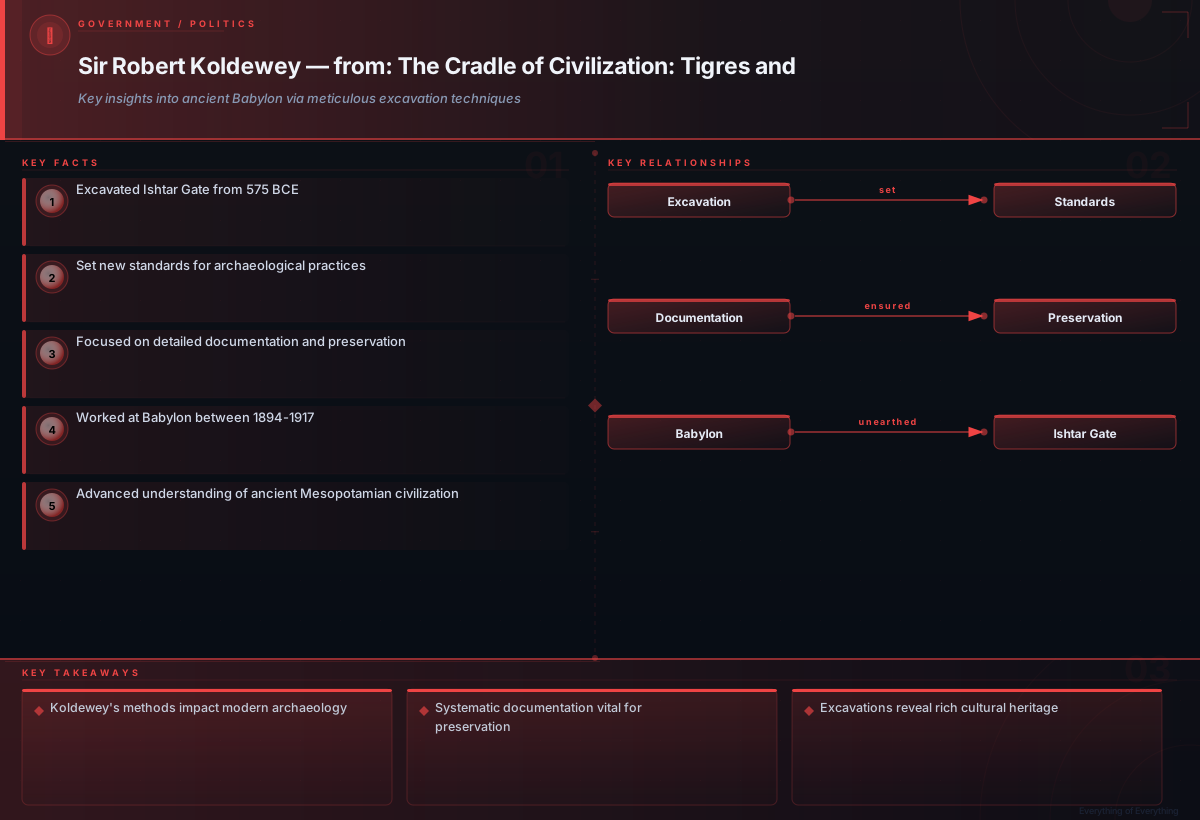
Visualisation