Introduction: The Magnificent World of Dinosaurs and Paleontology
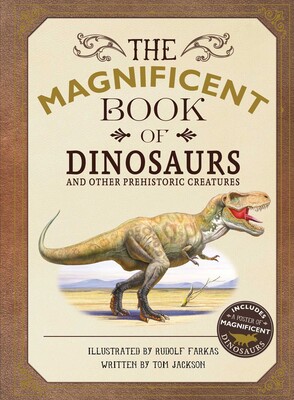
Dinosaurs, those iconic creatures from Earth’s distant past, have captivated human imagination for centuries. From their initial discovery in the early 19th century to recent breakthroughs, paleontologists continue to unearth new insights into these magnificent beasts that dominated the terrestrial landscape for over 160 million years. The discoveries at various archaeological sites around the world have not only expanded our understanding of dinosaur life but also shed light on broader ecological and evolutionary processes.
Key Figures & Contributions
Ostrom John H.
Dr. John H. Ostrom is widely recognized as a pioneer in modern dinosaur paleontology. His work on the theropod dinosaurs, particularly Deinonychus, helped establish the link between birds and dinosaurs, revolutionizing our understanding of their biology and behavior [1].
Bakker Robert T.
Robert T. Bakker’s contributions have been instrumental in popularizing the idea that some dinosaurs were highly active and potentially warm-blooded. His book "The Dinosaur Heresies" challenged traditional views and sparked significant debate within the scientific community [2].
Norell Mark A.
Mark A. Norell has led numerous expeditions to Mongolia, where he discovered Velociraptor and other important specimens that have provided invaluable insights into dinosaur ecology and behavior.
Archaeological Sites and Discoveries
Site: Tanis, Egypt
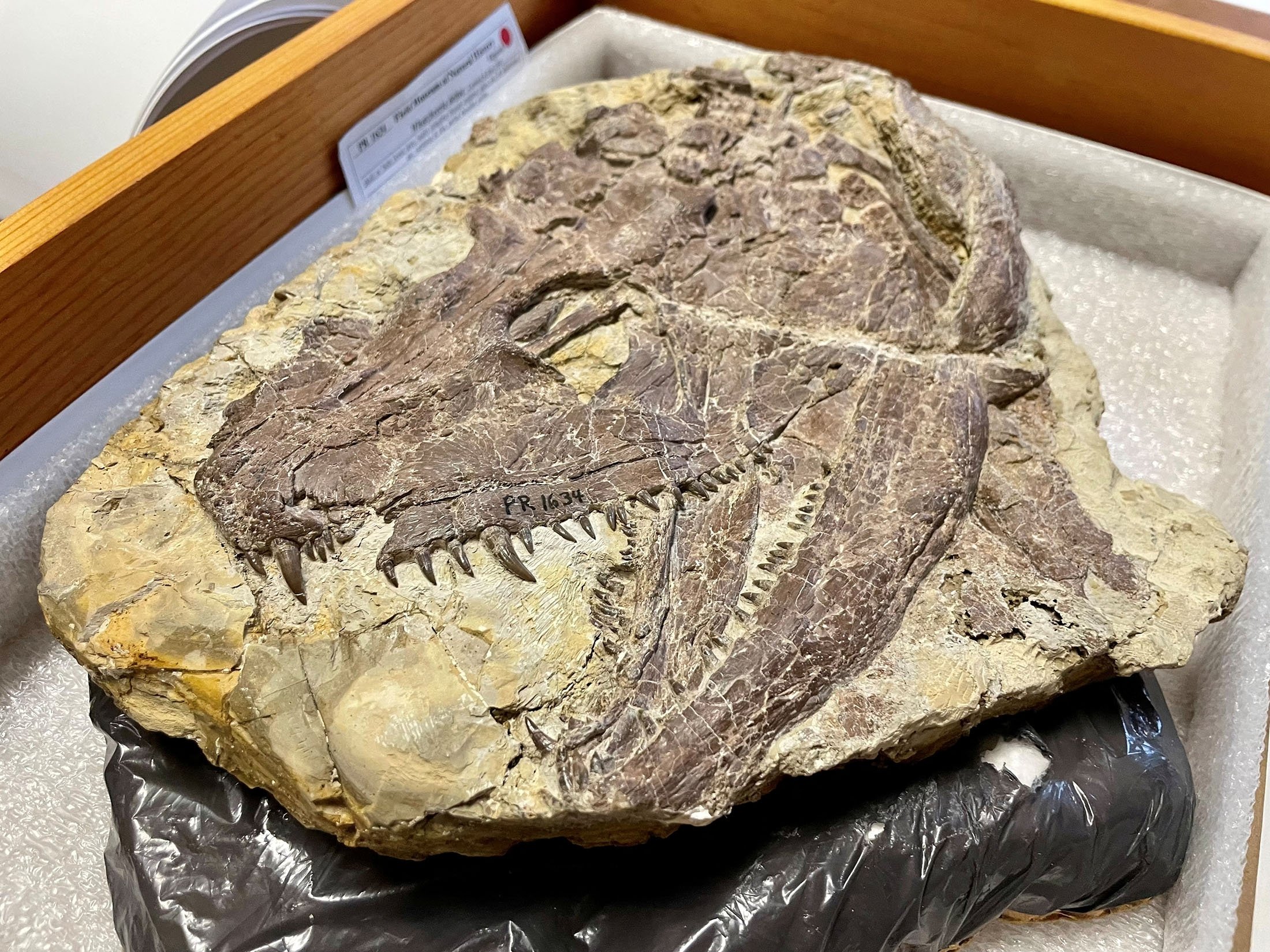
Tanis, an ancient Egyptian city, has yielded some of the most significant discoveries related to dinosaurs. The site is particularly known for a fossil graveyard where researchers found not only well-preserved skeletons but also evidence of a mass extinction event that may have led to the Cretaceous-Paleogene (K-Pg) boundary [3].
Site: Liaoning, China
Liaoning Province in northeast China has become famous for its wealth of early bird and feathered dinosaur specimens. The Yixian Formation deposits have revealed an incredible array of small theropods with exquisite soft tissue preservation, providing unprecedented insight into the appearance and behavior of these animals [4].
Site: Hell Creek Formation, Montana
The Hell Creek Formation is one of the most prolific sites for late Cretaceous dinosaurs in North America. It has produced numerous well-preserved specimens, including Triceratops, Tyrannosaurus rex, and other iconic species that have become symbols of dinosaur life [5].
Site: San Juan Basin, New Mexico
The San Juan Basin in New Mexico contains some of the best-preserved Late Cretaceous ecosystems known. This site has yielded a diverse array of dinosaurs along with significant fossil plant material, offering a rich context for understanding their environment and interactions [6].
Recent Developments
The Return of Nanotyrannus
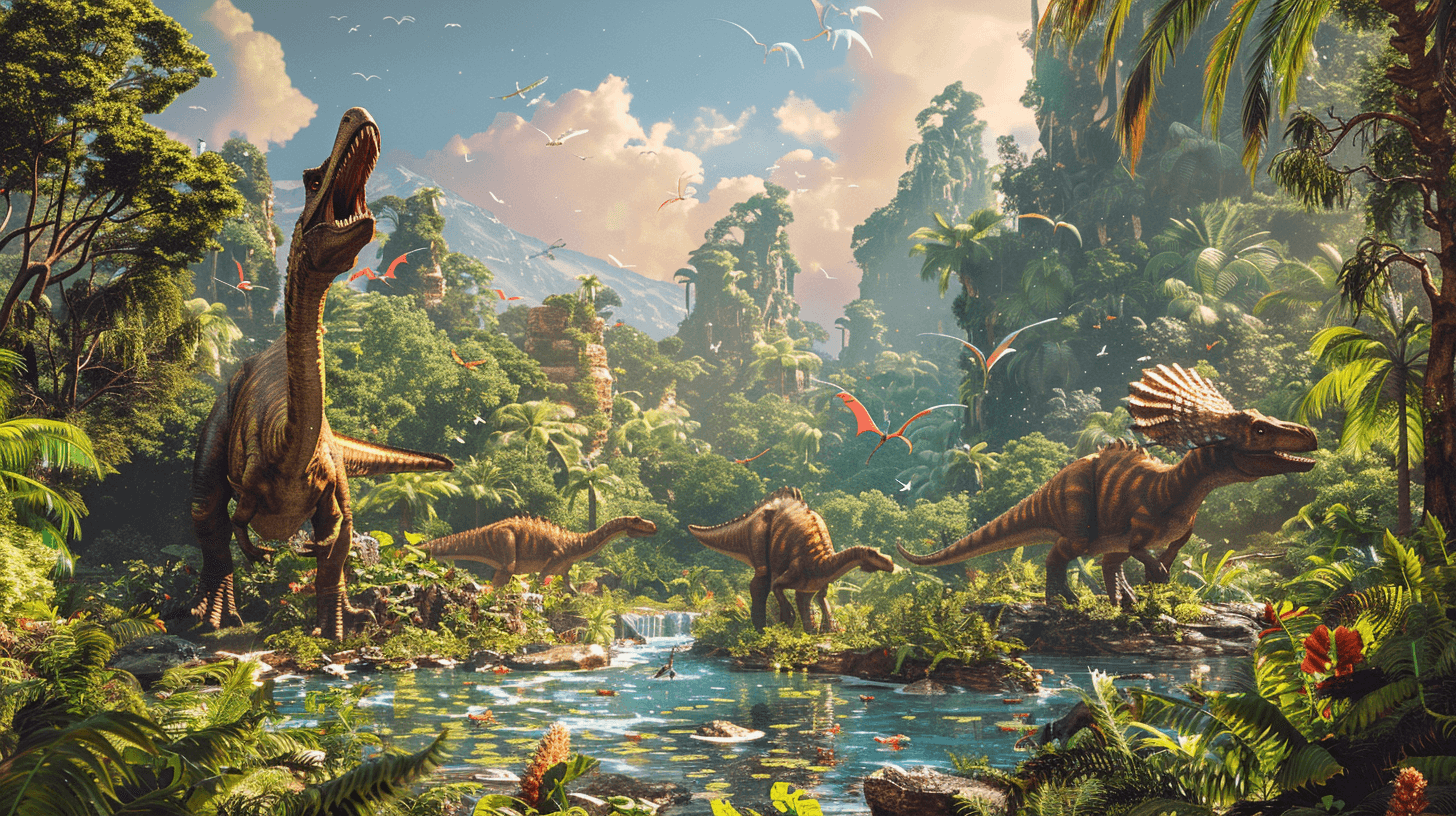
A major discovery in 2025 resuscitated the controversial Nanotyrannus, previously thought to be a juvenile form of Tyrannosaurus rex. New evidence suggests it may represent a distinct species with unique adaptations, challenging long-held hypotheses [1].
New Species Unveiling Gaps
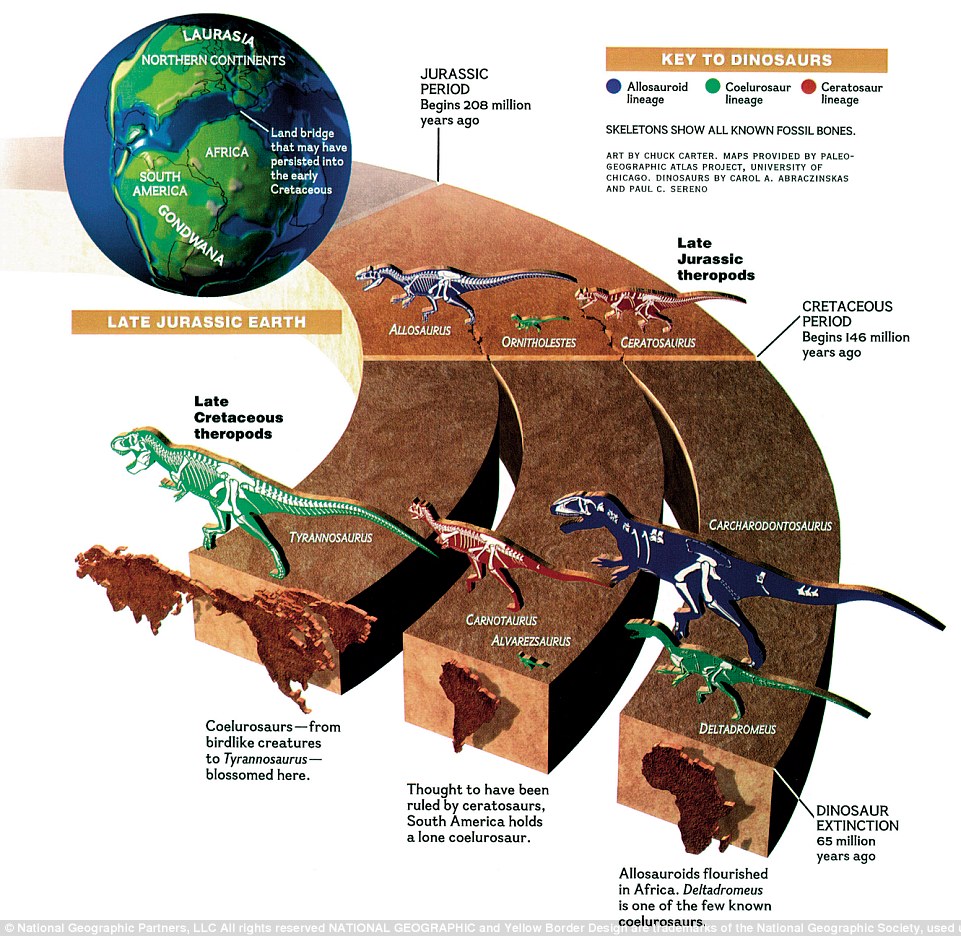
Several new dinosaur species have been identified in recent years. For instance, Raptorex and Aristegosaurus fill important gaps in the evolutionary timeline of theropods, highlighting the complexity and diversity of their development [7].
Current State & Recent Developments
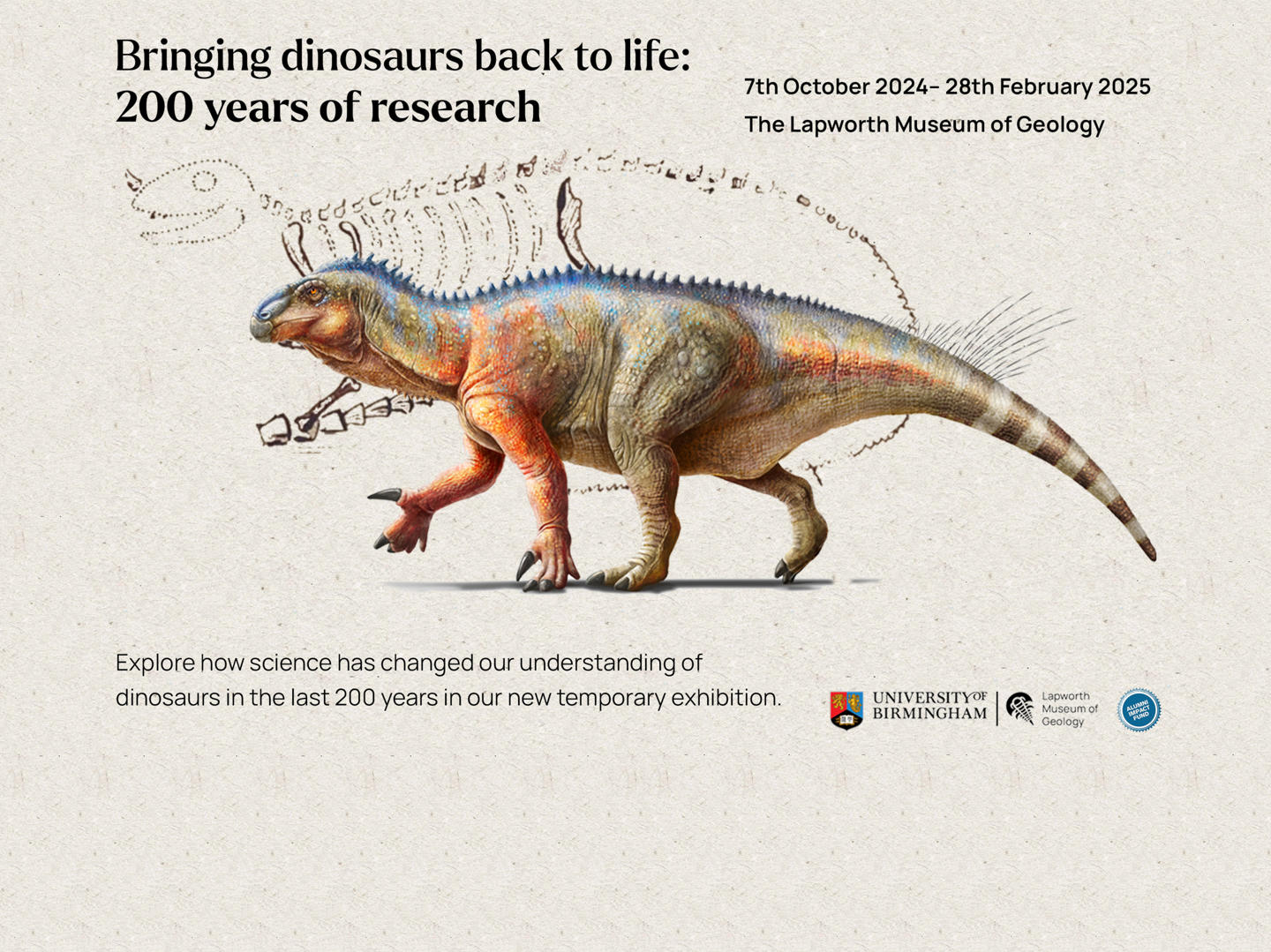
The past decade has seen remarkable progress in dinosaur paleontology due to advancements in technology such as non-invasive imaging techniques, stable isotope analysis, and computational modeling. These tools have allowed researchers to examine fossils in unprecedented detail, providing insights into diet, physiology, and behavior [8].
One of the most significant breakthroughs involves the use of high-resolution CT scanning, which has enabled detailed examination of internal structures such as gut contents and respiratory systems. This has provided new perspectives on how these ancient animals lived and interacted with their environment.
Moreover, molecular techniques have opened up new avenues for understanding dinosaur genetics and phylogeny. By extracting DNA from fossilized remains, scientists can trace evolutionary relationships and potentially reconstruct the behavior and appearance of dinosaurs [9].
Key Takeaways
- The study of dinosaur paleontology continues to evolve through technological advancements.
- Archaeological sites like Tanis in Egypt, Liaoning in China, Hell Creek in Montana, and San Juan Basin in New Mexico are crucial for understanding these prehistoric giants.
- Recent discoveries such as the return of Nanotyrannus and the identification of new species have significantly expanded our knowledge of dinosaur diversity.
- Technological innovations like high-resolution CT scanning and molecular techniques are revolutionizing how we interpret and understand dinosaur remains.
By exploring these sites and developments, paleontologists continue to uncover the rich tapestry of life during the Mesozoic Era, enriching our understanding of Earth's history and the intricate web of evolutionary processes that shaped it.
[1]
Data Overview