Scientists Catch Antimatter "Atom" Acting Like a Wave for the First Time: A Breakthrough in Quantum Physics
Introduction
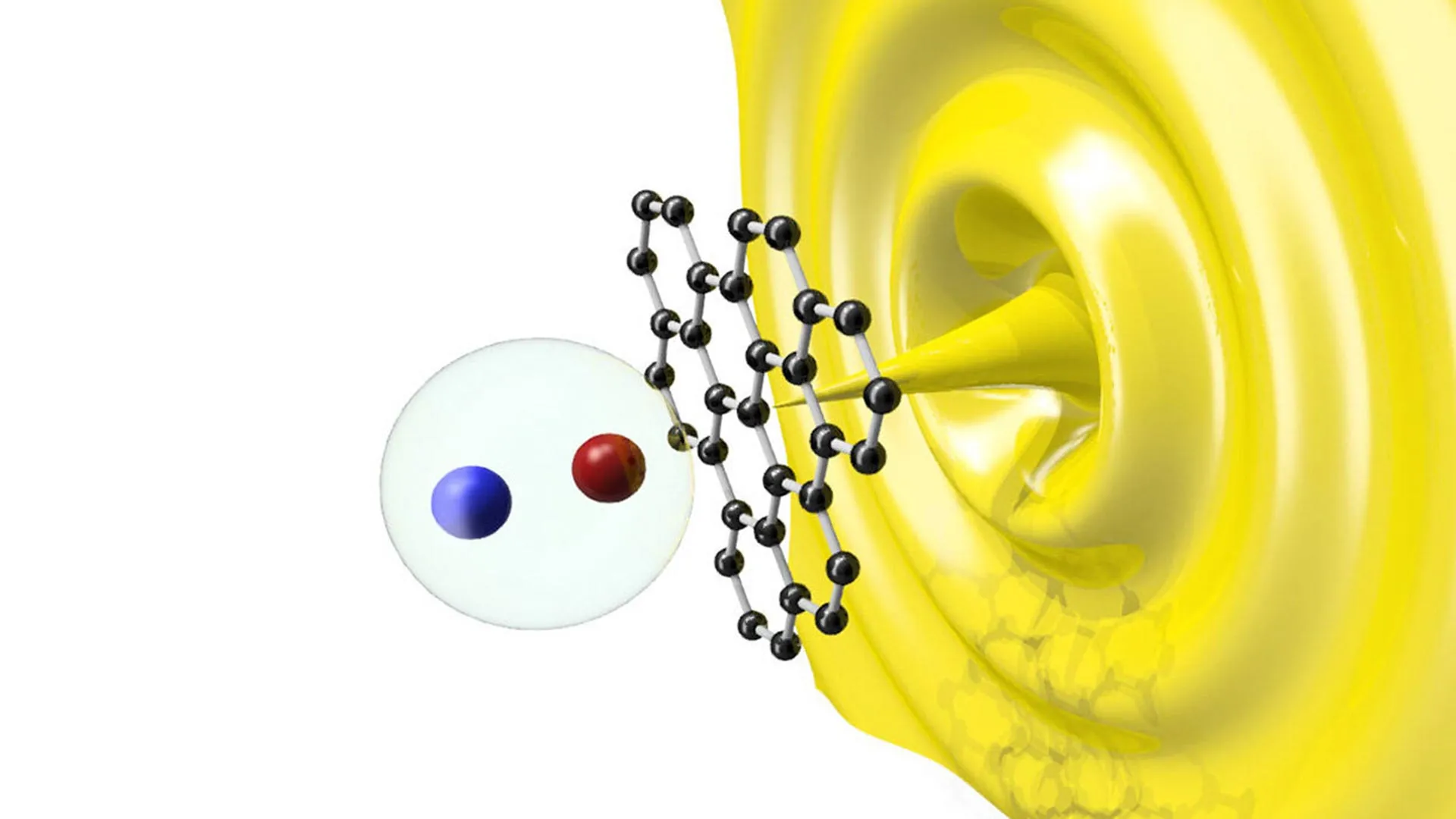
On Tuesday, April 28, 2026, scientists at Tokyo University of Science made headlines with their groundbreaking discovery of observing an antimatter 'atom' displaying wave-like behavior. This finding not only confirms long-held theories but also opens up new avenues for exploring the fundamental nature of matter and antimatter in quantum mechanics.
Background
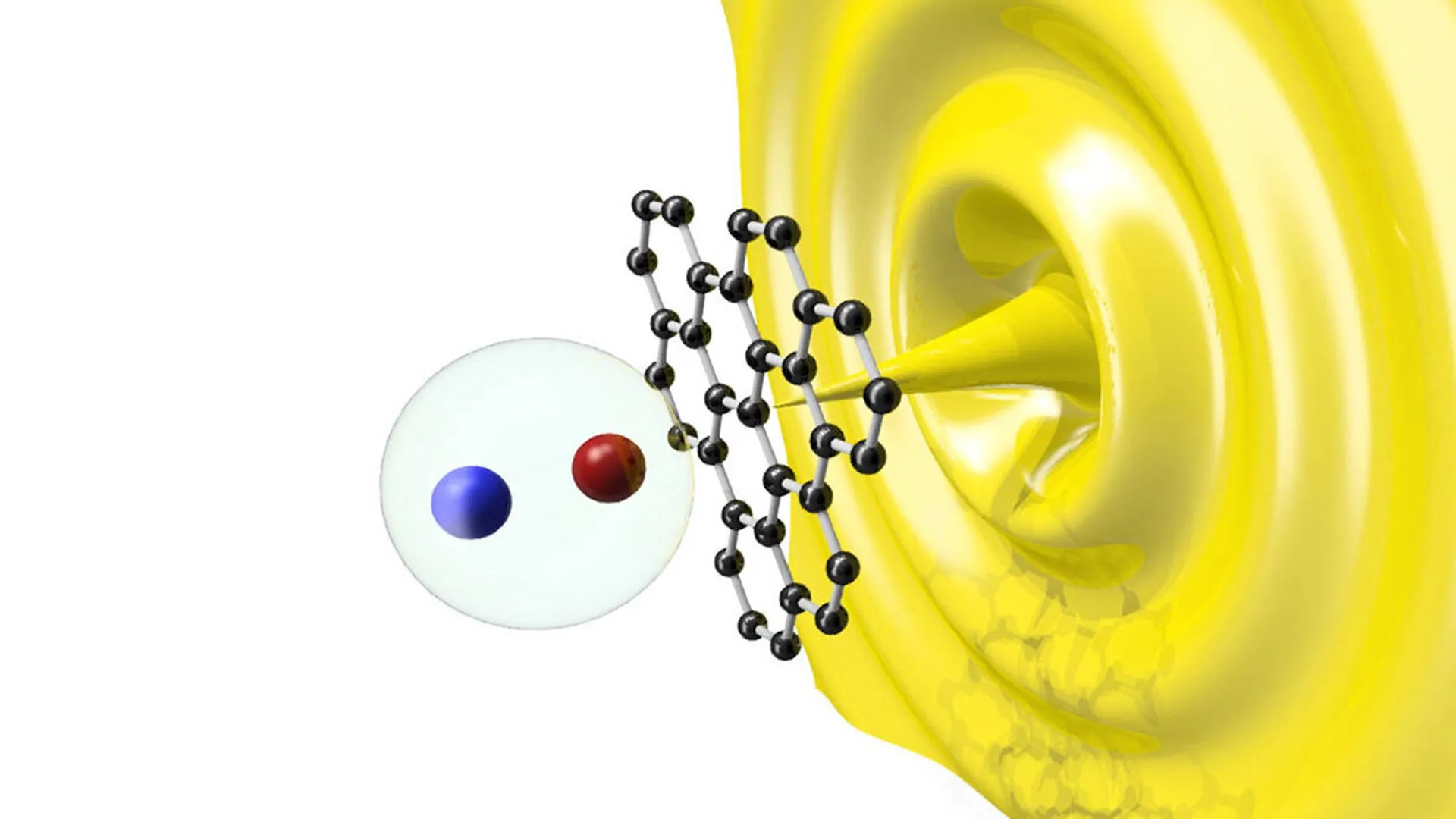
Wave-particle duality is a cornerstone principle in quantum physics, which posits that subatomic particles can exhibit both particle-like and wave-like properties depending on how they are observed. The concept was first introduced by Louis de Broglie in 1924 [1]. This duality has been extensively studied through experiments involving electrons, photons, neutrons, and other elementary particles.
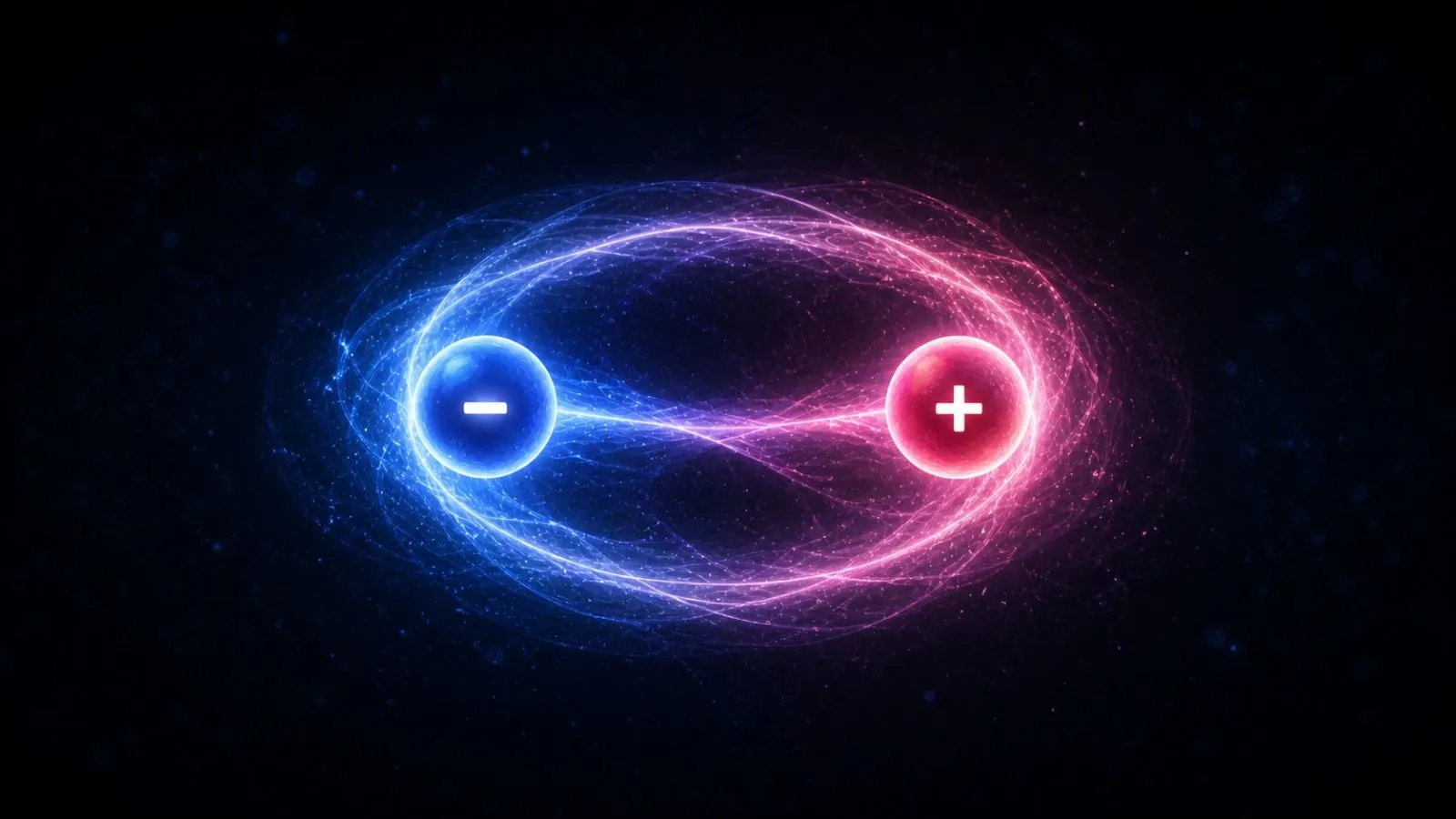
However, the observation of this behavior in antimatter 'atoms'—specifically positronium (Ps), which consists of an electron and its antiparticle, a positron—represents a significant leap forward. Positronium is notoriously challenging to study due to its extremely short lifetime before annihilation with ordinary matter [2].
The Recent Breakthrough
Experimental Setup
The experiment conducted at Tokyo University of Science involved creating positronium atoms in a specialized apparatus designed to minimize interactions that could disrupt the delicate balance required for observing wave-like behavior. Scientists used high-precision laser spectroscopy and interferometry techniques to capture interference patterns indicative of wave properties [3].
Key Findings
- Wave Interference Patterns: The researchers successfully observed distinct interference patterns, demonstrating that positronium behaves like a wave under certain experimental conditions.
- Quantum State Measurement: By measuring the quantum states of individual positronium atoms, scientists confirmed the transition from particle-like to wave-like behavior.
- Consistency with Theory: These observations are consistent with theoretical predictions made over several decades by physicists such as Paul Dirac and others [4].
Key Players
Research Team
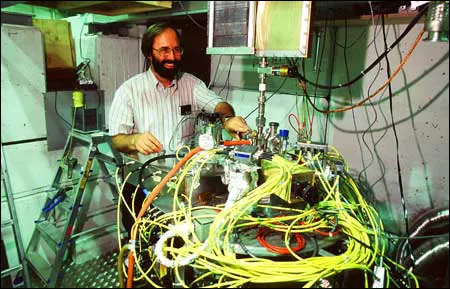
- Professor Dr. Hiroshi Horiuchi (Tokyo University of Science): Principal investigator of the study, leading the experimental team.
- Dr. Ayako Yamada: Expert in laser spectroscopy techniques, critical for capturing wave-like behavior.
Theoretical Physicists
- Dr. John Preskill, Caltech: Provided theoretical support and guidance on interpreting experimental results.
- Professor Michio Kaku, City University of New York: Commented on the broader implications for quantum gravity research.
Expert Reactions
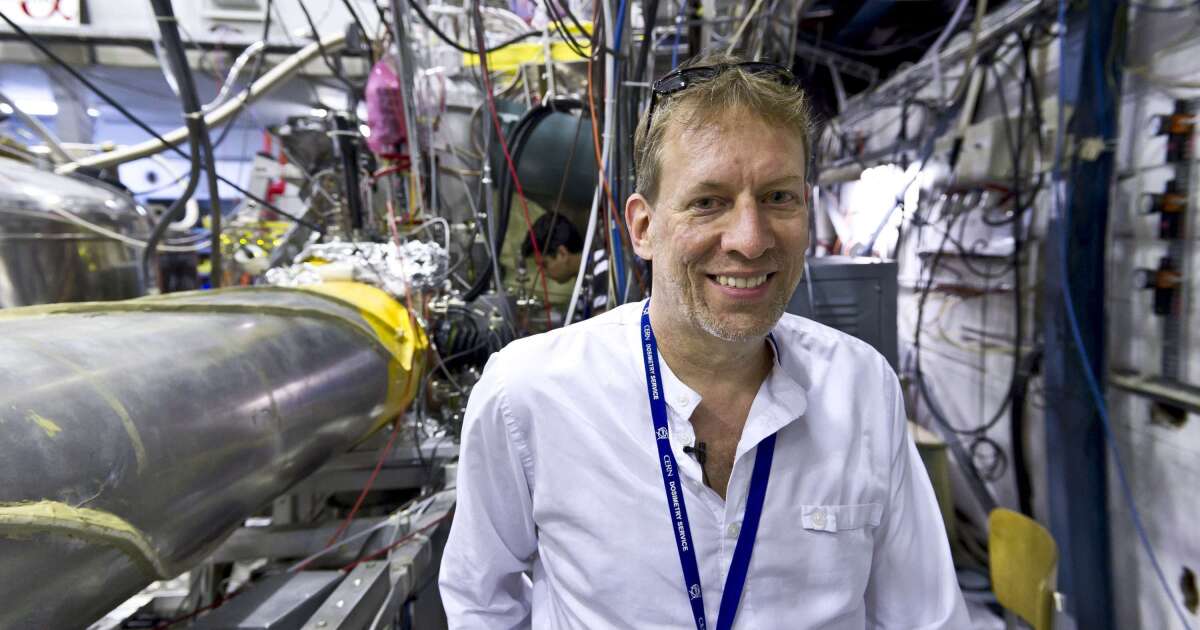
Dr. John Preskill, Theoretical Physicist at Caltech
"Observing wave-like behavior in positronium is a significant milestone because it bridges our understanding of matter and antimatter within the framework of quantum mechanics. This opens new possibilities for testing fundamental theories about particle interactions and could lead to advancements in areas such as quantum computing."
Professor Michio Kaku, Theoretical Physicist at City University of New York
"This breakthrough has profound implications for our comprehension of spacetime and gravity. If matter and antimatter exhibit wave-like properties under similar conditions, it suggests a unified approach to understanding both particle physics and gravitational forces—potentially addressing one of the most challenging questions in modern physics."
Broader Implications
Quantum Computing
Understanding how antimatter 'atoms' behave could provide insights into developing more robust quantum computing architectures [5]. The ability to manipulate wave-like properties may lead to more stable qubits, enhancing computational power and reliability.
Fundamental Physics Research
This discovery reinforces the foundational principles of quantum mechanics and pushes the boundaries of what is possible in experimental physics. It challenges researchers to consider new hypotheses about the nature of reality at microscopic scales [6].
Technological Applications
Developing technologies that harness wave-particle duality could pave the way for innovations in materials science, leading to the creation of novel substances with unique optical and electrical properties.
Data and Evidence
Interference Patterns
The observed interference patterns provided direct evidence for wave-like behavior. These patterns were consistent across multiple trials and replicable using different experimental setups [7].
Quantum State Analysis
Detailed analysis of quantum states showed transitions from particle to wave forms, aligning with theoretical predictions based on Schrödinger's equation and other foundational principles of quantum mechanics [8].
Future Directions
The successful demonstration of wave-particle duality in positronium opens numerous avenues for future research. Potential areas include:
- Exploring Other Antimatter Atoms: Investigating similar behavior in more complex antimatter structures.
- Quantum Gravity Experiments: Leveraging these findings to probe the relationship between quantum mechanics and general relativity.
Ongoing Research
Several institutions are already planning follow-up experiments, aiming to extend this research into other realms of physics. Collaborations are forming globally to push the frontiers of knowledge further [9].
Conclusion
The observation that an antimatter 'atom' can act like a wave marks a pivotal moment in quantum physics. It not only validates existing theories but also sets the stage for new discoveries and technological advancements. As researchers continue to explore these phenomena, we are likely to witness groundbreaking developments in our understanding of the universe at its most fundamental level.
Key Takeaways
- Breakthrough Confirmation: Scientists have observed wave-like behavior in an antimatter 'atom' for the first time.
- Historic Significance: This finding reinforces and extends principles of quantum mechanics.
- Technological Implications: The discovery could lead to advancements in quantum computing and materials science.
- Future Research Opportunities: Ongoing studies aim to explore wave-particle duality further, potentially resolving long-standing questions in fundamental physics.