Introduction
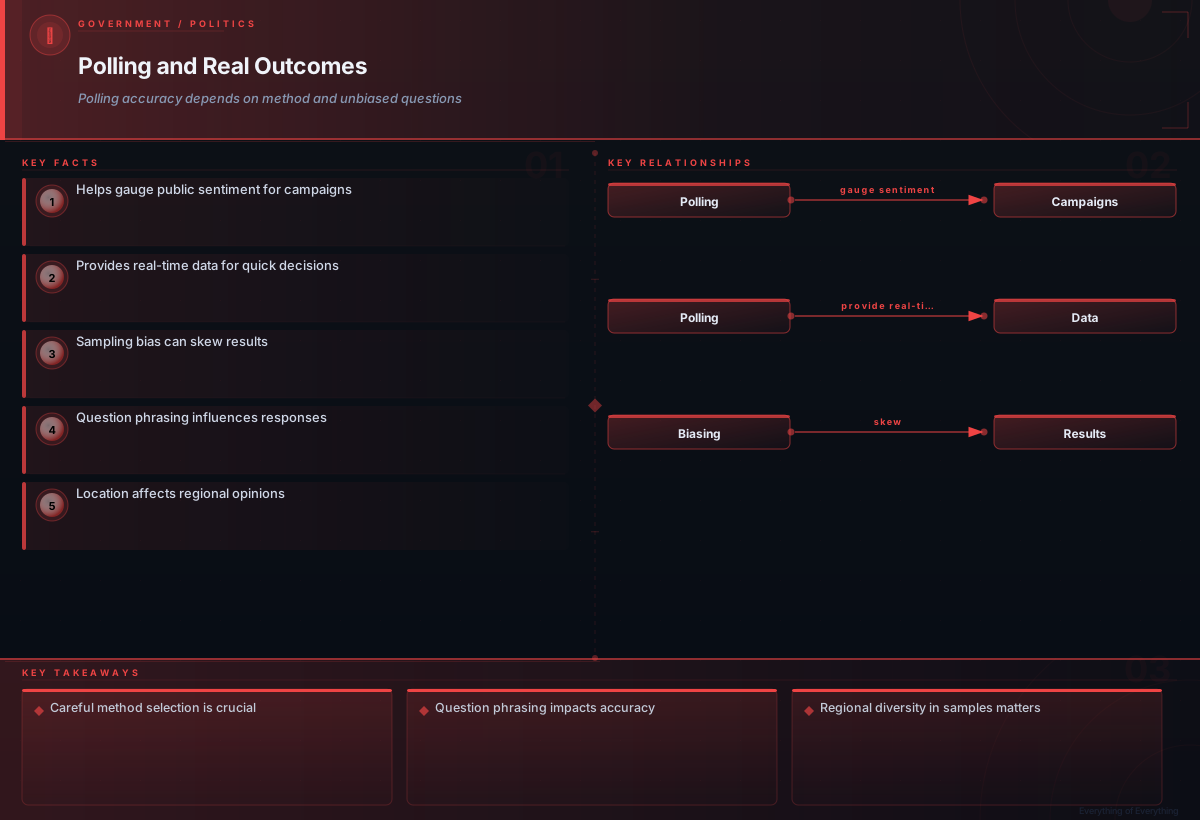
Polling is a critical tool in understanding public opinion, particularly in the context of elections and governance. It involves systematically collecting data from a sample of individuals to gauge their views on various issues or candidates [1]. This article explores the purposes, methods, advantages, and disadvantages of polling, as well as how factors such as biasing, audience selection, location, and question phrasing can influence outcomes.
Purposes of Polling
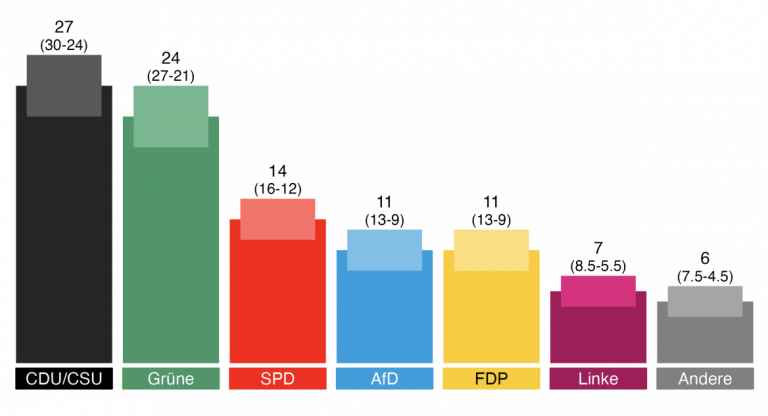
Polls serve multiple purposes in government and politics. They help political parties and candidates gauge public sentiment to tailor their campaigns more effectively [1]. Additionally, they provide valuable data for researchers and journalists to analyze trends and predict election outcomes. Public opinion polls also enable policymakers to understand the views of constituents, which can inform legislative decisions.
Methods and Advantages
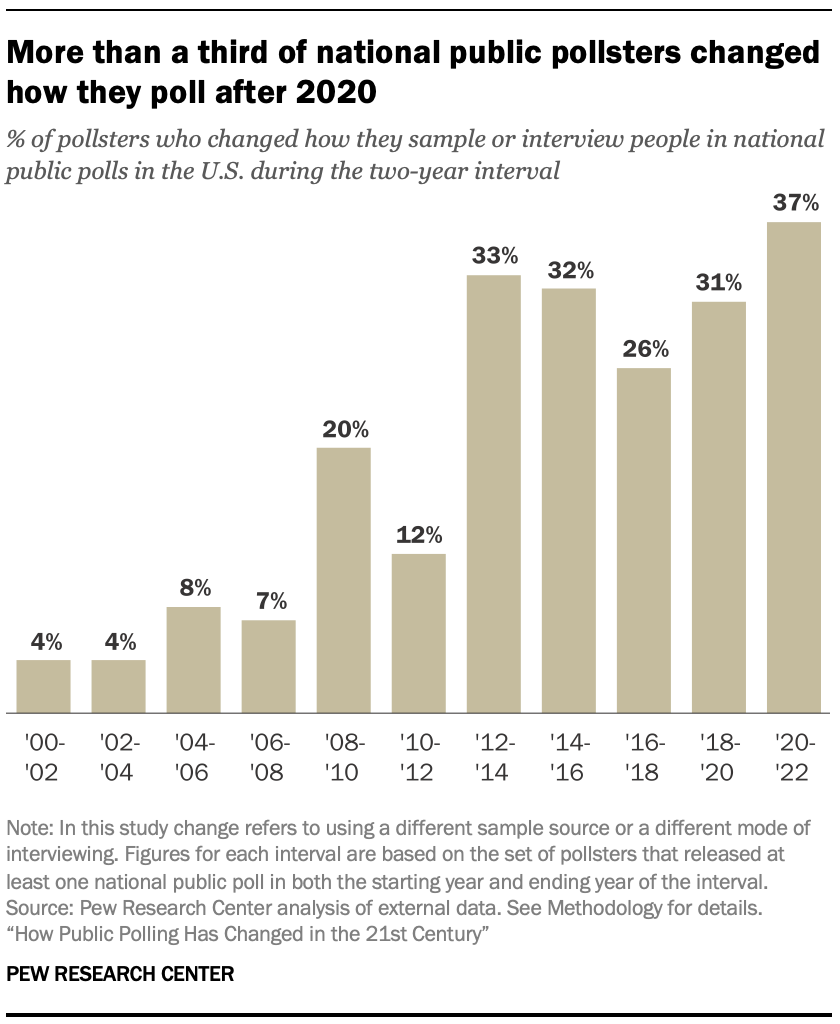
Polling methods vary widely but generally fall into two categories: traditional telephone surveys and online or digital polling [1]. Each method has its advantages and disadvantages. Telephone surveys are more likely to reach a broader demographic, while online polls may have higher response rates due to ease of access.
Advantages
- Accuracy: When conducted properly, polls can accurately reflect public opinion.
- Timeliness: Polls provide real-time data that can be used to make informed decisions quickly.
- Trend Analysis: They allow for the tracking of changes in public sentiment over time.
Disadvantages
Despite their benefits, polling also has several limitations. One major issue is sampling bias, where the sample does not accurately represent the population [1]. For instance, if a poll only reaches certain demographics through specific methods (e.g., landline phones), it may miss out on opinions from younger or less traditional phone users.
Disadvantages Continued
- Response Rate: Low response rates can skew results.
- Question Wording: The way questions are phrased can influence answers, leading to biased outcomes.
- Timing: Polls taken at different times might reflect varying moods and circumstances, affecting their accuracy.
Influencing Factors
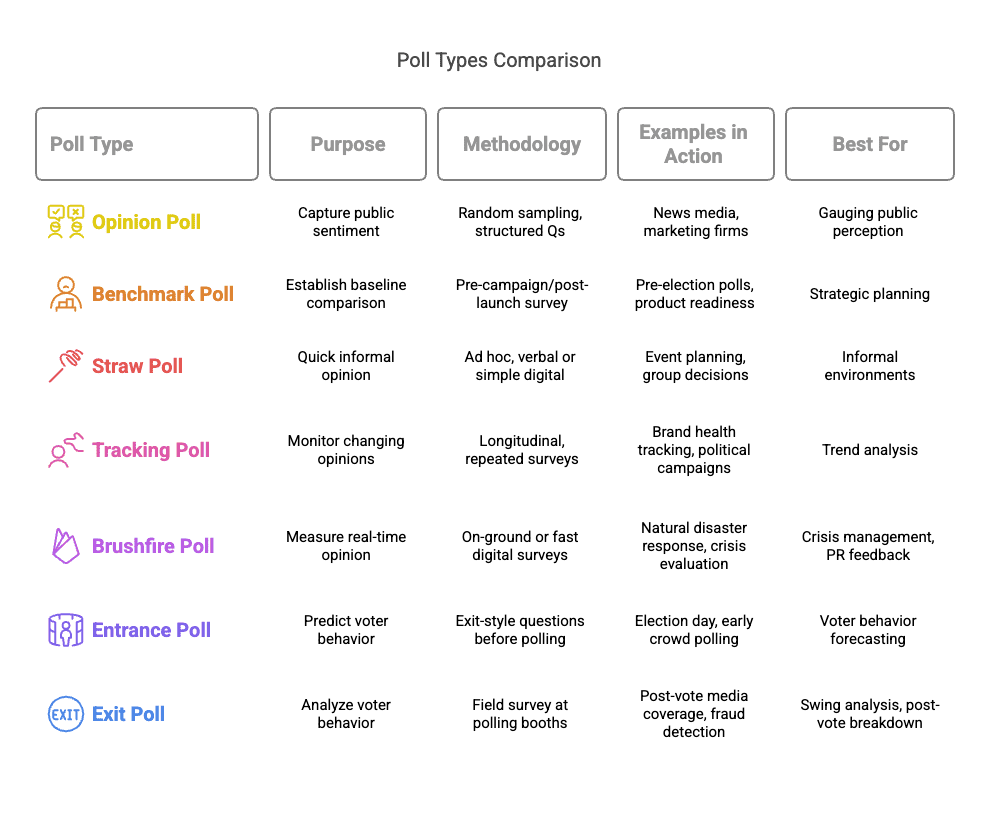
Several factors can significantly impact the outcome of a poll. These include:
Biasing
Pollsters must be aware of potential biases that can arise from various sources. For example, if questions are leading or loaded with assumptions, respondents may give answers they think will please the interviewer [1].
Audience Selection
The demographic and geographic diversity of the sample is crucial. A poll conducted in a specific region might not accurately reflect national opinions unless it includes a representative mix of participants from different areas.
Location
Location plays a significant role as regional differences can greatly affect public opinion on various issues. For instance, views on climate change or healthcare policies may vary significantly between urban and rural populations [1].
Question Phrasing
The way questions are worded can dramatically influence responses. Open-ended versus closed-ended questions, the order of question presentation, and even the timing within a survey can all impact the results.
Conclusion
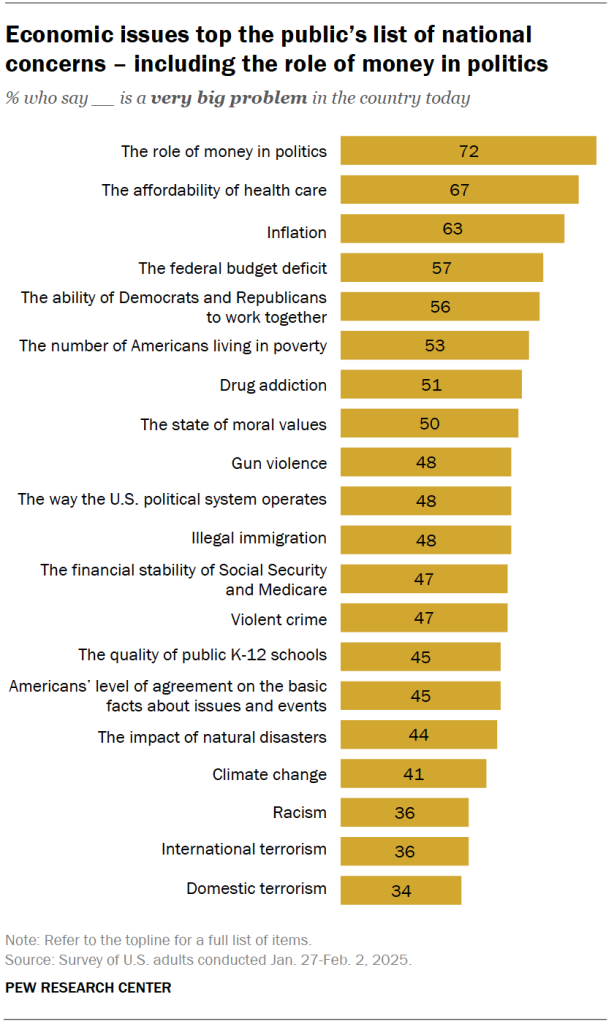
Polling is an essential tool in modern politics for gauging public opinion and making informed decisions. However, it requires careful consideration of various factors to ensure accurate and reliable outcomes. By understanding these elements, stakeholders can better interpret poll data and use it effectively without being misled by potential biases or inaccuracies.
Sources
[1] Latest Polls 2026, 2028 | RealClearPolling
Data Overview