AI & politics
The people running the six labs building the world's most capable AI systems don't agree on who should belong to which political party, and they don't agree on whether their own industry should be regulated. Their public money and their public statements tell two different, dated stories. Here is both, executive by executive, sourced to the filing or the interview.
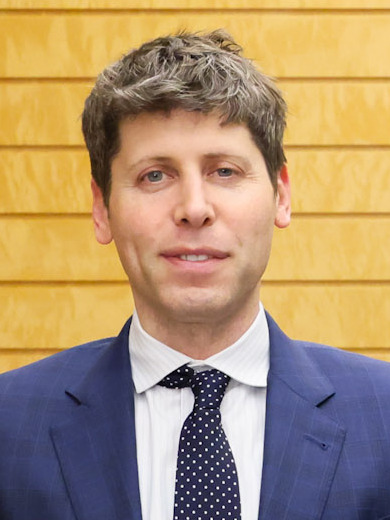
Sam Altman, OpenAI — from Obama donor to "politically homeless"
Altman spent over a decade as a conventional Democratic donor: more than $1 million to Democrats and Democratic organizations since 2013, including Barack Obama's 2012 campaign and Joe Biden's 2020 campaign, plus heavy giving to California Democratic causes. That pattern broke in October 2024, a month before the election, when he maxed out individual contributions to Sens. Ted Cruz (R-TX) and Marsha Blackburn (R-TN) at $3,300 each. After the election he gave Trump's inaugural fund $1 million, the single largest political donation of his life. By July 4, 2025, Altman was describing himself publicly as "politically homeless."
His regulation position moved on the same axis. In Senate testimony on May 16, 2023, Altman backed a new federal agency empowered to license, and revoke licenses from, AI models above a set capability threshold, calling government intervention "critical." By his May 2025 Senate testimony, he'd reversed course, arguing that OpenAI and its rivals already had "the best models in the world" and that the priority now was "sensible regulation" that does "not slow us down." Critics have pointed out the 2023 licensing proposal would have landed hardest on smaller competitors without OpenAI's compliance budget, raising the question of whether it was ever really about safety.
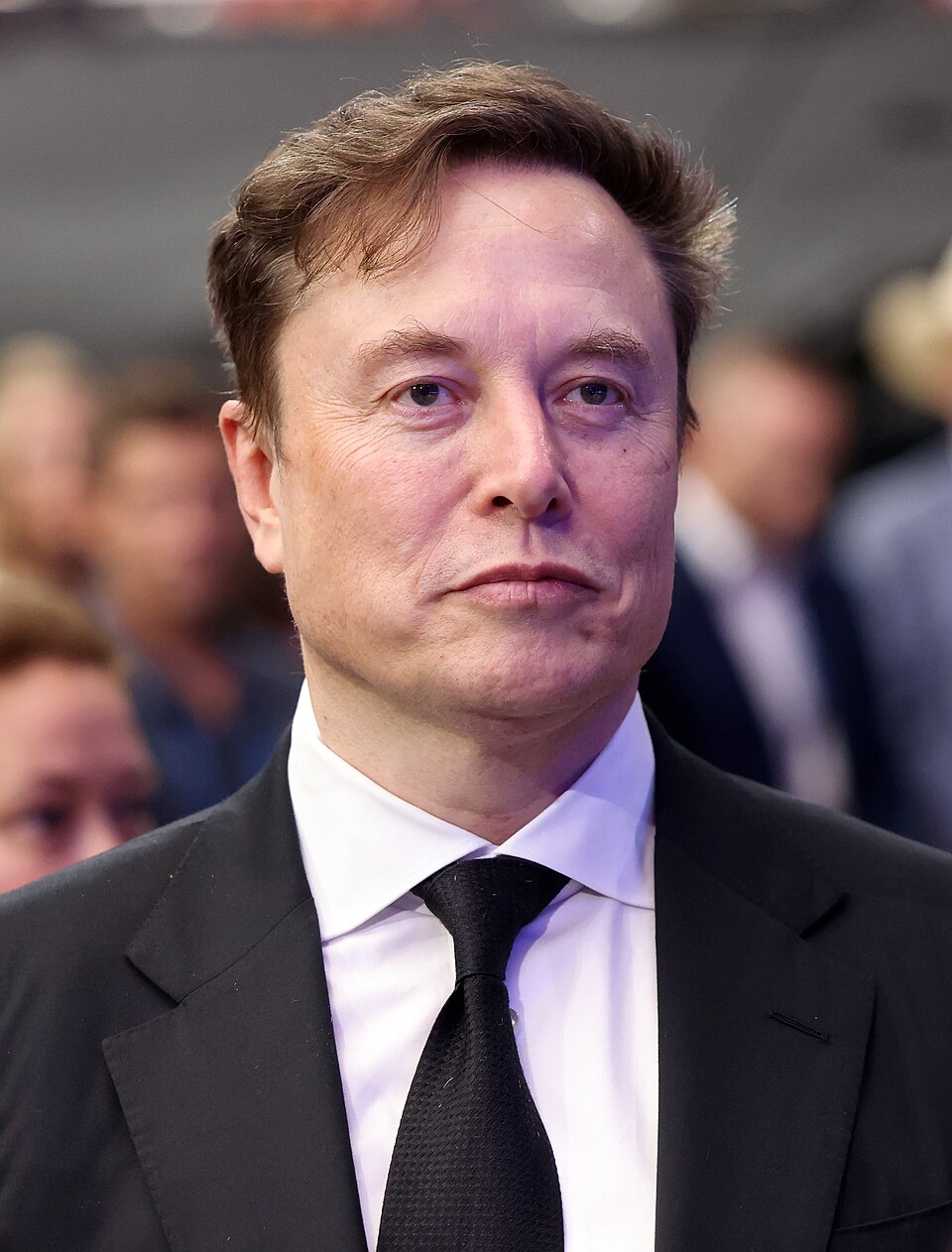
Elon Musk, xAI — the single largest donor of 2024
There's no ambiguity here. Musk spent at least $277 million backing Trump and Republican candidates in the 2024 cycle, $239 million of it through his own America PAC, making him the largest political donor of either party that year. After a public falling-out with Trump in mid-2026 that included threats to launch a third party, Musk reversed again: by the end of 2025 he'd already put $20 million behind top Republican groups for the 2026 midterms, plus $10 million into a single Kentucky Senate race in January 2026.
On regulation, Musk says he favors letting the industry police itself, but xAI's actions run the other way: the company has sued Colorado (over a "high-risk" algorithmic discrimination law), Minnesota (over a law banning "nudify" deepfake apps), and California (over an AI training-data transparency law). CNBC summarized his position on September 18, 2026 as "talking up AI safety while fighting regulation," an accurate description of someone who states a preference for light-touch oversight while litigating against every version of oversight actually proposed.
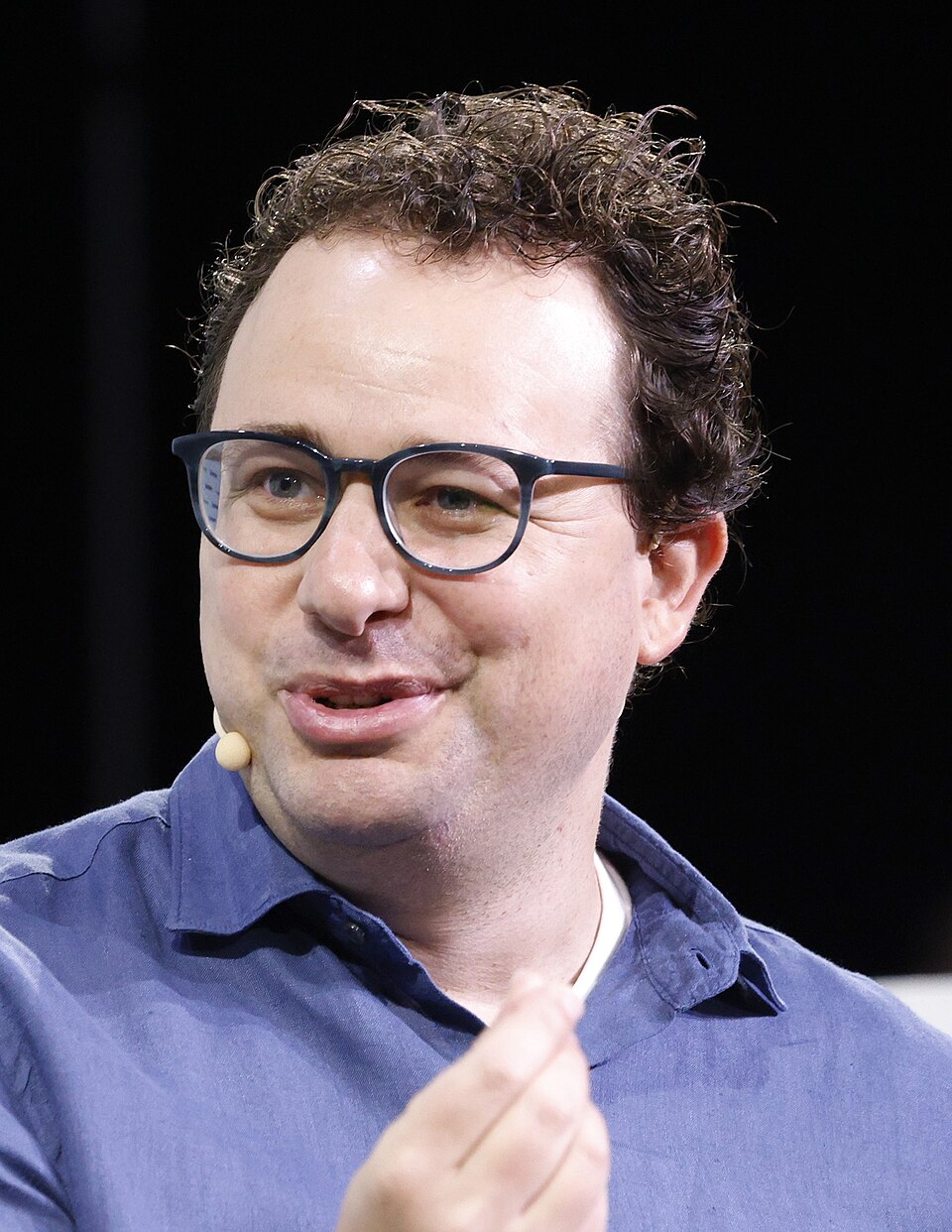
Dario Amodei, Anthropic — funding the regulators, not the candidates
Amodei doesn't have a public trail of donations to Democratic or Republican candidates directly. What he and his company fund instead is the regulatory apparatus itself: Amodei personally gave $1 million to Public First, a super PAC that backs congressional candidates who want stricter AI oversight, and Anthropic as a company donated $20 million to Public First Action in February 2026. Five other Anthropic employees added more than $2 million combined. Reporting has tied the company's friction with the Trump administration directly to its refusal to donate to Trump and its regulation-forward posture, a genuinely unusual position for a frontier lab CEO to hold in 2026.
His public case for regulation has been consistent since before ChatGPT's release: he wants AI treated like aviation or pharmaceuticals, with mandatory scrutiny before products reach the public. In a 60 Minutes interview he said he was "deeply uncomfortable with these decisions being made by a few companies." His October 2024 essay "Machines of Loving Grace" laid out an optimistic long-term case for AI while arguing democracies need a strategic AI advantage over authoritarian rivals; a January 2026 follow-up, "The Adolescence of Technology," shifted back toward the risks.
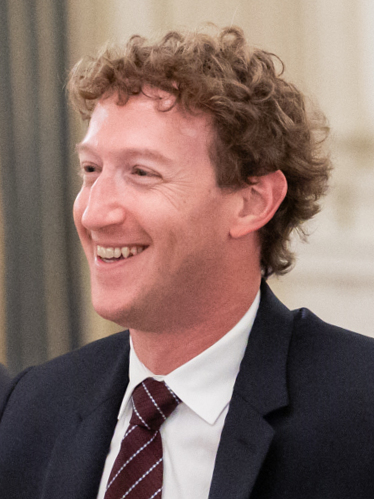
Mark Zuckerberg, Meta — the fastest pivot of the group
Zuckerberg and his wife donated $400 million to election infrastructure in 2020, money that drew heavy conservative criticism. In August 2024 he told Rep. Jim Jordan directly that he would not repeat that in 2024, saying his "goal is to be neutral." After the election, the pivot accelerated fast: Meta gave Trump's inaugural fund $1 million, Zuckerberg replaced longtime policy chief Nick Clegg with Republican operative Joel Kaplan, called Trump "badass" in public remarks, and told Congress the Biden administration had improperly "pressured" Meta to censor pandemic-era content.
On regulation specifically, Zuckerberg has been the most consistent voice against restriction, because Meta's strategy runs on open-weight models. His July 2024 Facebook post argued that "constraining American innovation to closed development increases the chance that we don't lead at all," aimed squarely at California's SB 1047. He formalized the position in a 6,500-word essay, "Open Source AI Is the Path Forward," published July 23, 2024, built around open access, invention as AI's purpose, and distributed power as the real safety strategy, a direct rebuttal to Anthropic's and OpenAI's more centralized, licensing-friendly instincts.
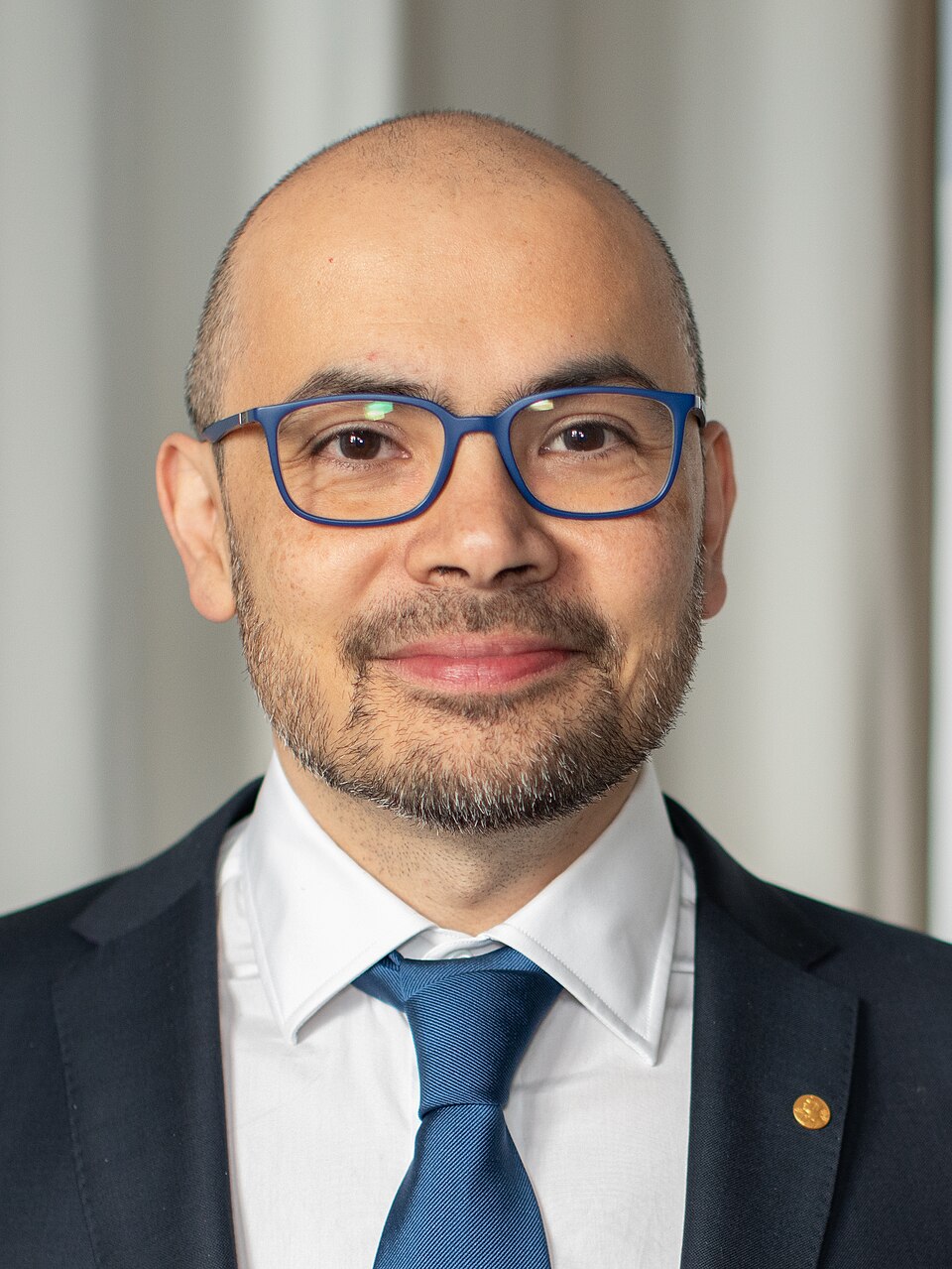
Demis Hassabis, Google DeepMind — outside the American party system entirely
Hassabis is a British citizen and doesn't donate to U.S. campaigns, so "party alignment" isn't a question that applies to him the way it does the other five. What he has been consistent and public about is wanting international, government-backed oversight of frontier AI. On July 14, 2026, he called for a US-led global AI watchdog "before year end," proposing a standards body modeled on the financial regulator FINRA that would start with voluntary evaluation protocols for frontier models and move toward mandatory ones. He's described AI as a "species-level transition" with "little margin for error," and when asked if he worried about ending up like Robert Oppenheimer, said plainly: "I worry about those kinds of scenarios all the time. That's why I don't sleep very much."
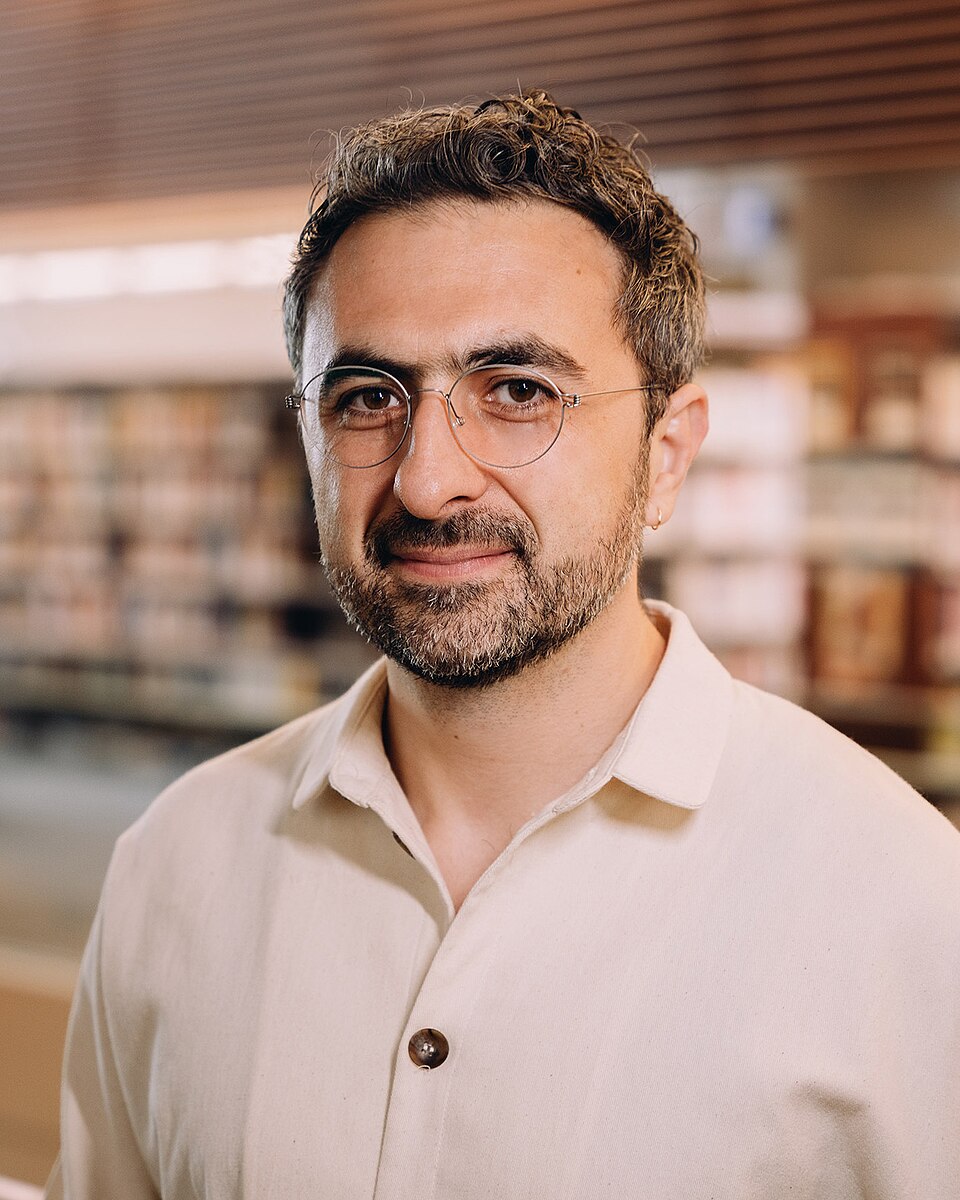
Mustafa Suleyman, Microsoft AI — the most openly pro-regulation voice in the group
Also British, also outside the U.S. donation system. Suleyman has put his own instincts down to nationality: "maybe it's because I'm a Brit with European tendencies, but I don't fear regulation in the way that sort of everyone seems to by default." Through September 2026 interviews, including on CNN's Fareed Zakaria GPS, he argued explicitly against using Chinese AI competition as an excuse to skip U.S. safety rules, saying "I don't think we should use China as the bogeyman," and that advanced models need to stay "interruptible, auditable and ultimately under human control." That puts him, by his own description, at odds with the Trump White House's preference for narrower rules and the administration's framing of AI safety concerns as overblown.
The Pattern
| Executive | Company | Alignment | On Regulation | Public Since |
|---|---|---|---|---|
| Sam Altman | OpenAI | Democrat → "politically homeless" | Pro-license (2023) → anti-slowdown (2025) | May 2023 / May 2025 |
| Elon Musk | xAI | Republican, largest 2024 donor | Says self-regulate; sues states that regulate | Ongoing 2024–26 |
| Dario Amodei | Anthropic | No party trail; funds pro-regulation PACs | Consistently pro-regulation | Pre-2023, reaffirmed 2024–26 |
| Mark Zuckerberg | Meta | Democrat-adjacent → sharp 2024-25 pivot right | Anti-restriction on open-source AI | Jul 2024 |
| Demis Hassabis | Google DeepMind | British, not a U.S.-party question | Pro international regulation | Jul 2026 |
| Mustafa Suleyman | Microsoft AI | British, not a U.S.-party question | Pro-regulation, explicitly anti-White House stance | Sep 2026 |
Sources: Newsweek, "Sam Altman Has Donated to Hundreds of Democrats, But Only One Republican"; Fortune, "Sam Altman, Democratic Party, politically homeless" (July 2025); VentureBeat and Forbes, Altman Senate testimony coverage (May 2023, May 2025); CBS News, "Elon Musk spends $277 million to back Trump and Republican candidates"; Axios, "Musk diving into 2026 midterms for the GOP"; The Hill, "xAI sues Colorado over AI regulation law"; CNBC, "Elon Musk talks up AI safety while fighting regulation" (Sept. 2026); Washington Examiner and Bloomberg, Dario Amodei / Public First PAC donations; darioamodei.com, "Machines of Loving Grace" and "The Adolescence of Technology"; NBC News, "How Mark Zuckerberg pivoted Meta to the right"; Benzinga, Zuckerberg testimony to Rep. Jim Jordan (Aug. 2024); about.fb.com, "Open Source AI Is the Path Forward" (July 23, 2024); Axios, "Google's Hassabis calls for new US-led global AI watchdog" (July 2026); Yahoo Finance and CNBC, Mustafa Suleyman AI regulation interviews (Sept. 2026).