Oregon Suspends Reading, Writing, and Math Proficiency Tests for High School Graduation
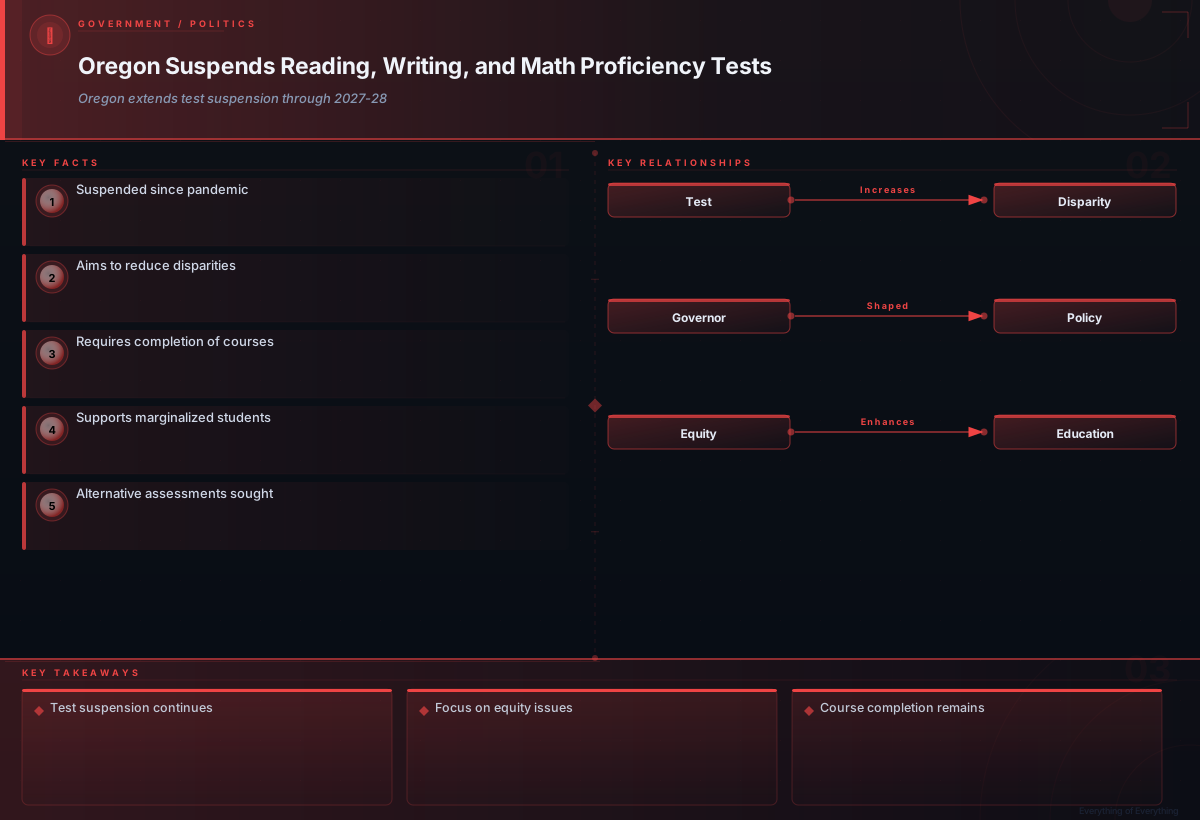
Under Governor Tina Kotek's administration, Oregon has extended its suspension of the Essential Skills requirement, which previously mandated that high school students prove proficiency in reading, writing, or math to graduate. This policy change was initially introduced during the height of the COVID-19 pandemic and has now been extended through at least the 2027-28 academic year [4].
The suspension of these tests is driven by equity concerns; officials argue that standardized testing disproportionately affects students from marginalized communities, who have historically demonstrated lower proficiency rates. As a result, the state education system aims to provide alternative pathways for graduation and alleviate the pressure on struggling learners while ensuring they complete necessary course credits in core subjects.
Foundational Concepts and Historical Context

Standardized Testing in U.S. Education
Standardized testing has long been a cornerstone of American educational assessment since the early 20th century, serving as an objective measure to evaluate student performance across different schools and districts [1]. The primary purpose was to ensure that all students received an education of comparable quality by holding schools accountable through test results.
Oregon's Educational Context
In Oregon, the Essential Skills requirement has been a critical component of graduation criteria for decades. Students were required to pass one or more state-administered tests in reading, writing, and math before being eligible for a high school diploma [2]. This policy was designed to guarantee that graduates had essential academic competencies needed for higher education and workforce participation.
Impact of the Pandemic
The onset of the COVID-19 pandemic in early 2020 disrupted traditional educational practices across Oregon, leading to widespread remote learning and school closures. As a result, many students were unable to take part in standard testing due to logistical challenges and health concerns [3]. This prompted the state government to reconsider its assessment policies.
Key Figures & Contributions

Governor Tina Kotek
Governor Tina Kotek has been instrumental in shaping Oregon's educational policy during her tenure. As an advocate for equity in education, she recognized the inequities perpetuated by standardized testing and took decisive action to suspend these requirements [4].
Julia Hakes (Oregon Health News Blog)
Julia Hakes, a prominent journalist at the Oregon Health News Blog, has extensively covered the health implications of school policies during the pandemic. Her articles have highlighted how regular COVID-19 testing supports in-person learning while emphasizing the importance of layered safety measures [5].
Current State & Recent Developments

Extension of Suspension
In 2026, Governor Kotek extended the suspension of proficiency tests through at least the 2027-28 academic year. This decision underscores the state's commitment to addressing long-standing educational disparities exacerbated by recent events [4]. The extension aims to allow educators and policymakers sufficient time to develop more equitable assessment methods.
Equity Concerns
Equity concerns have been a primary driver behind the policy changes. Studies indicate that students from marginalized communities, including Native Hawaiian/Pacific Islander students and those with learning disabilities, experienced significant declines in proficiency rates during remote learning periods [6]. By suspending standardized tests, Oregon seeks to mitigate these disparities and provide more inclusive educational opportunities.
Alternative Pathways
While traditional testing requirements have been suspended, students must still complete the required course credits in reading, writing, and math. This approach ensures that they remain academically engaged while reducing unnecessary pressure on learners who may struggle with standardized assessments [7]. Educators are encouraged to use alternative measures, such as portfolio reviews or project-based evaluations, to assess student competency.
Mechanisms & How It Works
Policy Implementation
The suspension of proficiency tests is implemented through executive orders and guidance from the Oregon Department of Education (ODE) in collaboration with the Oregon Health Authority (OHA). These entities provide clear directives to schools regarding alternative assessment methods [4].
Alternative Assessment Methods
Alternative assessment methods include portfolio reviews, project-based evaluations, and teacher assessments. Educators are encouraged to use a variety of tools to evaluate student learning outcomes holistically [7]. This approach aims to capture the full spectrum of skills that standardized tests may overlook.
Real-World Applications & Case Studies

Salem-Keizer School District
The Salem-Keizer school district, Oregon's second-largest, has been at the forefront of implementing alternative assessment strategies. With low test participation rates and scores below state averages in core subjects, the district has embraced project-based learning to engage students and assess their proficiency comprehensively [8].
Native Hawaiian/Pacific Islander Students
Schools serving large populations of Native Hawaiian/Pacific Islander students have reported significant improvements in student engagement and performance since the suspension of standardized testing. These institutions are using culturally relevant curricula and community-driven assessments to foster a more inclusive educational environment [9].
Controversies & Open Questions

Effectiveness of Alternative Assessments
While alternative assessment methods offer promising alternatives, there is ongoing debate about their effectiveness in measuring essential skills comprehensively. Some critics argue that these methods may lack the rigor needed for college and career readiness [10].
Long-term Impact on Education Quality
The long-term impact of suspending standardized testing remains a critical question. While immediate benefits include reduced stress and improved equity, there is concern about potential declines in academic standards and accountability measures over time [11].
Key Takeaways
- Governor Tina Kotek's Leadership: Governor Tina Kotek has championed the suspension of proficiency tests to address long-standing educational disparities.
- Equity Concerns: The policy extension aims to mitigate the disproportionate impact of standardized testing on marginalized communities.
- Alternative Assessment Methods: Schools are encouraged to use portfolio reviews, project-based evaluations, and teacher assessments as valid measures of student competency.
- Salem-Keizer School District's Success: This district exemplifies how alternative assessment strategies can improve engagement and performance among students.
- Culturally Relevant Curricula: Implementing culturally relevant curricula has shown positive outcomes for Native Hawaiian/Pacific Islander students.
By suspending proficiency tests, Oregon aims to create a more inclusive educational system that prioritizes equity and holistic student development. However, ongoing debates about the long-term impact of these changes highlight the need for continued research and evaluation in this evolving field.
Data Overview