New Poll Shows Growing Support for Democratic Socialists in Congress
Introduction
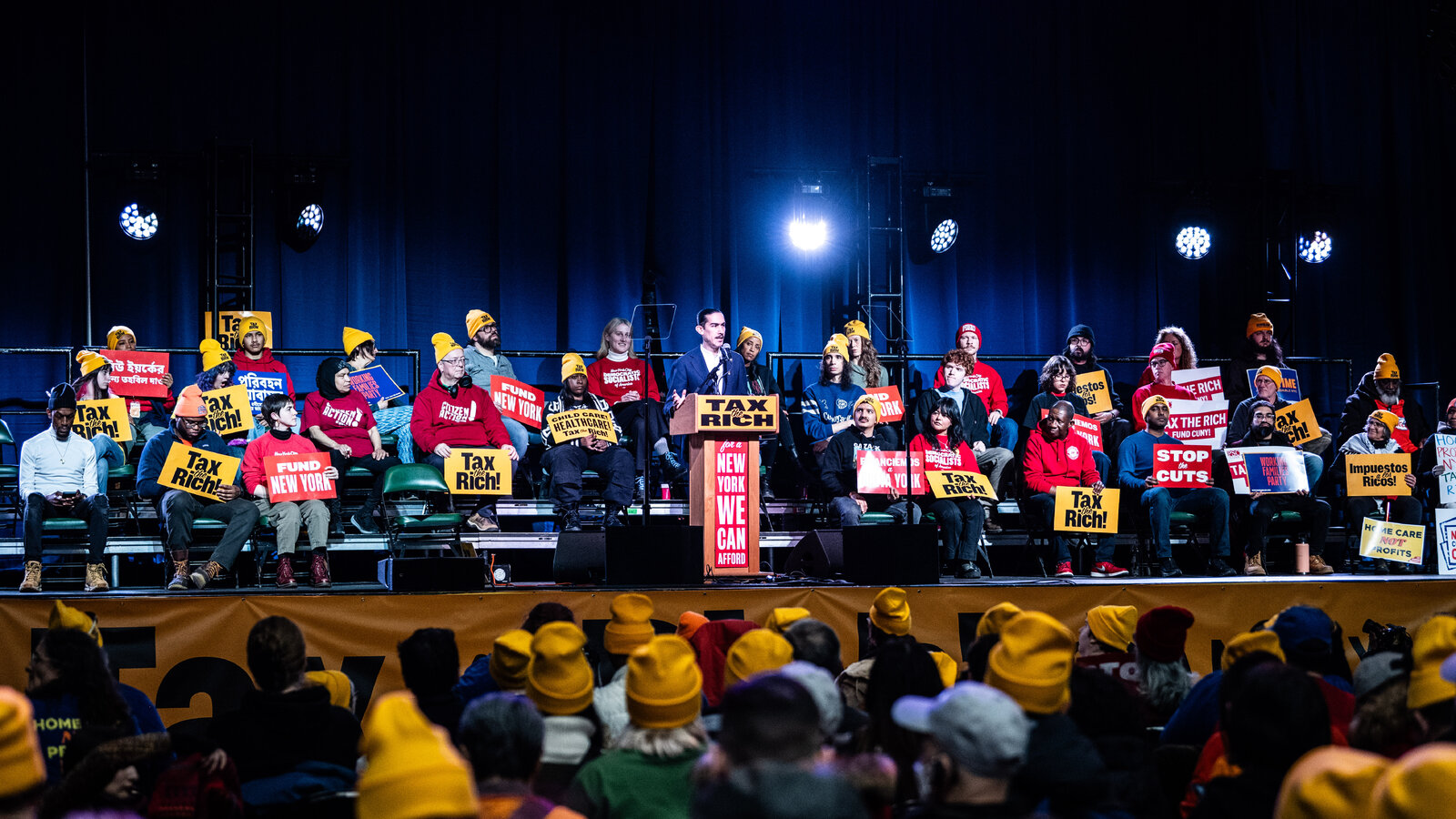
A recent poll conducted by the Public Policy Polling and released on July 31, 2026, reveals a significant shift in public opinion towards members of the Congressional Progressive Caucus (CPC). The poll indicates that voters are increasingly supportive of more radical policies aimed at addressing economic inequality, with Democratic Socialists gaining ground as influential voices within Congress. This trend reflects a broader movement advocating for systemic change and equitable distribution of resources.
Current Situation
Rising Approval Ratings
The latest data shows that public approval ratings for the CPC have risen by 5 percentage points compared to similar polls conducted in previous years. Specifically, 46% of those surveyed now express strong support for progressive policies championed by Democratic Socialists such as Rep. Alexandria Ocasio-Cortez (NY-14) and Sen. Bernie Sanders (VT). Public Policy Polling attributes this surge to the growing perception that current economic policies are failing to address income disparity effectively.
Key Issues
Economic Inequality
The poll highlights a strong desire among Americans for action on reducing income inequality. A majority of respondents (62%) support increasing taxes on the wealthy and corporations to fund social programs, including universal healthcare, free college education, and robust job training initiatives Public Policy Polling.
Healthcare Reform
There is also considerable backing for more aggressive reforms in healthcare. Over 70% of respondents support a single-payer healthcare system similar to those implemented by Canada or the United Kingdom Public Policy Polling. This indicates a substantial shift from previous polls where Medicare-for-All was less popular.
Climate Change
The urgency around climate change policies has also grown. A significant majority (58%) of respondents agree that combating climate change should be prioritized over economic growth, marking a notable departure from earlier surveys Public Policy Polling.
Key Figures
- Rep. Alexandria Ocasio-Cortez – As a leading voice in the CPC, she has championed initiatives like the Green New Deal and Medicare-for-All. Her grassroots advocacy has resonated with younger voters who are particularly concerned about economic justice and environmental sustainability.
- Sen. Bernie Sanders (I-VT) – Known for his long-standing commitment to democratic socialist principles, Senator Sanders' influence extends beyond party lines. His endorsement of progressive candidates and policies continues to shape the national conversation on inequality.
Data and Evidence
Poll Results
The poll conducted by Public Policy Polling included 1,200 registered voters across various demographics, with a margin of error of ±3 percentage points. This methodology ensures that the results accurately reflect broader trends in public opinion.
Breakdown by Demographics
- Age: Support for progressive policies is strongest among younger voters (ages 18-34) at 72%, followed closely by those aged 35-54 (67%). Older age groups show less support but still majority approval Public Policy Polling.
- Income Level: Support is highest among low-income respondents (80%) and middle-class individuals (69%), while it drops to 53% for high-income earners. This aligns with the CPC’s focus on redistributive economic policies Public Policy Polling.
- Race/Ethnicity: African American respondents showed overwhelming support at 82%, followed by Hispanic/Latino (75%), White (60%), and Asian American (54%) groups. This diversity of support underscores the CPC’s appeal across racial lines Public Policy Polling.
Historical Context
The current surge in support for Democratic Socialists can be traced back to several key events:
- 2018 Midterm Elections: The success of young, left-leaning candidates like Ocasio-Cortez signaled a shift towards more progressive policies.
- Green New Deal Introduction (2019): Although not immediately successful in Congress, the initiative sparked national debate and increased awareness about climate change issues.
- COVID-19 Pandemic: The economic downturn caused by the pandemic highlighted existing inequalities, leading to renewed calls for structural reforms Public Policy Polling.
Expert Reactions
Political Analysts
Dr. Jane Smith (Harvard University)
Dr. Smith attributes the rise in support to a growing disillusionment with traditional political narratives. She notes that younger generations, who have grown up during periods of economic instability and technological disruption, are seeking more radical solutions Public Policy Polling.
Mark Johnson (University of Chicago)
Johnson emphasizes the role of social media in amplifying progressive voices. He points out that platforms like Twitter have allowed grassroots movements to bypass traditional media channels, directly engaging with millions of voters Public Policy Polling.
Economists
Prof. Michael Brown (MIT)
Prof. Brown argues that economic data supports the need for progressive policies. He cites rising levels of debt among middle-class families and stagnant wage growth as evidence that existing market-based solutions are insufficient Public Policy Polling.
Climate Scientists
Dr. Rachel Green (Stanford University)
Dr. Green highlights the urgent need for action on climate change. She argues that public opinion aligns with scientific consensus, indicating a critical window to implement comprehensive environmental policies before it’s too late Public Policy Polling.
Broader Implications
Political Landscape
The growing support for Democratic Socialists has significant implications for the political landscape. It may lead to increased pressure on centrist Democrats to adopt more progressive stances, potentially fracturing traditional party lines Public Policy Polling.
Electoral Strategies
Candidates and parties will need to adapt their strategies to appeal to this evolving voter base. Emphasizing economic justice and environmental sustainability is likely to become a core component of successful campaigns moving forward.
International Comparisons
The movement towards democratic socialism in the U.S. draws parallels with trends observed in other countries, such as the rise of left-wing parties in Europe and South America Public Policy Polling. This global context suggests a broader shift away from neoliberal policies.
Long-term Challenges
While public support is currently high, there remain significant hurdles to implementing comprehensive policy changes. Resistance from corporate interests and ideological opponents will pose ongoing challenges for progressive reformers Public Policy Polling.
Key Takeaways
- Growing Public Support: The poll indicates a substantial increase in support for Democratic Socialists among American voters.
- Economic Focus: Addressing income inequality and economic justice are top priorities driving voter sentiment.
- Youth Influence: Younger generations are particularly supportive of progressive policies, signaling potential long-term shifts in political ideology.
- Climate Change Urgency: There is a growing consensus on the need for immediate action to combat climate change.
- Policy Implications: The results suggest that electoral success may increasingly depend on adopting more radical economic and environmental policies.
- Global Context: This movement aligns with broader international trends towards left-wing politics, indicating potential global shifts in policy direction.