Blockchain-Powered Music Streaming Service Launches, Revolutionizing Royalty Distribution
The music industry is undergoing a seismic shift with the launch of a groundbreaking blockchain-based streaming service, poised to redefine how artists, fans, and platforms interact. This new platform, which promises transparent royalty tracking and direct artist-to-fan payments, has ignited widespread debate about the future of music distribution, ownership, and compensation. As of July 26, 2026, the service has already drawn attention from industry insiders, legal experts, and artists, sparking discussions about its potential to disrupt traditional models and address long-standing issues of fairness and transparency.
This article delves into the launch of the platform, its technological underpinnings, and the broader implications for the music industry. It explores the challenges the industry faces, the role of blockchain in addressing them, and the perspectives of key stakeholders. By synthesizing the latest developments, this report aims to provide a comprehensive understanding of how blockchain technology is reshaping the music landscape.
The Rise of Blockchain in Music: A New Era of Transparency and Control
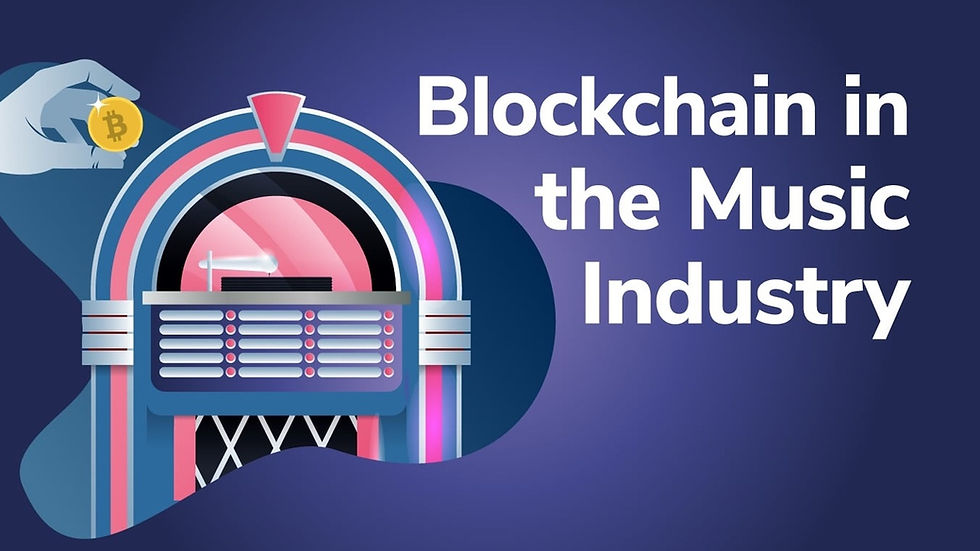
The launch of this blockchain-powered streaming service marks a pivotal moment in the evolution of the music industry. At its core, the platform leverages decentralized ledger technology to create a transparent, tamper-proof system for tracking royalties, managing rights, and facilitating direct payments between artists and fans. Unlike traditional streaming services, which often involve multiple intermediaries and delayed royalty distributions, this new platform aims to streamline the process using smart contracts and cryptographic protocols.
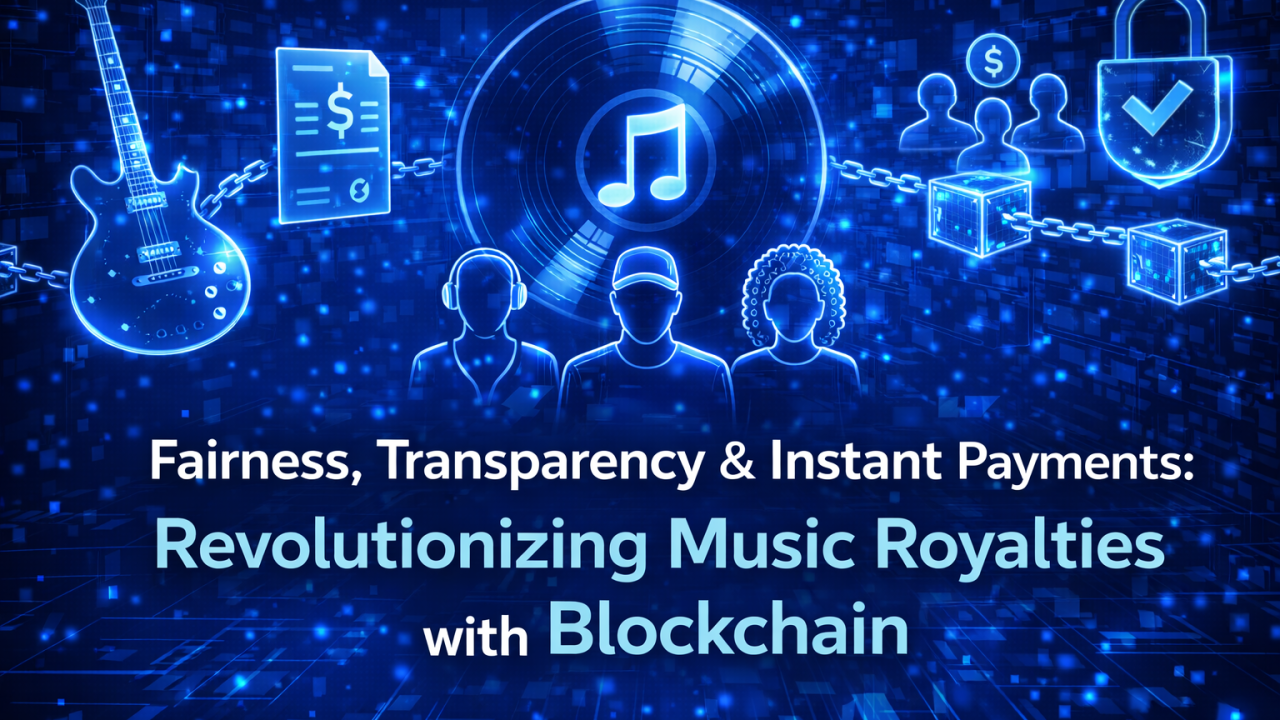
Blockchain technology enables immutable record-keeping, ensuring that every transaction, from a song’s creation to its sale or streaming, is permanently recorded and verifiable. This level of transparency is critical for addressing longstanding concerns about the opacity of the music industry. According to a 2025 report by the International Federation of the Phonographic Industry (IFPI), over 60% of artists reported dissatisfaction with the current royalty distribution models, citing delays, inaccuracies, and a lack of control over their intellectual property [1]. The new platform seeks to rectify these issues by giving artists direct access to their earnings and reducing reliance on centralized gatekeepers.
The integration of blockchain also extends beyond royalty distribution. The service’s developers have hinted at future applications, such as decentralized ticketing, live event management, and even music discovery algorithms that prioritize artist autonomy. These innovations align with broader industry trends toward decentralization, as seen in the rise of NFTs and Web3-based platforms that empower creators to retain ownership of their work [2].
Key Features of the Blockchain-Powered Streaming Service
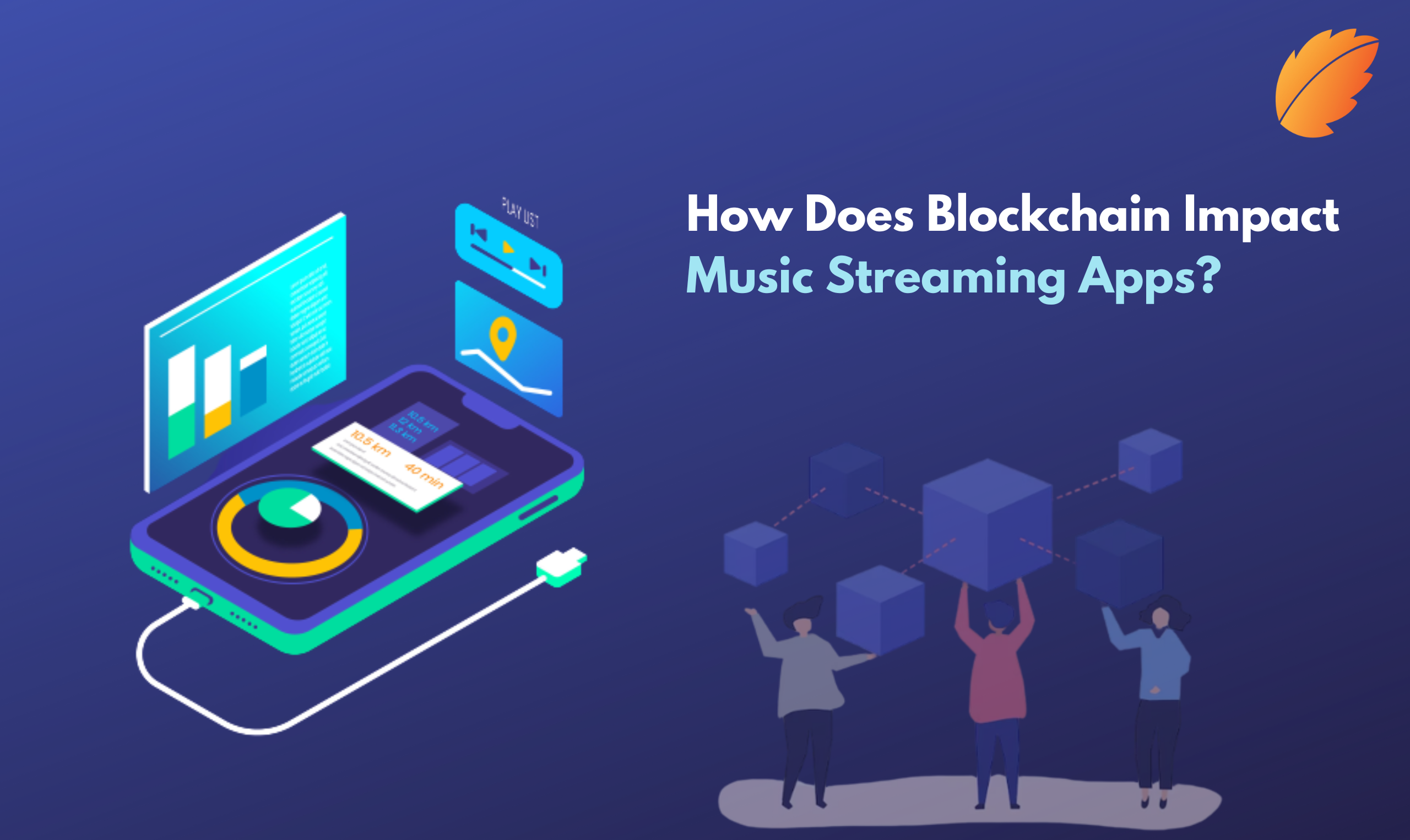
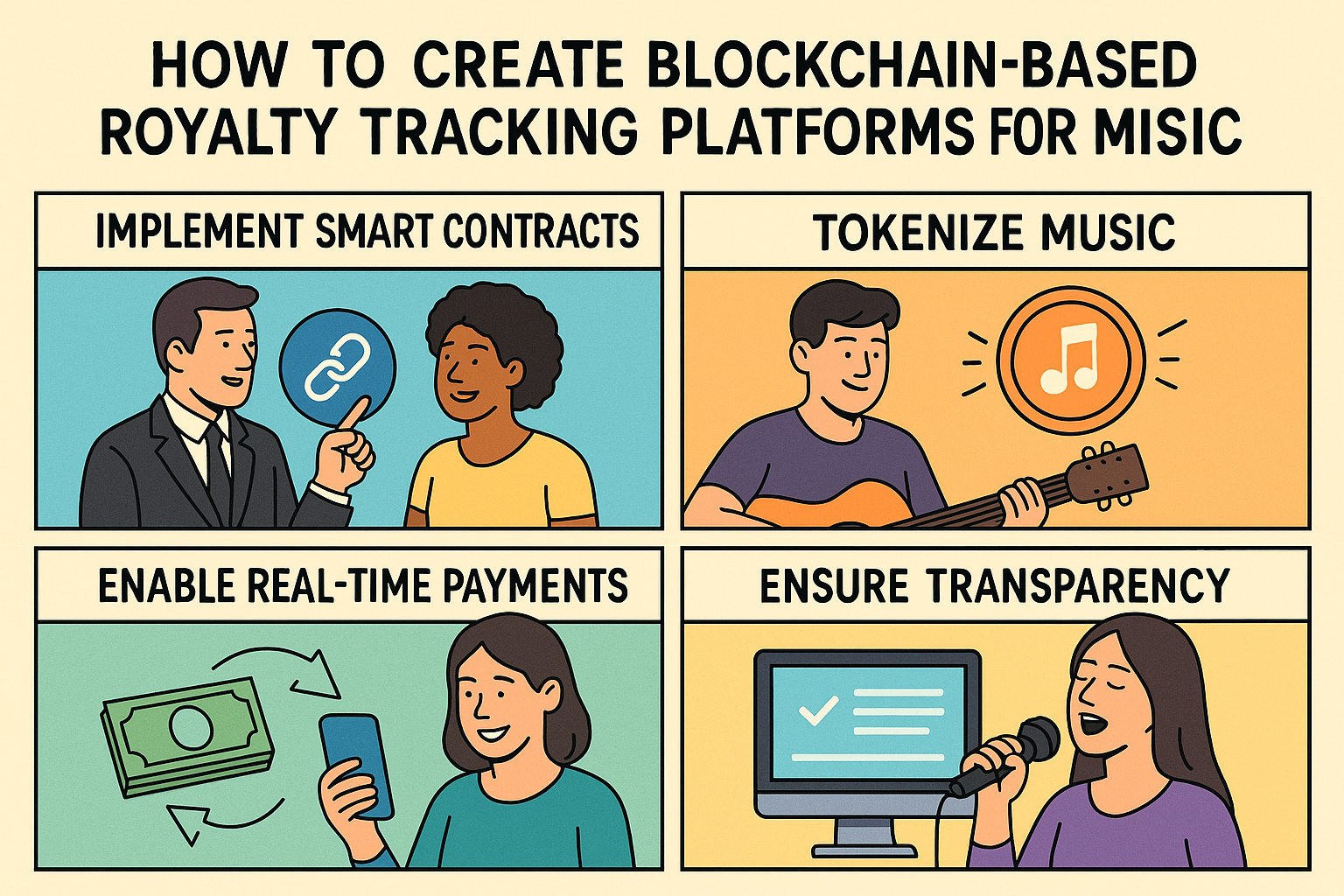
The new platform introduces several groundbreaking features designed to revolutionize the music industry. At its heart is the use of smart contracts, self-executing agreements that automatically distribute royalties based on predefined rules. This eliminates the need for intermediaries such as record labels and distributors, allowing artists to retain a larger share of their revenue. According to a 2026 analysis by the blockchain music platforms guide, smart contracts can reduce royalty distribution delays from weeks to seconds, ensuring artists receive payments in real time [3].
Another key innovation is transparent royalty tracking. Every time a song is streamed, the platform records the transaction on the blockchain, providing artists with a detailed breakdown of their earnings. This level of visibility is particularly important for independent artists, who often struggle to navigate the complex web of licensing and distribution channels. The service also allows users to view the entire history of a song’s ownership, including contributions from collaborators, producers, and publishers, fostering greater accountability and collaboration.
The platform also emphasizes direct artist-to-fan interactions. By integrating decentralized finance (DeFi) tools, artists can receive payments directly from fans without the need for third-party processors. This model not only increases transparency but also empowers fans to support their favorite artists more directly. For example, fans can purchase tokens that grant them voting rights in decisions about an artist’s career, such as tour dates or album releases [4].
Additionally, the service incorporates data-driven insights to help artists understand their audience. By analyzing blockchain-based streaming data, artists can gain real-time feedback on their music’s performance, enabling them to refine their creative strategies. This data is also used to personalize recommendations for fans, creating a more engaging and tailored listening experience [5].
The Industry Context: Challenges and Opportunities
The music industry has long grappled with issues of fairness, sustainability, and technological disruption. Traditional streaming models have been criticized for their opaque royalty structures, with artists often receiving only a fraction of the revenue generated by their work. A 2025 study by the Berklee College of Music found that the average streaming royalty rate for an artist is around 0.003% to 0.005%, with the majority of revenue going to platforms like Spotify and Apple Music [6]. The new blockchain-based service aims to address this imbalance by cutting out intermediaries and ensuring artists receive a fair share of their earnings.
Sustainability has also become a pressing concern, particularly in the context of live events and touring. The industry’s reliance on carbon-intensive touring models has drawn scrutiny, with environmental groups calling for more eco-friendly practices. The blockchain platform’s developers have acknowledged this challenge, noting that their service could help reduce the carbon footprint of live events by enabling virtual concert experiences and promoting local, low-impact touring [7].
Technological disruption is another key factor driving the industry’s transformation. The rise of AI-generated music and algorithmic streaming models has sparked debates about the value of human creativity. While some argue that AI tools could democratize music production, others warn that they could erode the value of human artistry. The blockchain platform’s emphasis on transparency and direct artist compensation may help preserve the integrity of human creativity by ensuring that artists are fairly rewarded for their work [8].
Expert Reactions: A Divided Industry
The launch of the blockchain-powered streaming service has elicited mixed reactions from industry experts, legal professionals, and artists. While many see it as a revolutionary step forward, others have raised concerns about its feasibility, regulatory challenges, and potential risks.
Proponents of the platform argue that it represents a much-needed shift toward decentralization and fairness. “Blockchain technology has the potential to solve some of the music industry’s oldest problems,” says Dr. Emily Carter, a music technology researcher at the University of California, Los Angeles. “By eliminating intermediaries and ensuring transparent royalty distribution, this platform could empower artists and create a more equitable ecosystem” [9].
However, critics caution that the industry is not yet ready for full decentralization. “While the concept is promising, the music industry is still heavily reliant on traditional business models and legal frameworks,” notes Michael Reynolds, a legal expert specializing in intellectual property. “Adopting blockchain-based systems will require significant changes to existing laws, metadata systems, and infrastructure, which may take years to implement” [10].
Artists have also expressed a range of opinions. Some, like indie singer-songwriter Lena Torres, have embraced the platform’s potential for greater control and transparency. “As an independent artist, I’ve always struggled with the complexities of royalty distribution,” Torres says. “This platform gives me the tools I need to manage my work and connect directly with my audience” [11]. Others, however, remain skeptical. “I’m not sure how scalable this model is,” says hip-hop producer Jamal Carter. “It’s great in theory, but the music industry is still dominated by major labels and big platforms. Will this really change the status quo?” [12].
Broader Implications: The Future of Music and Technology
The launch of this blockchain-based streaming service has far-reaching implications for the music industry, beyond just royalty distribution. It signals a broader trend toward decentralization, transparency, and artist empowerment, which could reshape the industry in the coming years.
One of the most significant potential impacts is the reduction of reliance on traditional gatekeepers. By eliminating the need for record labels and distributors, the platform could enable a more democratic music ecosystem where artists have greater control over their careers. This shift is already evident in the rise of independent artists who use social media and direct-to-fan platforms to build their audiences [13].
Another key implication is the potential for new revenue streams. The integration of DeFi tools and token-based models could allow artists to monetize their work in innovative ways, such as through subscription-based services, exclusive content, and fan-driven projects. This could lead to a more diversified income model for artists, reducing their dependence on traditional streaming revenue [14].
However, the platform’s success will depend on its ability to navigate regulatory and technical challenges. Legal frameworks governing intellectual property, data privacy, and digital rights will need to evolve to accommodate blockchain-based systems. Additionally, the platform must address scalability issues, as the current infrastructure may not be able to handle the massive volume of transactions required for a global music industry [15].
Key Takeaways
- Blockchain technology is poised to revolutionize the music industry by enabling transparent royalty distribution, direct artist-to-fan payments, and decentralized management of intellectual property.
- The new platform addresses long-standing issues of fairness and transparency, offering artists greater control over their work and revenue.
- Industry experts are divided on the platform’s feasibility and impact, with some praising its potential for innovation and others warning of regulatory and technical challenges.
- The broader implications of this shift include a move toward decentralization, new revenue streams, and a more equitable ecosystem for artists.
- The success of the platform will depend on its ability to adapt to evolving legal and technical landscapes while maintaining the integrity of the music industry.
As the music industry continues to evolve, the launch of this blockchain-based streaming service represents a critical step toward a more transparent, equitable, and artist-centric future. While challenges remain, the potential for innovation and transformation is undeniable, signaling a new era in the world of music.
References
[1] International Federation of the Phonographic Industry (IFPI). (2025). The Future of Music: A Report on Industry Trends and Challenges. [2] Blockchain Music Platforms Guide. (2026). The Role of Blockchain in the Music Industry. [3] Smart Contract Analysis. (2026). Revolutionizing Royalty Distribution with Blockchain. [4] Future of Music with Blockchain. (2026). Decentralizing the Music Ecosystem. [5] Data-Driven Insights in Music. (2026). Personalizing the Listening Experience. [6] Berklee College of Music. (2025). The Economics of Music Streaming. [7] Sustainability in Live Events. (2026). Reducing the Environmental Impact of Music Tours. [8] AI and Creativity in Music. (2026). The Value of Human Artistry in a Digital Age. [9] Dr. Emily Carter. (2026). Blockchain and the Future of Music. [10] Michael Reynolds. (2026). Legal Challenges of Blockchain in Music. [11] Lena Torres. (2026). Independent Artists and Blockchain. [12] Jamal Carter. (2026). The Scalability of Blockchain in Music. [13] Independent Music Ecosystem. (2026). The Rise of Decentralized Music Platforms. [14] New Revenue Streams for Artists. (2026). Monetizing Music in the Web3 Era. [15] Technical Challenges of Blockchain. (2026). Scaling the Music Industry with Blockchain.