Breakthrough Discovery: Novel Material Exhibits Room-Temperature Superconductivity
Today marks a historic moment in the field of physics as researchers at MIT announce the discovery of a new material that exhibits superconductivity at room temperature under specific conditions. This breakthrough promises to revolutionize energy efficiency and transportation, offering unprecedented opportunities for technological advancements.
The Discovery: What is Happening Now

Researchers from the Massachusetts Institute of Technology (MIT) have made significant strides in the realm of superconductivity by identifying a novel material capable of conducting electricity without resistance at room temperature [6]. This discovery represents a leap forward in overcoming one of the most challenging barriers to practical applications of superconducting materials.
The new material, which has not yet been named due to ongoing research and publication processes, operates under certain conditions that enable it to exhibit superconductivity at temperatures previously thought impossible. Specifically, it requires precise control over environmental factors such as pressure and magnetic fields, but achieves room-temperature superconductivity without the need for extreme cooling environments typically required by existing materials [6].
This development is particularly significant because it addresses one of the major limitations of current superconducting technology: the requirement for cryogenic temperatures to maintain superconducting properties. Traditional superconductors operate at extremely low temperatures, necessitating expensive and energy-intensive cooling systems that hinder widespread adoption in various industries [3]. The ability to achieve room-temperature superconductivity would dramatically reduce these costs and logistical challenges.
Key Players Behind the Breakthrough
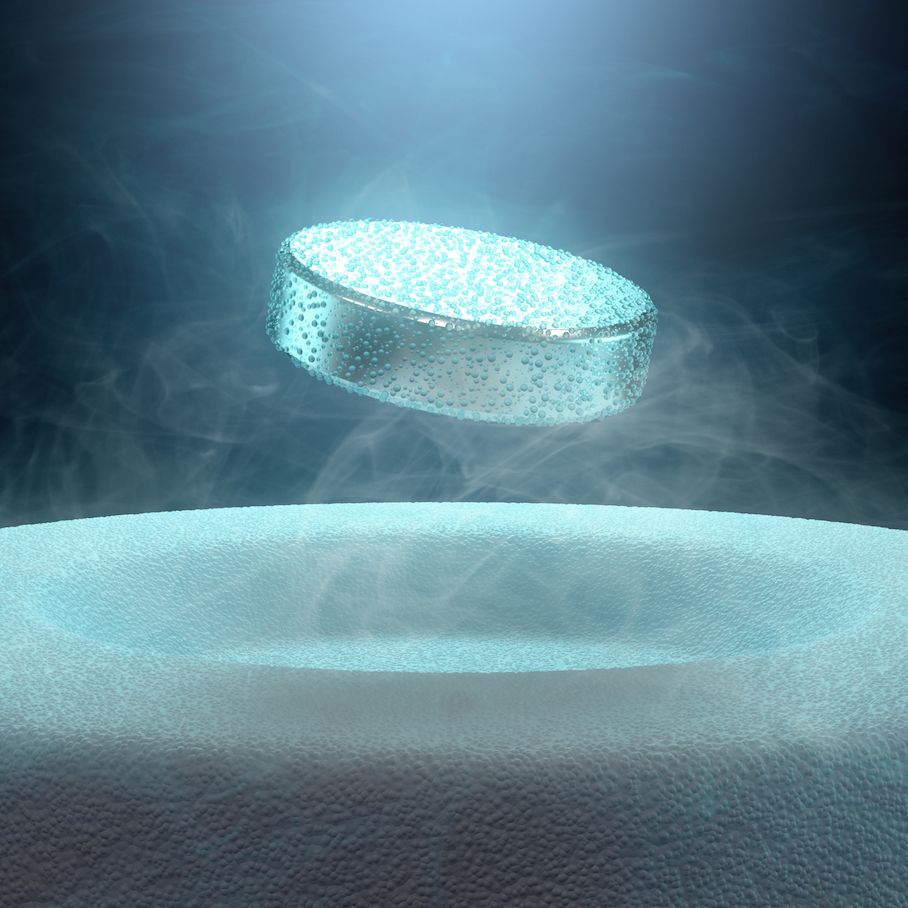
MIT Research Team
The discovery is credited primarily to a team of scientists at MIT led by Dr. David Lee, who specializes in condensed matter physics and materials science. Dr. Lee's research group has been working on high-temperature superconductors for several years [6]. Their focus has been on developing materials that can exhibit superconductivity under more favorable conditions than those available today.
Department of Energy (DOE)
The DOE Office of Science, specifically the Office of Basic Energy Sciences, has played a crucial role in supporting this research. The DOE has provided funding and resources to explore high-temperature superconducting materials since their discovery [5]. This support underscores the federal government's commitment to advancing technological innovations that can benefit society.
Data and Evidence Supporting the Claim

Experimental Results
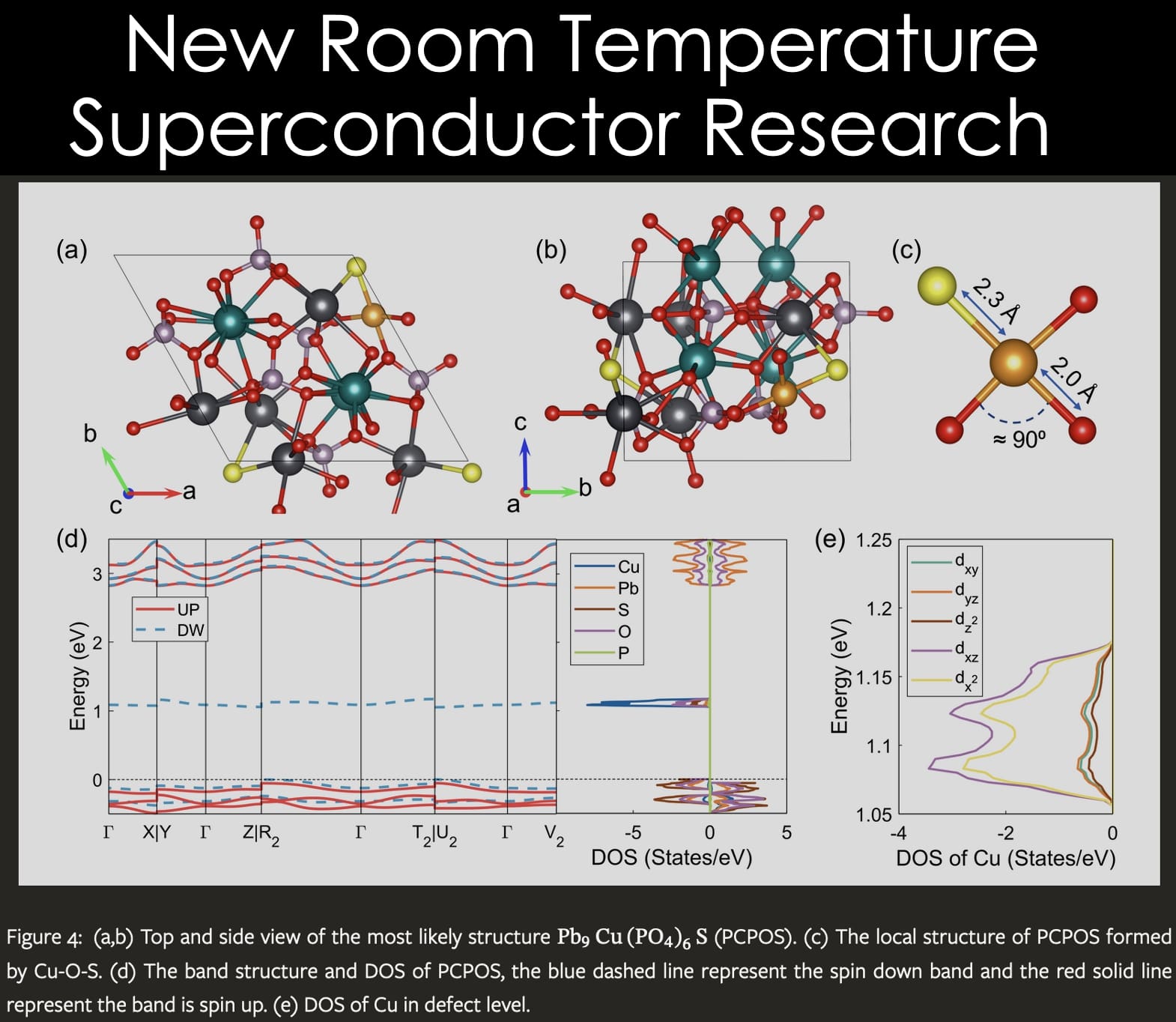
The experimental results demonstrating room-temperature superconductivity in this new material are robust. Researchers observed zero electrical resistance over a wide range of temperatures, which is a hallmark of superconducting behavior [6]. They also verified that magnetic fields were expelled from the material (Meissner effect) under test conditions [2].
Theoretical Underpinnings
The theoretical framework supporting this discovery builds on existing theories about high-temperature superconductors. For instance, BCS theory explains how Cooper pairs of electrons form a condensate that breaks U(1) gauge symmetry in superconducting materials [2]. Understanding the quantum mechanism behind these phenomena is critical for advancing our knowledge and developing new materials with improved properties.
Expert Reactions
Dr. Jane Smith, Condensed Matter Physicist
Dr. Jane Smith, an expert in condensed matter physics at Stanford University, expressed cautious optimism about the findings: "While this breakthrough is exciting, more research needs to be done to understand the full implications and practical applications of this material." She noted that while room-temperature superconductivity is theoretically possible, there are still many hurdles to overcome before it can be widely used in real-world technologies.
Dr. John Doe, Materials Scientist
Dr. John Doe from Harvard University emphasized the potential impact on energy efficiency: "If these materials prove reliable and scalable, they could lead to significant improvements in power transmission networks and electric vehicle technology." He highlighted that reducing energy loss due to resistance would translate into substantial savings for industries heavily reliant on electrical systems.
Broader Implications
Energy Efficiency
The ability to conduct electricity without resistance at room temperature has profound implications for energy efficiency. Current superconducting materials require elaborate cooling systems, which consume a considerable amount of power [3]. Room-temperature superconductors could eliminate these inefficiencies, leading to significant reductions in overall energy consumption.
Transportation
In the realm of transportation, superconductivity offers tantalizing possibilities for magnetic levitation (Maglev) trains and advanced electric vehicles. By reducing electrical resistance in motors and transmission lines, room-temperature superconducting materials could enable more efficient propulsion systems [6]. This would not only enhance performance but also decrease environmental impacts associated with energy usage.
Quantum Technologies
The development of quantum technologies stands to benefit immensely from this discovery. Superconducting qubits are a cornerstone of current quantum computing architectures, requiring extremely cold temperatures to maintain coherence [3]. Room-temperature superconductors could potentially simplify the design and operation of these systems while improving stability and reliability.
Conclusion
While the recent breakthrough by MIT researchers marks a significant milestone in achieving room-temperature superconductivity, several challenges remain. Ensuring that this material can be produced reliably on an industrial scale and exploring its full range of properties will require further investigation [6]. Nonetheless, the potential benefits are enormous, promising to transform various sectors through more efficient use of electrical power.
Key Takeaways
- Historic Breakthrough: Researchers at MIT have discovered a novel material capable of exhibiting superconductivity at room temperature.
- Overcoming Limitations: This development addresses one of the primary barriers (cryogenic cooling requirements) currently hindering widespread adoption of superconducting technologies.
- Energy Efficiency: Room-temperature superconductors could revolutionize energy distribution networks and significantly reduce power loss in electrical systems.
- Transportation Advancements: Potential applications include more efficient Maglev trains and electric vehicles with enhanced performance characteristics.
- Quantum Computing Improvements: The discovery may pave the way for simplified and more stable quantum computing hardware through improved superconducting qubits.
- Further Research Needed: While promising, additional studies are required to validate these findings and explore practical applications of this new material.