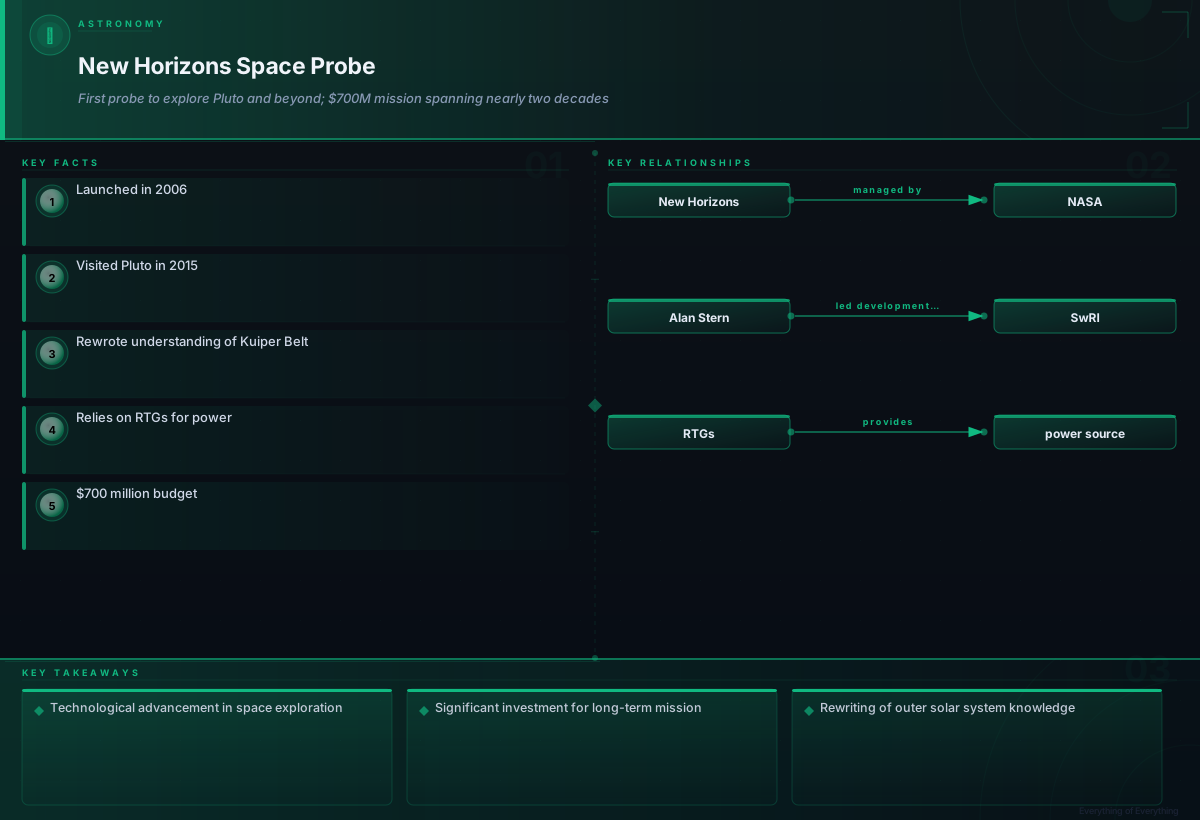
New Horizons Space Probe: A Journey to the Edge of Our Solar System
Introduction and Significance
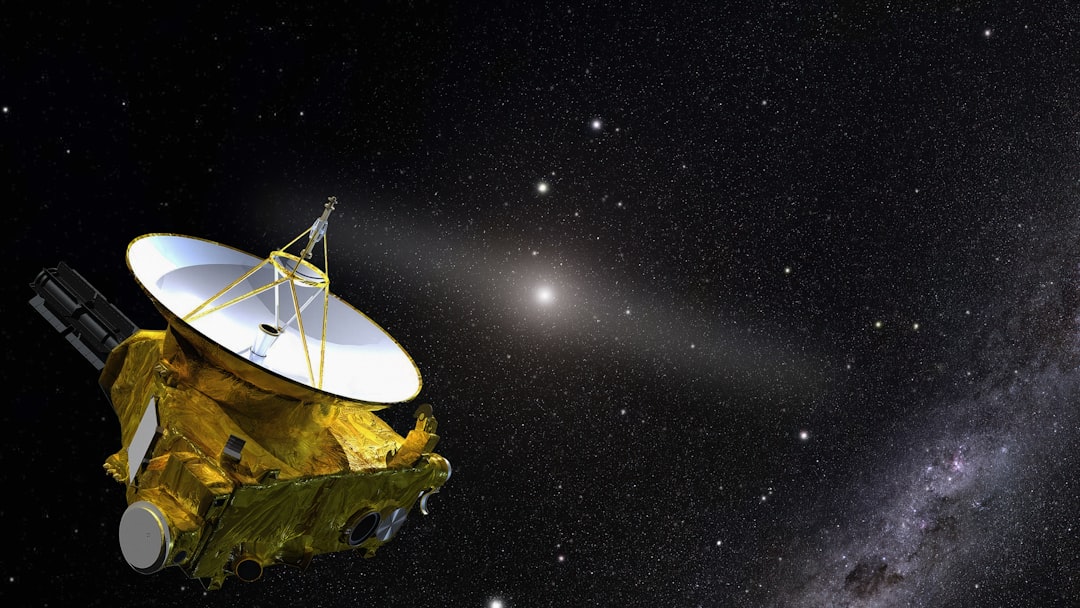
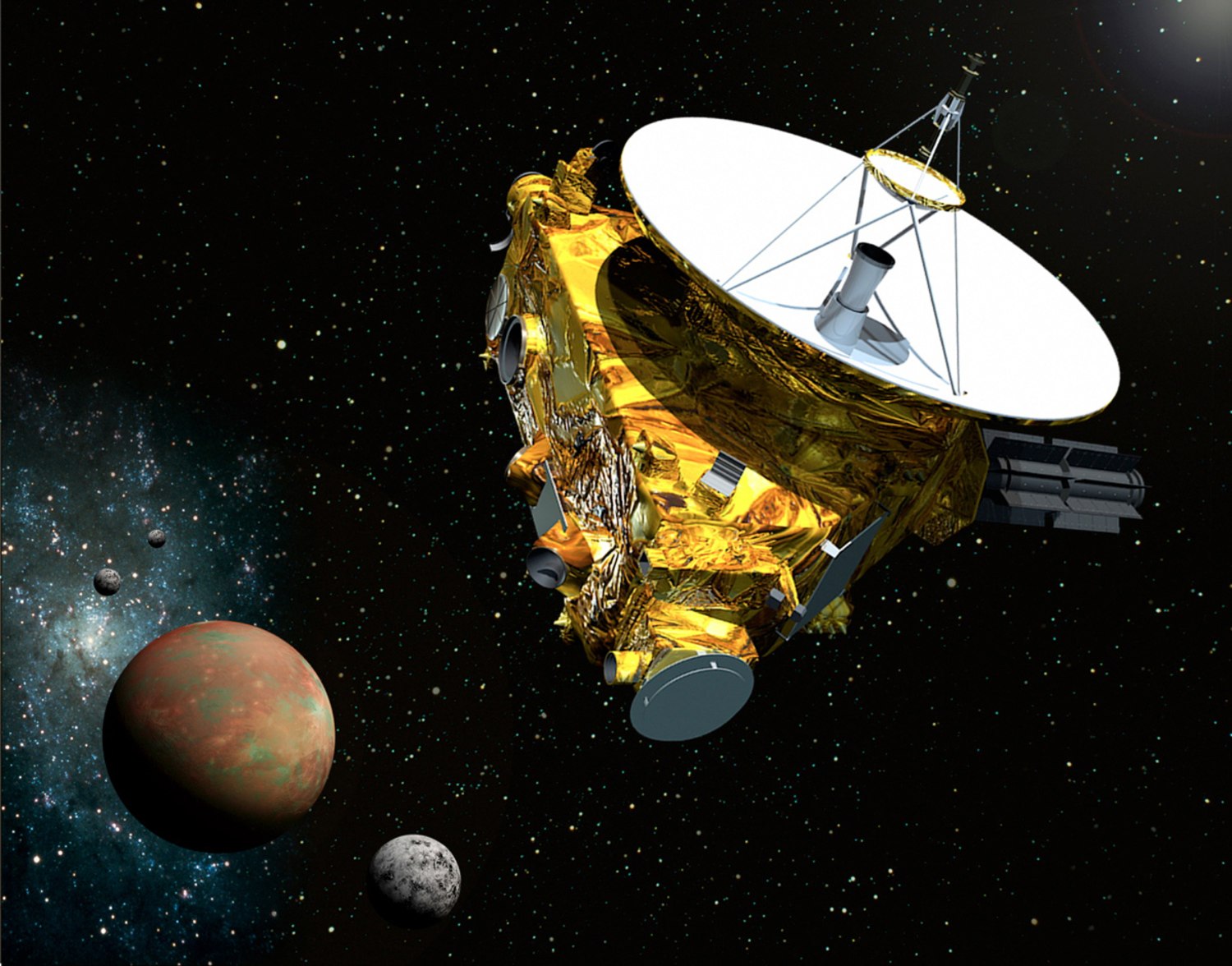
The New Horizons mission, launched by NASA in 2006, marks a monumental milestone in our exploration of the outer solar system. As the first probe designed specifically for exploring Pluto and beyond, it has rewritten our understanding of the Kuiper Belt and small bodies in that region. The spacecraft's journey from its development to its current status as an active mission spanning nearly two decades is nothing short of remarkable. In this article, we delve into the construction, costs, creators, systems on board, timeline, and primary mission objectives of New Horizons.
Construction and Costs
New Horizons was conceived in a time when planetary missions were managed by principal investigators under NASA’s New Frontiers Program. The total cost for the entire 15-year mission, including spacecraft development, instrument design, launch vehicle acquisition, mission operations, data analysis, and education/public outreach, was approximately $700 million [1]. This budget reflects a significant investment in scientific research and technological advancement, highlighting NASA's commitment to expanding our knowledge of the outer solar system.
Creators and Development
The New Horizons project is a collaboration between various institutions and individuals. Key figures include Alan Stern, the principal investigator who led the development team at Southwest Research Institute (SwRI), and the Johns Hopkins Applied Physics Laboratory (APL), which was responsible for mission operations [2]. The spacecraft's design and engineering were meticulous, with stringent requirements to withstand extreme temperatures and radiation levels encountered in space.
Systems on Board
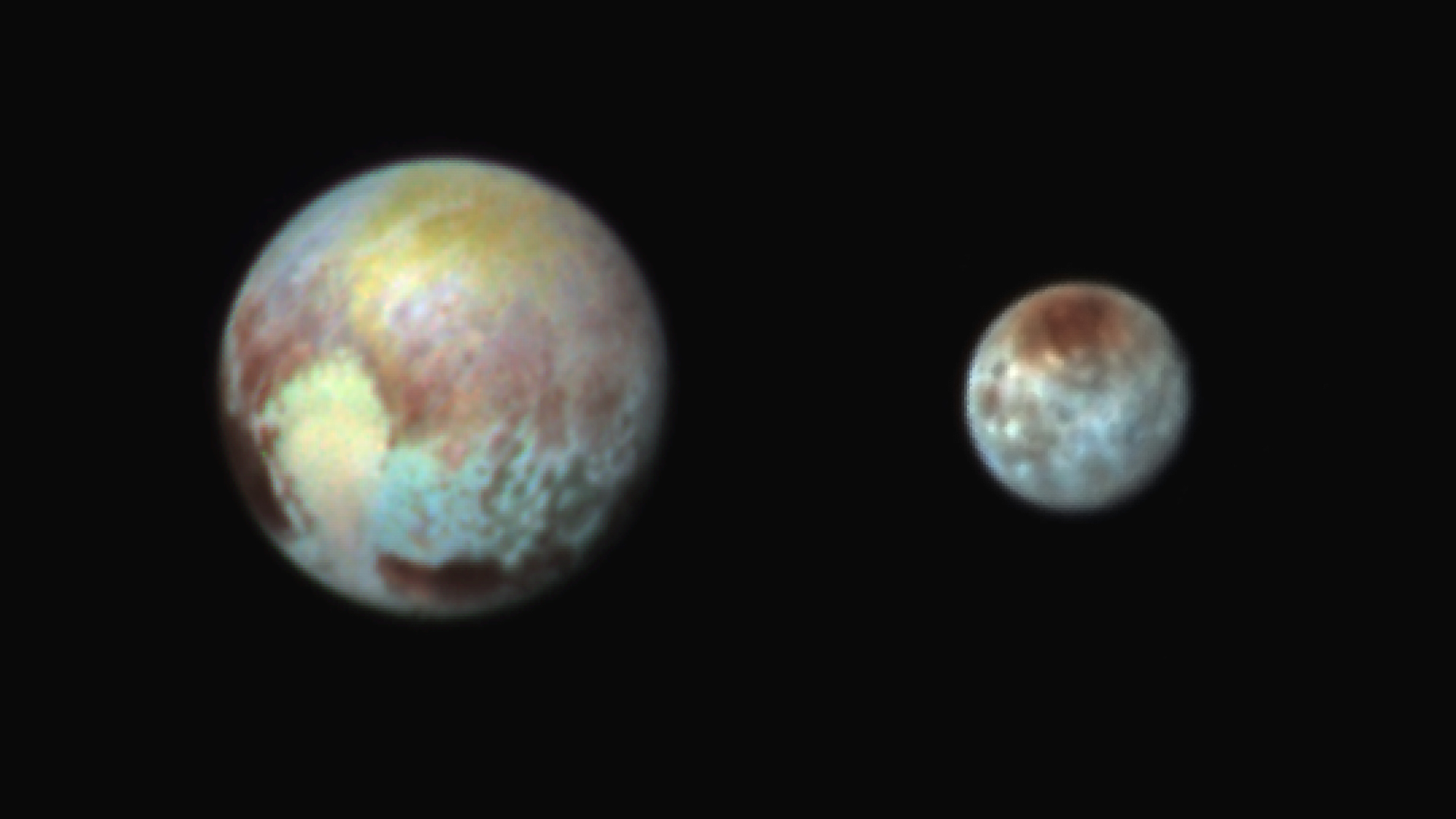
The New Horizons payload comprises seven sophisticated instruments designed to gather comprehensive data about Pluto, its moons, and other Kuiper Belt objects. These include three optical instruments: the Long Range Reconnaissance Imager (LORRI), Ralph/Multispectral Visible Imaging Camera (MVIC), and Ralph/Linear Etalon Imaging Spectral Array (LEISA) [3]. Additionally, there are two plasma instruments—the Solar Wind Around Pluto (SWAP) and Pluto Energetic Particle Spectrometer Science Investigation (PEPSSI)—a dust sensor, and a radio science receiver/radiometer for detailed analysis of atmospheric conditions [3].
Technical Details
The spacecraft's systems were engineered to be highly power-efficient, enabling it to operate beyond the reach of traditional solar panels. Instead, New Horizons relies on radioisotope thermoelectric generators (RTGs) to provide continuous power. The electric system operates at an average output of 0.20 kW [1], ensuring reliable performance in the remote and harsh environment of space.
Timeline of Development and Deployment
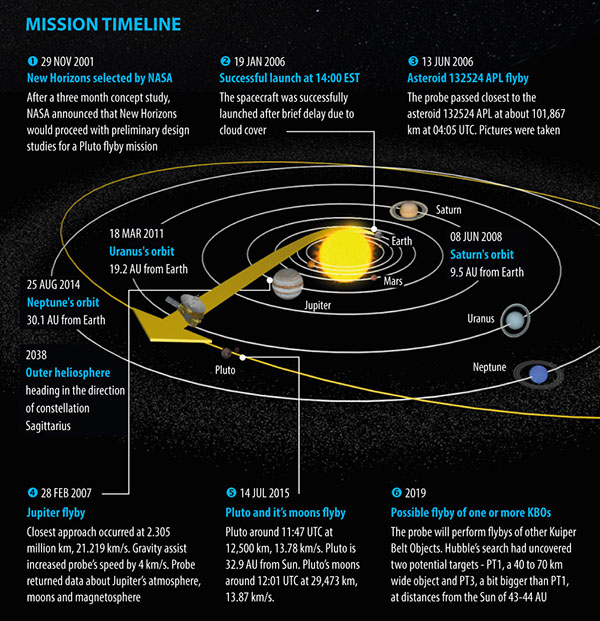
Development for New Horizons began in earnest after NASA's successful Galileo mission, which inspired a new generation of planetary explorations. The spacecraft was constructed over several years, with significant milestones marking its progress:
- 2004: The final design phase began, involving extensive testing and integration.
- 2005: Final integration and testing phases were completed in preparation for launch.
- January 19, 2006: New Horizons launched aboard an Atlas V rocket from Cape Canaveral Air Force Station.
- July 14, 2015: The spacecraft made its historic flyby of Pluto, capturing unprecedented images and data.
Primary Mission
The primary mission of New Horizons is to explore the uncharted territories of the Kuiper Belt and beyond. Its objectives include:
- Characterizing Pluto and its moons: Detailed imaging and analysis to understand their composition, geology, and atmospheric properties.
- Investigating other Kuiper Belt objects (KBOs): Post-Pluto flybys have expanded our understanding of these distant bodies.
Recent Developments
In 2025, New Horizons successfully completed a major software upgrade, enhancing its ability to operate farther from the Sun than originally designed [2]. This update has extended the mission's capabilities and ensured continued scientific contributions. As of July 14, 2026, the spacecraft is in good health after waking up from a year-long hibernation period.
Key Figures & Contributions
Primary People and Organizations
- Alan Stern: Principal investigator at SwRI.
- SwRI: Leading institution for mission design and science payload development.
- Johns Hopkins Applied Physics Laboratory (APL): Responsible for mission operations and trajectory planning.
Current State & Recent Developments
The latest update on New Horizons indicates that the spacecraft is healthy and operational, with plans to continue its exploration of the outer solar system. Future missions are likely to focus on further KBO flybys or potential visits to other distant objects [2].
Key Takeaways
- Significant Investment: The $700 million budget underscores NASA’s commitment to planetary science.
- Innovative Systems: RTGs provide reliable power for extended mission lifespans.
- Historic Flyby: The Pluto flyby revolutionized our understanding of the Kuiper Belt.
- Continued Exploration: New Horizons remains active, contributing to ongoing scientific research.
Conclusion
New Horizons stands as a testament to human ingenuity and scientific curiosity. Its journey from conception to the edge of our solar system has not only expanded our knowledge but also inspired future generations of explorers. As it continues its mission, New Horizons continues to push the boundaries of what we know about the outer reaches of our celestial neighborhood.
This article provides a comprehensive overview of the New Horizons Space Probe, covering its construction, costs, creators, systems, timeline, and primary mission objectives, based on the latest available information.
Data Overview