Neutron stars and pulsars are among the most enigmatic celestial objects known to astronomers, embodying extreme conditions that challenge our understanding of physics at its core. These dense remnants of massive stellar explosions offer a unique laboratory for studying gravity, magnetic fields, nuclear matter, and spacetime curvature under conditions far beyond anything achievable on Earth. The study of these cosmic entities has evolved from early theoretical predictions to cutting-edge observational astronomy leveraging advanced telescopes and gravitational wave detectors.
Understanding neutron stars and pulsars is crucial not only for unraveling the mysteries of stellar evolution but also for probing fundamental physics at the highest energy densities and magnetic fields imaginable. Their unique properties make them ideal test beds for theories of gravity, quantum mechanics, and high-energy astrophysics.
Historical Context
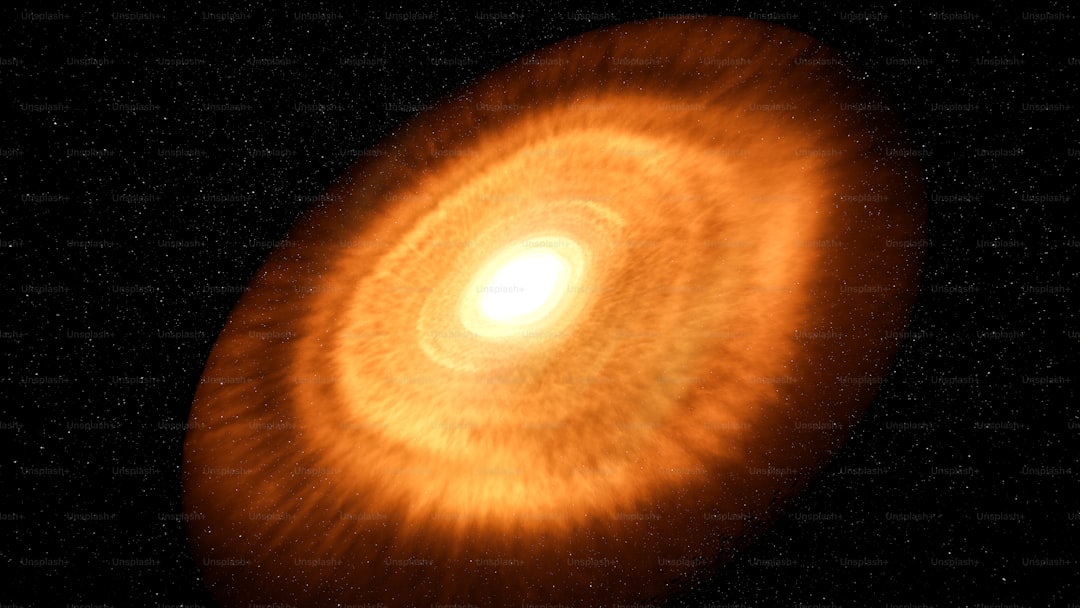
The concept of a neutron star was first proposed in 1934 by Walter Baade and Fritz Zwicky [1], who suggested that supernova explosions could result in the formation of extremely dense objects. The term "neutron star" itself was coined later, but it wasn't until the discovery of pulsars in 1967 by Jocelyn Bell Burnell and Antony Hewish [2] that these theoretical predictions gained empirical support.
Early Discoveries
In 1968, Thomas Gold proposed that pulsar emissions arise from rotating neutron stars with intense magnetic fields [3]. This hypothesis was soon confirmed as more pulsars were discovered and their periodic signals were analyzed. The discovery of the Crab Pulsar in association with the historical supernova remnant provided strong evidence for this model [4].
Neutron Star Formation
Neutron star formation occurs during the collapse of a massive star's core, which can no longer sustain nuclear fusion reactions due to exhaustion of fuel and increased gravitational pressure. If the collapsing mass is insufficient to form a black hole but exceeds the white dwarf limit, electron degeneracy pressure fails and neutron degeneracy takes over [5]. This process results in the ejection of an outer stellar envelope as a supernova explosion, leaving behind a highly compact core that has been compressed into a dense configuration primarily consisting of neutrons.
Key Figures & Contributions
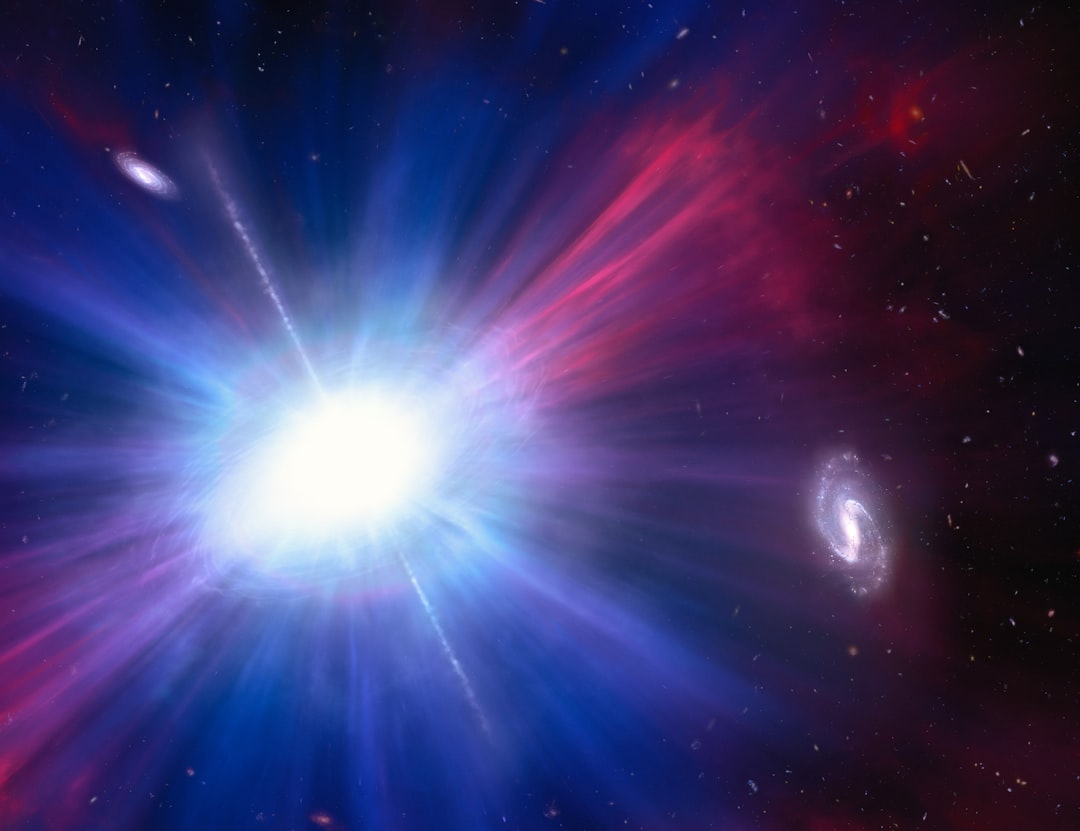
Jocelyn Bell Burnell
Thomas Gold
Walter Baade & Fritz Zwicky
Current State & Recent Developments
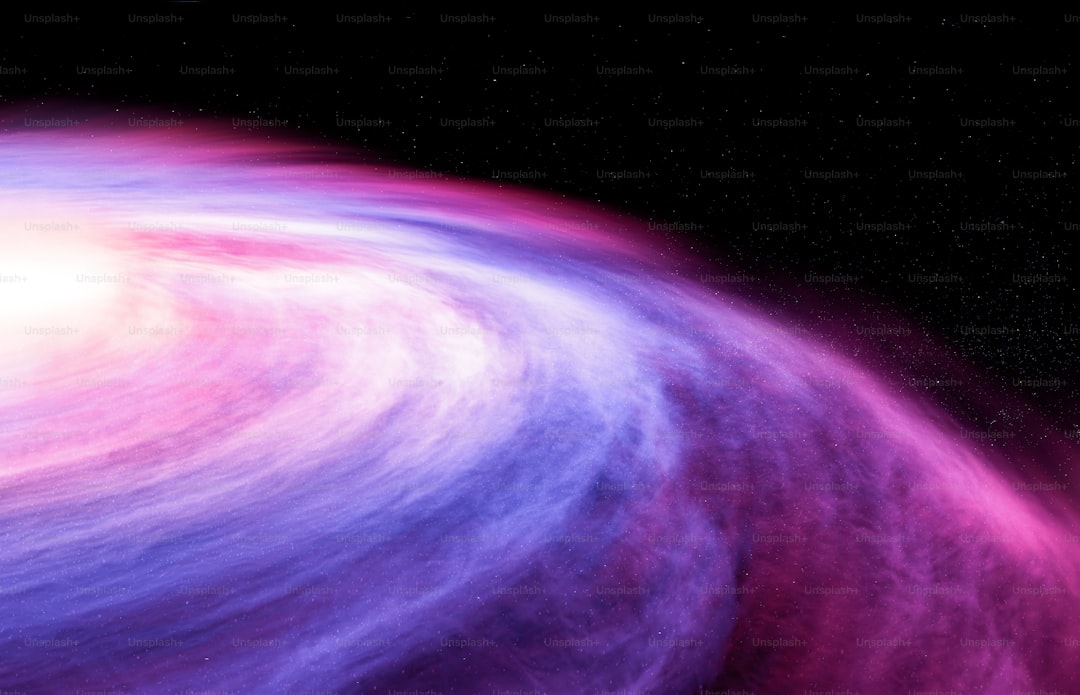
Recent advancements in observational astronomy have led to significant insights into the nature of neutron stars and pulsars. The detection of gravitational waves from merging neutron star systems has opened new avenues for studying these objects beyond electromagnetic observations. Key discoveries include:
Gravitational Wave Detection
Magnetar Studies
Pulsar Surveys
Mechanisms & How It Works

Neutron Star Formation
Pulsar Emissions
Magnetar Dynamics
Applications & Case Studies

Timing Precision
Astrophysical Models
Gravitational Wave Astronomy
Controversies & Open Questions
Neutron Star Composition
Magnetar Energy Mechanisms
Gravitational Wave Interpretation
Future Trajectory
Ongoing research aims to further understand the properties of neutron stars through advanced observational techniques: 1. Next Generation Telescopes: Upcoming facilities like the SKA will enhance our ability to detect and study pulsars. 2. Gravitational Wave Detectors: Improvements in GW detectors promise more detailed observations of neutron star mergers.
Advanced Modeling
Key Takeaways
- Neutron stars are the densest known objects, formed from massive stellar explosions.
- Pulsars emit precise periodic signals that act as cosmic clocks, aiding in various astrophysical studies.
- Magnetars exhibit ultra-strong magnetic fields, driving unique energetic outbursts and challenging existing models.
- Gravitational wave detection has provided a new window into the physics of neutron stars and pulsars.
- Ongoing research aims to unravel open questions through advanced observational techniques and theoretical modeling.
This comprehensive exploration of neutron stars and pulsars highlights their importance in advancing our understanding of extreme astrophysical conditions. As technology progresses, future discoveries promise even deeper insights into these fascinating cosmic phenomena [1].