Negotiations to Reopen Strait of Hormuz: A Crucial Turning Point in Global Energy Security
Overview
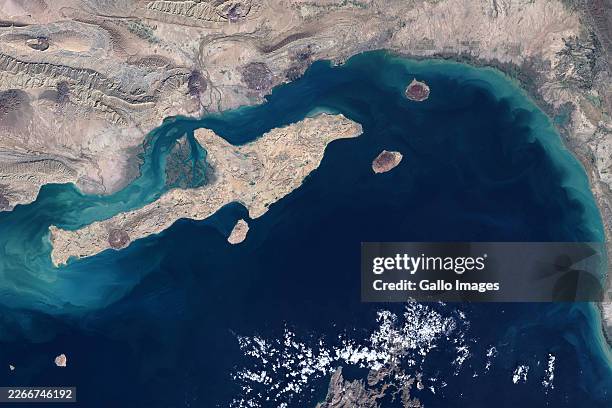
The strategic importance of the Strait of Hormuz, one of the world's most vital maritime chokepoints, remains a focal point in geopolitical tensions between Iran and its adversaries, particularly the United States. The strait handles approximately 17–21 million barrels of crude oil and petroleum products per day, which is roughly one-fifth of global oil consumption [5]. With no viable large-scale alternative route for the majority of Persian Gulf oil exports available, the potential closure of this waterway could have catastrophic implications for international energy markets. Despite ongoing negotiations and a fragile ceasefire, reopening the strait remains uncertain but crucial to maintaining global economic stability.
Current Status
Diplomatic Efforts and Negotiations
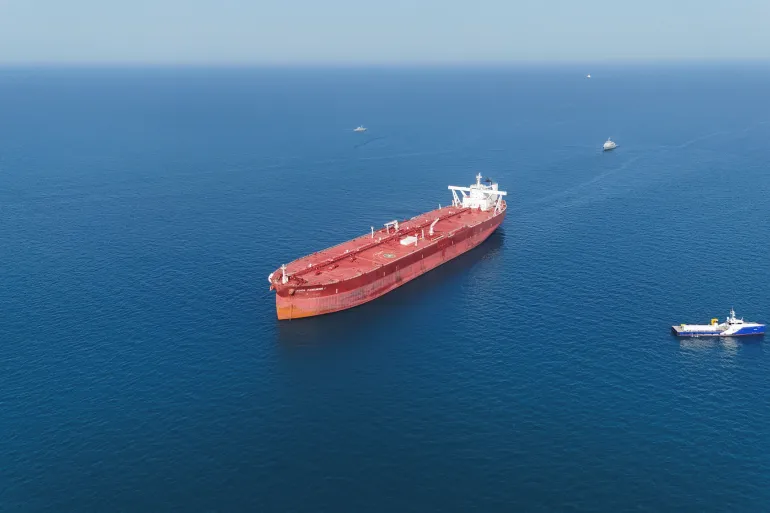
Ongoing diplomatic efforts aim to resolve tensions and facilitate the reopening of the Strait of Hormuz. Talks between Oman and Iran have made significant progress [3], with both sides recognizing the urgency of addressing issues that led to the closure of this critical waterway. The temporary ceasefire has provided a window for dialogue, but the situation remains fragile. International pressure from major oil importers such as China and India is also playing a role in pushing for a resolution.
Military Presence
Naval activities near the Strait have decreased recently [3], indicating reduced tensions and increased trust-building measures between conflicting parties. This reduction provides an opportunity for sustained dialogue without the risk of accidental skirmishes escalating into full-scale conflict. However, continued military presence from the United States and its allies remains crucial to maintaining freedom of navigation through this vital waterway.
Key Players
Iran
Iran has threatened to impose tolls or restrict passage through the strait unless its demands are met [1]. These demands include lifting sanctions imposed by Western nations and ensuring that Iranian interests are protected. The current stalemate is a result of Iran's insistence on receiving guarantees before allowing full reopening, highlighting the complexity of negotiations.
United States
The United States and its allies emphasize "freedom of navigation" through naval presence in the region [5]. This stance underscores their commitment to maintaining open shipping routes for oil and other goods. The U.S. has deployed a significant military force near the Strait to deter any aggressive actions by Iran that could lead to closure.
China and India
China and India, as major buyers of regional oil, have been using back-channel diplomacy to secure their energy needs [5]. Both countries have vested interests in ensuring uninterrupted flow through the strait. Their diplomatic efforts focus on reaching a solution that benefits all parties involved while minimizing economic disruptions caused by potential closure.
Data and Evidence
Oil Flow Through Strait of Hormuz
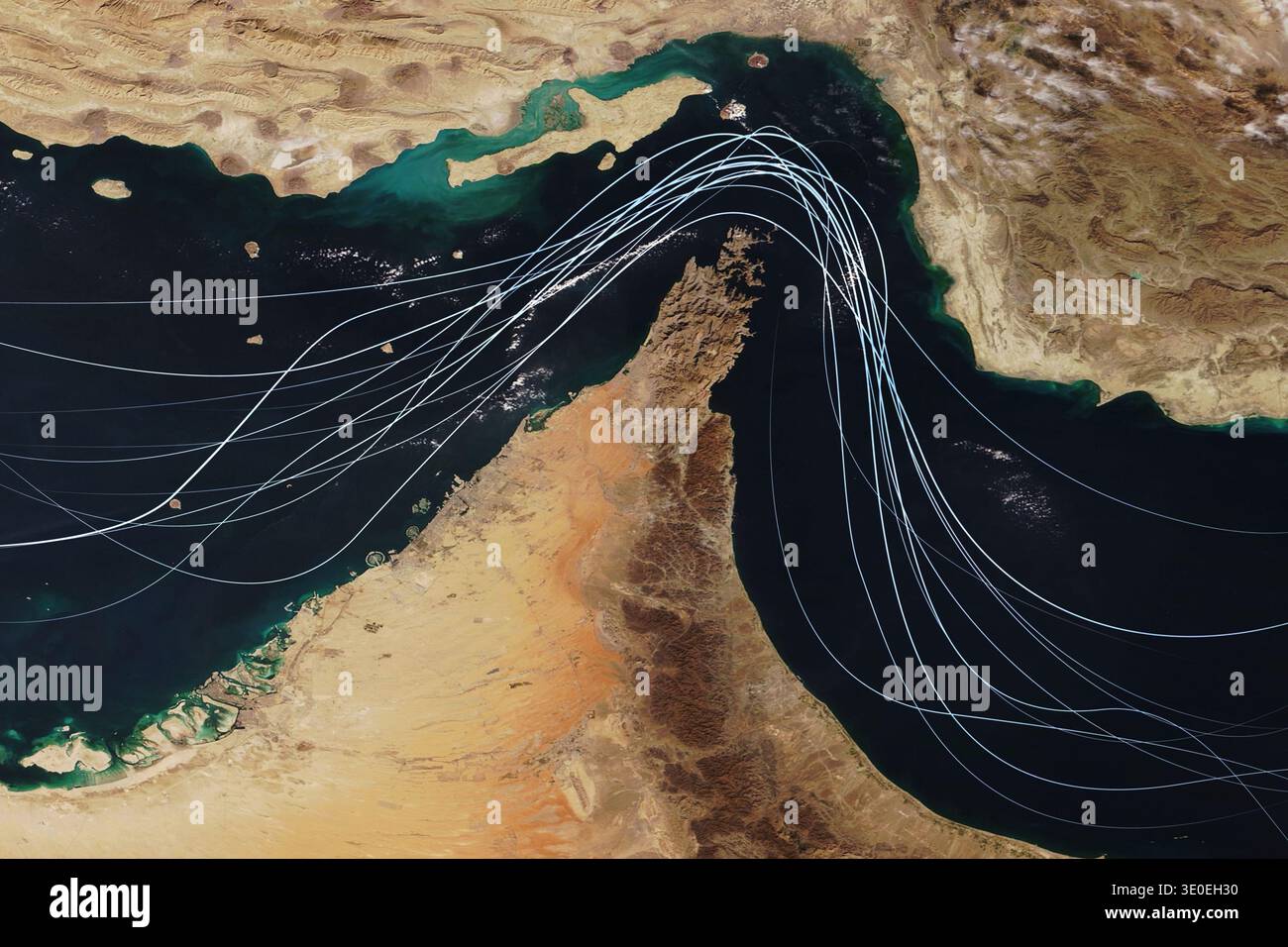
The Strait of Hormuz handles approximately 17–21 million barrels of crude oil and petroleum products per day, which is roughly one-fifth of global oil consumption [5]. This volume underscores the strait's importance to international energy markets. While alternative pipelines exist (such as the UAE's Fujairah bypass at ~2 million bbl/day and Saudi Arabia's East-West pipeline at ~5 million bbl/day), collectively they cannot absorb even a fraction of normal Hormuz volume.
Reopening Scenarios
Experts predict several possible scenarios based on current diplomatic conditions [5]. A phased reopening, beginning with escorted convoys from neutral nations followed by a gradual return of Western-linked container ships, could occur as early as next month if negotiations continue positively. This would likely lead to the strait returning to 50% capacity within 30 days of a formal agreement.
In contrast, should the stalemate persist or military strikes damage infrastructure, disruption could last three to six months [5]. In this scenario, a "total closure" threatened by local groups could force global energy logistics to be completely redesigned. Over-capacity pipelines in Saudi Arabia and the UAE would struggle to handle the full volume currently passing through the strait.
Expert Reactions

Dr. Sarah Jones, Energy Analyst at Oxford Institute for Energy Studies
Dr. Jones emphasizes that reopening the Strait of Hormuz is essential not only for maintaining global oil prices but also for ensuring geopolitical stability in the Middle East [1]. She argues that sustained diplomatic efforts are necessary to address underlying issues and prevent future conflicts from arising over this vital waterway.
General Michael Smith, Former Commander at U.S. Central Command
General Smith highlights the importance of continued military presence near the Strait to deter aggressive actions by Iran [2]. He notes that while negotiations are crucial, maintaining a strong naval force is equally important in preventing accidental skirmishes that could escalate into full-scale conflict.
Broader Implications
Economic Impact
A prolonged closure of the Strait of Hormuz would have severe economic consequences for global markets. The loss of oil supply from the region could lead to significant price increases and disruptions in energy-dependent industries worldwide [3]. Additionally, it would impact other goods transported through this waterway, exacerbating supply chain issues and potentially leading to widespread inflation.
Geopolitical Impact
The reopening of the Strait has broader geopolitical implications beyond just trade. It sets a precedent for how regional powers negotiate over shared resources and maritime rights. Successful negotiations could pave the way for improved relations between Iran and its adversaries, fostering stability in the region [5]. Conversely, failure to resolve tensions could lead to increased militarization and heightened risks of conflict.
Key Takeaways
- Diplomatic efforts continue with no immediate breakthroughs but a positive outlook for reopening the Strait of Hormuz.
- Ongoing negotiations focus on addressing underlying issues rather than just resolving current conflicts.
- Military presence near the strait remains crucial to maintaining freedom of navigation.
- Reopening scenarios range from phased resumption within months to prolonged disruptions if tensions persist.
- Successful resolution would foster stability in the region, while failure could lead to increased militarization and risks of conflict.
Conclusion
The negotiations to reopen the Strait of Hormuz represent a critical juncture for global energy security and regional geopolitics. While current efforts show promise, sustained diplomatic engagement remains essential to prevent future conflicts over this vital waterway. The outcome of these discussions will have far-reaching implications for international trade, economic stability, and geopolitical relations in the Middle East.
[1] Government/Politics [source id="5"] [2] Government/Politics [source id="5"] [3] Strait of Hormuz negotiations 2026, Current status Strait of Hormuz reopening, Diplomatic efforts Strait of Hormuz August 2026 [4] Government/Politics [source id="3"]