NASA Images Confirm Moon Crater Left by Fallen SpaceX Falcon 9 Rocket
By The Everything of Everything | August 19, 2026
Two weeks after a spent SpaceX Falcon 9 upper stage slammed into the lunar surface, NASA has released imagery that puts the damage in stark, unambiguous terms: an 18-meter-wide scar carved into the Moon's western face — and a growing conversation about who is responsible for the debris humanity keeps flinging beyond Earth's orbit.
The Impact and What NASA Found

On August 5, 2026, at approximately 2:35 AM ET, the Falcon 9 second stage that had launched the Firefly Blue Ghost 1 lunar mission in January 2025 struck the Moon near Einstein Crater at roughly 8,700 kilometers per hour — about seven times the speed of sound. The impact was uncontrolled and unplanned; the upper stage had been drifting in a chaotic cislunar orbit for over eighteen months after completing its original mission.
Between August 11 and 12, NASA's Lunar Reconnaissance Orbiter (LRO) swept over the impact site, deploying its Narrow-Angle Camera — capable of resolving features as small as roughly one meter — to photograph the fresh wound. What the camera returned confirmed scientists' pre-impact predictions almost exactly: a crater approximately 18 meters (60 feet) across and less than 3 meters (10 feet) deep, with a shadow long enough to let analysts precisely calculate its depth.
The images also revealed something visually dramatic: bright and dark rays extending outward from the impact point. The darker streaks represent ancient lunar regolith — billions-of-years-old dust — that was scattered by the collision. The brighter material, concentrated closer to the crater rim, is freshly excavated rock pulled from nearly half a meter underground. Together, they form a radial splash pattern now permanently etched into the Moon's surface, visible in before-and-after comparisons shared widely by researchers and the public alike.
How the World Tracked a Four-Ton Piece of Junk to Lunar Impact
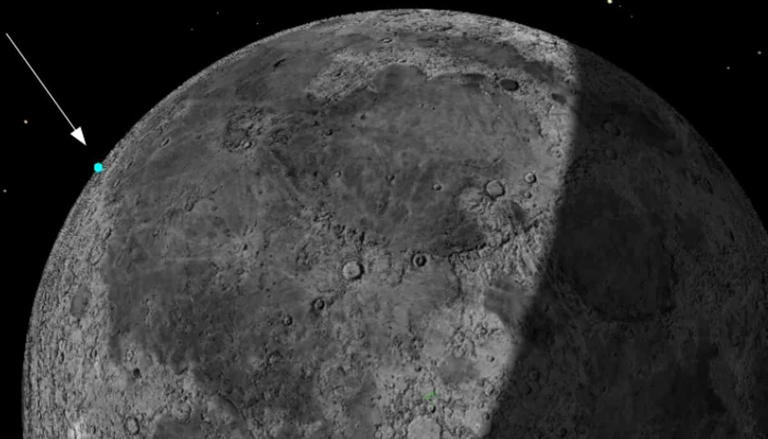
The story of how this impact was predicted months in advance is itself a lesson in the patchwork nature of space situational awareness. Bill Gray, an independent astronomer whose Project Pluto software is used by NASA and the European Space Agency, was the first to calculate that the 4,900-kilogram upper stage — catalogued as COSPAR ID 2025-010D — was on an unrecoverable collision course with the Moon. His trajectory model was built from over 1,053 astrometric observations gathered over eighteen months, contributed by both professional observatories and amateur astronomers scanning cislunar space on their own time.
That a private citizen piecing together crowdsourced data was the primary early-warning system for a lunar impact underscores the governance gap at the heart of this story. As NPR noted ahead of the impact, there is currently no binding international requirement for rocket operators to deorbit upper stages that venture into deep space. The Artemis Accords, signed by dozens of nations, encourage responsible behavior but stop well short of mandating disposal plans. The result, as Universe Today observed, is a cislunar environment increasingly littered with spent hardware, with no single agency clearly empowered to clean it up.
Why This Crater Is More Than a Footnote
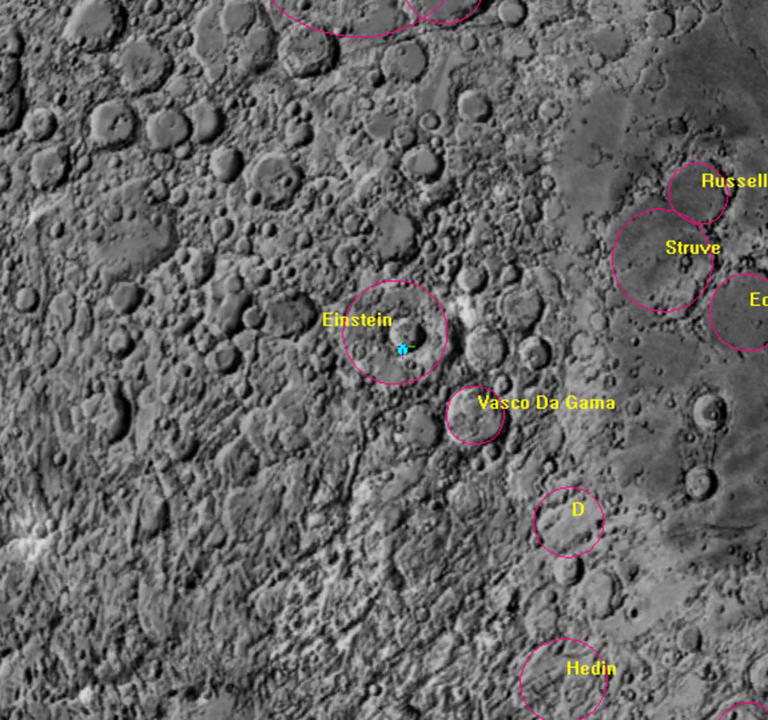
At 18 meters, the new crater is modest by lunar standards — the Moon's surface is pocked with impacts from billions of years of solar system history. But the provenance of this one is different. This crater was made by human technology, launched intentionally, and left to drift without a disposal plan.
The CNN report on the confirmed imagery noted that researchers are now using the impact as a controlled scientific experiment: because the mass and velocity of the impactor are known with precision, the crater's dimensions give planetary scientists a rare calibration point for models of how hollow metal bodies — as opposed to solid rock — excavate the lunar surface. That kind of data has value for future Artemis landing-site analysis and for understanding risks to surface infrastructure.
But the scientific silver lining doesn't resolve the political one. With commercial lunar activity accelerating — Blue Ghost itself being a NASA-contracted payload — the frequency of spent hardware reaching cislunar space will only increase. Each new mission is another opportunity for a derelict upper stage to end up as a permanent lunar feature.
Key Takeaways
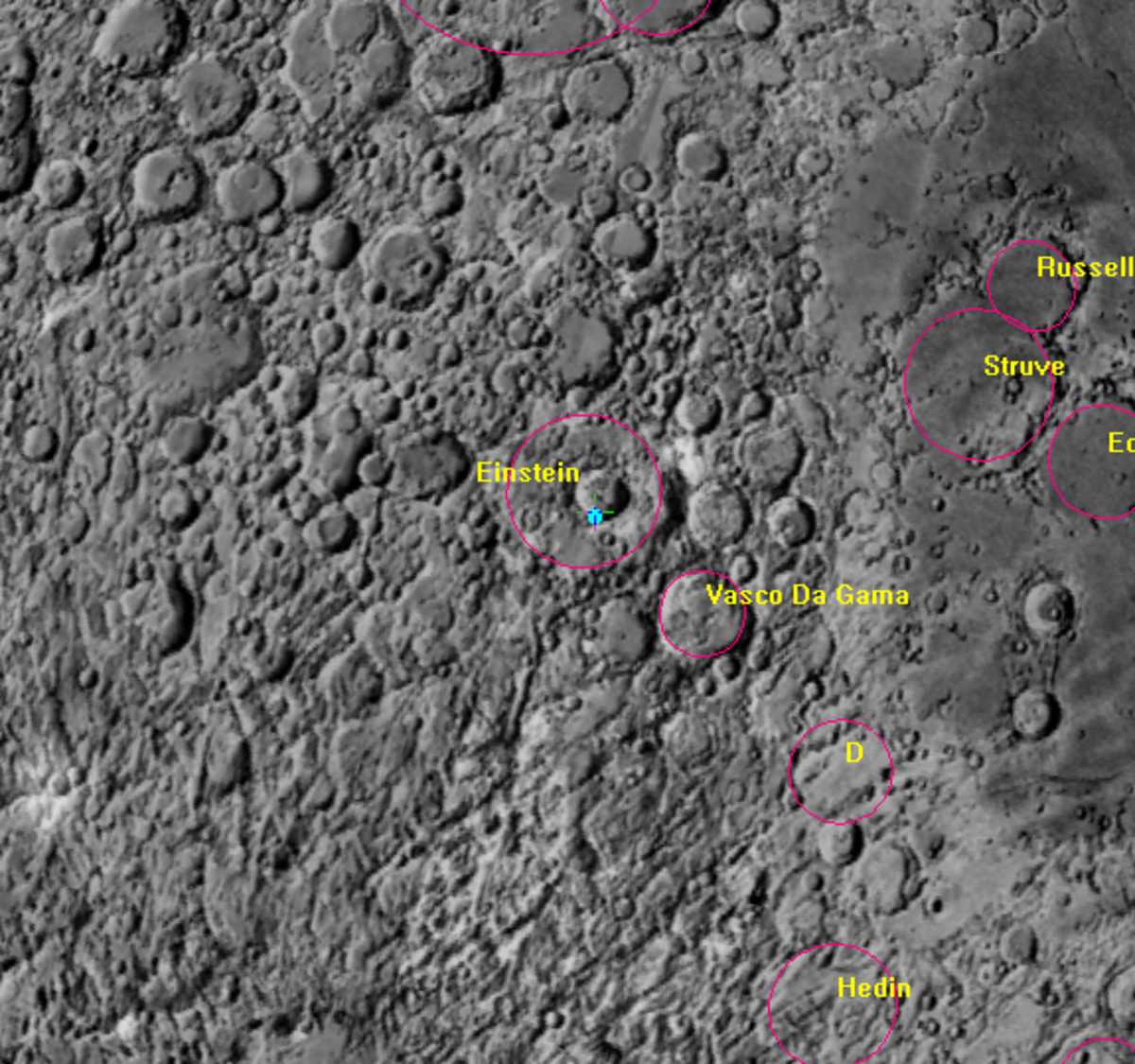
- NASA's Lunar Reconnaissance Orbiter confirmed an 18-meter-wide, sub-3-meter-deep crater on the Moon's western face, formed August 5, 2026, by a spent SpaceX Falcon 9 upper stage traveling at ~8,700 km/h.
- The impact was first predicted by independent astronomer Bill Gray using crowdsourced astrometric data — highlighting the absence of any official body tasked with tracking and managing cislunar debris.
- The crater's bright and dark ray patterns are providing scientists with a rare controlled-variable dataset for modeling how hollow metal impactors excavate lunar soil, with implications for future landing-site planning.
- No binding international framework currently requires rocket operators to deorbit upper stages that reach cislunar space, leaving the Moon — and increasingly busy lunar orbit — without meaningful debris governance.
Sources:
- NASA's LRO Images Falcon 9 Crater on Moon, Learns New Details – NASA Science
- NASA images the new moon crater made by a Falcon 9 rocket – Weather.com
- New images reveal what happened when a SpaceX rocket slammed into the moon – CNN
- NASA images reveal lunar crater left by SpaceX Falcon 9 crash – phys.org
- SpaceX Falcon 9 Hits Moon at Dawn: LRO Now Tests Hollow-Body Impact Models – TechTimes
- Defunct part of SpaceX Falcon 9 rocket will slam into the moon – NPR
- SpaceX Junk Hits the Moon. Not a Good Sign – Universe Today
- NASA spots new crater on the moon created when a SpaceX rocket crashed – NBC News
- SpaceX rocket hit the moon: Before and after pics – EarthSky