Voting in Minneapolis: The Controversial Practice of Vouching for Unregistered Voters
Introduction
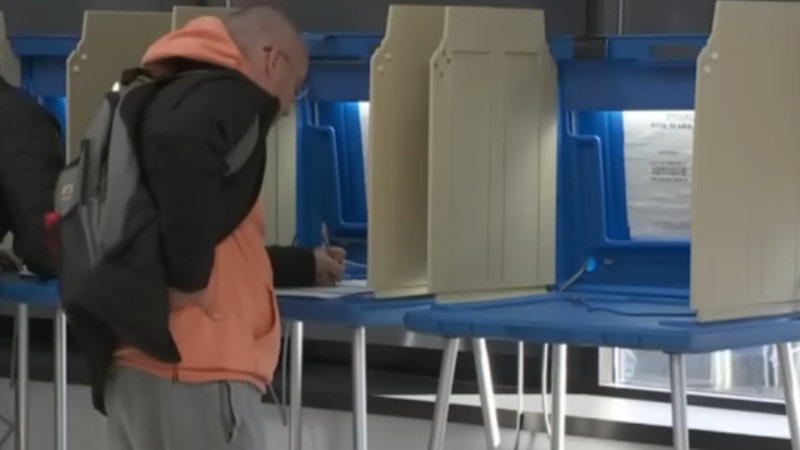
The practice of vouching for unregistered voters is a significant aspect of election administration, particularly in states like Minnesota where strict voter ID requirements are not mandated by law but other forms of identification and verification processes come into play. This controversial method allows registered voters to serve as proxies for those who lack proper documentation or have yet to register, providing them access to the electoral process. Recent events involving individuals dressed in Muslim garb and a burka attempting to vote under this system highlight the potential vulnerabilities and ethical dilemmas associated with such practices.
The question of whether unregistered individuals can cast ballots through vouching mechanisms has been a contentious issue in recent years, sparking debates about voter integrity, election security, and democratic principles. This article explores the historical context, legal framework, current state, key figures, and controversies surrounding the practice of vouching for unregistered voters in Minneapolis.
Foundational Concepts
Voter Registration and Identification Requirements
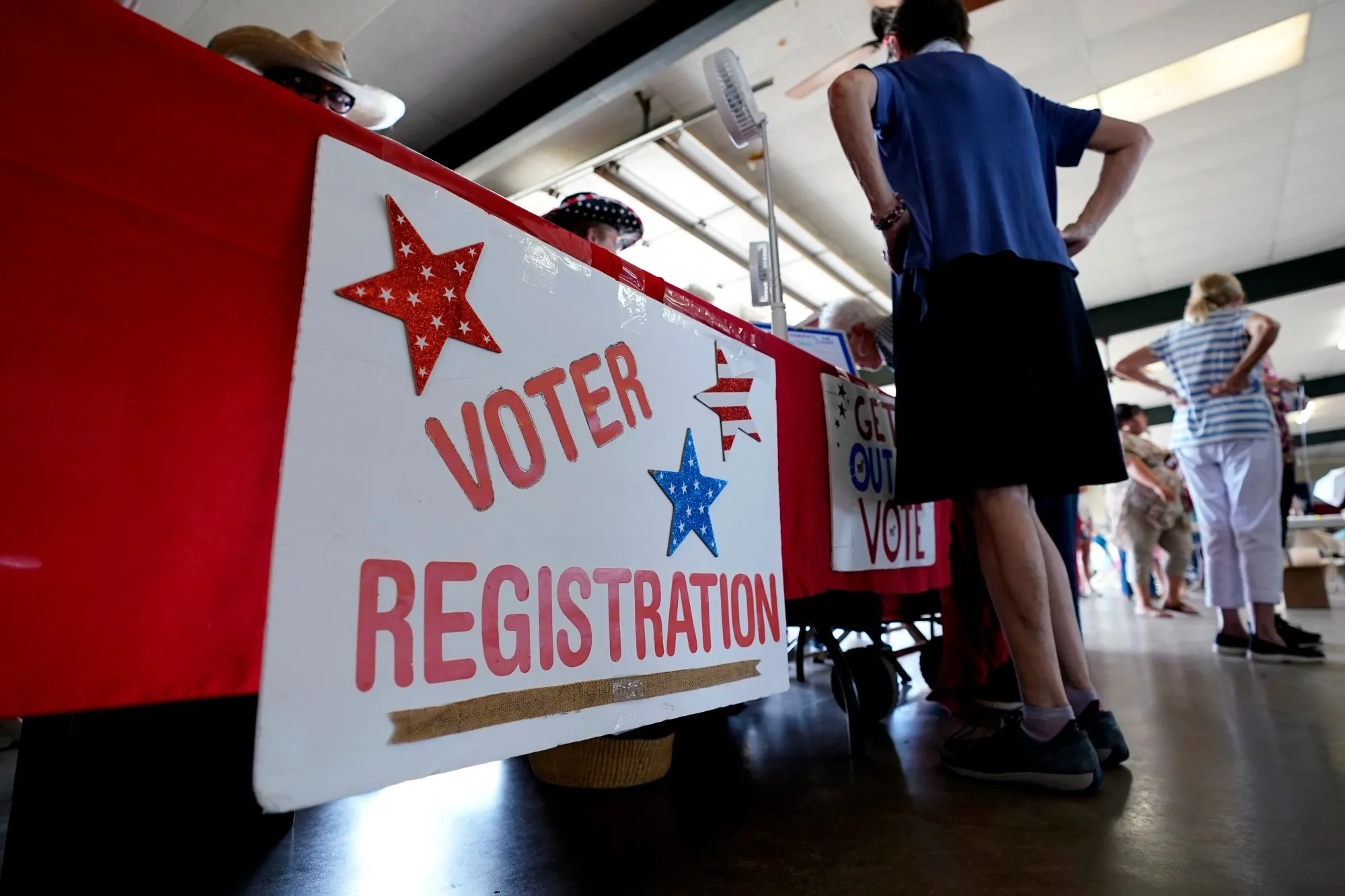
Voter registration is a crucial step in ensuring that eligible citizens can participate in elections. In Minnesota, residents must register to vote before they are allowed to cast ballots on election day [3]. The state has specific requirements regarding identification (ID) when registering or voting [3], but it also provides alternative methods for those who do not have standard forms of ID.
Minnesota's voter registration process requires applicants to provide their name, address, and other identifying information. If a registrant lacks a valid photo ID or does not have an easily verifiable Social Security number (SSN), they may still be registered through the use of unique voter-record numbers generated by Minnesota’s statewide voter-registration system [4]. This allows individuals without traditional identification to maintain their voting rights.
Vouching Mechanism
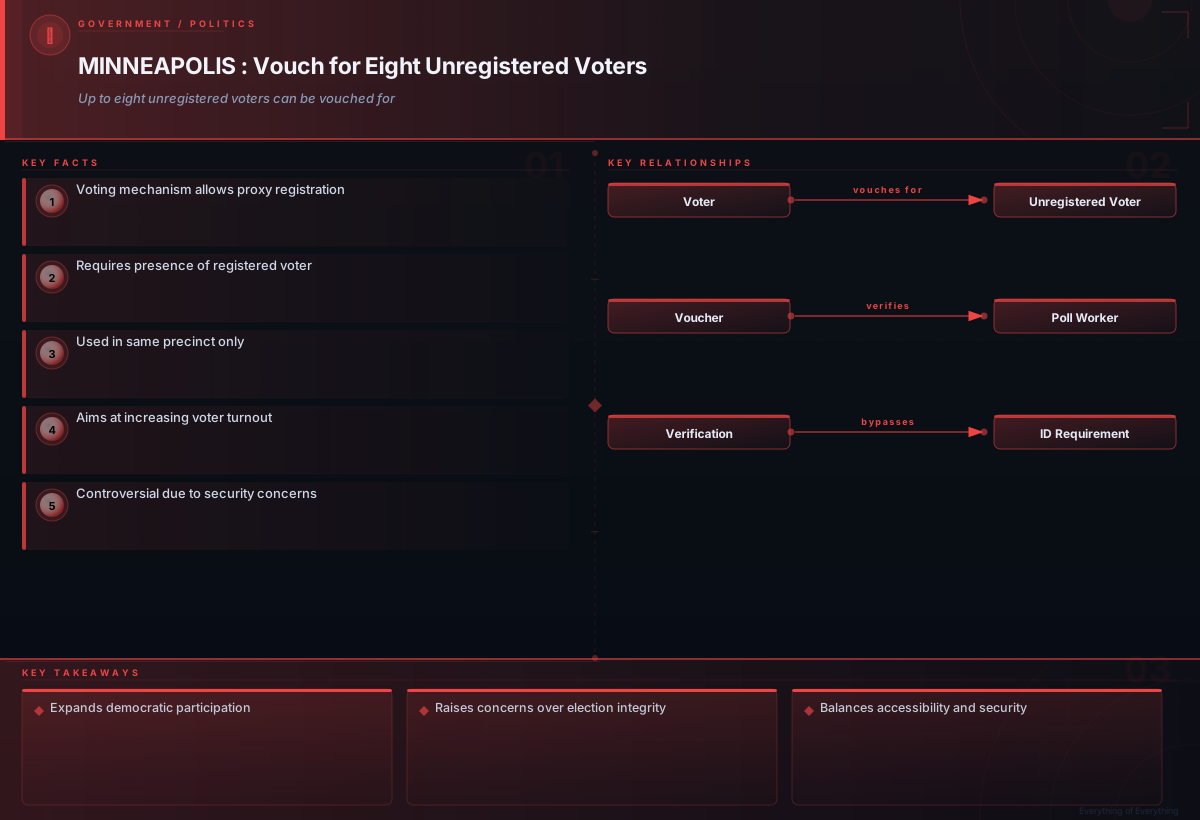
A key feature of Minneapolis's election procedures is the vouching system, which enables a registered voter in the same precinct to serve as an ID proxy for up to eight unregistered voters. According to election workers and poll officials in Minneapolis [5], this mechanism has been used historically to address situations where individuals may lack proper identification or are not yet registered but wish to vote. The practice is rooted in efforts to ensure broad access to the ballot, especially among demographic groups that might face barriers due to ID requirements.
Historical Context
Legislative Background
Minnesota's election laws have evolved over time to balance voter accessibility and security concerns [3]. In 2005, Minnesota became one of the first states to implement Election Day Registration (EDR), which allows residents to register and vote on the same day as an election. This measure was designed to increase turnout by reducing barriers for eligible voters who might otherwise miss registration deadlines.
The vouching system emerged in part from these legislative reforms aimed at expanding voter access [3]. As EDR gained popularity, state and local officials sought additional means to accommodate individuals who might still face obstacles despite relaxed registration requirements. The practice of allowing registered voters to vouch for unregistered members of their precincts thus became an integral component of Minnesota's election infrastructure.
Recent Developments
Recent incidents in Minneapolis have brought renewed scrutiny to the vouching system [5]. In 2021, a video surfaced showing individuals attempting to vote without proper ID under the guise of religious attire. Election workers confirmed that it was permissible for registered voters to vouch for up to eight unregistered individuals, even if those individuals were dressed in burkas or other disguises [5].
These events underscore ongoing debates about the efficacy and security implications of such practices. Critics argue that lax enforcement of ID requirements can undermine confidence in electoral outcomes, while proponents contend that stringent identification mandates disproportionately affect marginalized communities.
Key Figures & Contributions
Election Officials
Election officials at the local level play a crucial role in implementing voter registration systems and vouching mechanisms. In Minneapolis, these individuals are responsible for interpreting state laws and ensuring compliance with voting regulations during election periods [5].
One notable figure is the Secretary of State's Office, which oversees Minnesota’s statewide voter-registration system and works closely with county election offices to maintain accurate and up-to-date records [3]. The office also plays a key role in conducting post-election reviews to verify the integrity of registration data.
Advocacy Groups
Several advocacy groups have been instrumental in shaping discussions around vouching for unregistered voters. Organizations like the League of Women Voters, Common Cause Minnesota, and other civil rights groups often highlight cases where restrictive voter ID laws disproportionately affect low-income and minority communities [5].
These organizations advocate for policies that enhance access to voting while also ensuring the security and integrity of elections. Their contributions include conducting voter education campaigns, filing legal challenges against overly stringent identification requirements, and proposing alternative methods such as the vouching system.
Current State & Recent Developments
Legal Framework
Minnesota's election laws provide a framework for how unregistered voters can participate through the vouching mechanism [3]. According to state regulations, individuals who cannot produce valid photo ID or other forms of identification required at polling stations may still vote if they are accompanied by a registered voter from their precinct who is willing to vouch for them.
The practice of allowing up to eight unregistered voters to be vouched for by a single registered individual has been widely employed across Minnesota, particularly in urban areas like Minneapolis. However, this system remains controversial due to concerns about potential abuse and the integrity of election results [5].
Recent Incidents
Recent incidents have brought significant attention to the practice of vouching. In 2021, a video went viral showing individuals dressed as Muslim women attempting to vote in Minnesota's primary election without proper identification [5]. Election workers confirmed that it was acceptable for registered voters to vouch for unregistered individuals under these circumstances, leading to public outcry and calls for stricter enforcement of voter ID requirements.
These events have sparked debates among policymakers, advocacy groups, and the general public about balancing voter access with electoral security. Some argue that such incidents demonstrate inherent vulnerabilities in the system, while others maintain that they represent isolated cases rather than systemic failures.
Controversies & Open Questions
Security Concerns
One of the primary concerns surrounding vouching is its potential to compromise election integrity. Critics argue that allowing registered voters to vouch for multiple unregistered individuals without stringent verification processes can lead to voter fraud or manipulation [5]. They point to incidents like those in Minneapolis as evidence of these risks.
However, proponents counter that such instances are rare and do not outweigh the benefits of ensuring broad access to voting rights. They argue that alternative identification methods should be prioritized over strict photo ID requirements, which they contend disproportionately affect marginalized communities [3].
Ethical Dilemmas
Another contentious issue is the ethical dimension of vouching for unregistered voters. The practice raises questions about personal responsibility and accountability in electoral participation. Critics question whether it is fair or appropriate to rely on third-party verification when individuals are capable of obtaining their own registration status.
Proponents, on the other hand, argue that such mechanisms serve a vital role in protecting democratic principles by ensuring that all eligible citizens have an opportunity to vote [5]. They contend that the ethical considerations must be balanced against the practical realities faced by many voters who may face systemic barriers to proper identification or registration.
Future Trajectory
The future of vouching for unregistered voters in Minneapolis and beyond will likely depend on ongoing legislative reforms, public discourse, and evolving voter behavior. As technology advances and new methods emerge for verifying identity and eligibility, the balance between accessibility and security is expected to remain a central focus [5].
Legislators may consider implementing additional safeguards or alternative verification processes to address current concerns while maintaining the spirit of inclusive voting practices. Moreover, continued research into the impact of vouching on electoral outcomes will be essential in shaping future policy decisions.
Key Takeaways
- Voter Access vs. Security: The debate over vouching for unregistered voters highlights the tension between ensuring broad access to voting rights and maintaining election integrity.
- Historical Context: Minnesota's history of implementing Election Day Registration has shaped current practices like vouching, reflecting a commitment to voter inclusivity.
- Recent Incidents: High-profile events in Minneapolis have drawn attention to potential vulnerabilities in the vouching system, sparking renewed debates about its efficacy and security implications.
- Key Figures & Contributions: Local election officials and advocacy groups play critical roles in interpreting and advocating for voting practices that balance accessibility with integrity.
- Ethical Considerations: The practice of vouching raises ethical questions about personal responsibility and the broader principles of democratic participation.
- Future Directions: Ongoing reforms and technological advancements will shape how Minnesota and other jurisdictions approach voter registration and verification moving forward.
By examining these dimensions, policymakers can better navigate the complex landscape of electoral practices to ensure that all eligible citizens have a fair and secure opportunity to participate in democracy.
Data Overview