Micron Unveils $10 Billion AI Memory Research Lab in Boise
Micron Technology dropped a landmark announcement on August 20, 2026: the creation of Micron Research Labs, a dedicated, U.S.-based long-horizon research institution headquartered in Boise, Idaho, backed by a planned $10 billion investment over the next decade. The move signals that the memory giant is not content to simply manufacture chips — it wants to own the science that defines what comes after them.
What Micron Is Building
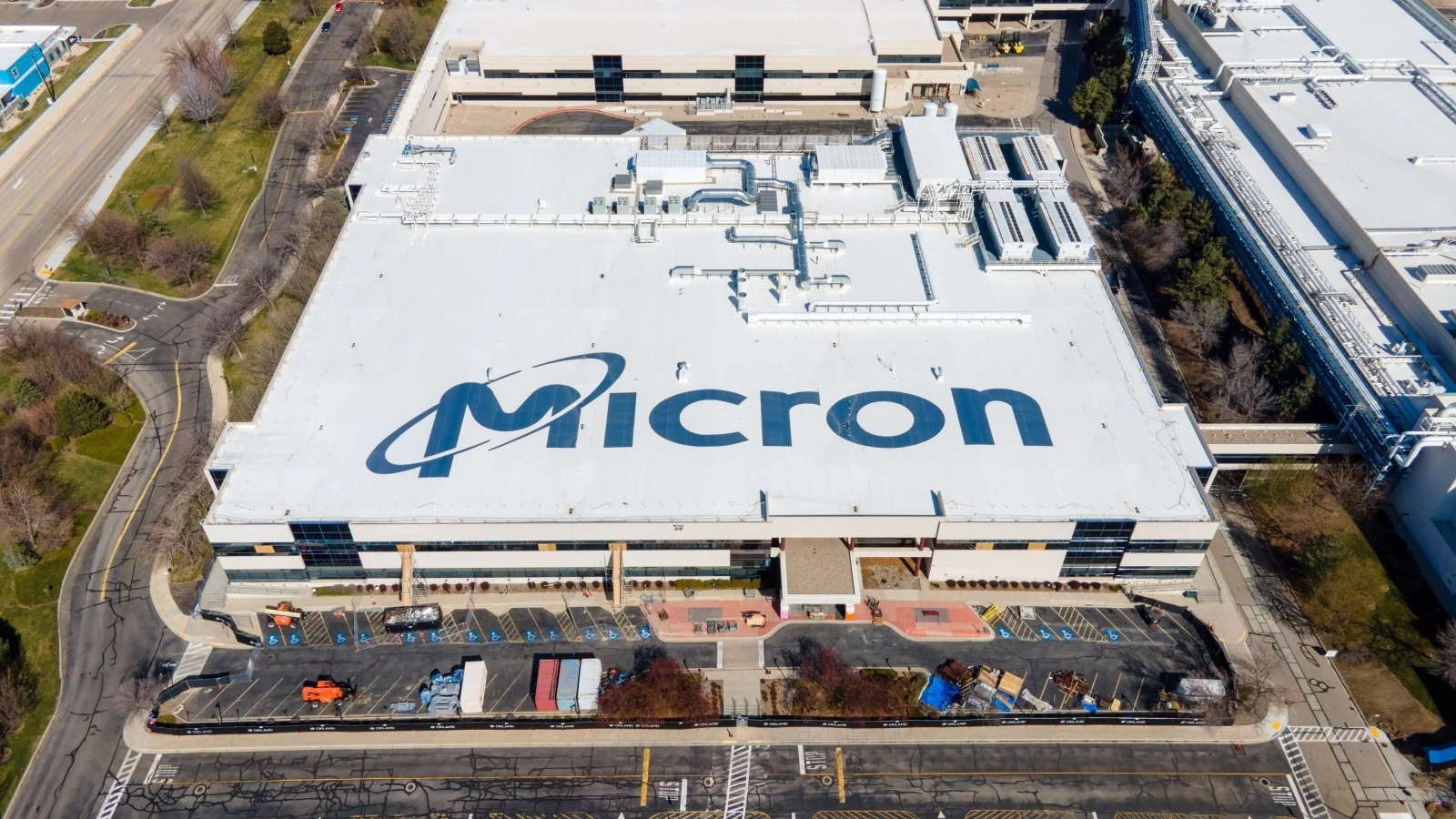
Micron Research Labs is described by the company as the first dedicated memory research institution of its kind in the United States, according to the official press release. Its mandate extends deliberately beyond current product roadmaps, targeting four domains: memory technologies, advanced memory-compute architectures, semiconductor packaging, and next-generation manufacturing processes.
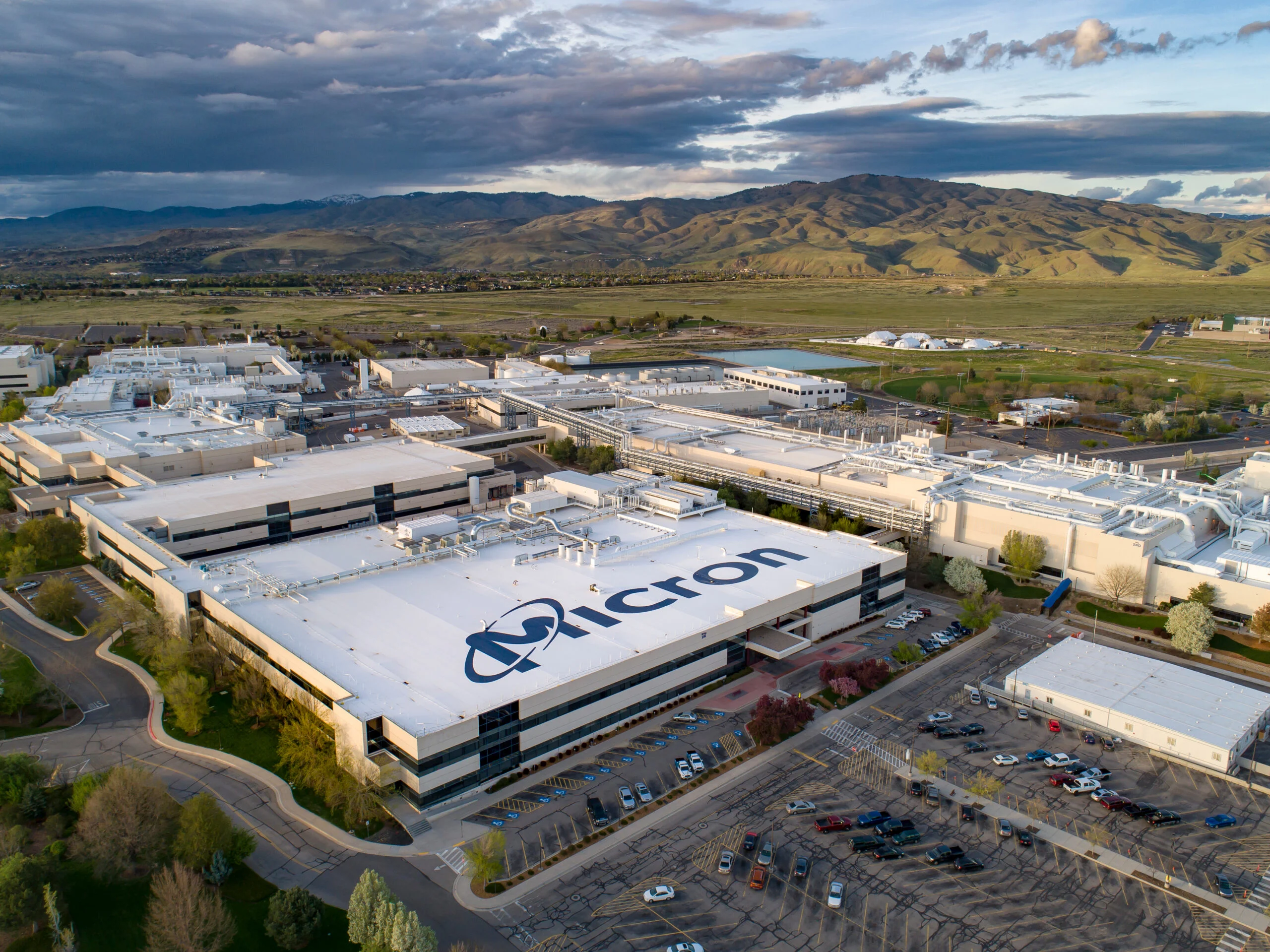
Groundbreaking on the flagship Boise campus is expected in calendar year 2027, with the finished facility designed to house hundreds of researchers. Critically, this $10 billion envelope is entirely separate from the more than $250 billion Micron has already committed to U.S. manufacturing and R&D through 2035, as GlobeNewswire reported. Think of the $10 billion as funding the discovery layer that sits upstream of any fabrication plant — the science that makes future fabs possible.
The lab is explicitly designed to be collaborative rather than closed, uniting customers, academic institutions, government agencies, and the broader semiconductor ecosystem under one roof, per HPCwire.
The Key Players and the Pressure Behind the Bet
The architect of this initiative is Micron CEO Sanjay Mehrotra, who has spent his tenure methodically converting Micron from a commodity DRAM cyclical into an AI-memory specialist. That transformation has accelerated sharply with the explosion in demand for high-bandwidth memory (HBM). Mehrotra has publicly acknowledged that Micron can satisfy only 50–66% of current customer demand for HBM, with production already sold out through much of 2026, according to reporting at 24/7 Wall St. The supply crunch makes the case for a research institution that can advance next-generation HBM and compute-in-memory architectures before rivals — primarily Samsung and SK Hynix — lock in the next wave of design wins.
The broader strategic backdrop is Washington's industrial policy push. Micron's Idaho gigafab, underwritten in part by CHIPS Act funding, is already described by the Commerce Department as the largest single semiconductor manufacturing project in U.S. history. Micron Research Labs slots into that political logic: domestic research capacity, housed at the company's original Boise birthplace, is a potent symbol for an administration intent on reshoring the semiconductor supply chain. As Unite.AI noted, the lab is framed as a long-horizon institutional bet, not a product sprint.
Why It Matters for the AI Era

Memory is the hidden bottleneck of the AI boom. GPUs generate the headlines, but every large language model inference run, every training job, every autonomous system depends on how fast and how efficiently memory can move data to compute. The architectural gap between today's DRAM and the memory systems that frontier AI will need five or ten years from now is enormous — and largely unsolved.
Micron Research Labs is a direct attempt to own that solution space. By building an institution rather than just expanding a product team, Micron is signaling that the next memory architecture — whether it is processing-in-memory, 3D-stacked compute-memory hybrids, or something not yet named — will require the kind of patient, unfettered research that short product cycles cannot support.
For Boise specifically, the announcement is transformative. Idaho's largest city has long been defined by Micron's presence, but a purpose-built research campus of this scale would recast it as a genuine technology research hub, competing for talent with Silicon Valley and Austin on the strength of mission rather than geography alone, as Idaho News reported.
Key Takeaways
- Micron Research Labs launches with a $10 billion, decade-long mandate focused on memory technologies, compute architectures, packaging, and semiconductor manufacturing — entirely separate from Micron's existing $250B+ U.S. commitment.
- Groundbreaking is set for 2027 on a Boise campus designed for hundreds of researchers, structured as an open, collaborative institution spanning academia, government, and industry.
- The move is a direct response to AI memory demand Micron cannot currently meet, with CEO Sanjay Mehrotra acknowledging the company can fill only half to two-thirds of HBM orders — making long-horizon research into next-generation architectures an existential priority.
- Domestic industrial policy provides crucial tailwind: the lab reinforces U.S. CHIPS Act strategy by anchoring advanced semiconductor research on American soil, positioning Micron as both a manufacturing and intellectual-property anchor of the AI supply chain.
Sources: