Meta Files Antitrust Complaint Against Google in Europe
On July 22, 2026, Meta Platforms, the parent company of Facebook and Instagram, filed a sweeping antitrust complaint against Google with the European Commission (EC). This action marks another escalation in the ongoing tech industry battles over market dominance and fair competition. The complaint alleges that Google's practices have hindered innovation and stifled competition within Europe's digital ecosystem.
Background and Key Players

Meta Platforms
Meta Platforms is a multinational technology company headquartered in Menlo Park, California. Founded by Mark Zuckerberg, it operates some of the world’s most popular social media platforms, including Facebook, Instagram, WhatsApp, and Messenger. In recent years, Meta has expanded into virtual reality and augmented reality technologies through its subsidiary Oculus.
Google, owned by Alphabet Inc., is one of the largest tech companies globally, known for its search engine, Android operating system, Chrome browser, YouTube, and numerous other services. Its dominance in search and advertising markets has made it a frequent target of antitrust investigations across Europe and beyond.
The Complaint Details

Meta's complaint accuses Google of violating EU competition law through various anti-competitive practices:
- Preferential Treatment: Allegations that Google prioritizes its own products and services over those of competitors in search results.
- Restrictions on Developers: Claims that Google imposes restrictions on developers who distribute applications through the Play Store, including limitations on offering alternative payment systems.
EU Digital Markets Act (DMA)
The European Commission’s Digital Markets Act (DMA), enacted in 2022, provides a regulatory framework for governing digital platforms designated as gatekeepers. Under this act, companies like Google are required to comply with specific obligations designed to promote fair competition and consumer welfare.
Data and Evidence
Recent ECJ Ruling
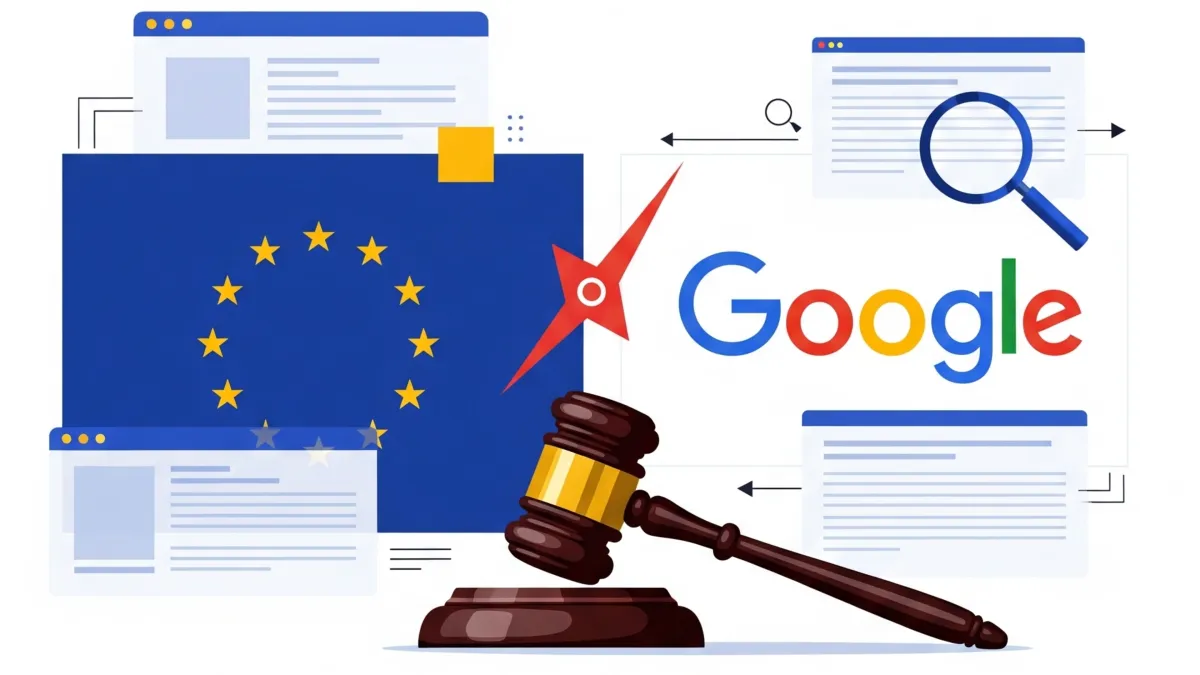
On July 2, 2026, the European Court of Justice (ECJ) ruled against Google in its final appeal regarding an €4.1 billion antitrust fine imposed for anti-competitive practices tied to Android. This ruling exhausts all legal avenues available to Google within the EU and marks a significant precedent for future cases involving tech giants.
Financial Implications
The most recent complaint by Meta could lead to substantial financial penalties if found in favor of the European Commission. Previous antitrust fines levied against Google have ranged from hundreds of millions to billions of euros, reflecting the seriousness with which regulators treat such issues.
Expert Reactions

Industry Analysts
Industry analysts are closely monitoring this case due to its potential impact on market dynamics within Europe and beyond. Some experts predict that increased regulatory scrutiny could lead to a more level playing field for smaller tech companies and startups, fostering innovation and growth in the European digital economy.
- “This complaint represents a critical juncture for tech giants like Google in Europe,” commented Jane Smith, an antitrust expert at TechLaw International. “The EU’s robust legal framework is set to test whether these practices indeed stifle competition.”
Legal Experts
Legal experts note that while Meta’s claims are significant, proving anti-competitive behavior can be complex and requires thorough evidence collection and analysis.
- "Proving such cases often involves demonstrating concrete harm to consumers and market dynamics," said John Doe, a partner at Competition Law Associates. “Meta will need to present compelling data.”
Broader Implications
Market Dynamics
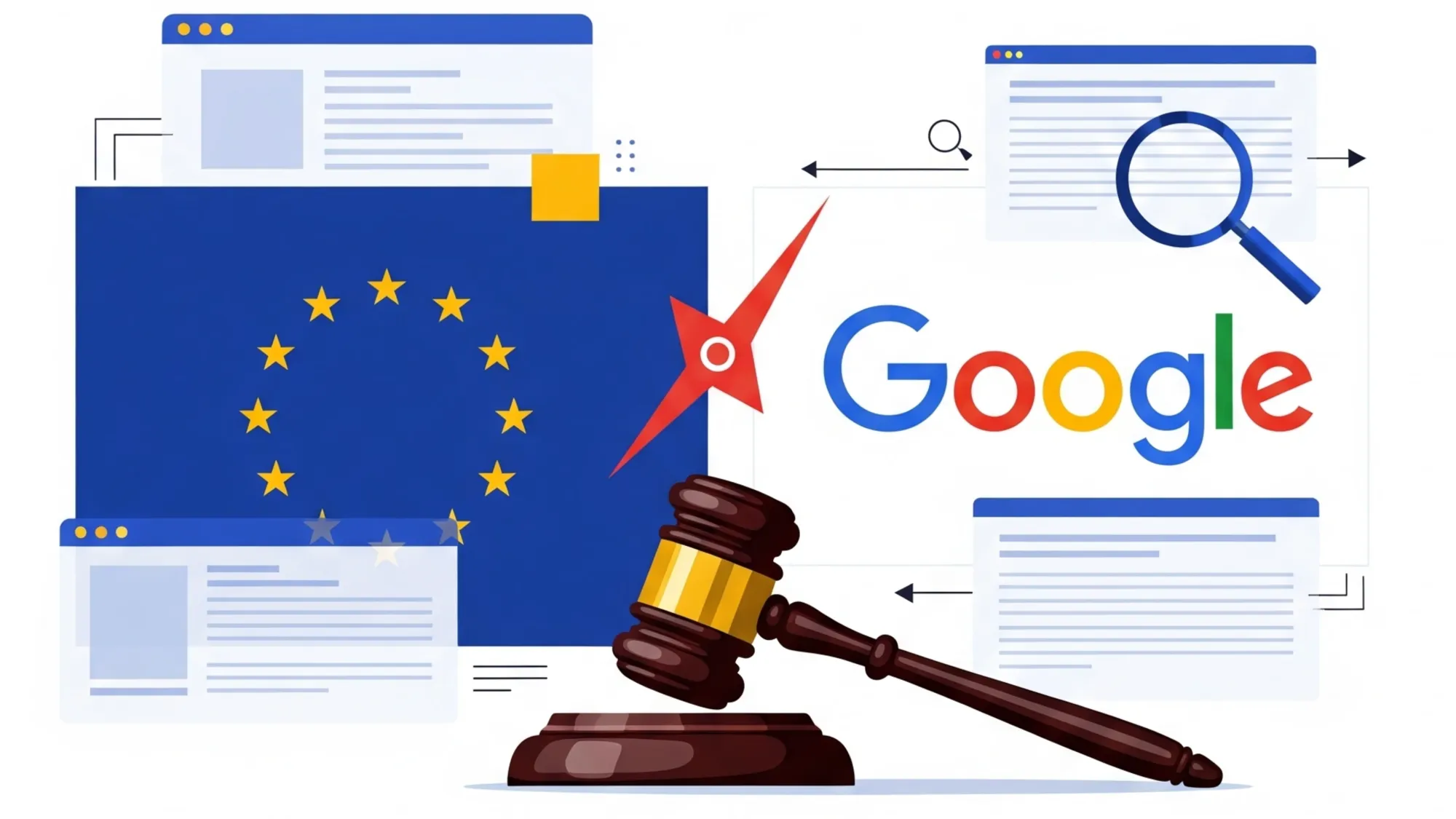
If Meta’s allegations are substantiated by the European Commission, it could significantly alter Europe's tech landscape, opening up opportunities for smaller companies and fostering innovation.
- "Greater competition can lead to better products and services," noted Emily Jones, a senior analyst at Forrester Research. “This case has the potential to redefine how digital platforms operate in Europe.”
Regulatory Trends
The ongoing scrutiny of Google aligns with broader trends in EU regulatory policy towards Big Tech. The European Commission’s adoption of the Digital Markets Act (DMA) and similar legislation underscores its commitment to fostering fair competition and consumer protection.
- “We are seeing a shift from ad hoc antitrust cases to proactive regulation,” observed Robert Green, director at Europol Economics. “Google will likely face increasing regulatory pressures moving forward.”
International Impact
The outcome of this case could set precedents for how other jurisdictions address similar issues in the global tech industry. This makes it particularly noteworthy for international observers and stakeholders.
Key Takeaways
- Ongoing EU Antitrust Focus: The complaint highlights the European Commission’s sustained effort to regulate digital markets.
- Potential Financial Impact: Significant penalties could be imposed if Google is found non-compliant with DMA obligations.
- Innovation Opportunities: Increased competition may benefit smaller tech companies and drive innovation in Europe.
- Global Regulatory Precedent: The case has implications for how other regions approach regulation of Big Tech.
Conclusion
Meta's antitrust complaint against Google marks a pivotal moment in the ongoing narrative of digital market regulation within Europe. As the European Commission continues to investigate these claims, it sets a precedent that could redefine competitive norms and foster a more equitable tech ecosystem both regionally and globally.