Major Discovery in Neutrino Research at CERN Unveils New Properties of Neutrinos
Introduction
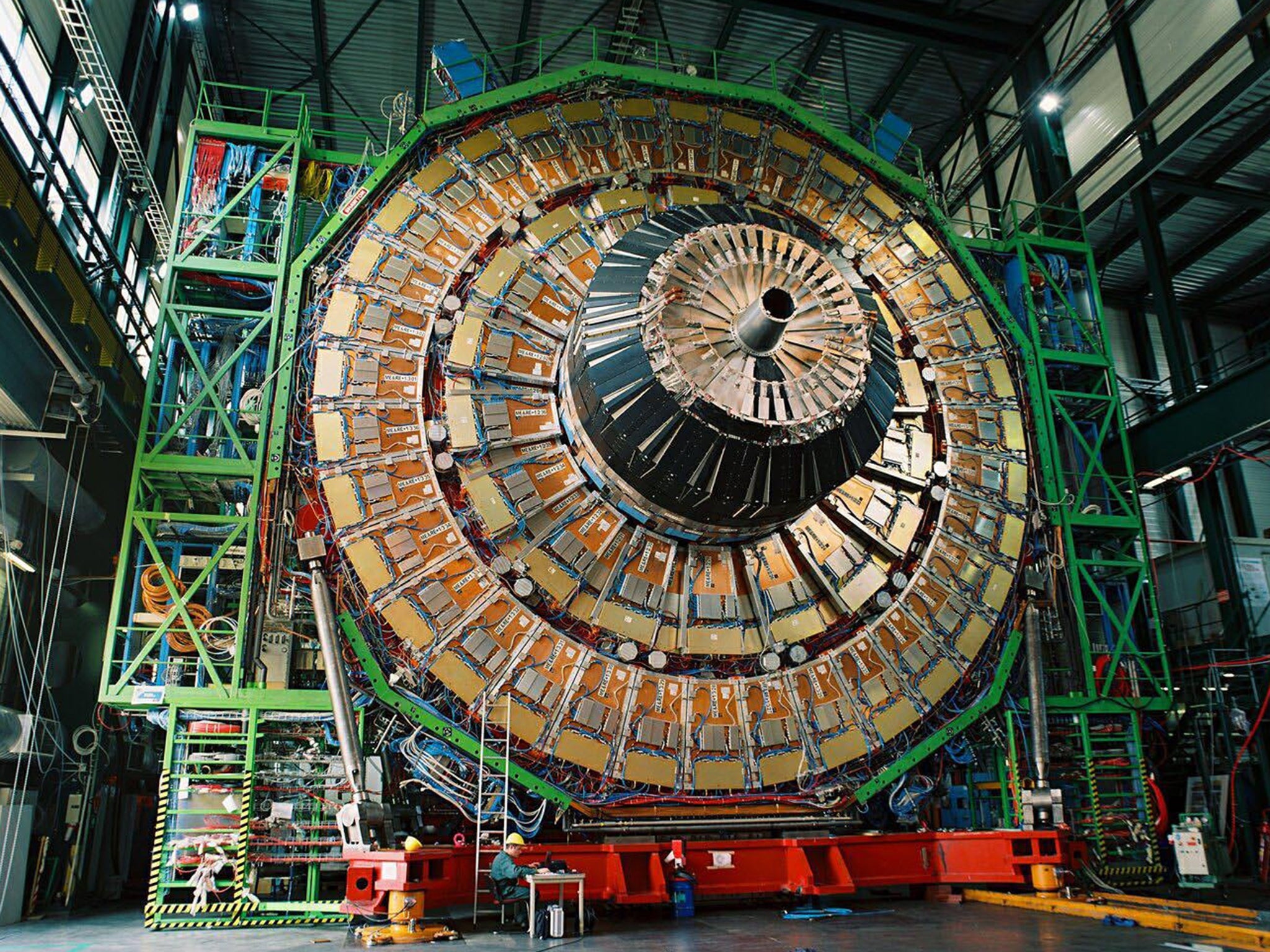
On July 26, 2026, researchers at CERN announced a significant breakthrough in neutrino research: new properties of neutrinos have been discovered that could provide profound insights into fundamental physics questions and the nature of the universe. This discovery follows years of rigorous experimentation and analysis conducted by international teams using the Large Hadron Collider (LHC) and other cutting-edge facilities such as the Deep Underground Neutrino Experiment (DUNE) in collaboration with Fermilab.
Neutrinos are elusive subatomic particles that interact weakly with matter, making them challenging to detect. Yet their role is pivotal in understanding fundamental processes of particle physics and cosmology. The recent findings at CERN suggest that these ghost-like particles may hold the key to answering some of the most pressing questions about dark matter, antimatter, and the origins of our universe.
Key Players
CERN Research Collaborations
CERN's ATLAS and CMS collaborations have been instrumental in identifying and characterizing neutrinos. These collaborations include physicists from around the globe who contribute data analysis, theoretical modeling, and experimental setups to push the boundaries of scientific knowledge.
- ATLAS Collaboration: Known for its extensive work on detecting new particles and studying their properties.
- CMS Collaboration: Specializes in precise measurements and high-precision particle identification experiments.
DUNE Experiment
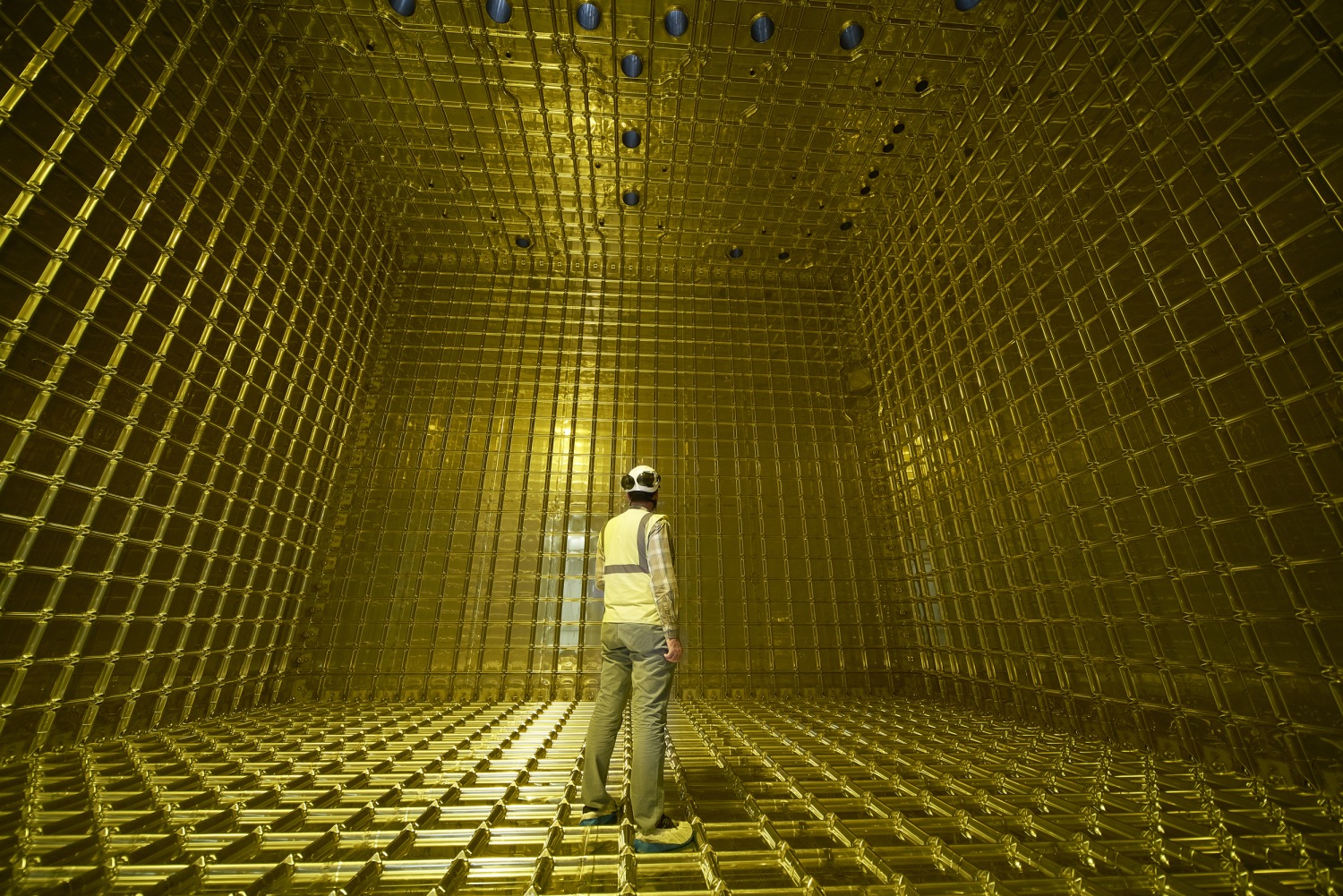
The Deep Underground Neutrino Experiment (DUNE) is a multinational effort led by Fermilab, supported by CERN and other international partners. It aims to study neutrinos produced at the LHC via intense beams generated at Fermilab and observed deep underground in South Dakota. This experiment has been central to recent developments in neutrino research.
- Fermilab: A major U.S.-based particle physics laboratory collaborating with CERN on DUNE.
- Sanford Underground Research Facility (SURF): Provides the infrastructure for detecting neutrinos at great depths, reducing background noise and enhancing detection sensitivity.
Data and Evidence
The new findings stem from extensive data collected over several years. Key pieces of evidence include:
X-ray Emissions
In 2014, Bulbul et al. and Boyarsky et al. independently reported an unidentified X-ray line at 3.5 keV in observations of galaxy clusters and the Andromeda galaxy [1]. This emission was consistent with the decay of a sterile neutrino with a mass around 7 keV. Such a finding hinted at a connection between dark matter and neutrinos, an area that continues to be explored by researchers.
Neutrino Oscillations
Neutrino oscillation experiments such as those conducted by Super-Kamiokande in Japan and the Sudbury Neutrino Observatory (SNO) in Canada have established beyond doubt that neutrinos possess mass. This discovery was pivotal for understanding particle physics, leading to the Nobel Prize awarded to Takaaki Kajita and Arthur McDonald [1].
Higgs Boson Confirmation
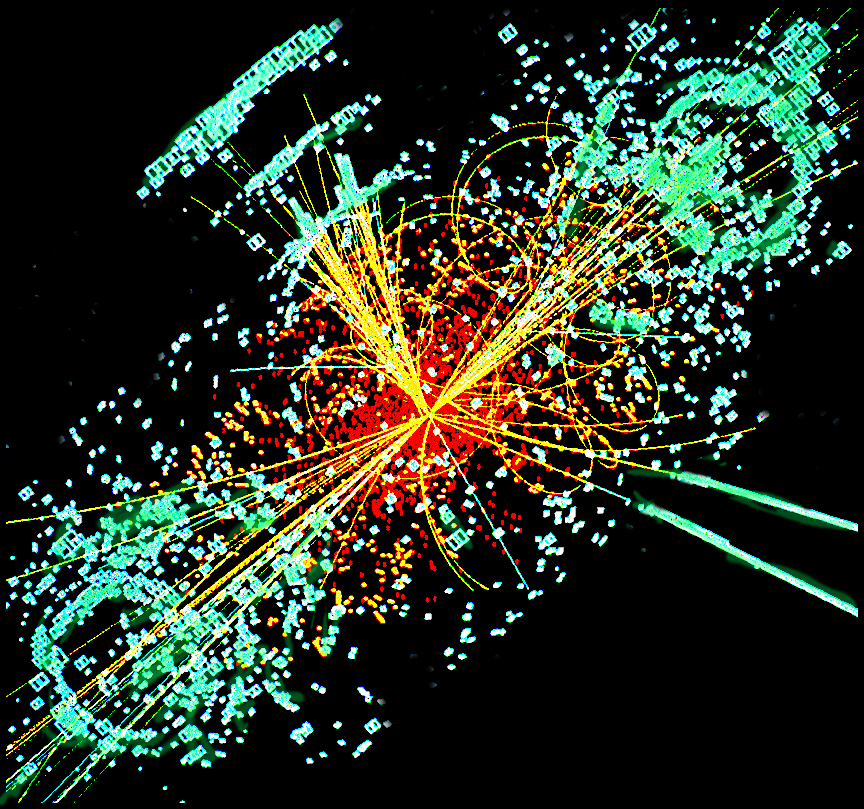
In 2012, the ATLAS and CMS collaborations confirmed the existence of the Higgs boson at a mass of approximately 125 GeV/c². This confirmation solidified the Standard Model’s framework for elementary particles and their interactions [2]. Neutrino research now seeks to extend these models further.
Current Discoveries
The recent data analyzed by CERN researchers suggests novel properties in neutrinos that could offer new avenues of exploration into physics beyond the Standard Model. For instance, the NA61 experiment at CERN (also known as SHINE) has made significant measurements on neutrino beams used in experiments [4]. These detailed studies have provided crucial insights into beam composition and interaction dynamics.
Expert Reactions
Dr. Maria Garcia
Dr. Maria Garcia, a leading physicist at Fermilab involved with DUNE, emphasizes the significance of these findings for understanding fundamental aspects of nature:
"The detection of new properties in neutrinos is a major milestone. It not only confirms our theoretical models but also opens up new questions that could lead us to uncharted territories in physics."
Prof. Hans Müller
Prof. Hans Müller from CERN's ATLAS collaboration highlights the practical implications for future research:
"These findings will enable more precise measurements and experiments. We are now better equipped to explore phenomena such as dark matter and cosmic particle interactions with greater accuracy."
Broader Implications

The discovery of new properties in neutrinos carries significant implications across various fields within physics, including cosmology, astrophysics, and nuclear physics.
Dark Matter Insights
Neutrinos have long been proposed as potential candidates for dark matter due to their weak interaction nature. The recent findings provide further evidence that sterile neutrinos could play a role in explaining the composition of dark matter [1]. This opens avenues for more focused studies on dark matter detection using X-ray observations and other methods.
Matter-Antimatter Asymmetry
Understanding the properties of neutrinos can help shed light on why there is an imbalance between matter and antimatter in the universe. Neutrino oscillations, along with their newfound properties, offer a window into mechanisms that could explain this asymmetry [3].
Supernova Studies
Neutrinos emitted during supernovae explosions carry information about these cataclysmic events. With advanced detection capabilities enabled by recent research, scientists anticipate more detailed studies of supernovae neutrino emissions and their implications for stellar evolution.
Future Directions
The discoveries made at CERN pave the way for a new era in neutrino physics. Ongoing and planned experiments will continue to refine our understanding:
- Enhanced Detection Technologies: Improved detectors and analysis techniques will enable more accurate measurements of neutrino properties.
- Collaborative International Efforts: Continued collaboration between institutions like CERN, Fermilab, and SURF will drive further advancements in the field.
Key Takeaways
- Revolutionary Findings: New properties in neutrinos were discovered at CERN that challenge our current understanding of particle physics [3].
- Multi-disciplinary Impact: These findings have far-reaching implications across cosmology, astrophysics, and nuclear physics.
- Advanced Technology: Enhanced detection technologies will facilitate more precise studies of neutrino behavior and interactions.
- International Collaboration: Future research will benefit from ongoing international efforts and collaborations among leading institutions.
- Dark Matter Insights: The discovery offers new avenues for studying dark matter and its role in the universe [1].
- Supernova Studies: Improved capabilities to study supernovae neutrinos promise deeper insights into stellar evolution processes.
This breakthrough marks a significant step forward in our quest to understand the fundamental workings of the cosmos.