Luigi Mangione's State Murder Trial Postponed Indefinitely as Double Jeopardy Fight Begins
The state murder trial of Luigi Mangione — the 28-year-old accused of fatally shooting UnitedHealthcare CEO Brian Thompson outside a Manhattan hotel in December 2024 — has been postponed indefinitely, a dramatic legal turn that raises fundamental questions about the limits of prosecutorial power and the constitutional protections afforded to defendants in America's dual-court system.
Manhattan Supreme Court Judge Gregory Carro canceled the trial, which had been set to begin September 8, 2026, after Mangione's defense team filed an emergency motion to dismiss the state charges on double jeopardy grounds. The next scheduled hearing is December 10 — one week before Mangione is to be sentenced in federal court.
The Federal Plea That Changed Everything
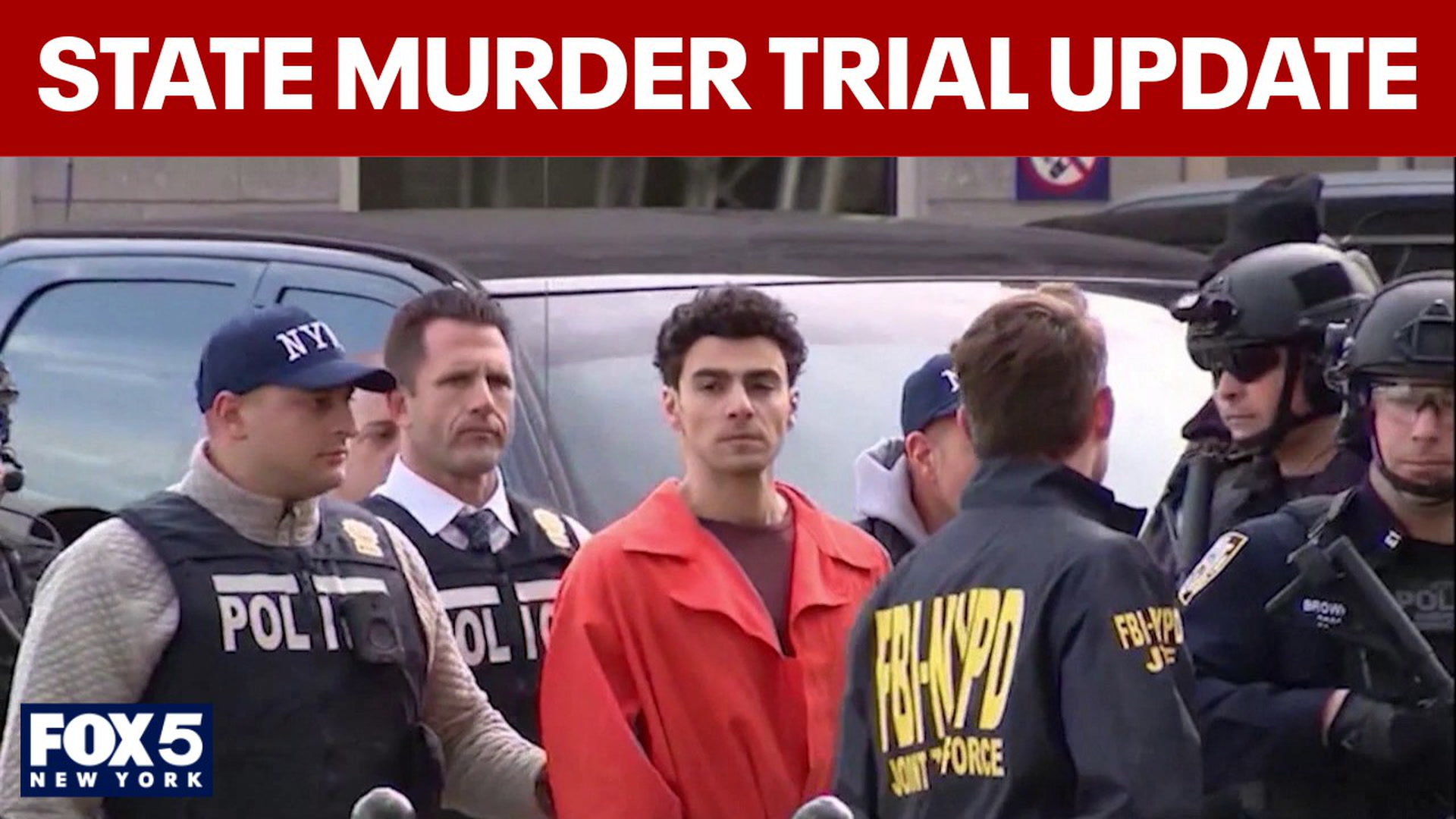
On August 14, 2026, Mangione stood before U.S. District Judge Margaret Garnett in Manhattan federal court and entered an open guilty plea — meaning no deal, no concessions — to two federal counts of stalking resulting in death. In unambiguous terms, he told the court: "On the morning of Dec. 4, 2024, I shot Mr. Thompson in Manhattan, and he died."
The plea was a legal gamble. By pleading guilty to all pending federal charges without a negotiated agreement, Mangione's attorneys positioned him to immediately challenge the state prosecution. Prosecutors told reporters they intend to seek the maximum penalty — potentially life in prison — when Mangione is sentenced on December 18. Federal sentencing guidelines reportedly suggest a range of 24 to 30 years, according to CNN.
The Double Jeopardy Argument at the Heart of the Delay
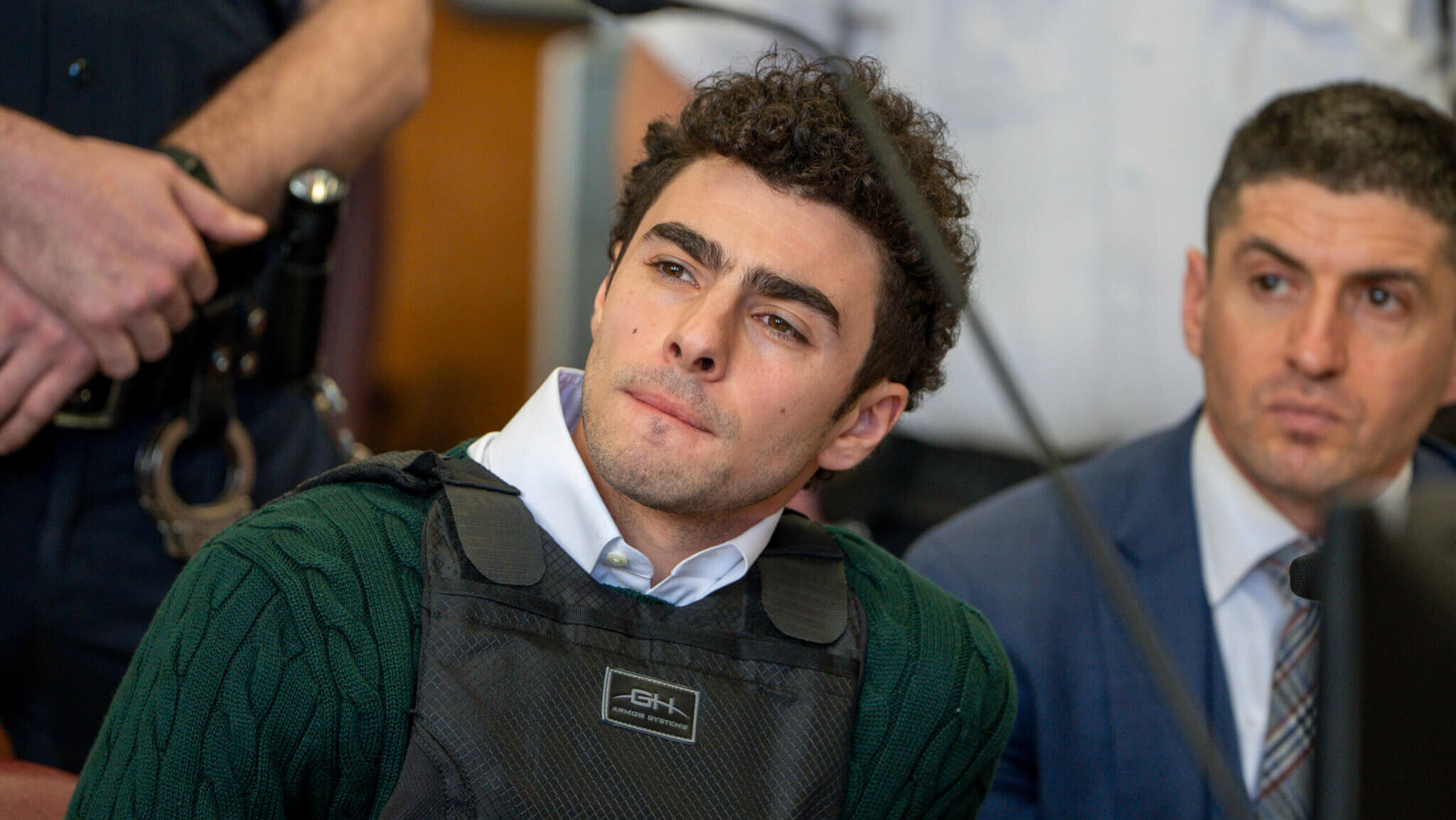
Within hours of the federal guilty plea, Mangione's defense team filed a motion to dismiss the New York state case, describing their client as a "pawn in parallel prosecutions" and accusing state and federal prosecutors of "trying to punish him twice for the exact same conduct," according to The Washington Post.
The Fifth Amendment's double jeopardy clause bars the government from trying a person twice for the same offense — but the law has long recognized a dual sovereignty doctrine, which generally allows both federal and state governments to bring separate charges for the same underlying acts. Mangione's team is arguing that this case is an exception: that the state and federal prosecutions are so closely intertwined in their conduct and coordination that proceeding with the state trial would violate due process and constitutional protections.
Judge Carro has given Manhattan prosecutors until October 9 to formally respond to the defense motion. If the court sides with Mangione, the state murder charges — which include second-degree murder and weapons counts — could be dismissed entirely. If prosecutors prevail, the state trial would be rescheduled, though no new date has been set, as reported by NY1 and Forbes.
Why This Case Matters Beyond the Courtroom
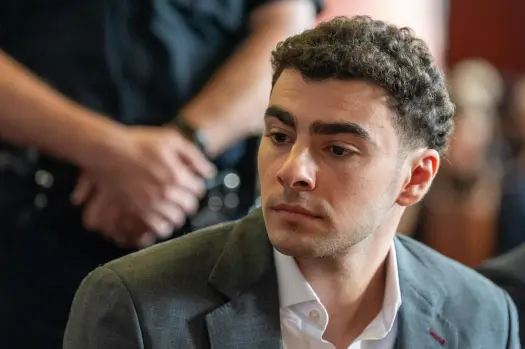
The Mangione case has never been solely about one killing. From the moment Thompson was shot outside the New York Hilton Midtown in December 2024, the murder ignited a polarized national conversation about the U.S. health insurance industry, corporate accountability, and vigilante violence. Mangione became, to some, a symbol of rage against a system seen as indifferent to human suffering — a perception that has complicated the prosecution's public-relations environment, if not its legal strategy.
Now, the legal complexity deepens. The question of whether state prosecutors in Manhattan can pursue a murder trial after a federal guilty plea — to what are technically "stalking" charges, not murder — touches on how the American justice system allocates power between Washington and state capitals. As NPR noted after the federal plea, the implications for the state case were immediately uncertain, and legal observers were divided on the strength of the double jeopardy claim.
The Manhattan District Attorney's office has not yet tipped its hand on how aggressively it will fight to keep the state case alive. That response, due in October, will set the stage for what may be one of the most closely watched criminal law decisions of the year.
Key Takeaways
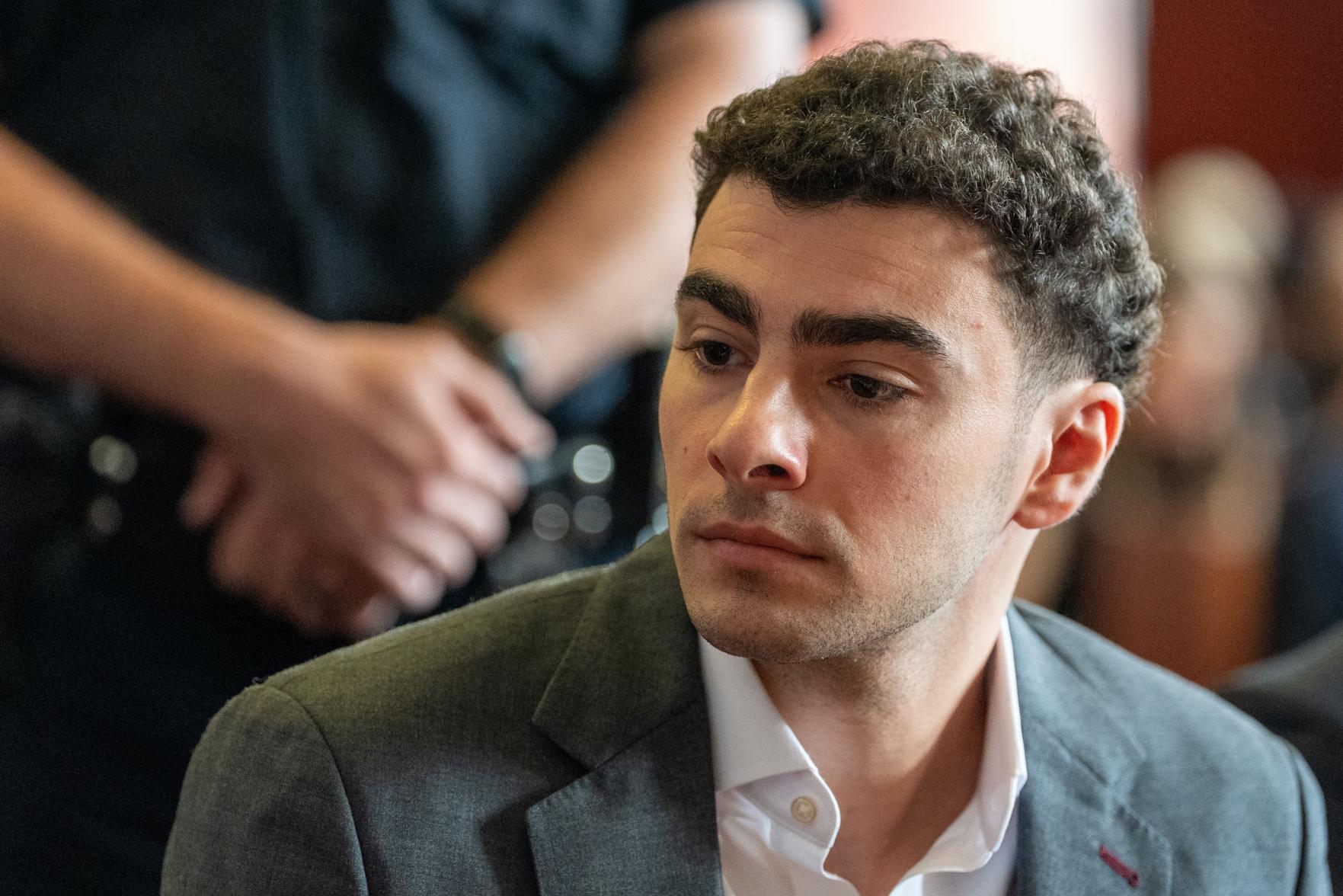
- Mangione pleaded guilty on August 14 to two federal stalking charges in the death of UnitedHealthcare CEO Brian Thompson, facing a possible maximum of life in prison at his December 18 sentencing, with no plea deal in place.
- The state murder trial, set for September 8, has been postponed indefinitely after Mangione's defense immediately filed a motion to dismiss the state case on double jeopardy and due process grounds.
- The core legal battle is now over the dual sovereignty doctrine — whether coordinated federal and state prosecutions for the same shooting constitute unconstitutional double punishment.
- The next major milestones are October 9 (Manhattan DA's response deadline) and December 10 (court hearing), meaning resolution of the state case is unlikely before early 2027 at the earliest.
Sources:
- Luigi Mangione's State Murder Trial Postponed After Federal Plea — Forbes
- Luigi Mangione's state murder trial postponed indefinitely amid double jeopardy fight — The Washington Post
- Luigi Mangione's state murder trial effectively postponed — CNN
- Luigi Mangione's state murder trial postponed indefinitely — NY1
- Luigi Mangione pleads guilty to federal stalking charges in CEO's killing — NBC News
- What Mangione federal guilty plea means for state trial — NPR
- Luigi Mangione pleads guilty to federal stalking charges — CNN