Logan Act Investigation Involving Mamdani: A Deep Dive into Political Controversy
Introduction
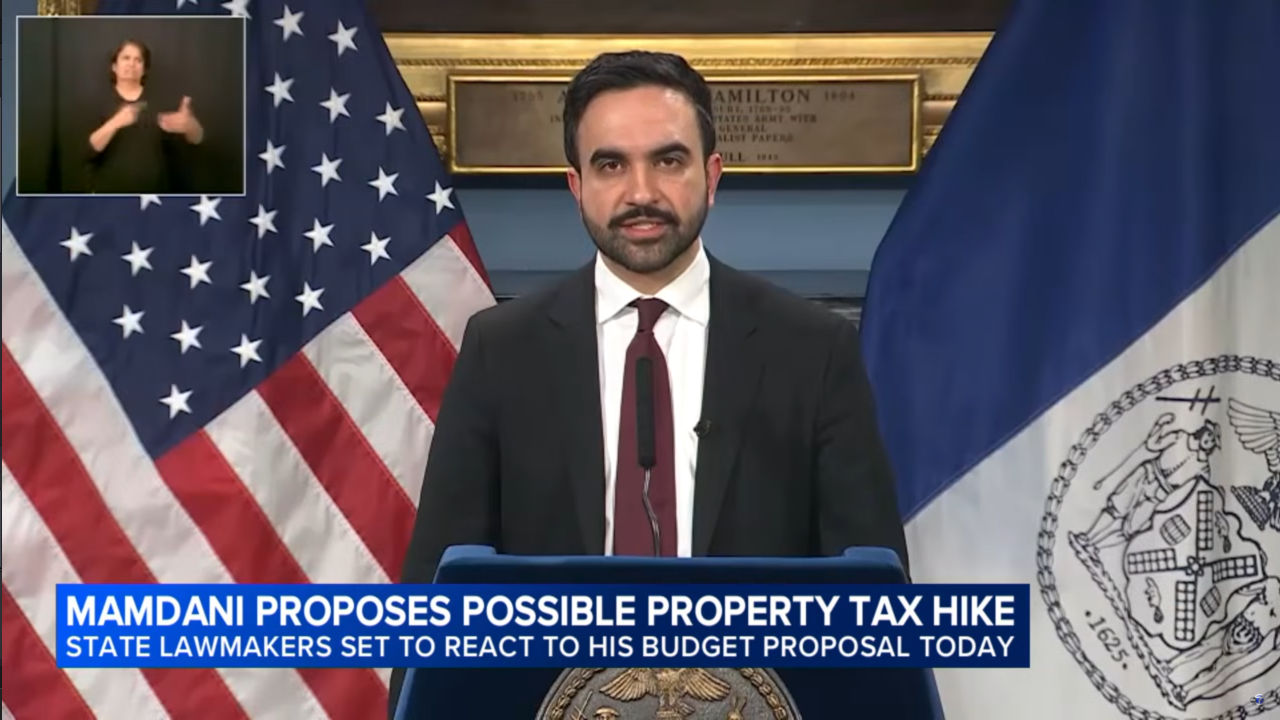
Today, Monday, July 27, 2026, continues to be a pivotal moment in the evolving political landscape as Mahmood Mamdani's administration faces potential violations of the Logan Act. The controversy centers around unauthorized meetings between a senior Mamdani official and an Iranian official, raising significant legal and diplomatic questions that could reshape U.S.-Iran relations and the interpretation of century-old federal statutes.
Background on the Logan Act
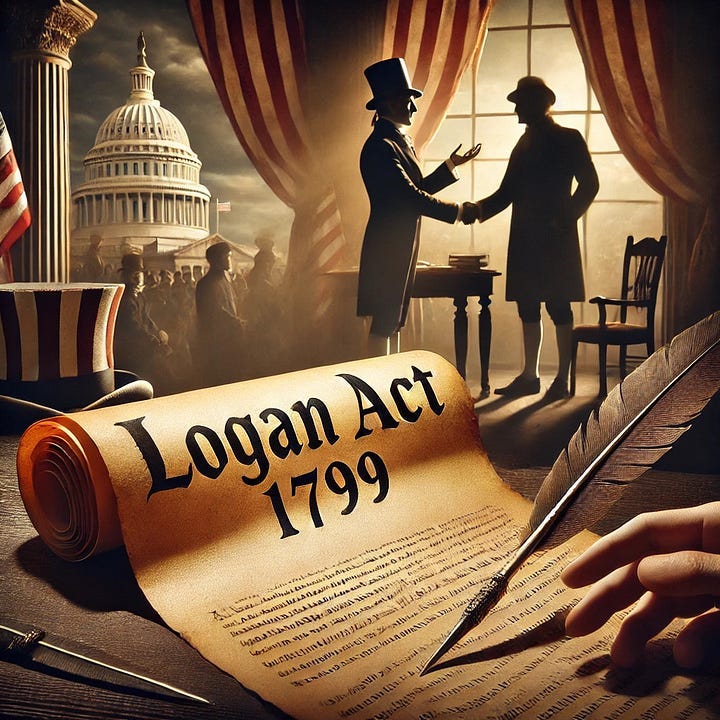
The Logan Act (1 Stat. 613), enacted January 30, 1799, is one of the oldest but least enforced statutes in American federal law [2]. It criminalizes unauthorized private citizens from negotiating with foreign governments in disputes with the United States:
"Any citizen of the United States, wherever he may be, who, without authority of the United States, directly or indirectly commences or carries on any correspondence or intercourse with any foreign government or any officer or agent thereof, with intent to influence the measures or conduct of any foreign government... in relation to any disputes or controversies with the United States..."
Historically, this statute has been invoked sparingly. There have only been two indictments under it since its inception—both dating back to the early 19th century—and zero convictions [2]. Despite its infrequent use, the Logan Act remains a potent legal instrument that can be wielded to address unauthorized diplomatic actions.
Current Events
Mamdani Administration's Meetings with Iran
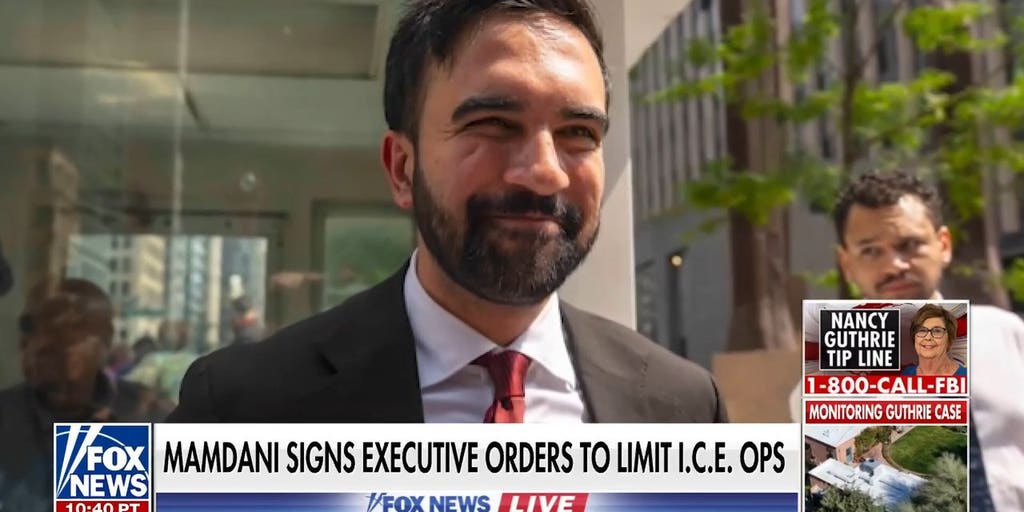
According to recent reports from Breitbart News and other media outlets, a senior member of the Mamdani administration attempted to organize an unauthorized meeting with a high-ranking Iranian official [12]. This attempt drew immediate attention due to the ongoing tensions between the United States and Iran. In response to these developments, House Republicans led by Rep. Addison McDowell (R-NC) filed a letter requesting that the Department of Justice investigate potential violations of the Logan Act [12].
Official Response
The U.S. State Department has been at the forefront in addressing this issue. On July 10, 2026, the department reportedly shut down the planned meeting between Mamdani's administration and Iranian officials [1]. The move was aimed at "clarifying acceptable conduct" for private citizens engaging with foreign governments in sensitive diplomatic contexts [1].
Key Players

Mahmood Mamdani
Mahmood Mamdani, a prominent academic and public intellectual, is known for his outspoken views on global politics. His recent involvement in unauthorized meetings with Iranian officials has placed him at the center of this controversy. As an influential figure with ties to both academia and political spheres, Mamdani's actions have drawn significant scrutiny [1].
Rep. Addison McDowell (R-NC)
Rep. McDowell, a key Republican legislator, has been instrumental in pushing for an investigation into the alleged Logan Act violation. His leadership in this matter underscores the bipartisan nature of concerns regarding unauthorized diplomatic engagements by private citizens [12].
Acting Attorney General Todd Blanche
As Acting Attorney General, Todd Blanche received the letter from House Republicans and is now considering whether to pursue a formal investigation into Mamdani's administration for potential violations of the Logan Act. His decision will be critical in determining the legal implications of these events [12].
Data and Evidence
Official Correspondence
The official correspondence between Rep. Addison McDowell, Acting Attorney General Todd Blanche, and House Republicans outlines specific concerns about unauthorized diplomatic engagements by Mamdani's administration [12]. These letters provide evidence that the matter is being taken seriously at high levels of government.
Media Reports
Media reports have extensively documented the alleged meetings and subsequent actions taken by U.S. authorities to address them. These sources serve as primary references for understanding the timeline and scope of events leading up to the current investigation [12].
Expert Reactions
Legal Perspectives
Legal experts offer varied interpretations regarding the potential violations of the Logan Act in this case. Some argue that Mamdani's actions do not meet the statutory threshold due to insufficient evidence of intent to influence U.S. foreign policy [6]. Others contend that any unauthorized engagement with a hostile nation could be construed as violating the act, particularly if it bypasses official diplomatic channels.
Diplomatic Implications
Diplomatic experts highlight the broader implications for U.S.-Iran relations. The controversy has already strained diplomatic ties and may result in further isolation of Iran by reinforcing perceptions of its adversarial stance towards the United States [1].
Broader Implications
Domestic Political Landscape
This incident is likely to have significant repercussions on domestic political dynamics, particularly regarding debates over executive authority and private citizen rights. The case could set a precedent for future investigations into unauthorized diplomatic engagements.
U.S.-Iran Relations
The potential violations of the Logan Act may further complicate already tense relations between the United States and Iran. Any enforcement action could escalate tensions and hinder prospects for normalization or improved bilateral cooperation.
Constitutional Law
Legal scholars will be closely examining this case to explore how constitutional law principles intersect with statutes like the Logan Act, particularly concerning the limits on executive power and private citizen rights in diplomatic matters [1].
Key Takeaways
- Complex Legal Terrain: The Logan Act remains a poorly understood statute with significant implications for unauthorized diplomatic engagements.
- Political Sensitivity: Alleged violations by Mamdani's administration have drawn intense political scrutiny, highlighting the delicate balance between executive authority and private citizen rights.
- Strained Relations: Unauthorized meetings may exacerbate existing tensions in U.S.-Iran relations, potentially hindering diplomatic progress.
- Broader Legal Precedent: This case could set a precedent for future investigations into unauthorized diplomatic engagements by private citizens.
- Domestic Policy Debates: The controversy will likely fuel ongoing debates about executive authority and the rights of private citizens to engage in foreign affairs.
- Need for Clear Guidelines: There is an urgent need for clearer guidelines on acceptable conduct for U.S. citizens engaging with foreign governments, particularly during times of geopolitical tension.
Conclusion
The Logan Act investigation involving Mamdani's administration underscores the complex interplay between historical legal statutes and contemporary political realities. As this case unfolds, it will be crucial to monitor its broader implications for domestic politics, international relations, and constitutional law in 2026 and beyond.