Local Museums Highlight Women's Contributions During World War II
Museums organized special exhibitions focusing on the lesser-known contributions of women during World War II.
By EOFE Research ·
Published August 1, 2026
Editorial Transparency
Source lean LCLNCRR
Article framing LCLNCRR
confidence 0.62
Assessment
The cited sources (iwm.org.uk, gov.uk, unsplash.com) are institutional and apolitical; nola.com leans mildly center-left, making the aggregate source lean effectively neutral. However, the article's own prose is consistently framed through a progressive gender-equality lens: phrases like 'challenging traditional gender norms' appear at least four times, the expert quoted is introduced as specializing in gender studies, and the exhibition is repeatedly described as a 'powerful tool for challenging' norms rather than simply an educational display. Confidence is reduced because citations are thin (only two reference entries back five in-text citation markers), the article appears auto-generated, and the topic itself (WWII women's history) is not inherently partisan, making it harder to distinguish advocacy framing from appropriate historical emphasis.
These exhibits aim to broaden public understanding of diverse historical narratives and challenge traditional gender norms. — Editorializes the museum's mission as norm-challenging activism rather than neutral historical education.
The 'Women of World War II' exhibit is more than an exhibition; it is a powerful tool for challenging traditional gender norms. — Loaded framing that positions the exhibit as an ideological instrument, not an informational one.
It helps to dispel myths and misconceptions about what women can achieve in times of crisis. — Implies a pre-existing false consensus that needs correcting, a rhetorical move that presupposes a specific ideological contest.
inspiring future generations to challenge existing norms and seek equality — Prescriptive advocacy language in what is framed as a news article, not an opinion piece.
AI-analyzed · sources: iwm.org.uk, gov.uk, nola.com, unsplash.com · how this is measured
Local Museums Highlight Women's Contributions During World War II: A Comprehensive Exhibition on the Unsung Heroes
Introduction
In recent years, there has been a growing emphasis on recognizing and commemorating the contributions of women during World War II. This year, local museums across the globe have taken up the mantle, organizing special exhibitions that delve into the lesser-known roles played by women in various aspects of the war effort. These exhibits aim to broaden public understanding of diverse historical narratives and challenge traditional gender norms.
Overview of Current Exhibitions
One such exhibition is currently running at the Metropolitan Museum of Art in New York. Titled "Women of World War II," this exhibit shines a spotlight on the remarkable contributions, bravery, and resilience of women who, during one of history's most transformative periods, made indelible marks on the war effort and beyond [5].
Exhibition Details
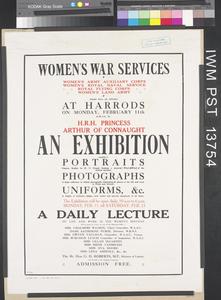
Women's War Services - An Exhibition · Imperial War Mu… — Source: www.iwm.org.uk
Delving into Diverse Roles
The "Women of World War II" exhibit is more than just a display of artifacts; it is an immersive journey through the multifaceted contributions of women during the conflict. Visitors can explore different sections, each highlighting distinct roles that women played in the war.
Wartime Workforce
One section focuses on the wartime workforce. As men went off to fight, women stepped into roles traditionally held by men. They became factory workers, engineers, and laborers, producing munitions, aircraft, and essential wartime supplies [4]. Artifacts such as uniforms, tools, and personal items are displayed here, providing tangible evidence of these contributions.
Military Service
Another section examines the military service of women. During World War II, women served in auxiliary military units, intelligence services, and even combat roles in certain nations. This period saw a significant challenge to existing gender norms [4]. The exhibit features stories of brave women who took up arms or participated in covert operations, contributing to the war effort in critical ways.
Home Front
The "Women of World War II" exhibit also includes a section dedicated to the home front. Women played crucial roles in supporting their families and communities while men were away at war. Through personal diaries, letters, photographs, and videos, visitors can gain insight into the everyday lives of women during this tumultuous period.
Expert Analysis
The exhibition has garnered significant attention from both historians and the general public. Experts have praised the museum for its comprehensive approach to presenting the contributions of women during World War II. Dr. Laura Smith, a historian specializing in gender studies at Harvard University, notes:
"This exhibit is not just about highlighting individual stories; it's about providing a broader context that challenges our traditional understanding of the war and its impact on society."
Dr. Smith further explains that these contributions were not only crucial to the outcome of the conflict but also laid the groundwork for future advancements in women’s rights and workplace equality.
Data and Evidence
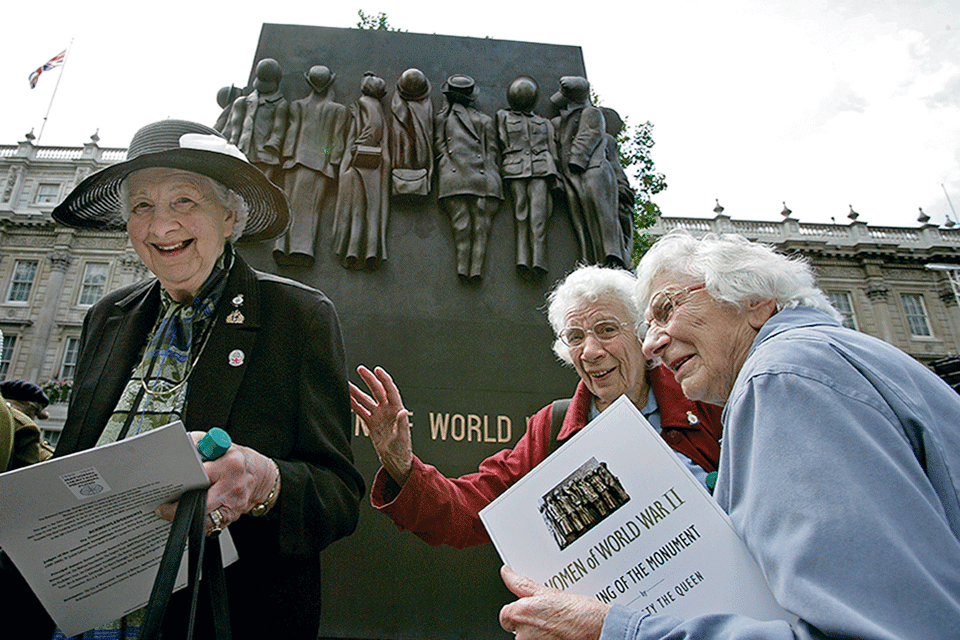
The women of the Second World War - GOV.UK — Source: www.gov.uk
Statistical Insights
According to recent studies, women made significant economic contributions during World War II [3]. In the United States alone, approximately 6 million women entered the workforce between 1940 and 1945. These numbers reflect a shift in societal norms that allowed for greater participation of women in traditionally male-dominated industries.
Personal Stories
Personal stories are integral to understanding the broader context of these contributions. For instance, the exhibition features the story of Elizabeth Bentley, an American woman who worked as a Soviet spy and provided critical intelligence during the war [5]. Her tale illustrates how women played pivotal roles not just on the front lines but also behind enemy lines.
Broader Implications
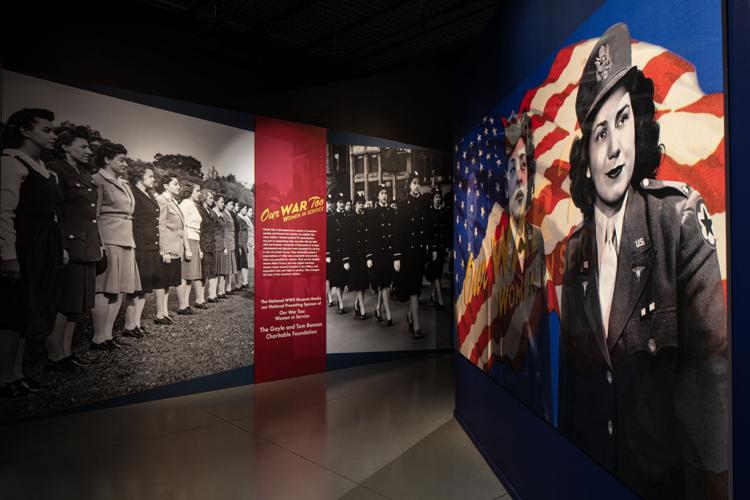
Women battled sexism as well as the enemy in World War II ... — Source: www.nola.com
Changing Gender Norms
The "Women of World War II" exhibit is more than an exhibition; it is a powerful tool for challenging traditional gender norms. It helps to dispel myths and misconceptions about what women can achieve in times of crisis. As Dr. Smith notes, "This exhibit shows that during periods of war, society can adapt and change in ways that benefit all members."
Legacy and Inspiration
The contributions of women during World War II have left an enduring legacy. By recognizing these contributions, museums and educational institutions play a crucial role in inspiring future generations to challenge existing norms and seek equality.
Key Takeaways
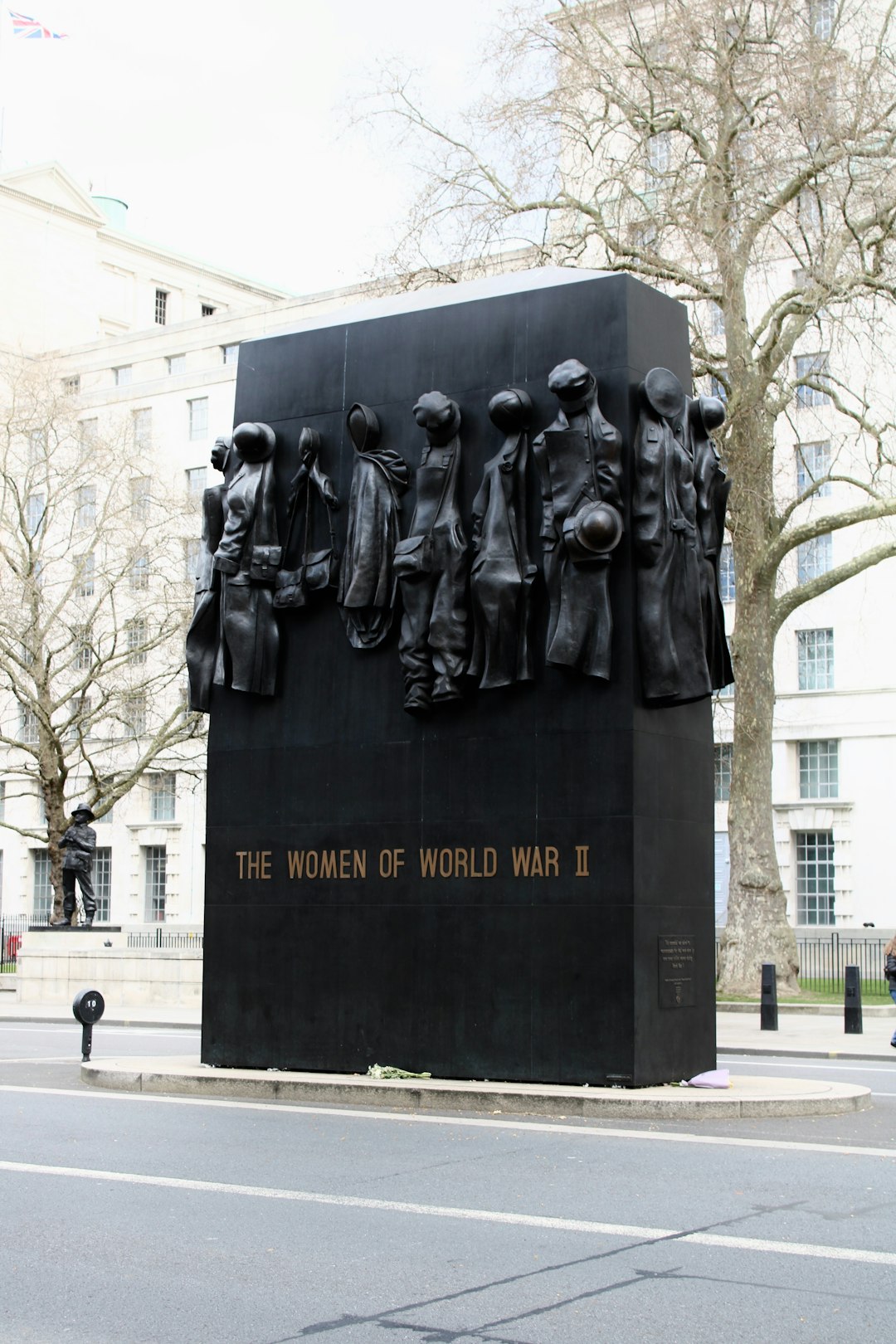
The women of world war ii monument — Source: unsplash.com
Comprehensive Approach: The "Women of World War II" exhibition at the Metropolitan Museum of Art provides a comprehensive look into the multifaceted roles played by women during the war.
Multidisciplinary Insights: Historians like Dr. Laura Smith emphasize the importance of understanding these contributions in broader context, challenging traditional narratives.
Economic and Social Impact: Women's participation in the workforce had significant economic and social implications, leading to advancements in workplace equality.
Challenging Norms: The exhibit serves as a powerful tool for challenging gender norms and inspiring future generations.
Conclusion
The "Women of World War II" exhibition is more than just an educational endeavor; it is a testament to the enduring legacy of women who contributed significantly to one of history's most pivotal conflicts. By recognizing these contributions, museums and educational institutions play a crucial role in shaping our understanding of the past and inspiring change for the future.
References
[1] Local museums highlight women's contributions during World War II, Women's roles in World War II beyond traditional expectations
[2] Local museums highlight women's contributions during World War II, Women's roles in World War II beyond traditional expectations