Legal Battle Over Copyright Ownership of AI-Generated Music Hits Court
The music industry is facing a pivotal legal showdown as a landmark lawsuit challenges the copyright ownership of AI-generated music. Filed on July 23, 2026, the case centers on a major music tech company accused of infringing on the intellectual property rights of human creators through its AI-driven composition tools. This dispute has ignited a broader debate about the boundaries of creativity, authorship, and the legal frameworks governing artificial intelligence in an era where machines are increasingly capable of producing original works.
The lawsuit, which has drawn attention from legal scholars, industry leaders, and artists, raises critical questions about whether AI-generated music can be protected under existing copyright laws. At the heart of the case is the claim that the defendant’s AI system, which generates compositions by analyzing vast datasets of human-created music, is effectively replicating the creative output of human artists without proper attribution or compensation. This has sparked a heated discussion about the role of human ingenuity in the creative process and whether AI should be granted the same legal protections as human creators.
The case is not isolated; it is part of a growing wave of legal challenges that have emerged as AI tools become more sophisticated and integrated into the music production pipeline. From AI-assisted composition to virtual artists and vocal synthesis, the technology has blurred the lines between human and machine creativity. Yet, the legal system has struggled to keep pace with these innovations, leaving creators and companies in a legal gray zone.
This article provides a comprehensive overview of the current legal battle, the key players involved, the evidence presented, expert analyses, and the broader implications for the music industry. It also highlights the evolving legal landscape and the potential long-term impact of this case on copyright law and creative expression.
Key Players in the Legal Battle
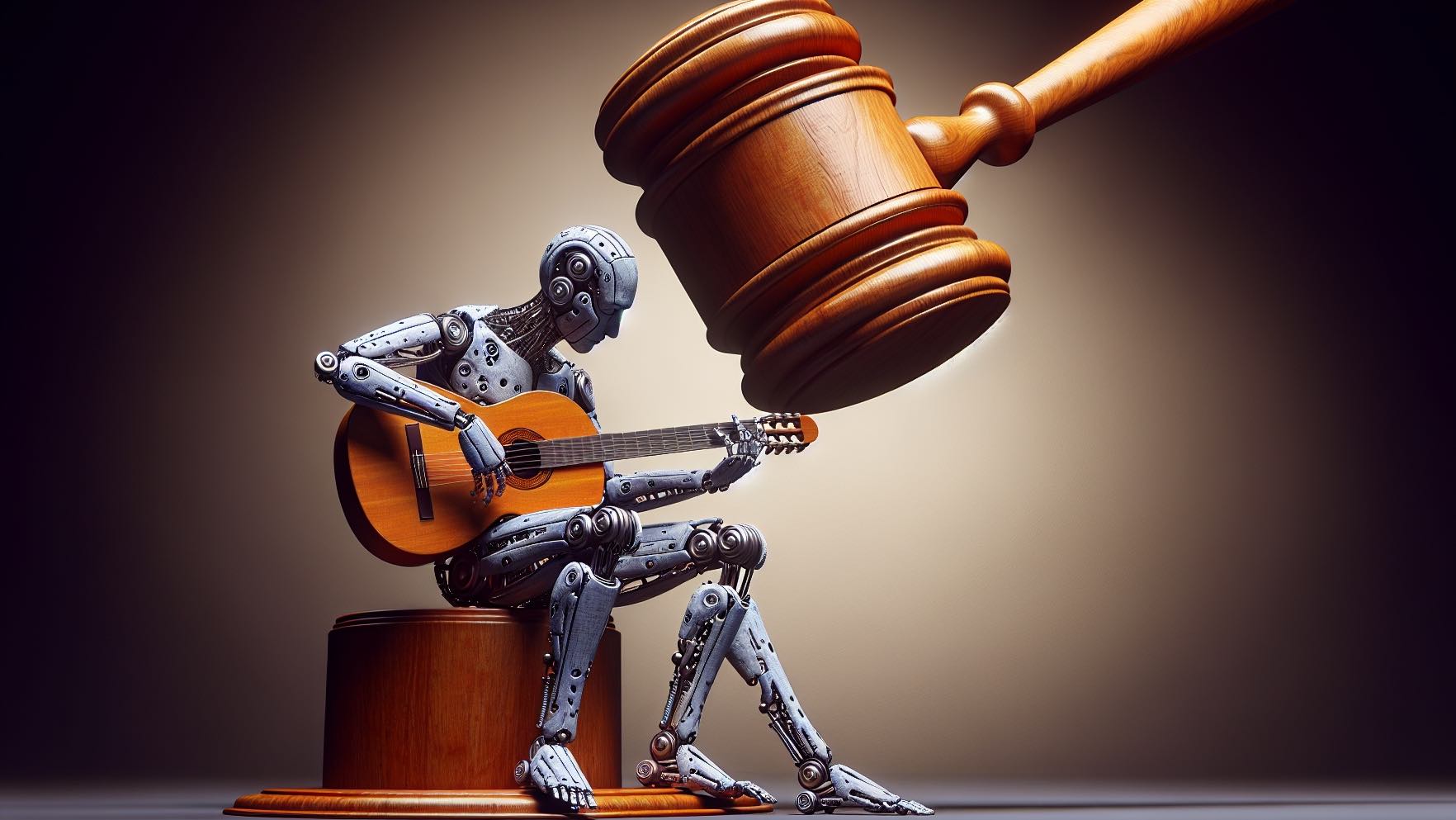
The lawsuit against the music tech company involves several key stakeholders, each with distinct interests and perspectives. At the center of the case is the defendant, a prominent music technology firm that has developed AI tools for composition, production, and distribution. The company, which has not been named publicly, is accused of using its AI systems to generate music that closely resembles the work of human artists, thereby infringing on their intellectual property rights.
On the plaintiff side, the lawsuit is brought by a coalition of human creators, including composers, producers, and performers, who claim that the defendant’s AI-generated compositions are derivative works that lack originality. The plaintiffs argue that the AI system’s training data, which includes millions of human-created songs, has enabled the machine to replicate the creative output of these artists without proper compensation or acknowledgment.
The case has also attracted the attention of legal experts and industry watchdogs, who are closely monitoring the proceedings as a potential precedent for future AI-related disputes. Among the most vocal critics of the defendant’s practices is the Institute for Information Law (IViR), which has published analyses on the legal challenges posed by AI-generated music. The institute’s researchers, including Oleksandr Bulayenko and João Pedro Quintais, have highlighted the inadequacy of current copyright laws in addressing the unique nature of AI-generated works [3].
Additionally, the case has drawn support from organizations representing the rights of human creators, such as the American Society of Composers, Authors, and Publishers (ASCAP) and the British Phonographic Industry (BPI). These groups have expressed concerns that the widespread use of AI in music production could undermine the economic and creative rights of human artists.
The legal battle has also sparked debates among policymakers and lawmakers, who are grappling with how to regulate AI-generated content while balancing innovation with the protection of intellectual property. As the case unfolds, it will serve as a test case for the legal system’s ability to adapt to the rapidly evolving landscape of artificial intelligence.
The Evidence and Legal Arguments
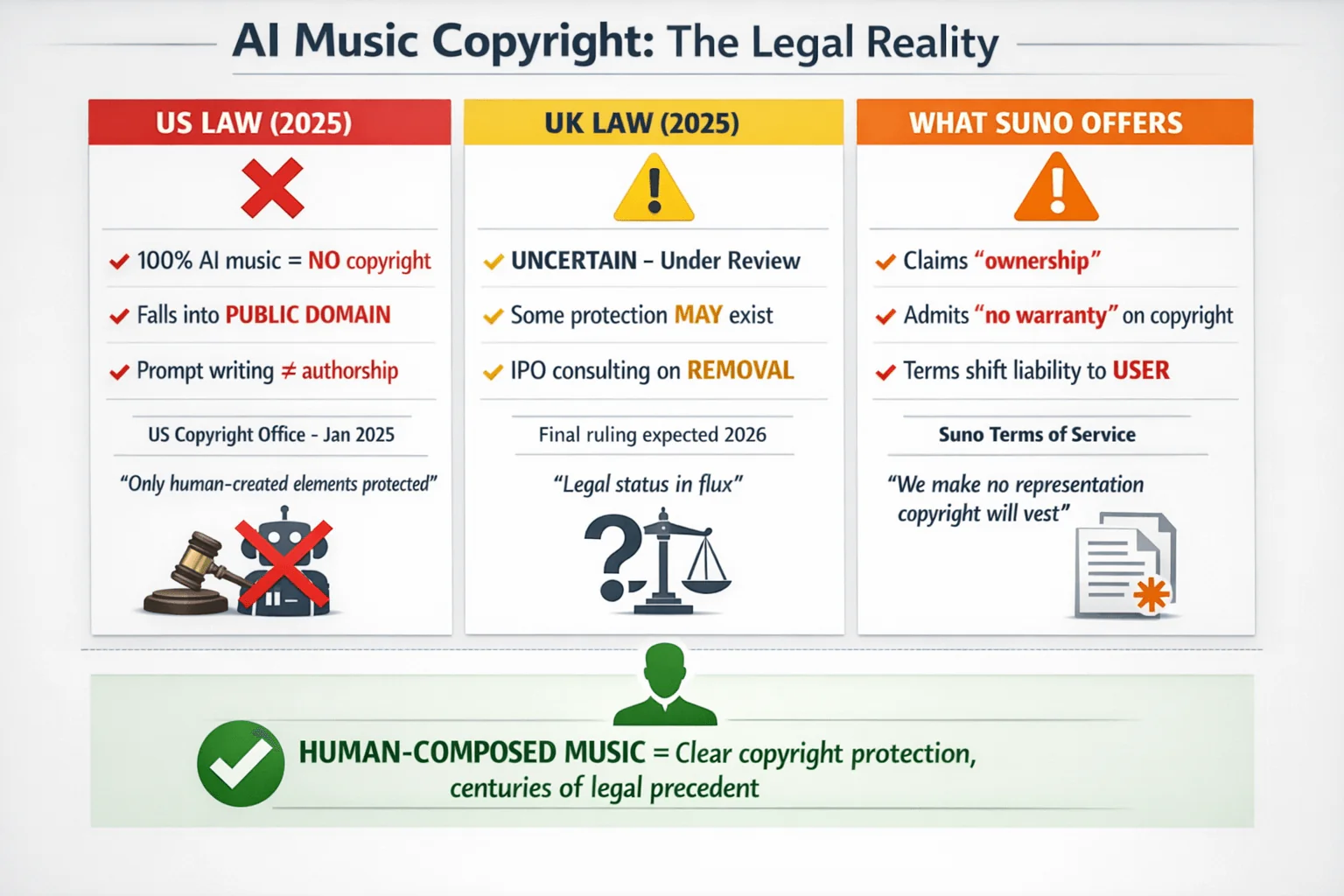
The plaintiffs in the lawsuit have presented a range of evidence to support their claim that the defendant’s AI-generated music infringes on the intellectual property rights of human creators. Central to their argument is the assertion that the AI system’s training data, which includes a vast library of human-created music, has enabled the machine to produce compositions that are indistinguishable from those of human artists.
One of the key pieces of evidence is the defendant’s AI system’s ability to generate music that closely mimics the stylistic and structural elements of human-created works. For example, the AI has been shown to replicate the chord progressions, melodic patterns, and rhythmic structures of popular songs, raising concerns about the originality of its output. The plaintiffs argue that this level of replication constitutes a violation of copyright, as it effectively reproduces the creative efforts of human artists without proper attribution or compensation.
The legal team for the plaintiffs has also highlighted the lack of transparency in the defendant’s AI system. They argue that the company has not disclosed how its AI models are trained or how the data is used to generate new compositions. This opacity, they claim, makes it difficult to determine whether the AI is merely drawing on existing works or creating entirely new content.
In contrast, the defendant has defended its practices by emphasizing the role of AI as a tool for creative assistance rather than a replacement for human artists. The company’s legal team has argued that AI-generated music is a form of derivative work that should not be subject to the same copyright protections as human-created works. They have also pointed to the fact that AI-generated music is often used in commercial contexts, such as background music for videos or advertisements, where the intent is not to replicate human creativity but to provide a new form of artistic expression.
The case has also raised questions about the definition of originality in copyright law. The plaintiffs argue that AI-generated music lacks the human element that is essential to the creative process, and therefore, it should not be granted the same legal protections as human-created works. The defendant, however, has countered that AI-generated music can be considered original if it is the result of a unique process, even if that process is not carried out by a human.
The evidence presented in the case has sparked a broader debate about the role of AI in the creative process and the need for updated legal frameworks to address the challenges posed by AI-generated content. As the case progresses, it will be crucial to determine how the legal system will balance the rights of human creators with the potential of AI to revolutionize the music industry.
Expert Reactions and Legal Precedents

The legal battle over AI-generated music has drawn widespread attention from legal scholars, industry experts, and policymakers, who are closely monitoring the case as a potential landmark decision. Legal analysts have pointed out that the case is part of a growing trend of litigation involving AI and intellectual property, with similar disputes emerging in other creative fields such as literature, film, and visual arts.
One of the most prominent legal scholars commenting on the case is Professor Oleksandr Bulayenko of the Institute for Information Law (IViR), who has written extensively on the intersection of AI and copyright law. Bulayenko argues that the current legal framework is ill-equipped to address the unique challenges posed by AI-generated works. He notes that traditional copyright law is designed to protect the rights of human creators, and the emergence of AI as a creative force has created a legal gray zone that needs to be clarified.
"AI-generated music is a product of a process that is fundamentally different from human creativity," Bulayenko explains. "While human artists bring intention, emotion, and originality to their work, AI systems generate output based on patterns in data. This distinction is crucial in determining whether AI-generated works should be granted the same legal protections as human-created works."
Legal experts have also pointed to the importance of the case in shaping the future of copyright law. The outcome of this lawsuit could set a precedent for how AI-generated content is treated in other jurisdictions, influencing the development of legal frameworks that balance innovation with the protection of intellectual property.
In addition to legal scholars, industry leaders have expressed their views on the implications of the case. The American Society of Composers, Authors, and Publishers (ASCAP) has called for greater regulation of AI-generated music, emphasizing the need to protect the rights of human creators in an era where machines are increasingly capable of producing original works. Similarly, the British Phonographic Industry (BPI) has warned that the widespread use of AI in music production could undermine the economic and creative rights of artists.
The case has also sparked discussions among policymakers about the need for updated legislation to address the challenges posed by AI in the creative industries. As the legal battle unfolds, it will be crucial to determine how the law can adapt to the rapidly evolving landscape of artificial intelligence while ensuring that the rights of human creators are protected.
Broader Implications for the Music Industry
The legal battle over AI-generated music has far-reaching implications for the music industry, extending beyond the courtroom and into the realms of creativity, economics, and technological innovation. At its core, the case raises fundamental questions about the nature of authorship and the role of human creativity in an age where machines are increasingly capable of producing original works.
One of the most immediate concerns is the potential impact on human creators. If AI-generated music is deemed to infringe on the intellectual property rights of human artists, it could lead to significant financial and reputational consequences for the music industry. Artists may find themselves unable to monetize their work if AI-generated content is used in commercial contexts without proper attribution or compensation. This could undermine the economic viability of the music industry and discourage creators from investing in their craft.
The case also highlights the need for a more nuanced understanding of originality in copyright law. Traditional copyright protections are based on the premise that creativity is a human endeavor, but the rise of AI challenges this assumption. Legal scholars and industry leaders are calling for updated legal frameworks that can accommodate the unique nature of AI-generated works while still protecting the rights of human creators.
In addition to legal and economic concerns, the case has sparked a broader philosophical debate about the role of technology in the creative process. While some argue that AI is a tool that enhances human creativity, others warn that its widespread use could devalue the contributions of human artists. The outcome of this case could shape the future of the music industry by determining how AI is integrated into the creative process and how its role is defined within the legal and cultural landscape.
As the legal battle unfolds, it will be crucial to consider the broader implications for the music industry and the creative community. The case serves as a test of the legal system’s ability to adapt to the rapidly evolving landscape of artificial intelligence, and its resolution could have lasting effects on the future of music creation and intellectual property rights.
Key Takeaways
- The legal battle over AI-generated music is a pivotal moment in the evolution of copyright law, challenging the boundaries of authorship and creativity.
- The case involves a coalition of human creators and legal experts who argue that AI-generated music infringes on the intellectual property rights of human artists.
- The defendant’s AI system is accused of replicating the creative output of human artists without proper attribution or compensation, raising questions about originality and authorship.
- Legal scholars and industry leaders are closely monitoring the case as a potential precedent for future AI-related disputes, highlighting the need for updated legal frameworks.
- The outcome of the case could have significant implications for the music industry, including the economic viability of human creators and the role of AI in the creative process.
- The resolution of this case may shape the future of copyright law and determine how AI-generated content is treated within the legal and cultural landscape.