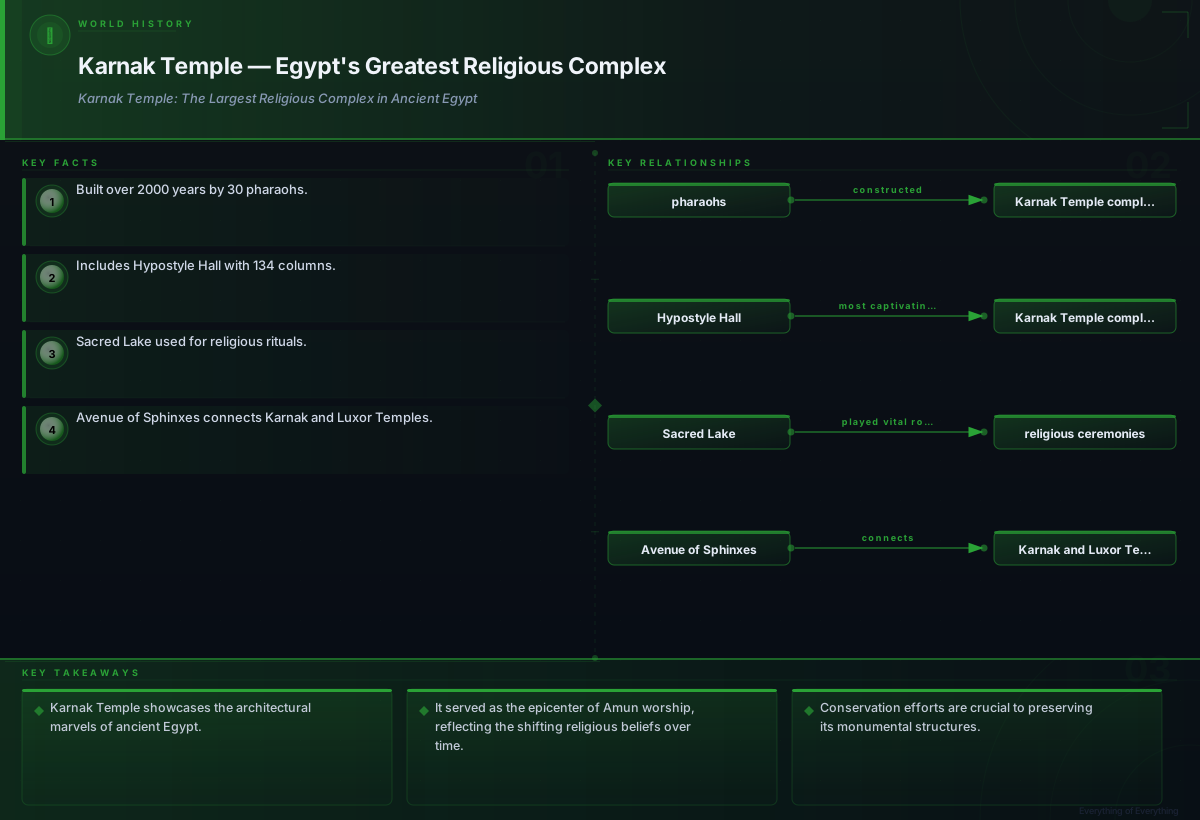
The Karnak Temple complex, located in Luxor, Egypt, is one of the most significant religious sites of ancient Egypt. Spanning an impressive 2000 years of construction from around 2055 BC to 395 AD, it stands as a testament to the architectural prowess and spiritual dedication of its creators. This sprawling temple complex, built by some thirty pharaohs over several dynasties, includes the grand Hypostyle Hall with its massive columns, the serene Sacred Lake, and the Avenue of Sphinxes. It served as the epicenter of the cult of Amun, one of Egypt's most important deities.
A Journey Through Time: The Construction of Karnak
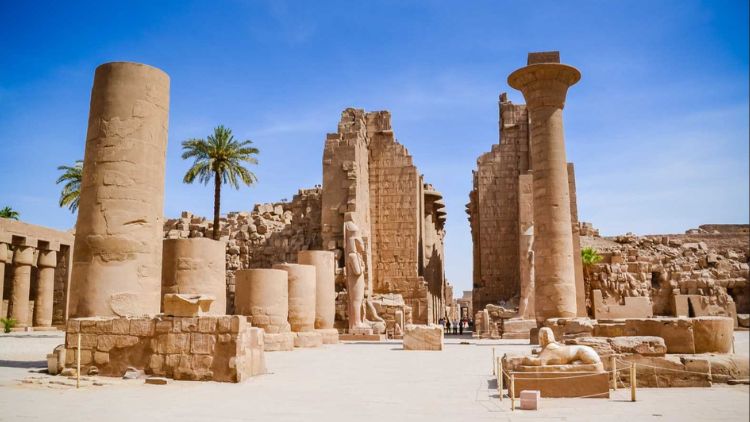
The construction of Karnak began during the reign of Senusret I around 1971 BC and continued for nearly two millennia, with each successive pharaoh adding to its grandeur rather than erasing what came before. This layered architectural record offers a unique insight into the shifting power dynamics and religious beliefs over time. Karnak's Hypostyle Hall alone boasts an astounding 134 columns, showcasing the engineering marvels of ancient Egypt.
The Architectural Marvel: The Hypostyle Hall
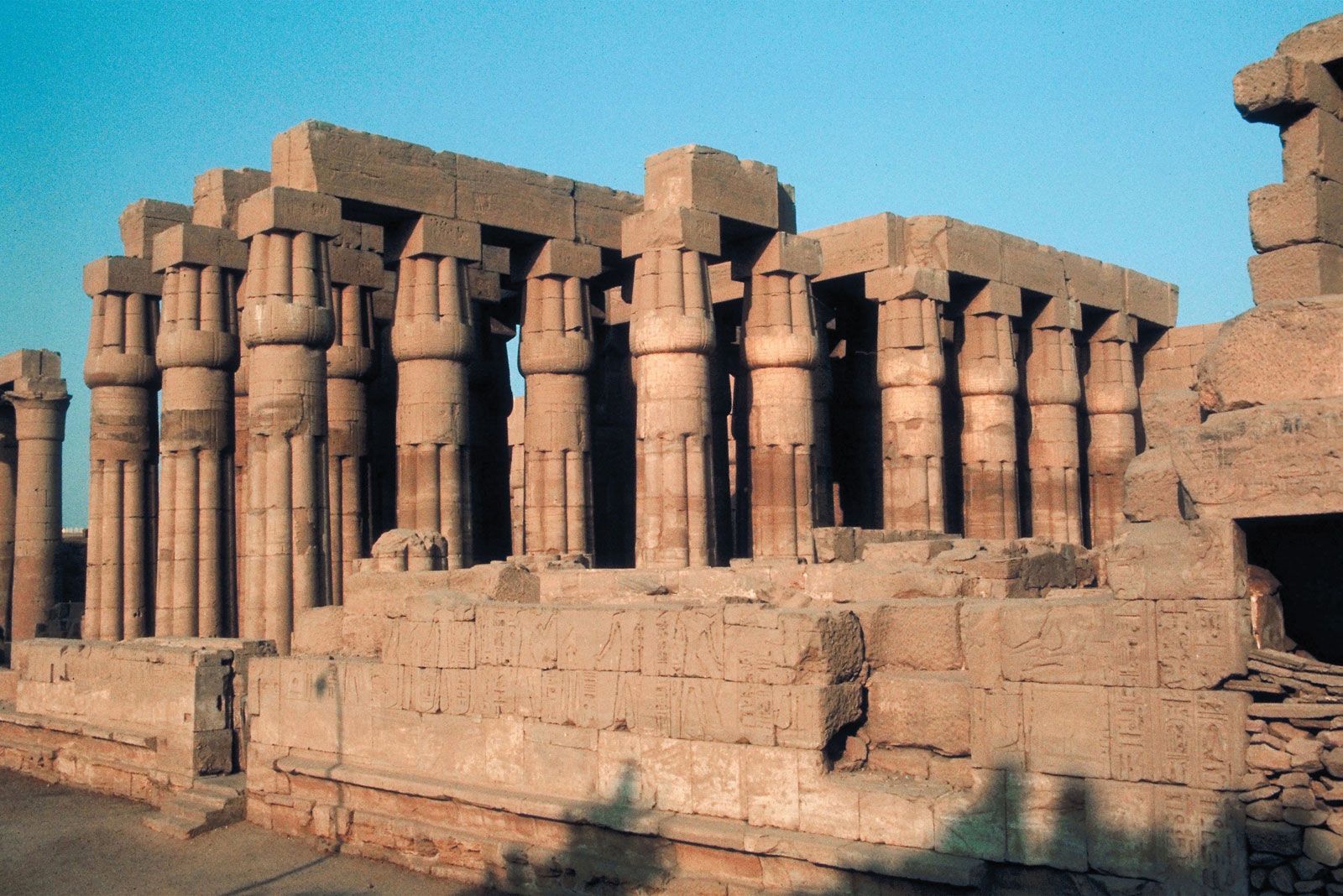
The Hypostyle Hall is arguably the most captivating part of the Karnak complex, featuring an enormous forest of 134 columns. These colossal pillars, some standing over 61 feet tall and weighing as much as 300 tons, were meticulously crafted from sandstone. The construction process involved not only quarrying stones but also transporting them across long distances and assembling them with incredible precision.
Sacred Lake and Avenue of Sphinxes
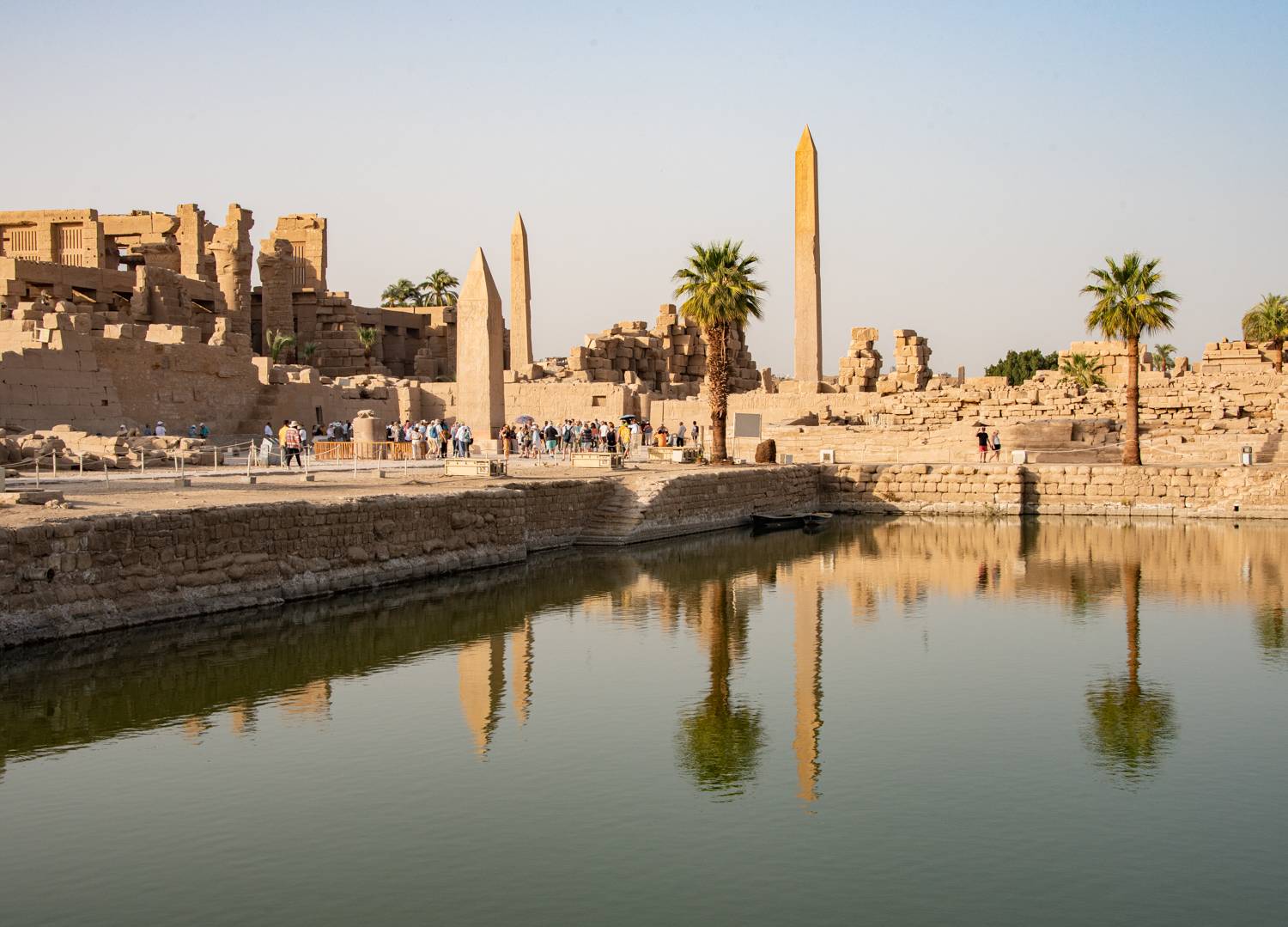
Beyond the impressive temple structures, Karnak is home to a serene Sacred Lake that played a vital role in the religious ceremonies held here. This sacred body of water was believed to possess purifying properties and served as a source of life-giving water for rituals. Additionally, the Avenue of Sphinxes connected the Karnak Temple with Luxor Temple through a procession path lined with over 1,300 sphinx statues, symbolizing protection and guardianship.
The Center of Amun Worship
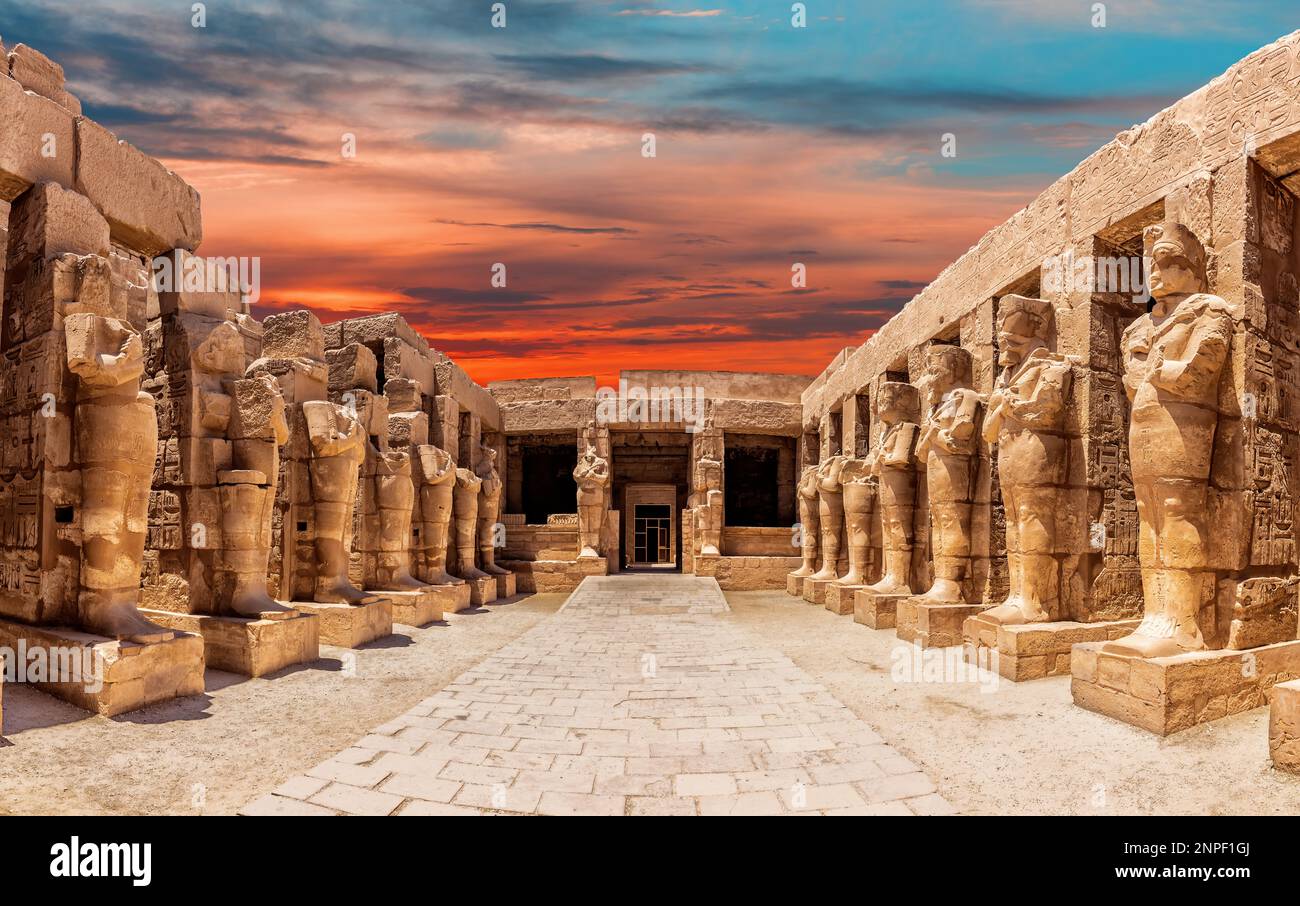
Karnak was not only an architectural masterpiece but also a spiritual center dedicated to Amun, the king of gods in ancient Egyptian mythology. As the cult of Amun grew in prominence, Karnak transformed into the principal place of worship, with successive pharaohs continually expanding and adorning it with elaborate sculptures and inscriptions to honor their deified ruler.
Recent Discoveries: Unveiling Ancient Secrets
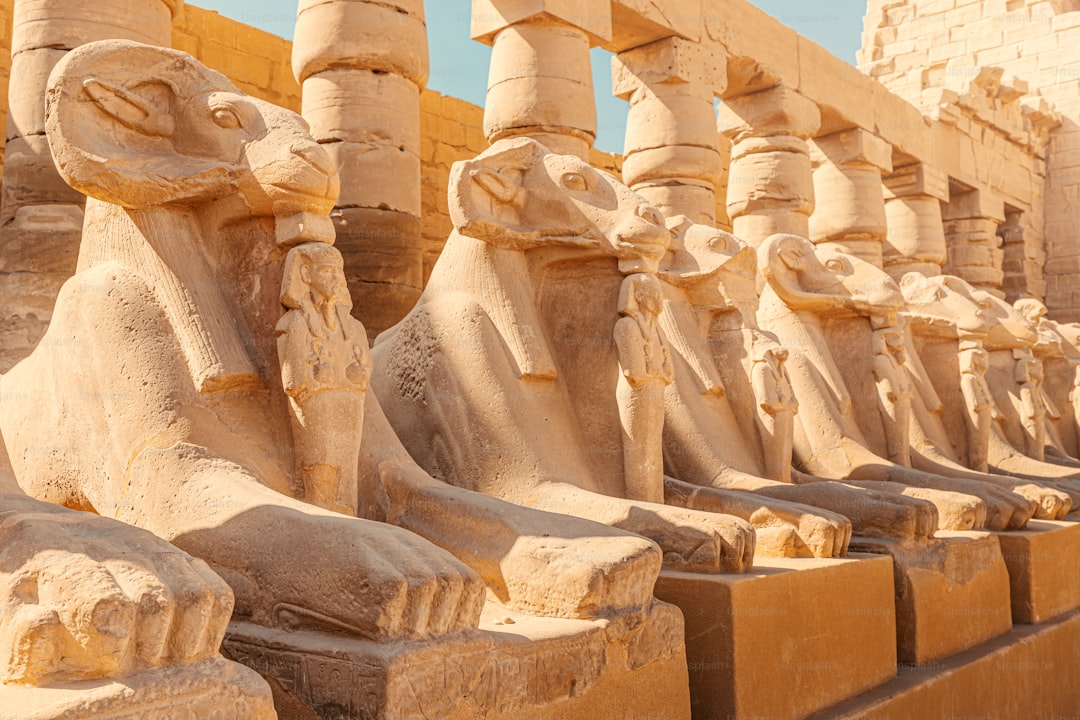
In recent years, researchers have been unearthing new discoveries at Karnak. In 2018, archaeologists uncovered a hidden chamber believed to be the tomb of an important official from the New Kingdom period [1]. Such findings shed more light on the daily life and governance structures of ancient Egypt, reinforcing the significance of Karnak as a window into the past.
Challenges & Preservation Efforts
Despite its grandeur, the passage of time has taken its toll. Environmental factors like pollution and erosion threaten the longevity of these monumental structures. Conservation efforts have been ongoing to preserve the intricate carvings and colossal columns from further degradation [2].
Key Figures & Contributions
Several key figures contributed significantly to the construction and preservation of Karnak Temple:
- Senusret I: Initiated the grand temple constructions at Karnak.
- Hatshepsut, Seti I, Ramesses II: Notable pharaohs who expanded the complex with new additions.
- Modern archaeologists and conservationists: Those working to preserve and protect this invaluable piece of history.
Current State & Recent Developments
Today, Karnak stands as a UNESCO World Heritage site, attracting millions of visitors each year. Its significance extends beyond Egypt's borders; it is considered one of the Seven Wonders of the Ancient World due to its vast size and historical importance [3]. In recent years, advancements in archaeological technology have allowed for more detailed mapping and exploration of the complex, potentially uncovering more secrets about this ancient wonder.
Key Takeaways
- Karnak Temple is a monumental religious complex that spans over 2000 years of construction.
- Its Hypostyle Hall features 134 colossal columns as a testament to ancient Egyptian engineering prowess.
- The temple served as the center for the worship of Amun, reflecting the shifting power dynamics and religious beliefs across dynasties.
- Recent discoveries continue to enhance our understanding of this historical site, while preservation efforts aim to protect it for future generations.
[1] "Archaeologists Discover Hidden Chamber at Karnak Temple," Egypt Independent, March 13, 2018. [Accessed July 12, 2026]
[2] "Conservation Efforts Preserve Ancient Wonders: Karnak Temple," UNESCO World Heritage Centre, 2025 Annual Report.
[3] "Karnak Temple," UNESCO World Heritage List, n.d., [Accessed July 12, 2026].
Data Overview