JD Vance: Economic Pressure 'Most Effective Tool' Against Iran as Hormuz Standoff Deepens
August 21, 2026 | The Everything of Everything | Government & Politics
Vance Steps Forward as the Face of Economic Warfare
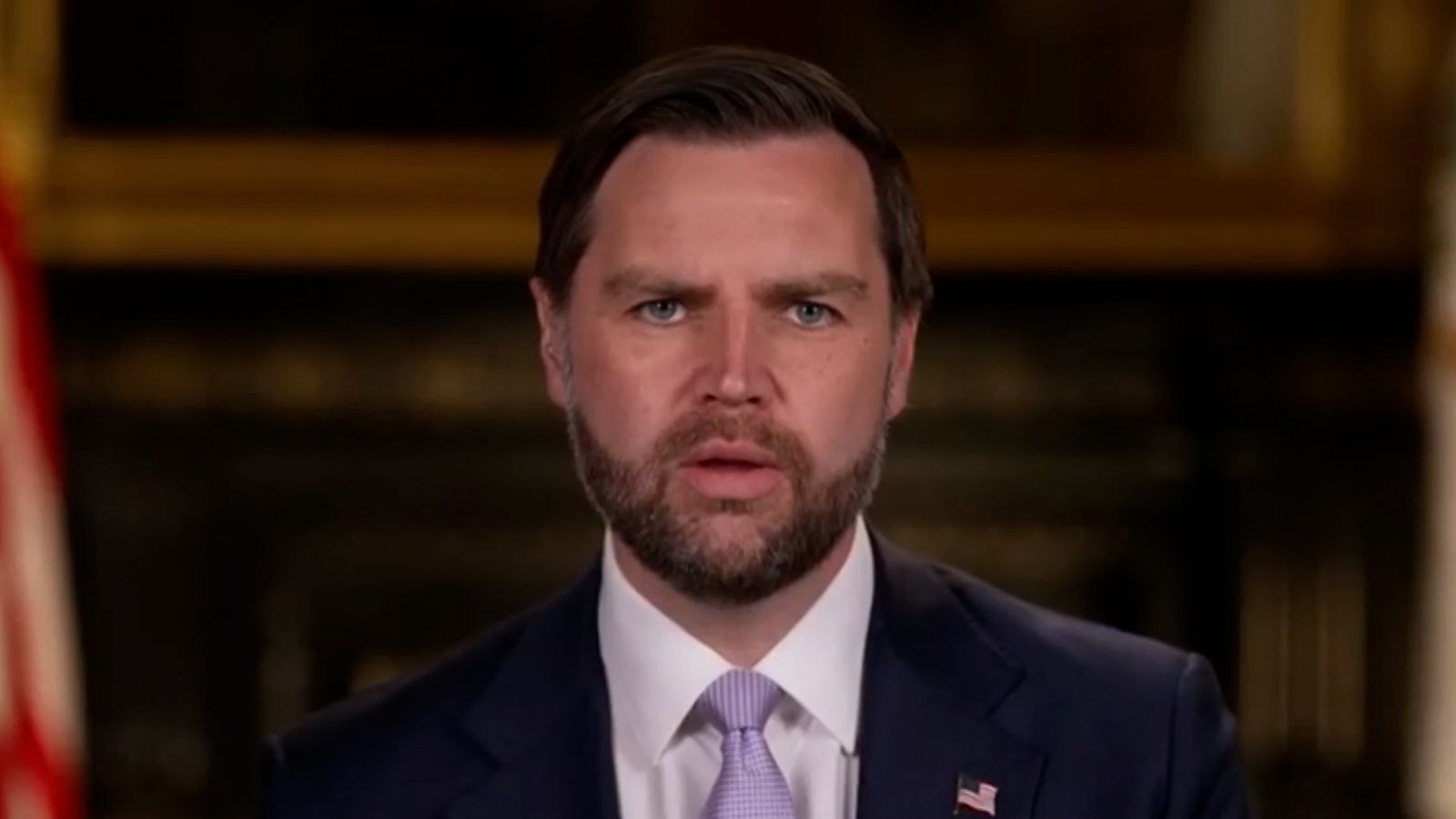
With diplomatic deadlines expired and the Strait of Hormuz still a war zone, Vice President JD Vance is making the case that Washington's sharpest weapon against Tehran is not a missile — it's a sanctions ledger. Speaking publicly on August 21, Vance called economic pressure the United States' "most effective tool" against Iran, while conceding it is a "delicate dance" — one where a misstep could rebound onto American consumers and allies.
Vance's framing is pointed: "We apply economic pressure to them, they're going to try to apply economic pressure to us." His argument, however, is that the ledger currently favors Washington. "What has been true over the last couple of weeks is they have felt a lot more pressure than we have," he said — a claim underpinned by Iran's deteriorating grip on the strait and its battered oil revenues. The Vice President insists the endgame is preventing Iran from rebuilding nuclear capacity, and that squeezing Tehran's finances will do more to force that reckoning than military escalation alone.
Vance has been the administration's most visible Iran hand since leading the U.S. delegation to Switzerland earlier this year, where he brokered what Axios reported as his most consequential moments as Vice President. That diplomatic credibility now backs his economic-pressure argument — he is not just a hawk calling for more sanctions, but the official who sat across the table from Iranian counterparts and walked away believing financial pain, not negotiated goodwill, is the lever that moves Tehran.
The Hormuz Chokehold and the Energy Stakes
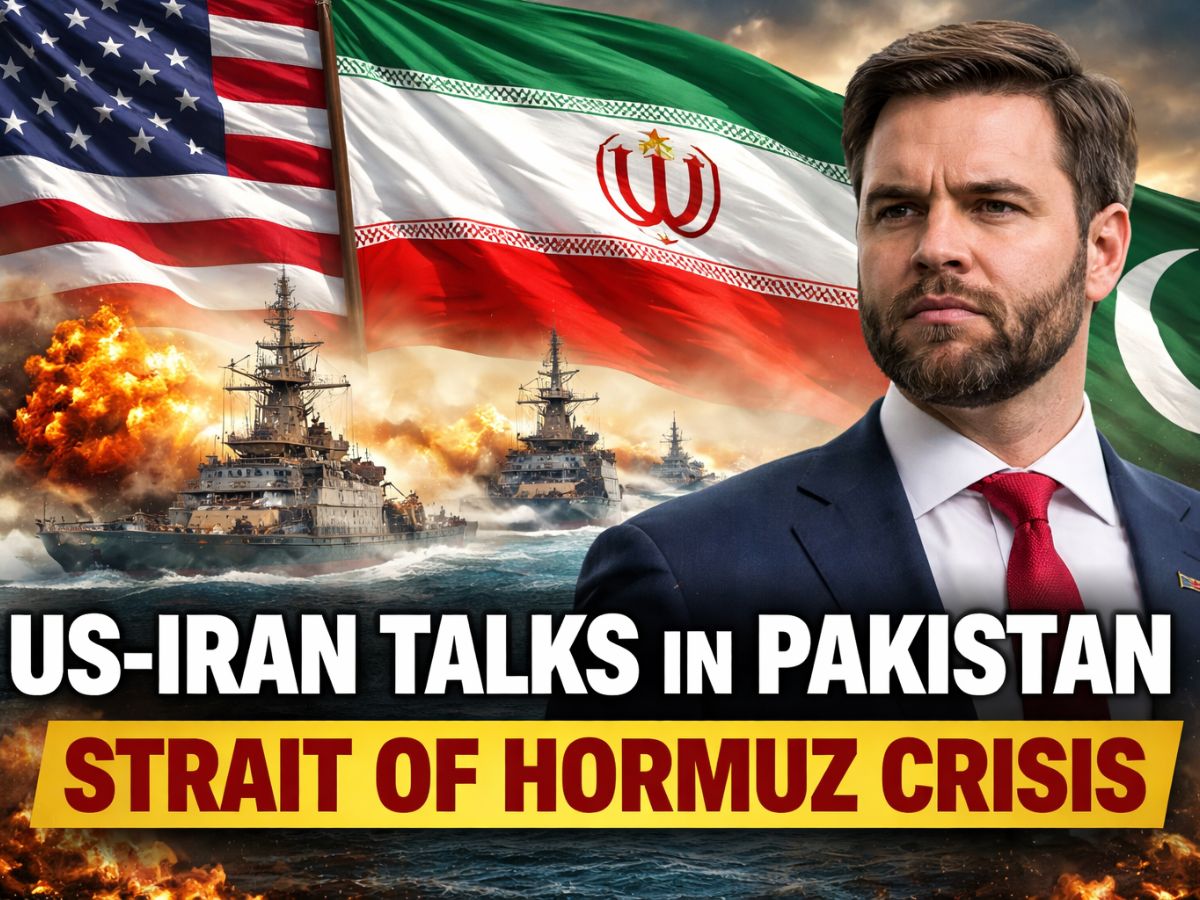
The backdrop to Vance's statements is a crisis that has already rewritten the global energy map. Iran closed the Strait of Hormuz to foreign shipping when U.S. and Israeli strikes — launched on February 28, 2026 — killed Supreme Leader Ali Khamenei and hit Iranian military infrastructure. The strait, which once handled roughly one-fifth of the world's oil supply, has effectively collapsed as a commercial shipping lane, triggering what the International Energy Agency has called the largest energy disruption in recorded history.
As of mid-August, vessel crossings remain a fraction of the 130-plus daily transits recorded before the war, with sporadic Iranian drone attacks still deterring commercial operators. Global oil stockpiles are draining fast. Vance acknowledged rising oil prices but said the administration has been moving "large quantities of oil and gas" through the strait under U.S. Navy escort — a claim framed to demonstrate Washington is winning the logistical battle even as CNN Business reported that Iran may still hold leverage over the waterway's long-term security.
The August 17 deadline for a U.S.-Iran deal expired without agreement, leaving both sides deadlocked over Hormuz management and Iranian frozen funds. That failure makes Vance's economic-pressure pivot all the more significant: with diplomacy stalled, sanctions become the administration's primary instrument of coercion.
Hezbollah Sanctions Tighten the Noose on Tehran's Proxy Network
On August 20, the Trump administration paired Vance's rhetoric with action. The U.S. Treasury sanctioned 10 individuals linked to a Hezbollah cash network and formally redesignated Hezbollah as an Iranian proxy — specifically tying it to Iran's Islamic Revolutionary Guard Corps-Qods Force. The designation shift is legally and strategically significant: it reframes Hezbollah not as an independent actor but as a direct instrument of the Iranian state, broadening the legal basis for targeting Tehran through its militant partners.
The sanctioned network, according to the Treasury, used couriers on commercial flights between Lebanon, Turkey, the UAE, and Iran to move hundreds of millions of dollars outside the formal financial system — giving Hezbollah hard currency and sanctions evasion in one operation. Cutting that artery is part of the same economic-war logic Vance is articulating publicly: deny Tehran and its proxies the financial oxygen they need to sustain both the military campaign and the nuclear program underneath it.
Key Takeaways
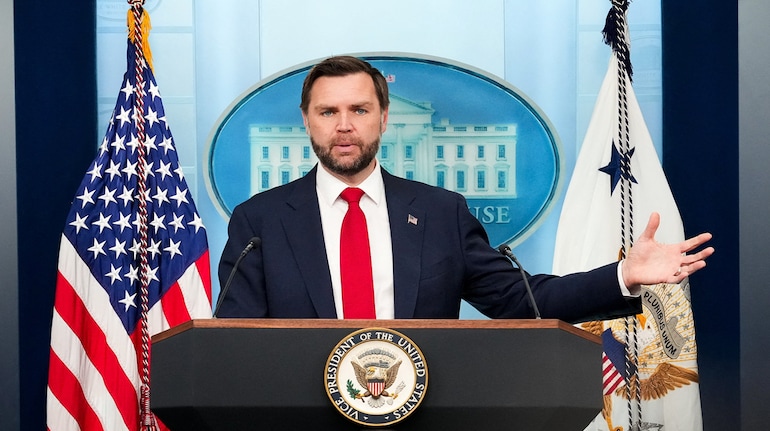
- Vance has positioned economic pressure — not military escalation — as the Trump administration's primary strategy against Iran, arguing that Tehran is currently absorbing more financial pain than Washington.
- The Strait of Hormuz crisis remains unresolved after diplomatic deadlines collapsed on August 17, making sanctions the de facto lead instrument as global energy stockpiles deplete.
- The August 20 Hezbollah redesignation and sanctions package directly links Iran's proxy network to the IRGC, expanding the legal and financial pressure campaign beyond Iran's own borders.
- The stakes are high for both sides: Vance's "delicate dance" metaphor signals that the administration knows over-tightening could spike oil prices and strain allies, making calibration — not maximalism — the defining challenge of the coming weeks.
Sources:
- JD Vance: Economic pressure most effective tool against Iran — CNBC
- Economic Pressure a Delicate Dance Against Iran — ANI News
- US imposes new Hezbollah sanctions — CNN
- Iran has lost significant control of the Strait of Hormuz — CNN Business
- Trump is squeezing Iran's economy — CNN Business
- Strait of Hormuz traffic remains low — CNN
- Deadline to reach US-Iran deal expires — CNN
- US sanctions 10 individuals in Hezbollah cash network — Tribune India
- US Treasury issues Hezbollah sanctions — Al-Monitor
- JD Vance's biggest moments as VP — Axios