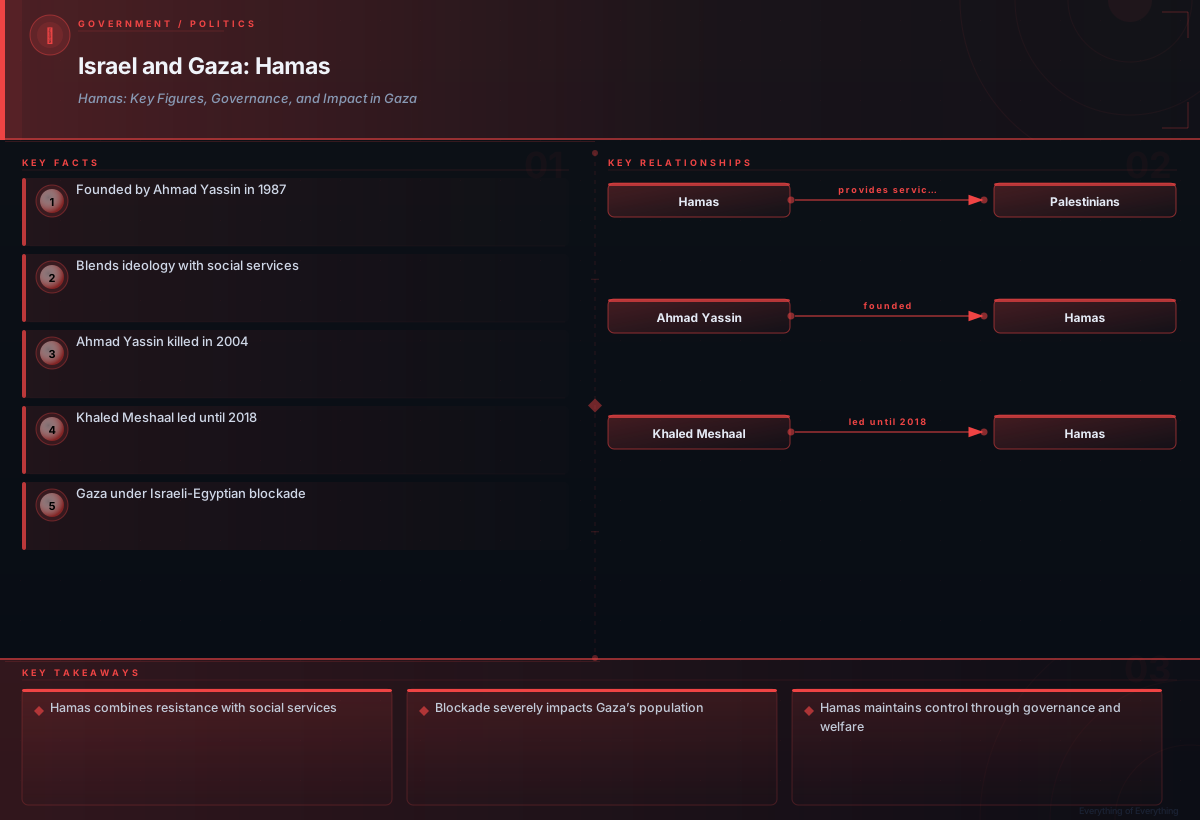
The conflict between Israel and Hamas in Gaza is a complex and multifaceted issue that has been central to Middle Eastern politics for decades. The current situation is shaped by deep historical roots, ongoing political struggles, and dynamic changes that have occurred since the 2000s. Understanding this context is crucial not only for policymakers but also for anyone seeking to comprehend the intricacies of contemporary geopolitics.
The Emergence and Evolution of Hamas
Hamas (Harakat al-Muqawamah al-Islamiyah) is a Palestinian Sunni-Islamic organization that has played a pivotal role in both the political landscape and daily lives of Palestinians, particularly those living in Gaza. Founded by Ahmad Yassin and other clerics in 1987 during the first intifada against Israeli occupation, Hamas quickly became one of the most influential forces within the Palestinian national movement [12] [15]. The organization's ideology centers on Islamic fundamentalism and resistance to Israeli policies, blending elements of social services with a commitment to armed struggle. Over time, Hamas has evolved from being primarily an underground group into a dominant political force in Gaza through its provision of essential public services and security apparatus.
Key Figures: Ahmad Yassin and Khaled Meshaal
Ahmad Yassin was the spiritual leader of Hamas and played a crucial role in shaping the organization's ideology and strategic direction. He founded the group shortly after the First Intifada, emphasizing religious teachings and resistance against Israeli occupation [11] [13]. Despite his influential position, Yassin faced numerous assassination attempts by Israel; he was ultimately killed in a 2004 Israeli airstrike [9].
Khaled Meshaal is another key figure who has significantly influenced Hamas. He served as the leader of the organization's political bureau until 2018 when Ezzeddine Kassar succeeded him. Meshaal played a critical role in mediating between Hamas and other Palestinian factions, often representing Hamas at international forums [7].
The Gaza Strip: A Battleground and Haven
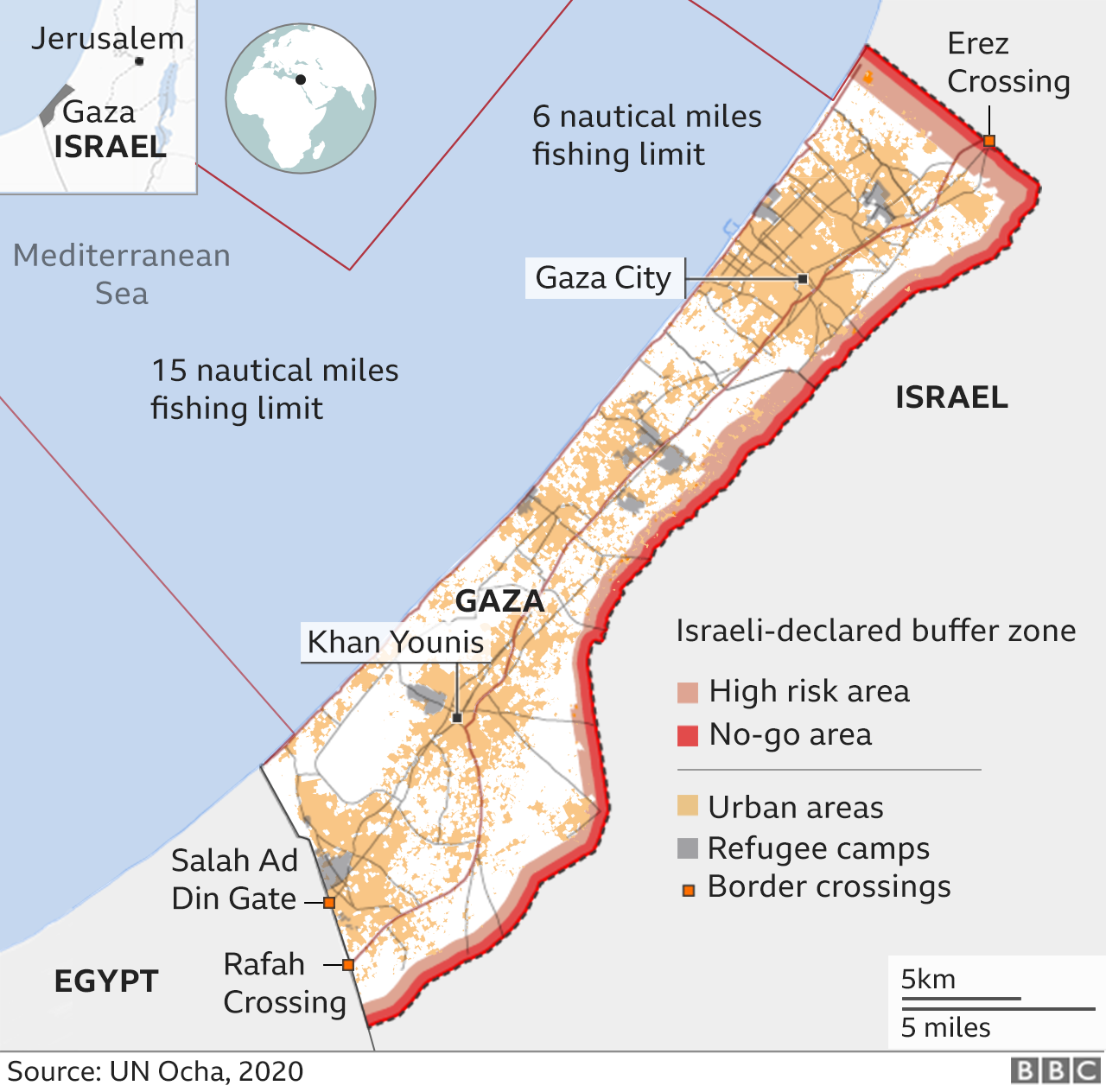
The Gaza Strip has been a battleground for decades, with its political geography making it a focal point of contention. Since the 2006 election victory by Hamas, Israel and Egypt have imposed a blockade on the region to curb the group's influence and prevent weapons smuggling [14]. This blockade has had severe humanitarian consequences, leading to economic stagnation and restricted access to basic necessities for Gaza’s population.
Recent Developments: The Dissolution of the Gazan Government
In July 2026, Hamas announced the dissolution of its de facto government in Gaza, indicating a shift in governance structures. According to sources, this move was part of broader efforts to hand over power to a group of Palestinian technocrats [3]. This decision reflects ongoing internal dynamics within Hamas and the organization's strategic calculus amid regional tensions.
How It Works: The Technical Mechanisms of Hamas
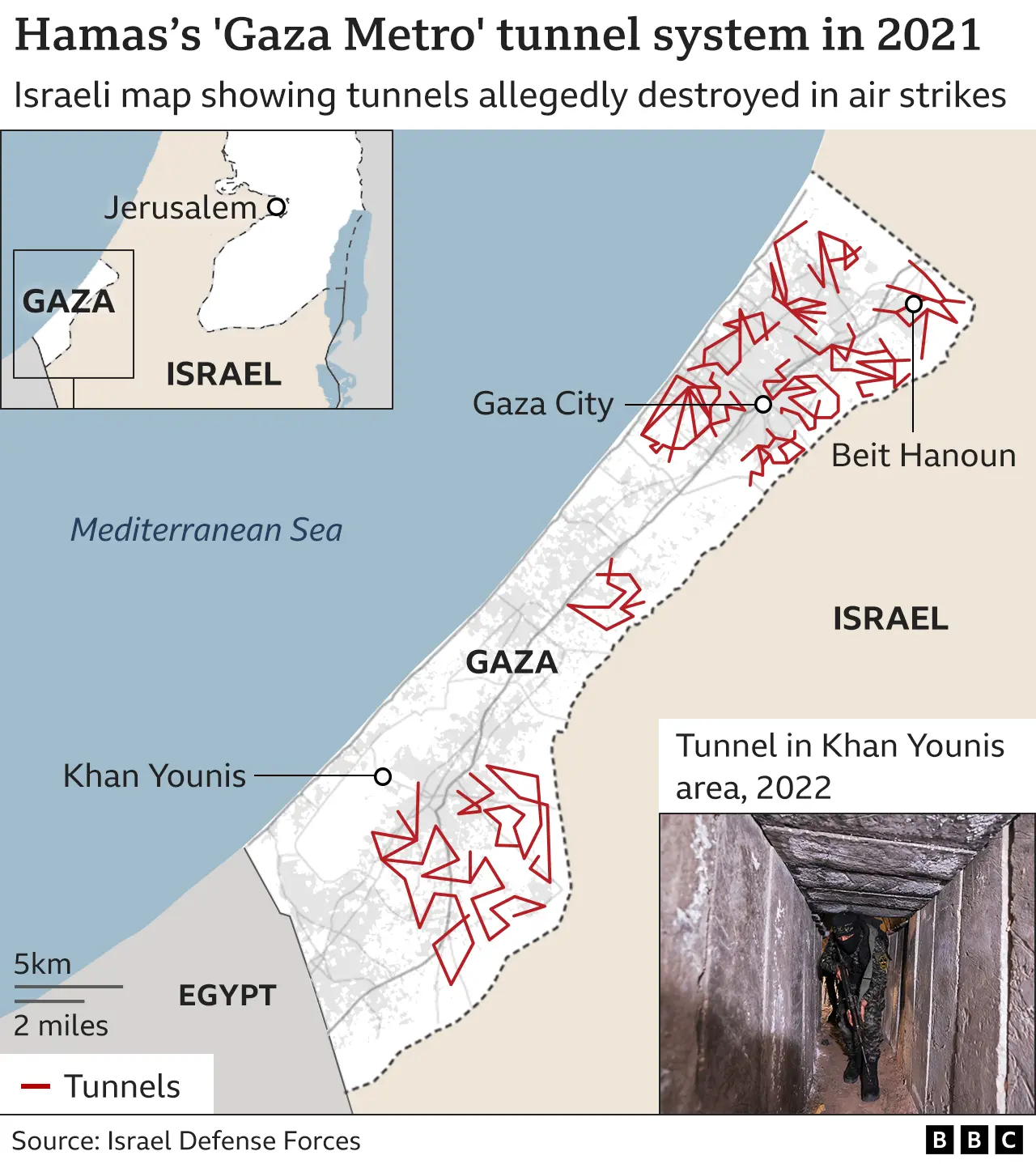
Hamas operates through multiple layers of governance and services provision. At its core, the organization maintains a security apparatus that enforces internal discipline and implements policies. Additionally, it has established various social welfare programs to gain popular support. These mechanisms have allowed Hamas to maintain control over Gaza despite external pressures.
Social Services and Governance
Hamas's provision of public services such as healthcare, education, and infrastructure has been instrumental in its governance of Gaza. According to Azzam Tamimi’s work [13], these services have helped to secure popular loyalty by addressing the needs of the Palestinian population more effectively than the Israeli-backed Fatah-led government. However, the sustainability of these services remains a point of contention as external funding and supplies are often limited.
Current State & Recent Developments
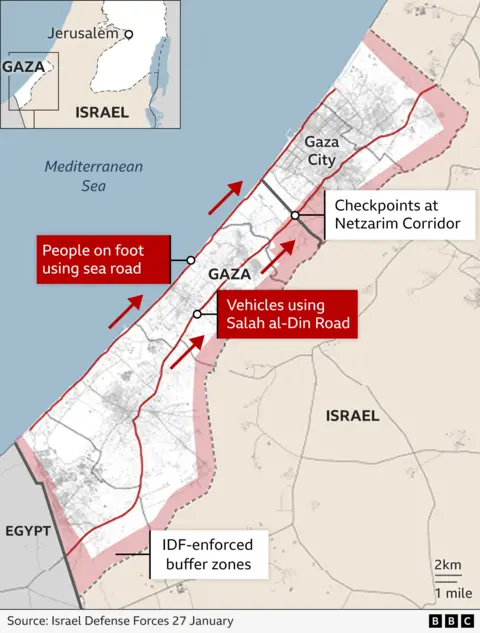
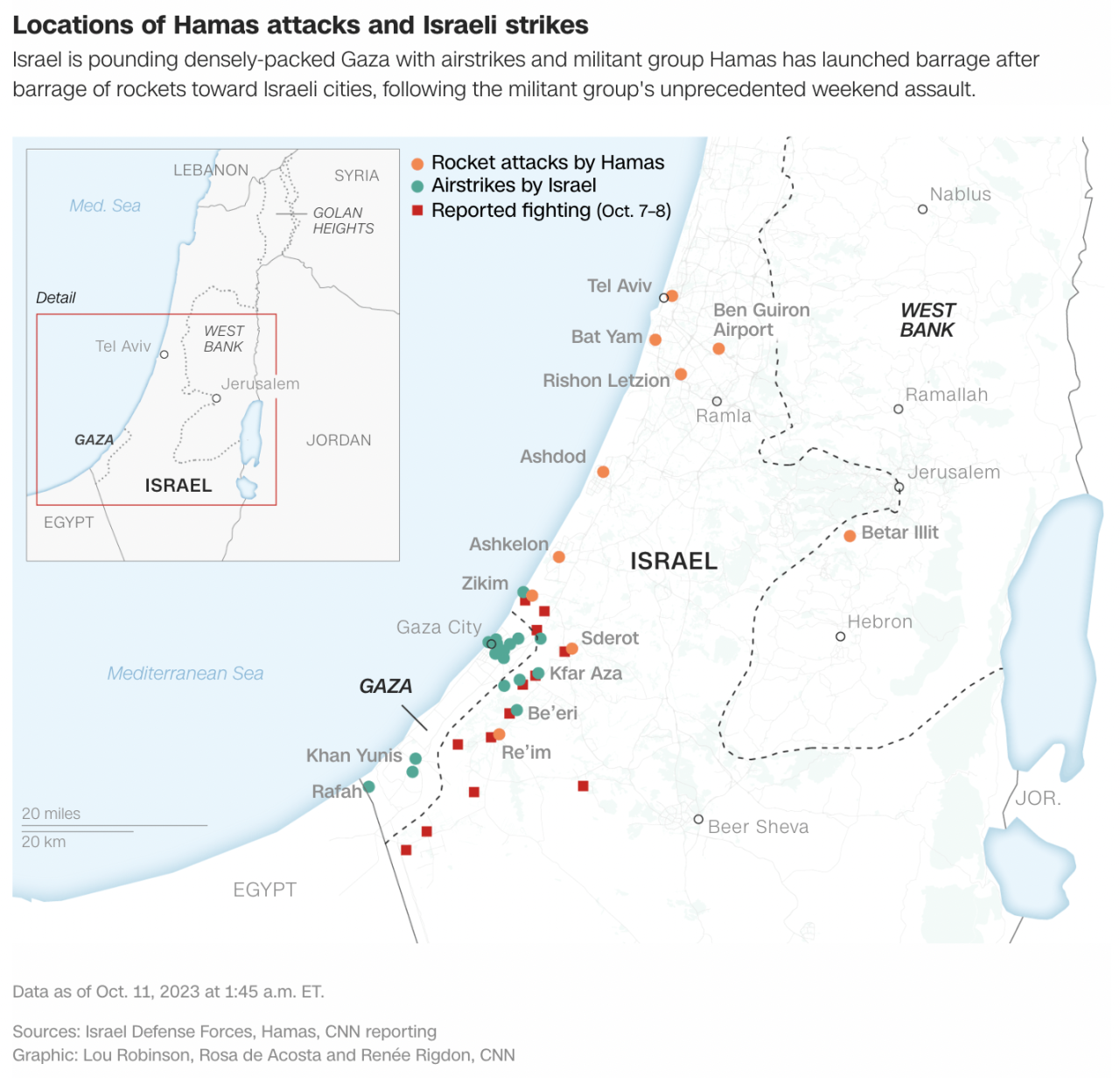
The current state of relations between Israel and Hamas is marked by periodic violence and ongoing negotiations. The 2024 ceasefire agreement, though fragile, has temporarily reduced direct conflict. Nonetheless, underlying tensions persist, with both sides engaging in covert operations and public rhetoric that escalate the situation.
Key Figures & Contributions
- Ahmad Yassin: Spiritual leader of Hamas who founded the organization during the First Intifada.
- Khaled Meshaal: Former political bureau leader of Hamas, representing the group at international forums.
- Ezzeddine Kassar: Current leader of Hamas's political bureau, succeeding Khaled Meshaal.
Key Takeaways
- Historical Context and Foundational Ideology: The emergence of Hamas is deeply rooted in the struggle against Israeli occupation since 1987.
- Key Figures: Ahmad Yassin and Khaled Meshaal have significantly influenced the organization's direction.
- Gaza Strip: A battleground and haven, with the region’s governance and economic conditions shaped by external factors.
- Internal Dynamics: The recent decision to dissolve the Gazan government suggests evolving internal strategies within Hamas.
- Mechanisms of Control: Social services and governance mechanisms are crucial in maintaining control over Gaza.
This comprehensive overview synthesizes historical context, key figures, current state, and future trajectory, providing a thorough understanding of the complex dynamics surrounding Hamas and its role in the Israeli-Gaza conflict.
Data Overview