Iran Warns of 'Devastating' Response as US Vows 'Toughest Sanctions in History'
The Everything of Everything | World History | August 21, 2026
Washington Declares Economic 'D-Day' Against Tehran
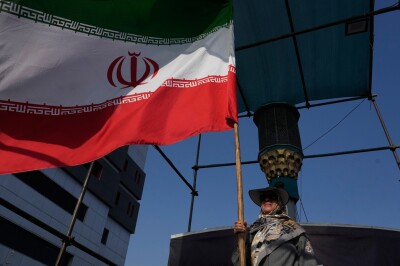
The United States has escalated its pressure campaign against Iran to a level without modern precedent. US Treasury Secretary Scott Bessent announced this week that Washington will impose the "toughest sanctions in history" on Iran, framing the financial siege as a mechanism that could render new military operations unnecessary. Speaking on CNBC, Bessent promised specific details would be released next week, signaling that the most consequential phase of the campaign is still incoming.
President Donald Trump amplified the threat with characteristic bluntness, warning that "ANY country that allows its financial institutions, businesses, airports, or government entities to provide any type of lifeline to Iran will itself face TREMENDOUS Economic Consequences." The statement amounts to a secondary sanctions doctrine targeting Iran's remaining economic lifelines — a direct shot at China, which has quietly absorbed much of Iran's sanctioned oil output for years. Trump's messaging framed the effort as an "Economic Warfare" campaign, a D-Day analogy that is more than rhetorical: the administration is signaling total financial encirclement.
The new measures follow a series of escalating August actions — CNN reports that the US imposed new sanctions on Hezbollah this week as part of the broader pressure architecture — building on prior rounds in June and July that targeted Iran's energy smuggling networks and shipping operations.
Tehran Fires Back: 'Economic Terrorism' and Nuclear Warnings
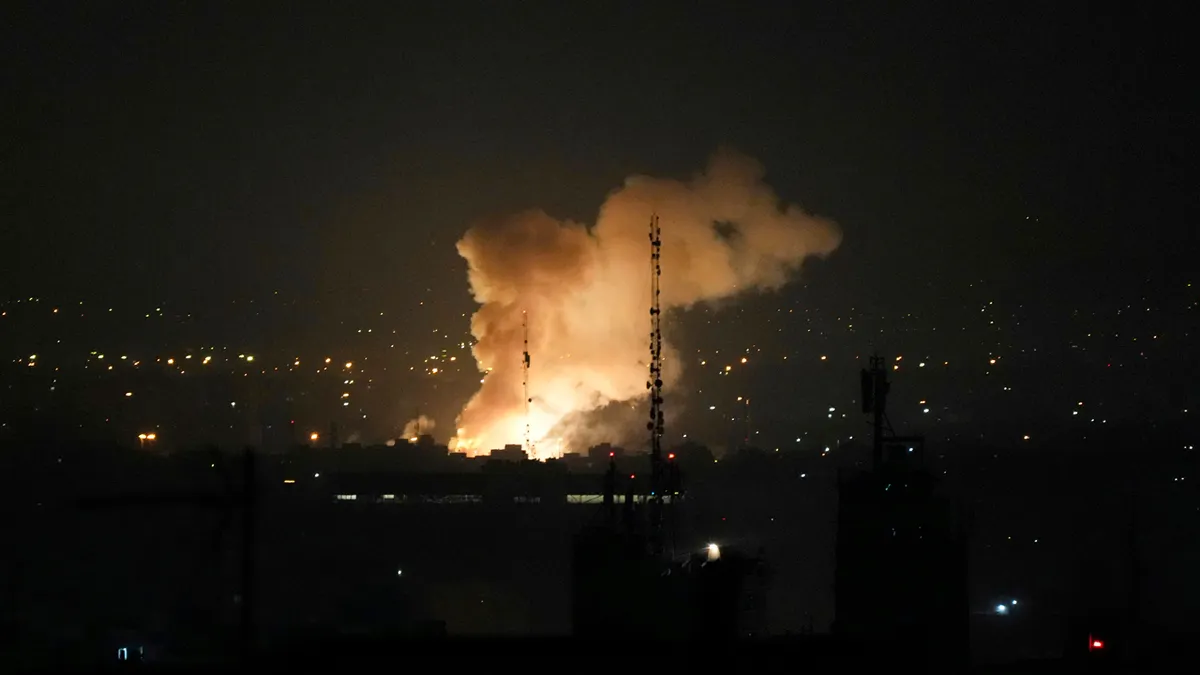
Iran's response has been swift, layered, and pointed. The Iranian Foreign Ministry denounced the threatened sanctions regime as "economic terrorism" and crimes against humanity, arguing the measures are designed to punish ordinary Iranians rather than the government. Foreign Ministry officials called Trump's broadside "unlawful" under international norms, a framing that appeals to the non-Western world — particularly Beijing and Moscow — to resist compliance.
But Iran's most alarming signal came from the military and legislative flanks. The Islamic Revolutionary Guard Corps (IRGC) warned it could deploy more "destructive" weapons if armed conflict resumes, Al Jazeera reported. Meanwhile, Iranian parliamentarian Ebrahim Rezaei called for Iran to withdraw from the Nuclear Non-Proliferation Treaty (NPT), declaring: "The best response to Trump's escalation of the economic war is to withdraw from the NPT." That threat is not new — Iran has brandished it since 2004 and Arms Control Association records show it has grown more credible this year — but invoking it now, in the context of an economic siege, raises the nuclear stakes considerably. Only North Korea has ever actually withdrawn from the NPT.
Iran's government is simultaneously working to insulate its economy from the coming blows. Officials have been quietly restructuring financial corridors to maintain trade flows, particularly with regional partners less susceptible to US secondary sanction pressure, as Al Jazeera detailed.
Why This Moment Matters
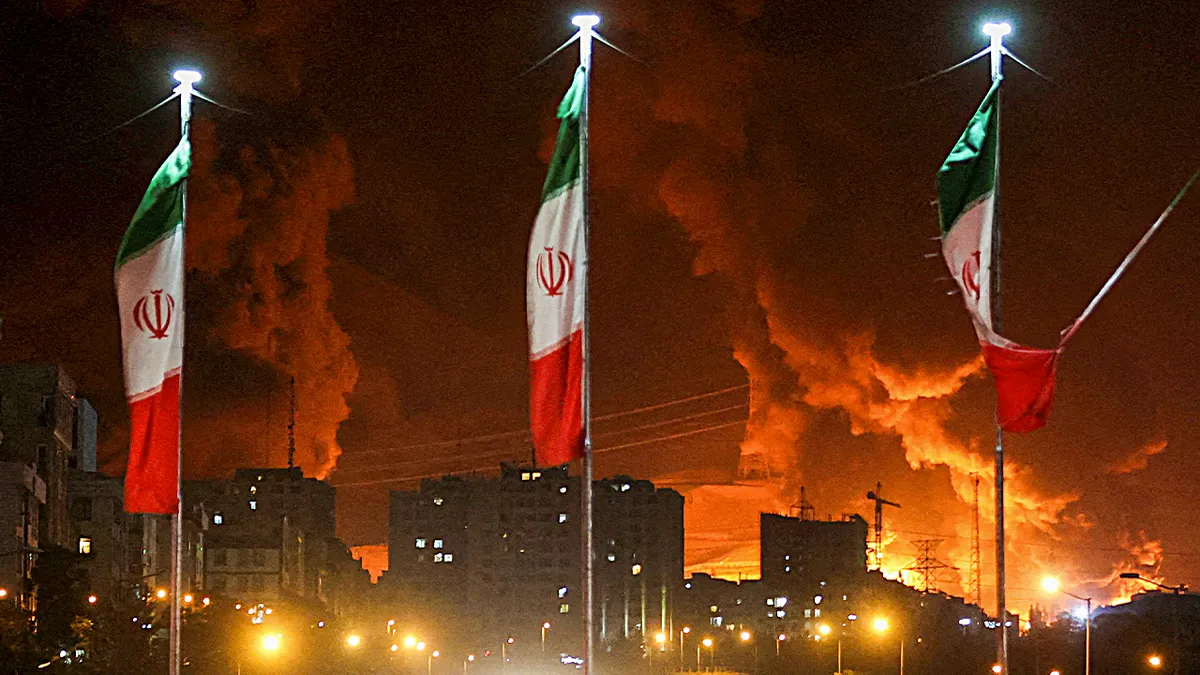
The confrontation now unfolding is not simply another turn of the sanctions screw. The combination of factors at play — an administration explicitly seeking regime collapse, an Iranian government threatening nuclear treaty withdrawal, the IRGC raising the military ante, and China being put on direct notice — marks a qualitative shift in the US-Iran standoff.
Bessent's framing that sanctions could substitute for military action cuts both ways: if the economic campaign fails to produce the desired political outcome in Tehran, the military option remains the implicit backstop. Iran, for its part, understands this logic, which explains why its responses span economic defiance, nuclear brinkmanship, and military posturing simultaneously. The Deccan Herald and Sunday Guardian both note that Tehran is signaling it will not fold passively. The details Bessent has promised for next week will reveal whether Washington's financial architecture is genuinely capable of delivering the collapse it is advertising.
Key Takeaways
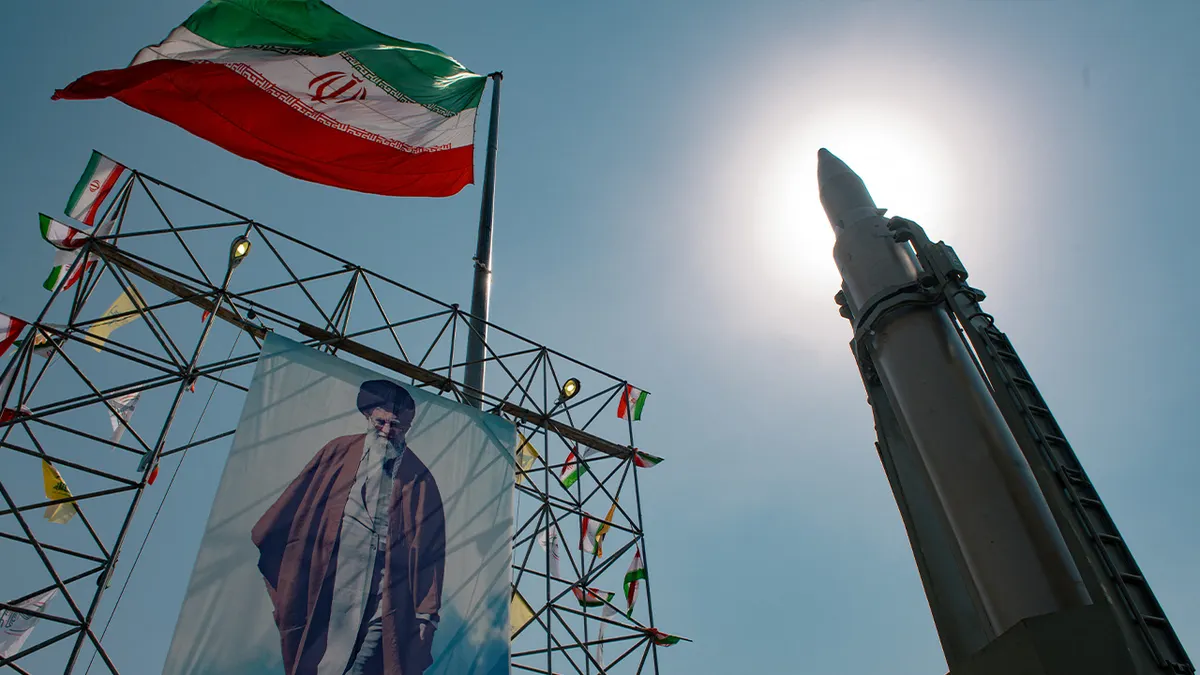
- Unprecedented scope: US Treasury Secretary Bessent has promised the "toughest sanctions in history" on Iran, with full details expected next week — framing economic warfare as a potential substitute for renewed military strikes.
- Iran's triple-track response: Tehran is simultaneously denouncing the sanctions as "economic terrorism," threatening NPT withdrawal that would upend global nuclear architecture, and warning of IRGC military escalation if conflict resumes.
- China in the crosshairs: Trump's blanket warning against any country providing Iran a "lifeline" puts Beijing — Iran's largest oil customer — on direct notice, potentially widening the conflict into a US-China economic confrontation.
- The NPT wildcard: Iranian lawmakers' calls to withdraw from the Nuclear Non-Proliferation Treaty represent the highest-stakes dimension of the standoff; if carried out, it would remove the last formal constraints on Iran's nuclear program and mark only the second NPT withdrawal in the treaty's history.
Sources:
- US says will impose 'toughest sanctions in history' on Iran — Business Standard
- Iran war live: US vows toughest-ever sanctions — Al Jazeera
- Iran prepares to keep economy alive as US threatens further sanctions — Al Jazeera
- Iran Hits Back at Trump's Threat of a 'Crushing' Economic 'D-Day' Campaign — Time
- August 20, 2026 — US imposes new sanctions on Hezbollah — CNN
- Iran Threatens to Withdraw from the NPT — Arms Control Association
- Iran sends warning over US sanctions economic war — Deccan Herald
- US-Israel-Iran War Live News — Sunday Guardian