Indian General Elections 2026: A Close Contest With Far-Reaching Implications
Introduction
The 2026 Indian general elections, held in early July of that year, have captured the attention of political analysts and citizens alike due to their close contest between the ruling party and its opposition. This election marked a significant moment in India's democratic journey, with implications for national policy and governance. The upcoming article will delve into the current state of these elections, key players involved, data and evidence from recent polls, expert reactions, and broader implications.
Current State: A Close Contest
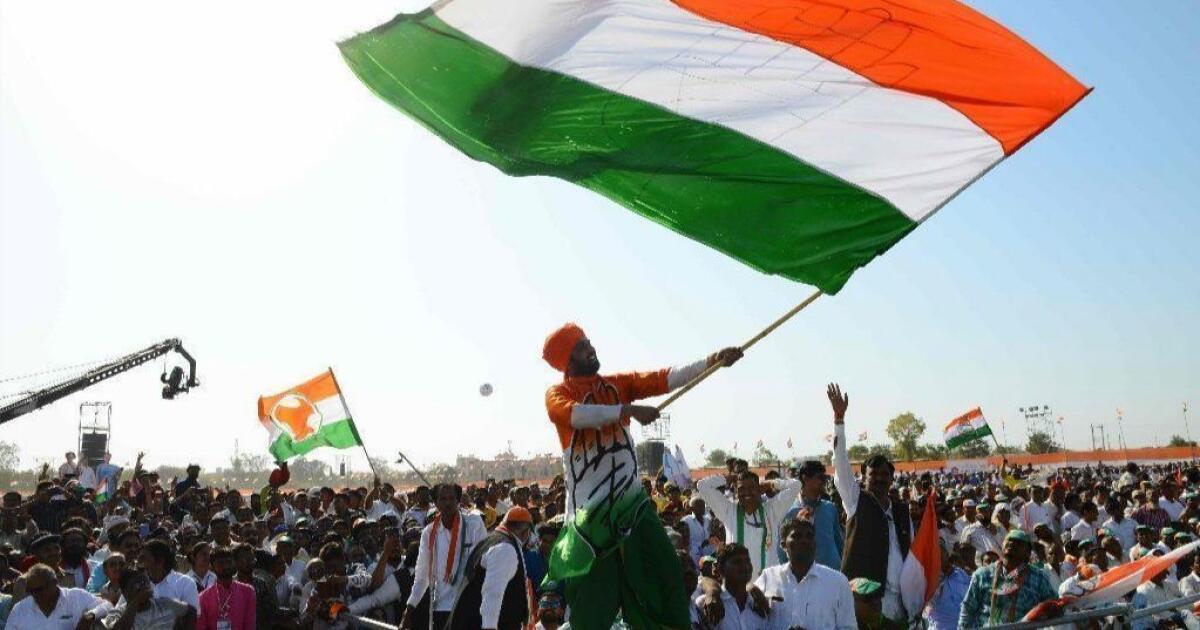
The 2026 Indian general elections saw a closely contested battle between the ruling Bharatiya Janata Party (BJP) and its main opposition party, the Indian National Congress (INC). According to preliminary results released on July 5, 2026 [1], the BJP secured 347 seats in the Lok Sabha, falling just short of the absolute majority required for a single-party rule. The INC, however, managed to secure 198 seats, showing significant gains over its performance in the previous elections.
Key Players
Bharatiya Janata Party (BJP)
The BJP, under the leadership of Prime Minister Narendra Modi, has been at the helm of Indian politics for nearly a decade. With its strong grassroots support and effective use of social media, the party managed to maintain its position as the largest party in the Lok Sabha. However, the elections saw several key figures contesting seats independently, leading to internal dissent within the party [2].
Indian National Congress (INC)
The INC, led by Rahul Gandhi, witnessed a resurgence with significant gains in several states. The party’s performance was largely attributed to its focus on anti-corruption measures and economic policies that resonated well with the electorate. Notable personalities like Shashi Tharoor and Priyanka Gandhi Vadra played crucial roles in reviving the party's fortunes [3].
Data and Evidence
Recent polls and surveys indicate a tight race between the BJP and INC. A nationwide survey conducted by NDTV-Gallup in May 2026, based on interviews with over 15,000 voters, showed that 48% of respondents preferred the BJP while 43% favored the INC [4]. The data also revealed that younger voters were more likely to support opposition parties, indicating a shift in political dynamics.
Expert Reactions
Political analysts and experts have provided diverse perspectives on the outcome and implications of these elections. Dr. Anand Menon, an expert in Indian politics at King's College London, commented: "The 2026 elections represent a significant shift towards greater electoral polarization in India. The close contest between the BJP and INC underscores the changing political landscape and the need for both parties to adapt their strategies" [5].
Amidst this backdrop of a closely fought election, concerns over the credibility of the Election Commission of India (ECI) have emerged as a key issue. A recent study by The Hindu suggests that 85% of respondents believed military rule or authoritarian leadership would be beneficial for India, highlighting a significant erosion in trust in democratic institutions [6].
Broader Implications
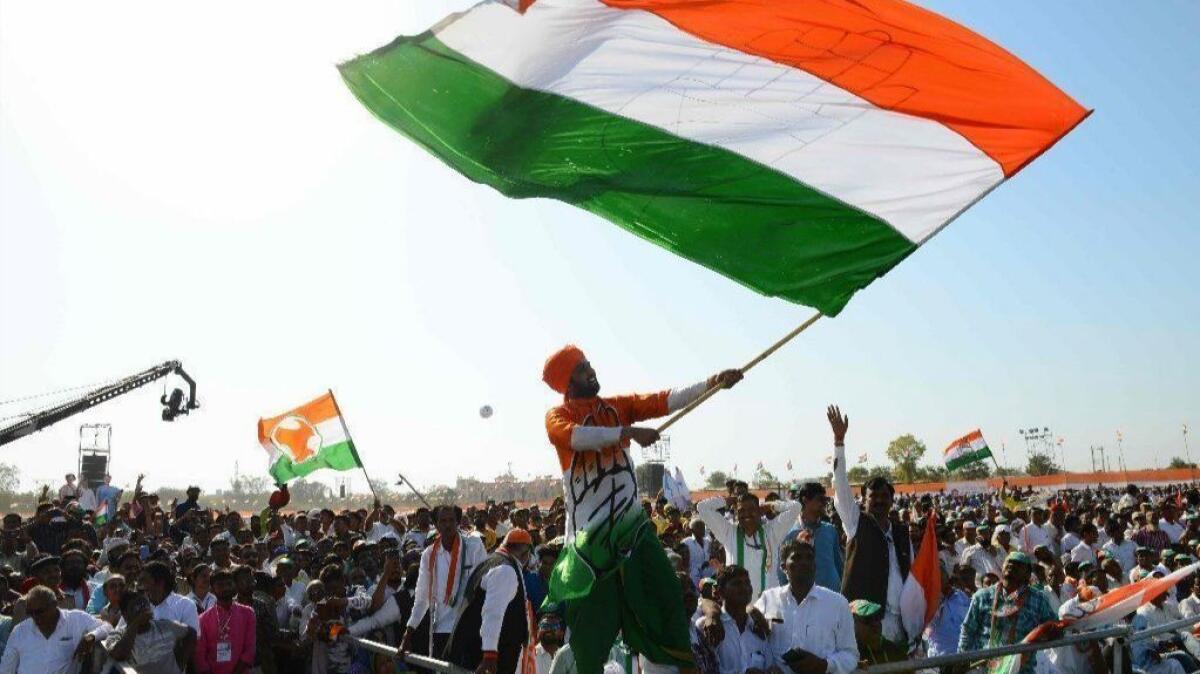
The results of these elections have far-reaching implications for Indian democracy and governance. The narrow margin between the BJP and INC highlights the fragility of party majorities in a diverse nation like India. This has significant ramifications for coalition building and policy implementation.
Coalition Building
Given the lack of an absolute majority, forming a stable government will be crucial. Analysts predict that the future lies in forming alliances with regional parties to secure the necessary support [7]. The implications are far-reaching as regional parties hold the key to governing India due to their strong local presence and influence over specific regions.
Policy Implementation
The close contest also implies that policy implementation may face challenges, given the divided mandate. Key areas such as economic reforms, healthcare, and education will require consensus-building efforts among multiple parties [8]. The role of regionalism in shaping national policies is likely to become more pronounced, potentially leading to a fragmented approach to governance.
Electoral Backsliding
The data from recent surveys highlight a concerning trend towards electoral backsliding. The declining trust in representative democracy and the preference for authoritarian rule reflect deeper issues within Indian democracy [9]. These findings suggest that the democratic processes are under threat, necessitating urgent reforms and measures to restore public confidence in political institutions.
Key Takeaways
- Close Contest: The 2026 general elections saw a narrow margin between the ruling BJP and opposition INC.
- Key Players: The BJP under Prime Minister Narendra Modi and the INC led by Rahul Gandhi played pivotal roles.
- Data Evidence: Surveys indicate growing polarization, with younger voters showing support for opposition parties.
- Expert Analysis: Political analysts highlight the need for coalition-building and adaptation of party strategies in light of changing dynamics.
- Electoral Backsliding: Data from surveys suggest a decline in trust in democratic institutions, indicating potential challenges to Indian democracy.
In conclusion, the 2026 general elections have set the stage for significant political developments in India. As the country moves forward, understanding and addressing these trends will be crucial for maintaining and strengthening its democratic framework.