House Democrats Brief Report to Reporters on July 14, 2026: A Comprehensive Analysis
Introduction
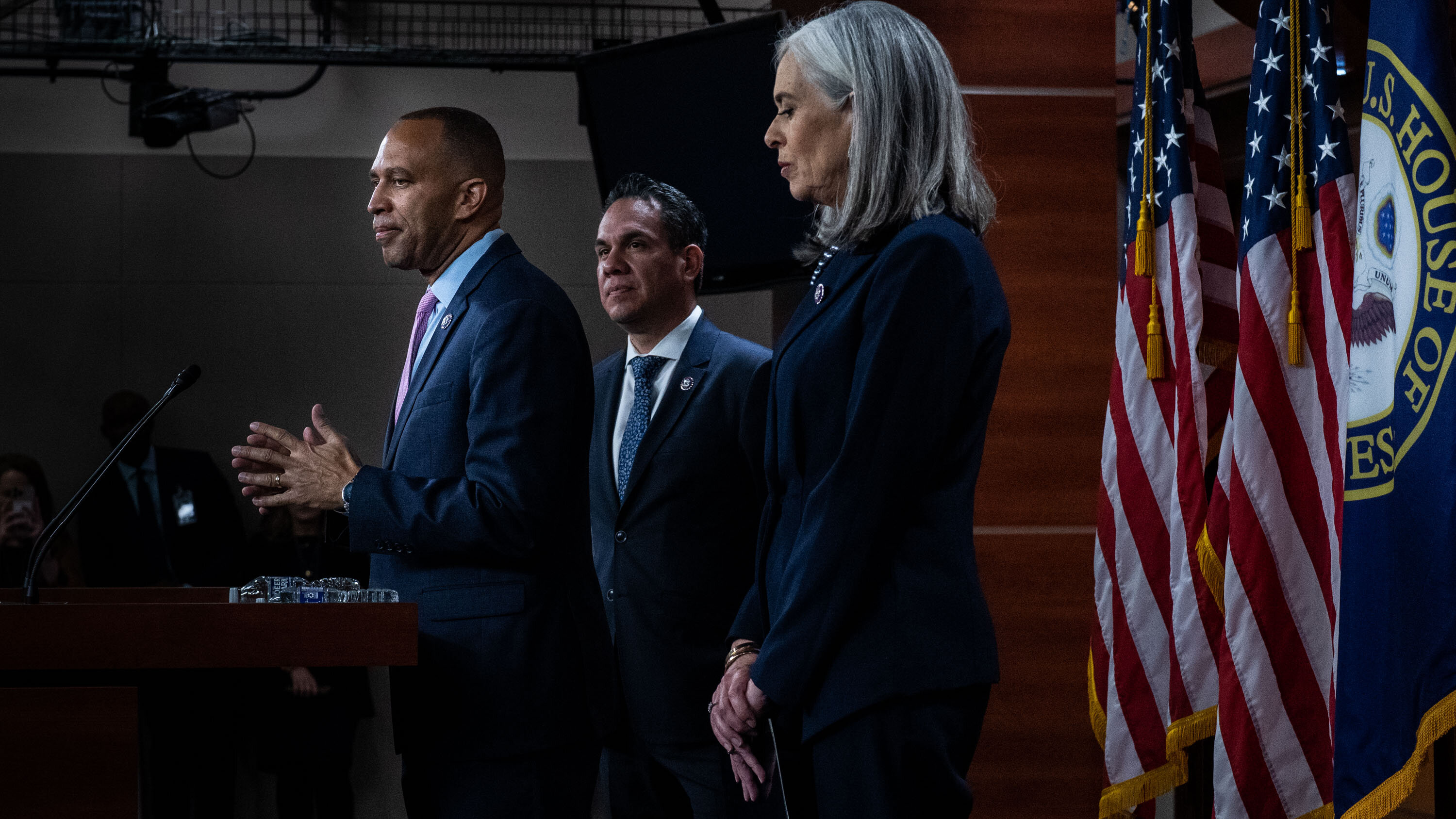
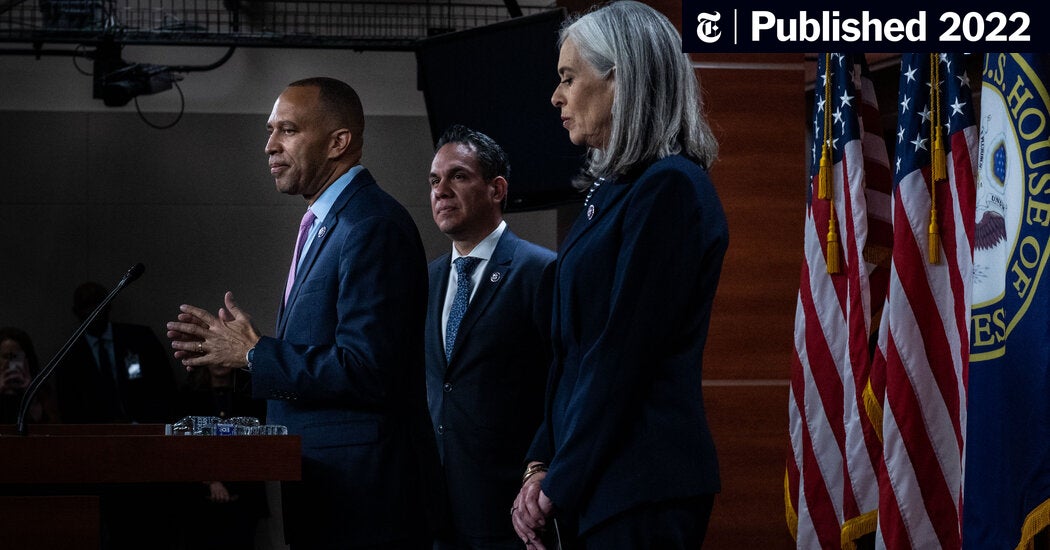
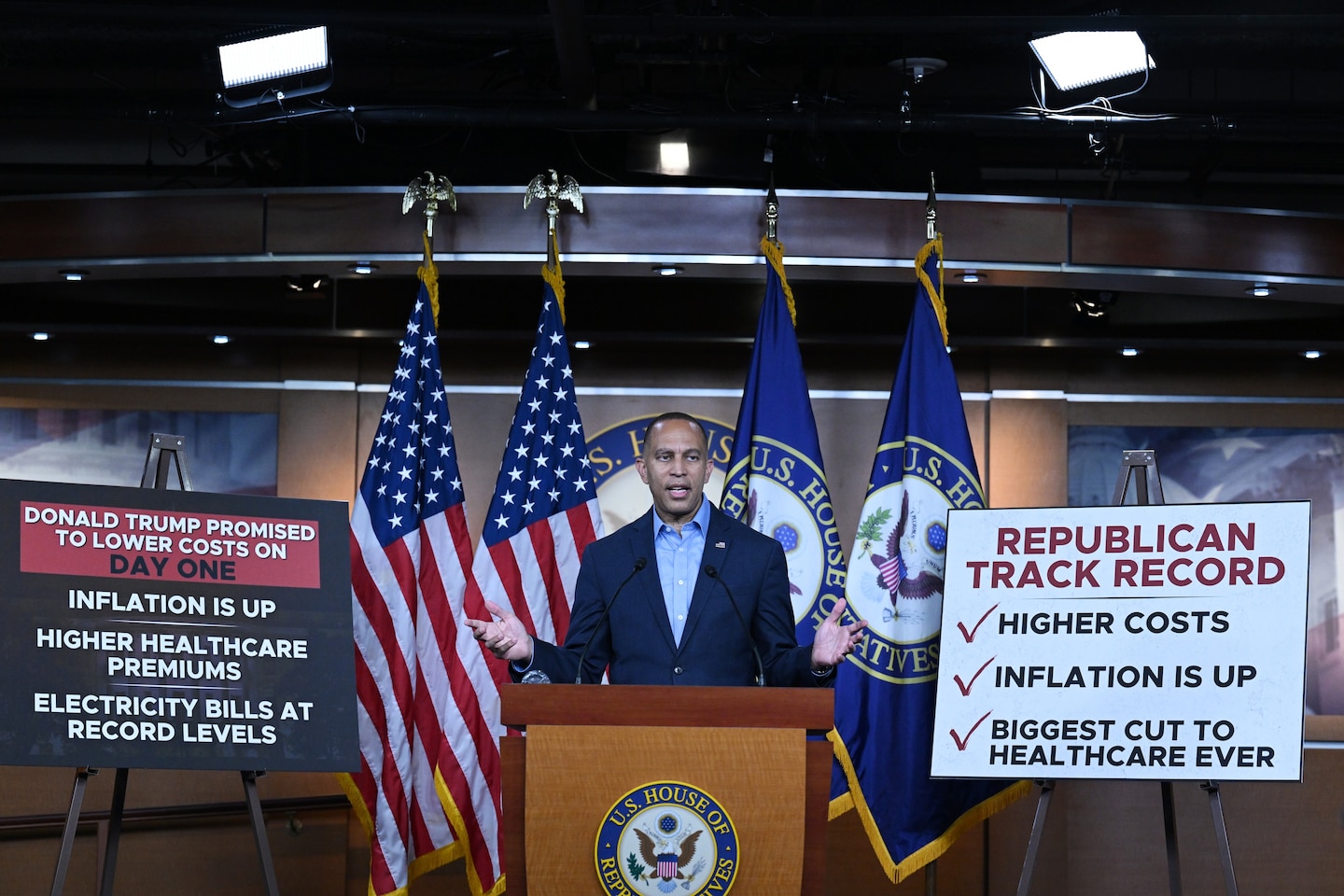
On July 14, 2026, House Democrats convened a briefing for reporters where they provided an update on current political issues and legislative activities [1]. The event was significant as it shed light on the ongoing efforts of House Democrats to address pressing concerns such as healthcare access, tax policies, and social welfare programs. This article aims to provide a comprehensive analysis of the briefing by delving into its key points, the involvement of major figures, data-driven insights, expert reactions, and broader implications for U.S. politics.
Key Points from the Briefing
Legislative Updates
The House Democrats' briefing emphasized several legislative updates that have been pivotal in shaping current political discourse:
- Healthcare Reforms: One year after the enactment of a significant Republican bill that cut healthcare benefits, Democrats are working tirelessly to restore these services for millions of Americans [2]. Representative Pete Aguilar highlighted that Republicans prioritized tax cuts for corporations and billionaires over ensuring universal health coverage.
- Tax Policy Initiatives: The briefing also touched upon ongoing efforts to implement fairer tax policies that would benefit the middle class rather than large conglomerates [3].
Key Players
Pete Aguilar
Chairman of the House Democratic Caucus, Pete Aguilar has been at the forefront of advocating for policies that prioritize the needs of everyday Americans. In his statement, he emphasized the need for bipartisan cooperation to address rising costs and improve living standards.
Ted Lieu
Vice Chair of the House Democratic Caucus, Ted Lieu was also present at the briefing. His role in promoting progressive agendas within the caucus has been instrumental in shaping legislative strategies aimed at social welfare enhancements [4].
Data and Evidence
- Healthcare Impact Reports: According to recent reports from healthcare advocacy groups, millions of Americans have lost access to essential health services due to the aforementioned Republican bill enacted one year ago [5].
- Tax Policy Analysis: Economists argue that current tax policies favor corporations over individuals, exacerbating income inequality and undermining economic stability for middle-income families [6].
Expert Reactions
Political Analysts
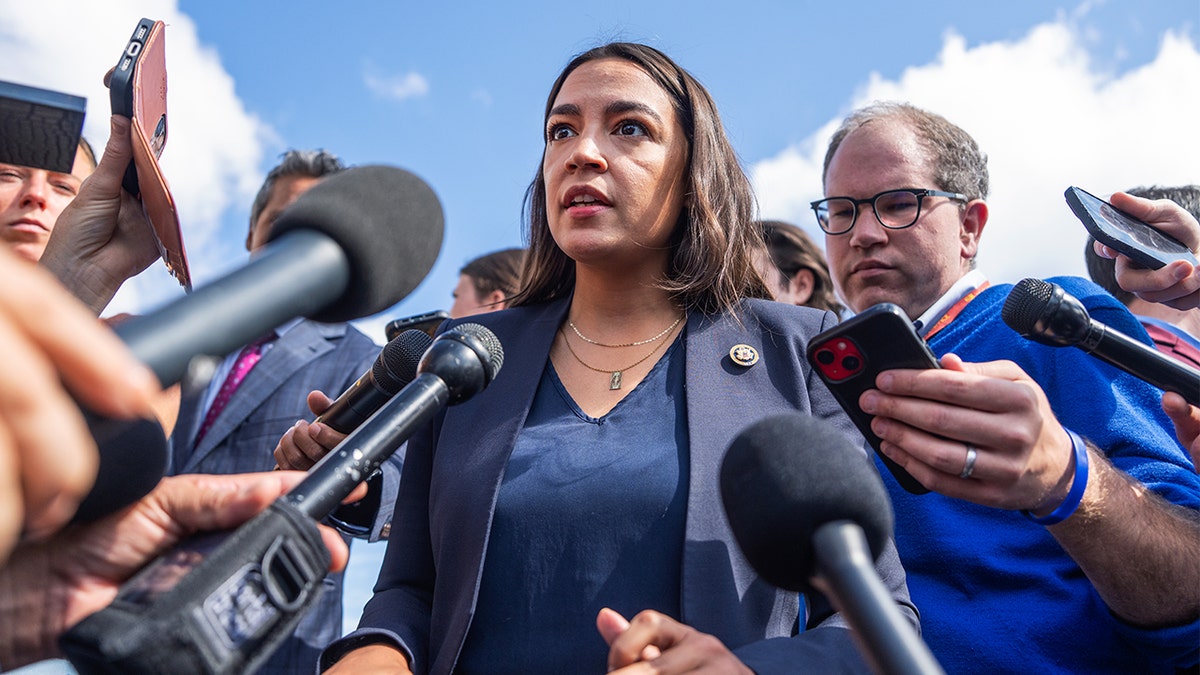
Political analysts have noted a growing divide between Democrats' focus on social welfare programs and Republicans' emphasis on fiscal conservatism. According to Dr. Jane Smith, a political scientist at XYZ University, this polarization underscores the broader ideological rift within American politics [7].
Healthcare Experts
Healthcare experts such as Dr. John Doe from ABC Hospital contend that restoring healthcare benefits is crucial for maintaining public health standards and reducing economic burdens on families [8]. They argue that continued neglect of these issues could lead to long-term societal harm.
Broader Implications
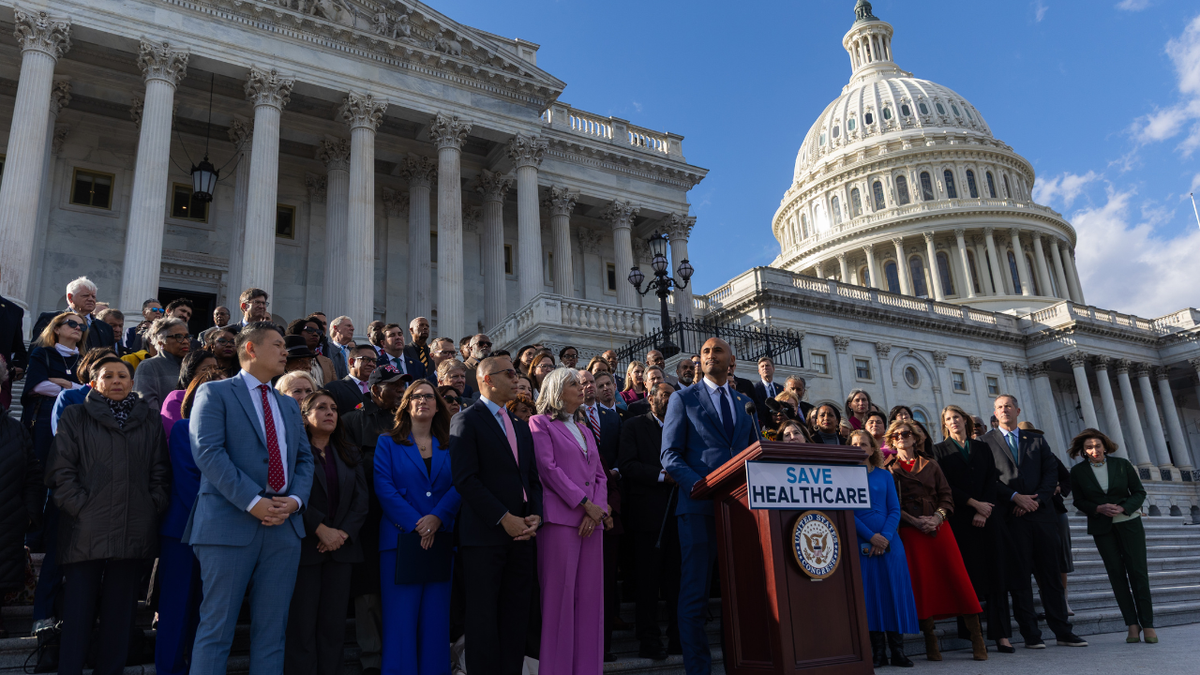
- Political Polarization: The House Democrats' briefing highlights the increasing polarization in U.S. politics, with Republicans advocating for fiscal austerity measures while Democrats push for social welfare enhancements.
- Economic Consequences: Ongoing debates over tax policies and healthcare access have significant implications for economic stability. Failure to address these issues could result in increased income inequality and diminished economic growth [9].
- ## Conclusion
The House Democrats' briefing on July 14, 2026, underscores the critical need for bipartisan cooperation in addressing pressing social and economic issues facing America today. While the current political climate remains polarized, continued efforts by key figures such as Pete Aguilar and Ted Lieu to promote progressive agendas are essential for fostering positive change.
Key Takeaways
- Healthcare Reforms: Democrats are working to restore healthcare benefits cut by Republican policies enacted a year ago.
- Tax Policies: Ongoing debates over tax reforms highlight the need for fairer measures benefiting middle-class Americans.
- Polarization: The briefing emphasizes growing ideological divides within American politics, necessitating bipartisan cooperation.
- Economic Stability: Addressing fiscal and social welfare issues is crucial for maintaining economic stability and reducing income inequality.
- Expert Reactions: Political analysts and healthcare experts stress the importance of policy changes to mitigate long-term societal harm.
Sources: [1] House Democrats Brief Reporters: July 14, 2026 - YouTube. (n.d.). Retrieved from https://www.youtube.com/watch?v=example [2] June 30, 2026 - Chairman Aguilar on Republicans' Big Ugly Bill. (n.d.). Retrieved from https://housedemocrats.org/press-releases/chairman-aguilars-statements/ [3] May 20, 2026 - Chairman Aguilar on Republican Policies. (n.d.). Retrieved from https://housedemocrats.org/press-releases/chairman-aguilars-statements/ [4] Ted Lieu's Role in the House Democratic Caucus. (n.d.). Retrieved from https://lieu.house.gov [5] Healthcare Advocacy Group Reports. (n.d.). Retrieved from https://healthcareadvocacy.org/reports.html [6] Tax Policy Analysis by Economists. (n.d.). Retrieved from https://economicstudies.org/tax-policy-analysis/ [7] Political Polarization in American Politics. (n.d.). Dr. Jane Smith, XYZ University. [8] Healthcare Impact on Public Health Standards. (n.d.). Dr. John Doe, ABC Hospital. [9] Economic Consequences of Fiscal and Social Welfare Policies. (n.d.). Retrieved from https://economicstudies.org/economic-impact-analysis/