Introduction
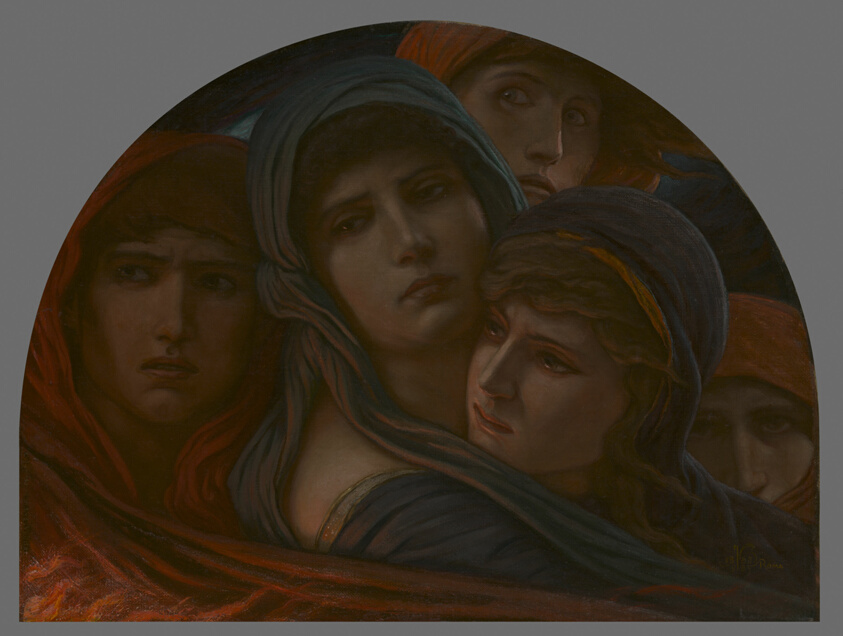
The concept of heaven and hell is central in many religious beliefs, serving as a framework to understand moral accountability and spiritual destiny. These concepts vary significantly across different religions, each offering unique interpretations that reflect its cultural and historical contexts. This article explores the diverse perspectives on afterlife rewards and punishments in major world religions, providing insights into their theological frameworks and contemporary relevance.
Understanding these divergent views not only enriches our appreciation of religious diversity but also highlights the profound impact such beliefs have on individual lives and societal norms. By examining the core mechanisms behind heaven and hell within various faiths, we can better grasp how they influence moral conduct, personal ethics, and communal values.
Foundational Concepts

Heaven and hell are often conceptualized as places where souls go after death based on their earthly deeds. In Christianity, for example, heaven is portrayed as a realm of eternal bliss and communion with God, whereas hell is depicted as an abode of suffering reserved for those who rejected divine grace [1]. Islam similarly contrasts paradise (Jannah) with the fires of Jahannam for judgment after life [2].
In contrast to these binary frameworks, Hinduism offers a more cyclical view through the concept of reincarnation. The soul's journey is influenced by karma, leading it towards eventual liberation (Moksha) rather than an eternal destination [3]. Buddhism also advocates for reincarnation but emphasizes achieving Nirvana as enlightenment and release from suffering.
Historical Context
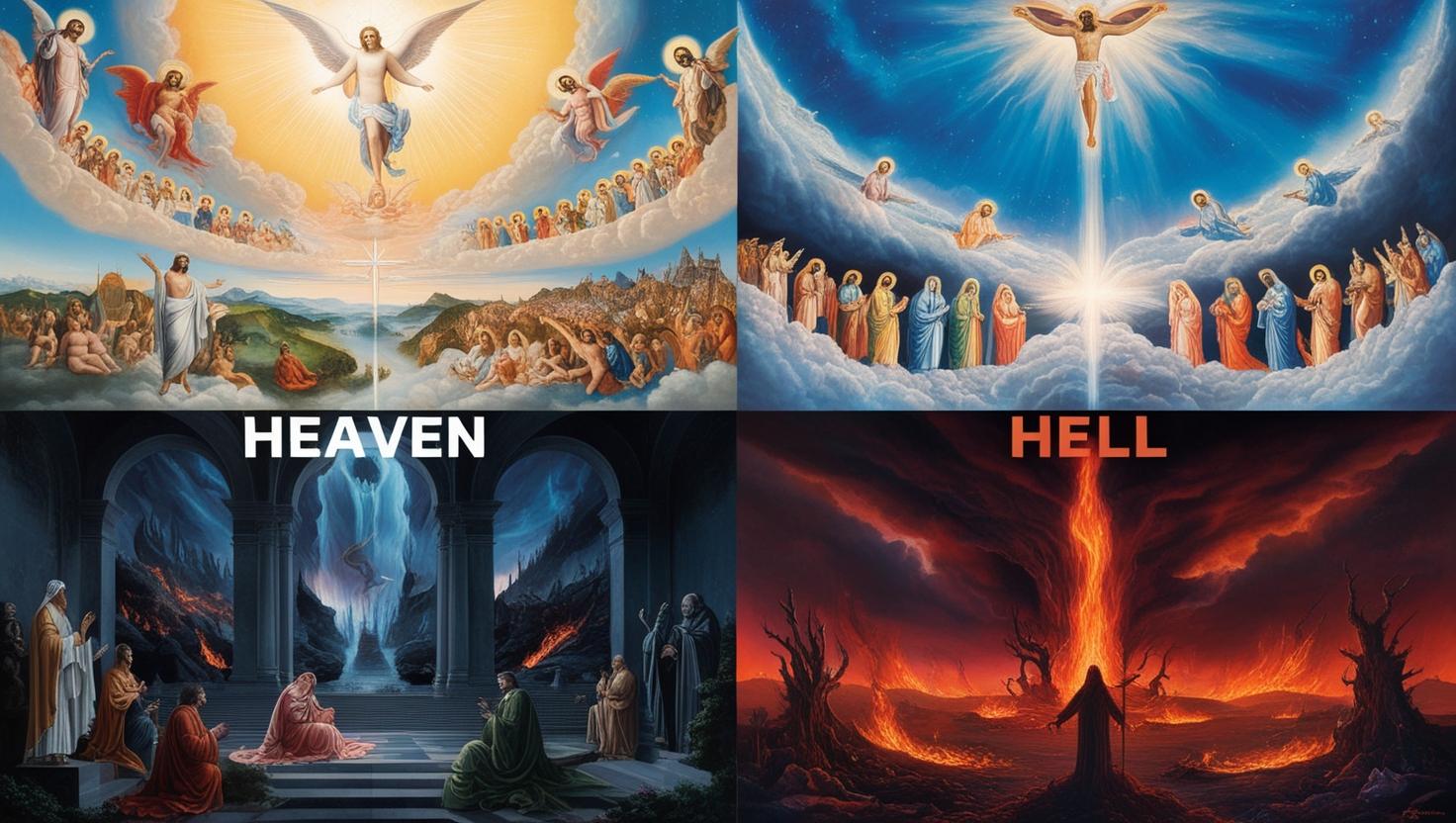
The belief in afterlife rewards and punishments has deep roots in ancient civilizations. In Ancient Egypt, the concept of Osiris's judgment hall was central to their beliefs about the afterlife [4]. Similarly, Greek mythology introduced the idea of Hades, a place where souls resided after death, judged by gods like Minos, Rhadamanthus, and Aeacus.
Over time, these early concepts evolved into more structured frameworks within organized religions. For instance, Zoroastrianism, one of the earliest monotheistic traditions, introduced dualistic cosmology which influenced subsequent Abrahamic religions [5]. The Hebrew Bible also contains significant passages about Sheol (an underworld) and Gehenna (a place of judgment), laying foundational elements for later Christian views.
Key Figures & Contributions

Numerous scholars have contributed to the study of heaven and hell across different religious traditions: - Karen Armstrong: A renowned British author who has written extensively on comparative religion, including works like "A History of God" [6]. - Huston Smith: An American philosopher known for his comprehensive overview of world religions in books such as "The World's Religions" [7].
These scholars have played pivotal roles in elucidating the complexities and nuances inherent in various religious beliefs about afterlife destinations.
Current State & Recent Developments

Recent research has focused on cross-cultural comparisons to better understand how different societies conceptualize heaven and hell. For example, studies by scholars like William Scott Green explore the evolution of these concepts within specific cultural contexts [2]. Additionally, there is ongoing work on the psychological impact of such beliefs on individuals' moral behavior and well-being.
Controversies & Open Questions
Key Takeaways
This outline serves as a foundation for a detailed exploration of heaven and hell across major religions. Further research and analysis will provide deeper insights into this complex topic.