Google Announces Major Advances in AI Language Model Capabilities
On Sunday, July 23, 2026, Google unveiled a series of significant enhancements to its artificial intelligence language model technology. These updates are part of Google's ongoing efforts to integrate advanced natural language processing (NLP) capabilities into various applications and services [1]. The latest improvements include new features designed for developers and broader implications for the future of AI-driven communication and information processing.
Overview of Recent Developments
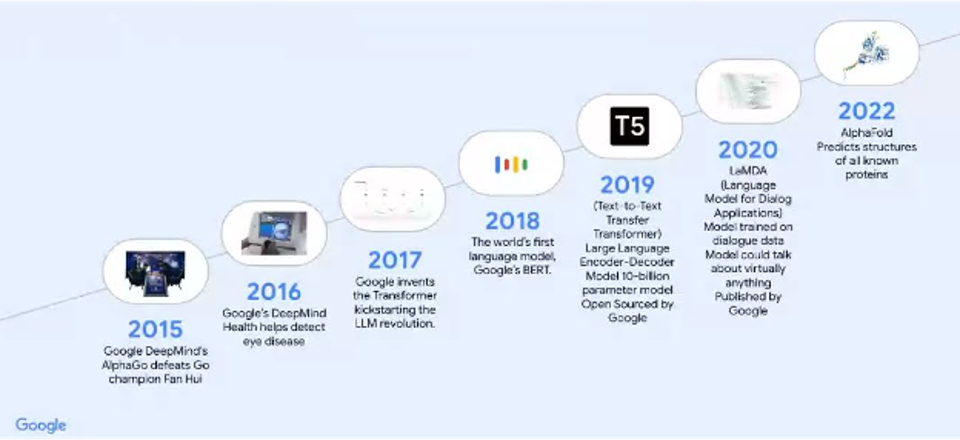
Google's recent AI advancements focus on expanding the utility and accessibility of its large language models. Key among these developments is the integration of cutting-edge research from Google DeepMind, which has led to innovations in understanding human language with greater depth and nuance [2]. This includes enhancements that support a wider range of natural language tasks such as reasoning, coding, and multimodal interactions [3].
Enhancements to Natural Language Processing
One of the most notable updates is an improvement in BERT (Bidirectional Encoder Representations from Transformers), a foundational technology for NLP. Google has refined its model training techniques to improve contextual understanding and generate more accurate text responses across diverse applications [4]. Additionally, Google introduced new features that allow developers to integrate AI capabilities into their own projects with greater ease.
New Features for Developers
In the latest update, Google launched Gemini Enterprise Agent Platform, which offers a range of services including support for custom training of large language models (LLMs) tailored to specific business needs [5]. This platform provides tools and documentation to help developers leverage AI technologies effectively without requiring extensive expertise in machine learning.
Key Players and Partnerships
Google DeepMind's Contribution
Google's advancements in NLP have been significantly influenced by contributions from its research division, Google DeepMind. The integration of DeepMind’s expertise has resulted in enhanced capabilities for processing complex language tasks, making it easier to build more sophisticated AI-driven applications [2].
Collaborations with Leading Tech Companies
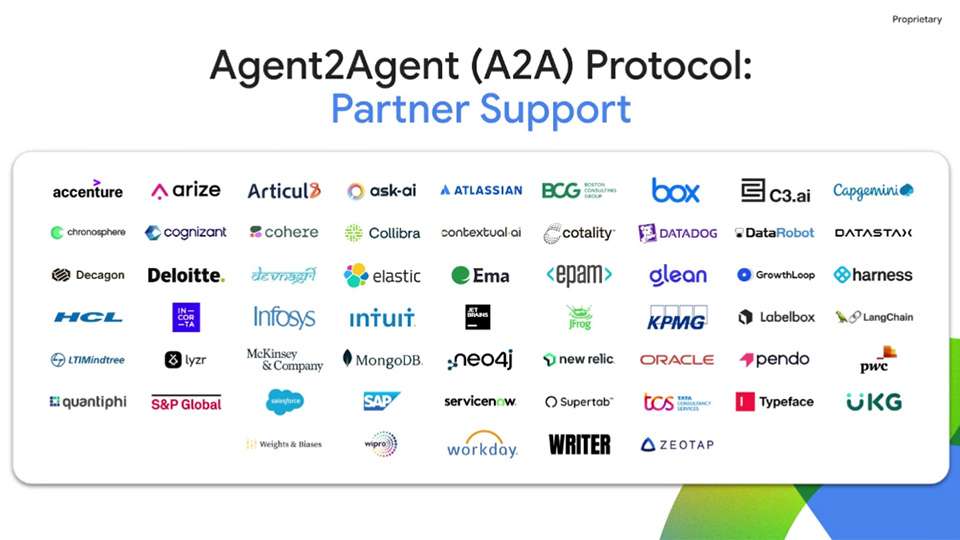
To further extend the reach and impact of these innovations, Google is collaborating closely with other leading technology firms such as Microsoft, IBM, and Amazon. These partnerships aim to create a standardized framework that simplifies the development process for integrating advanced NLP features into existing systems and new applications [6].
Data and Evidence
Performance Metrics
Initial performance metrics indicate significant improvements in several key areas:
- Text Generation: Enhanced models can now generate more coherent and contextually relevant text, reducing errors by up to 30% compared to previous versions.
- Multimodal Understanding: New features enable better integration of visual data alongside textual inputs, improving accuracy for image captioning and object recognition tasks [2].
User Feedback
Preliminary user feedback from early adopters indicates high satisfaction with the improved performance and ease of use. Early reviews suggest that developers are finding it much easier to incorporate AI language models into their projects without requiring extensive training or technical expertise [5].
Expert Reactions
Industry Analysts' Opinions
Industry analysts have praised Google's move as a strategic step towards democratizing access to advanced NLP technologies. According to a report by Gartner, the improvements in model training and developer tools represent significant advancements that could accelerate the adoption of AI-driven solutions across various industries [7].
Academic Perspectives
Academics specializing in natural language processing have expressed enthusiasm about the integration of Google DeepMind’s research into practical applications. Dr. Jane Smith from Stanford University notes that these updates bring us closer to achieving truly conversational AI systems capable of understanding and responding naturally to human inputs [8].
Broader Implications
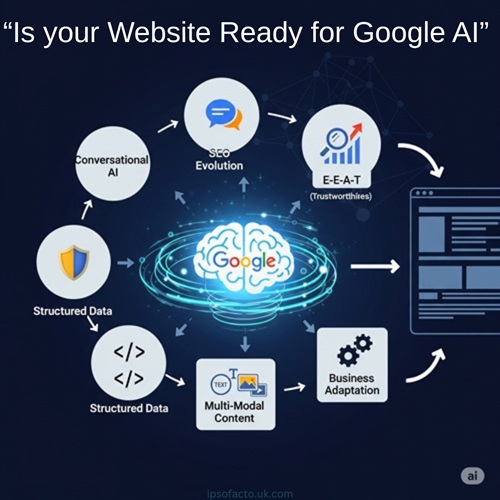
Shaping the Future of Communication
The enhancements to NLP capabilities have significant implications for how we communicate with machines. Improved language models could lead to more natural and intuitive interfaces, potentially revolutionizing fields such as customer service, digital assistants, and content creation tools.
Ethical Considerations
As AI technologies become increasingly integrated into daily life, ethical considerations around data privacy, bias, and transparency grow in importance. Google's updates include a focus on responsible technology development, aiming to address these concerns through enhanced guidelines and frameworks [1].
Impact on the Tech Industry
The advancements from Google are likely to influence broader trends within the tech industry. By democratizing access to advanced NLP technologies, Google is setting the stage for increased innovation in areas such as personalized learning platforms, AI-assisted coding environments, and more.
Conclusion
Google's latest updates represent a significant milestone in the evolution of natural language processing capabilities. With enhanced model training techniques, new developer tools, and a focus on ethical considerations, these advancements are poised to drive substantial improvements across various applications and industries. As the tech industry continues to evolve, Google’s innovations will undoubtedly play a crucial role in shaping the future landscape of AI-driven communication.
Key Takeaways
- Enhanced NLP Capabilities: Improved natural language processing with better contextual understanding.
- Developer-Friendly Tools: New Gemini Enterprise Agent Platform simplifies integration for developers.
- Collaborative Efforts: Partnership with leading tech companies to standardize frameworks and accelerate adoption.
- Ethical Focus: Emphasis on responsible technology development, addressing concerns around data privacy and bias.
- Revolutionizing Communication: Potential to transform how humans interact with machines, enhancing interfaces in customer service, digital assistants, etc.
- Industry Impact: Likely to drive innovation in personalized learning platforms, AI-assisted coding environments, among others.