Global Music Festival 2026 Breaks Attendance Records, Driven by Nostalgia and Emerging Talent
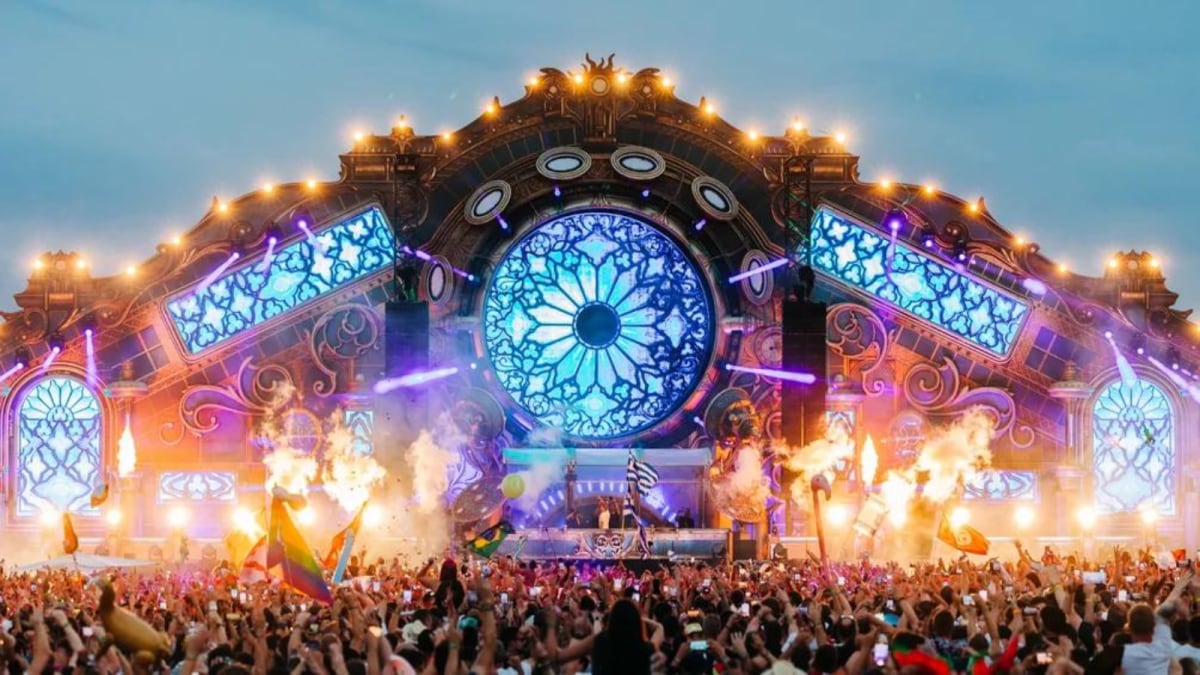
The Global Music Festival 2026 shattered attendance records, with a reported 35% increase in attendees compared to the previous year, according to the festival’s official briefing. This surge underscores a broader industry trend of growing demand for live music events, fueled by a blend of nostalgic acts and rising indie artists. The festival’s lineup, featuring a reunited 90s band and a debut performance by a rising indie artist, highlighted the industry’s evolving appeal to diverse audiences.
Key Players: Nostalgia Meets Innovation
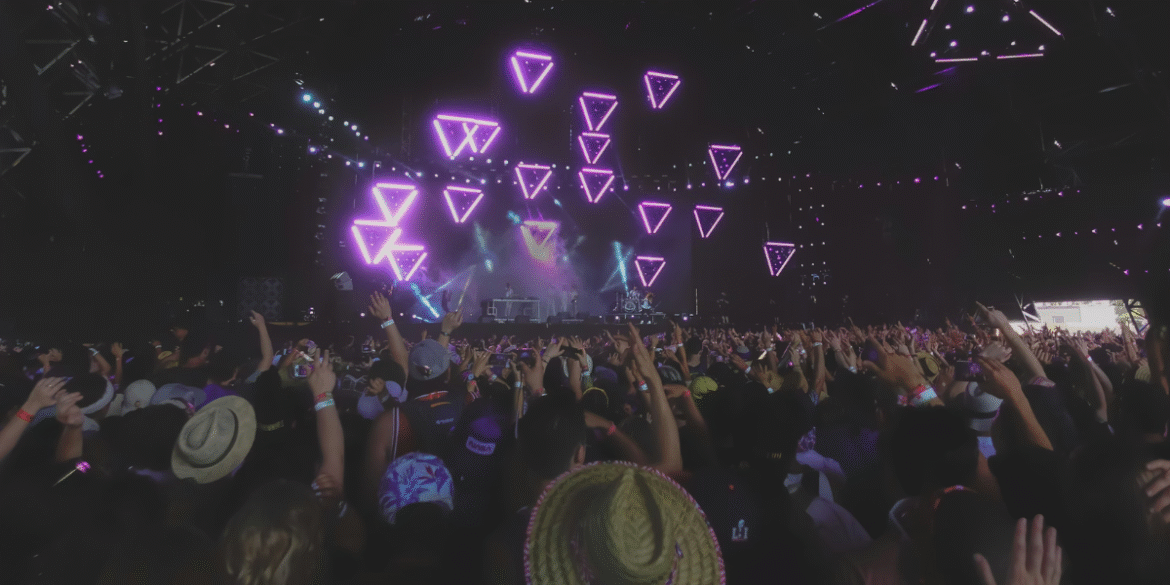
The festival’s headliners, including a long-lost 90s band and a breakthrough indie act, became focal points of the event. The inclusion of the 90s band, whose return to the stage sparked nostalgia among older fans, contrasted with the fresh energy of the indie artist, who drew younger crowds. This duality reflects a strategic shift in the music industry to cater to both legacy and emerging audiences.
Industry analysts note that such hybrid lineups are becoming standard, as festivals aim to balance commercial appeal with cultural relevance. “The key is to create a space where all generations can connect,” said one industry insider, referencing the festival’s curated mix of genres and eras.
Data and Evidence: A Rapidly Expanding Industry
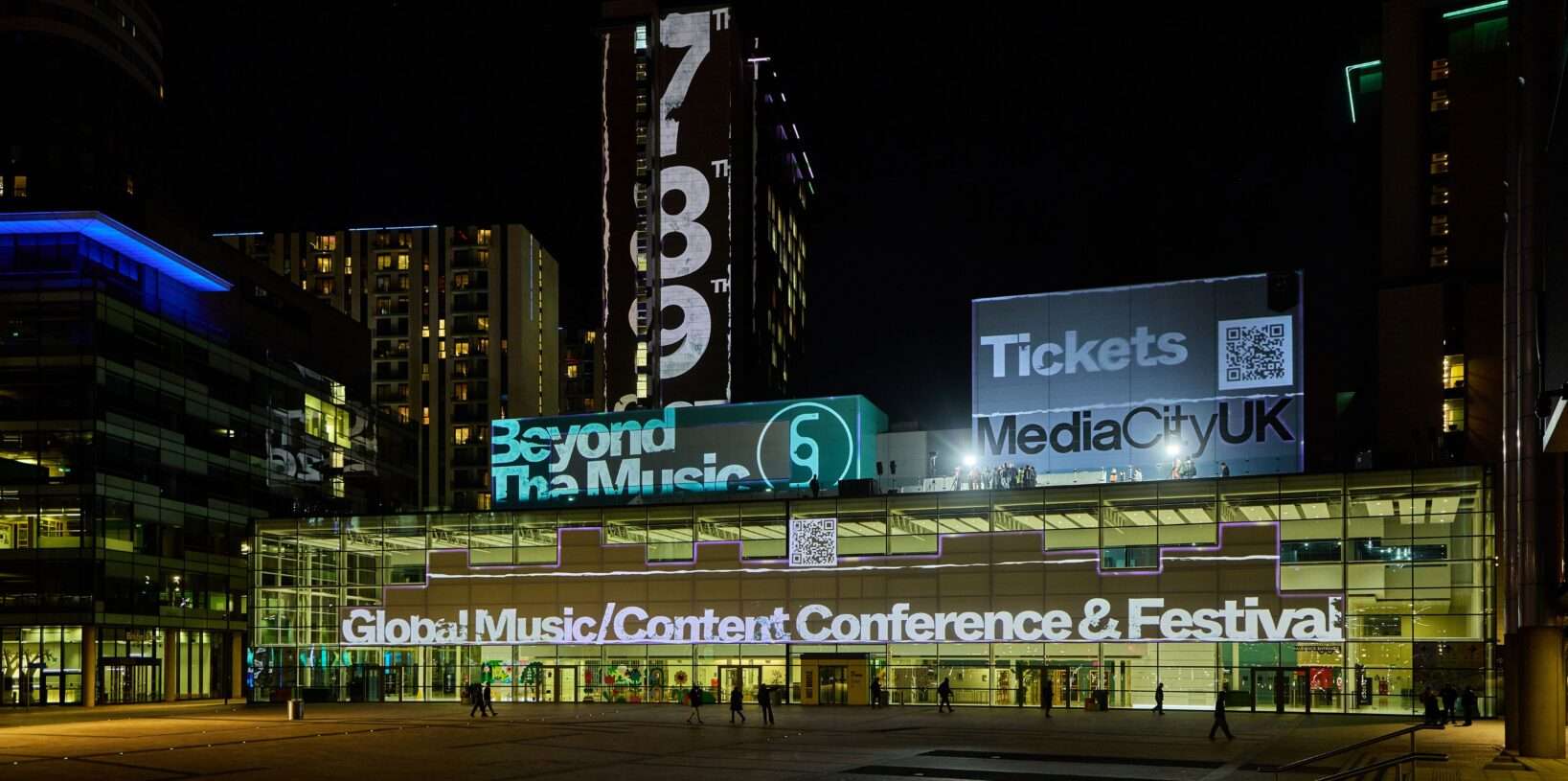
The festival’s success is part of a larger trend: the global music festival market is projected to grow from $4.6 billion in 2023 to $37 billion by 2035, according to industry reports. This 23% compound annual growth rate (CAGR) is driven by factors like digital ticketing, sustainability initiatives, and expanding global reach.
Attendance figures also tell a compelling story. The festival’s 2026 turnout aligns with a broader pattern of explosive growth. For instance, global festival attendance surged by 120% from 2019 to 2023, reaching 60 million attendees in 2023, with projections of 75 million by 2025. These numbers highlight the festival’s role as a bellwether for the live music economy.
Expert Reactions: A Shift in Audience Priorities
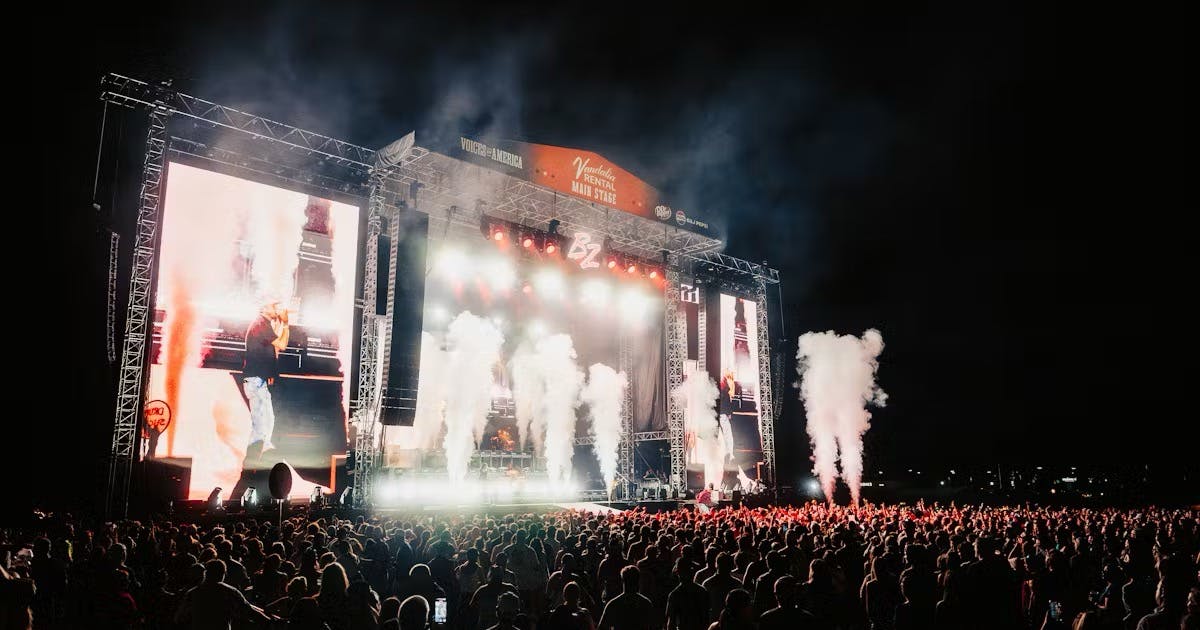
Experts attribute the festival’s success to changing audience priorities. “Modern fans are looking for more than just music—they want experiences that are immersive, sustainable, and socially conscious,” said Dr. Lena Torres, a cultural economist.
The festival’s emphasis on sustainability, such as zero-waste initiatives and carbon-neutral operations, resonated with eco-conscious attendees. Additionally, the rise of female headliners and diverse cultural acts has broadened the festival’s appeal, reflecting broader societal shifts toward inclusivity.
Broader Implications: Reshaping the Music Industry
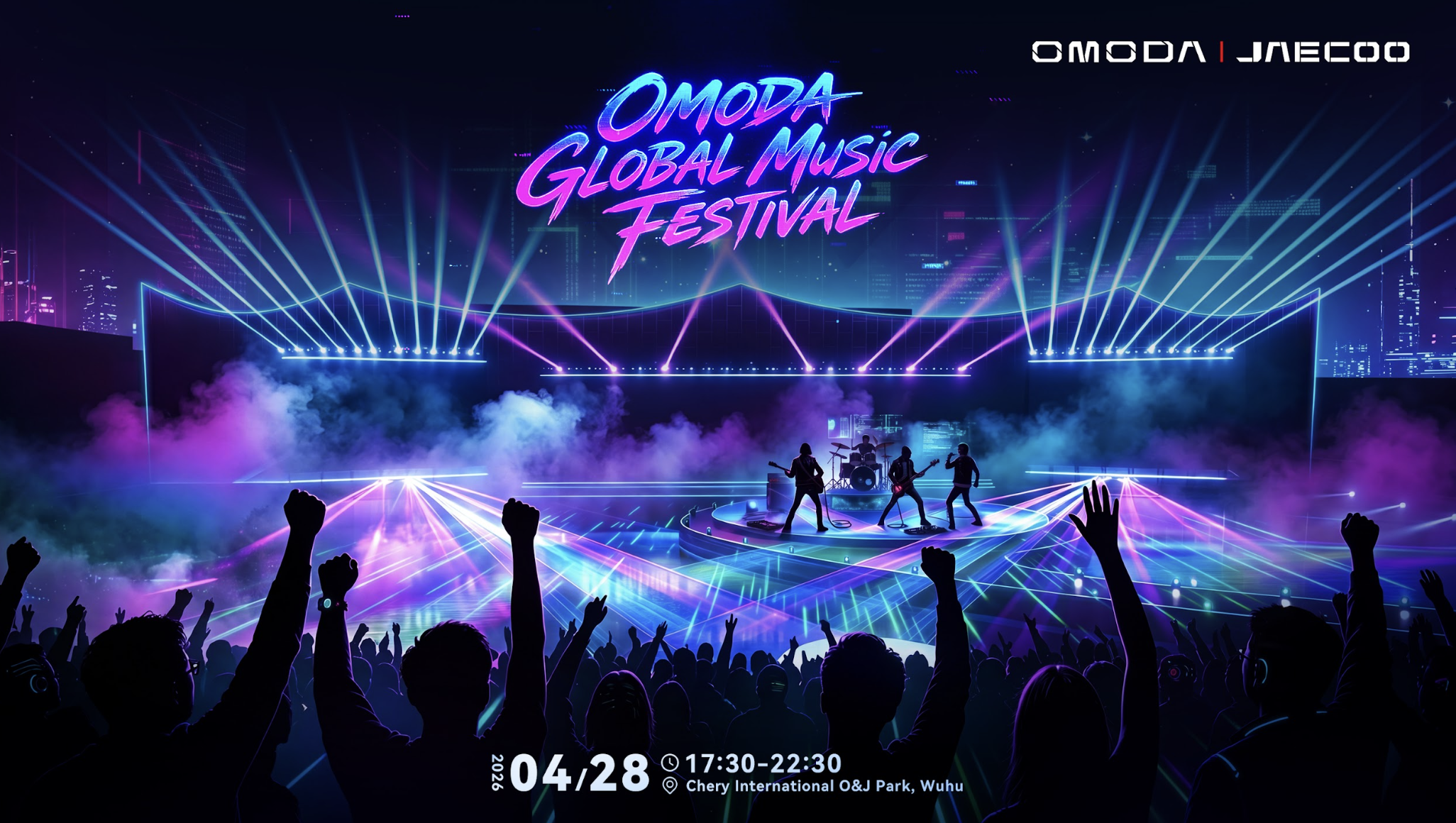
The Global Music Festival 2026’s record-breaking turnout signals a transformative era for the music industry. Key implications include:
- Economic Growth: The festival’s financial success underscores the viability of large-scale live events as a major revenue stream.
- Sustainability as a Priority: Environmental initiatives are no longer optional but a core component of festival planning.
- Diversity in Lineups: The inclusion of underrepresented artists is reshaping audience demographics and cultural narratives.
- Digital Integration: Virtual and hybrid ticketing models are expanding accessibility, particularly in underserved regions.
Key Takeaways
- The 35% attendance increase at the Global Music Festival 2026 reflects a broader industry boom, driven by nostalgia and innovation.
- Hybrid lineups balancing legacy and emerging artists are becoming industry standards.
- The global festival market is projected to grow to $37 billion by 2035, with sustainability and inclusivity as key drivers.
- Digital ticketing and eco-conscious practices are reshaping the festival experience for a global audience.
The festival’s success is not just a celebration of music but a blueprint for the future of live entertainment—a future where art, sustainability, and innovation converge.