Global Digitization Project Seeks to Expand Access to Ancient Texts
Introduction
The digital age has revolutionized the way we access and study historical documents, opening new avenues for research and cultural exchange. One of the most ambitious initiatives in recent years is a major international collaboration aimed at digitizing historical texts from various ancient civilizations. This project, dubbed "Access to Cuneiform Texts" (CDLI-ACT), seeks not only to preserve these invaluable artifacts but also to make them accessible to scholars, students, and enthusiasts around the world.
Project Overview
The CDLI-ACt initiative is a collaborative effort involving researchers from institutions such as the University of Al-Qadisiyah in Iraq, the University of York in the United Kingdom (UK), and Lund University in Sweden. Their primary goal is to provide open access to over 200,000 historical documents across multiple ancient civilizations [1].
Key Players
- University of Al-Qadisiyah: A key partner in the project, contributing expertise from its faculty members like W. Brent Seales Ph.D.
- University of York (UK): Leading research and development efforts with teams including Christy Chapman and Seth Parker Ph.D.
- Lund University (Sweden): Adding to the global collaboration through diverse contributions.
Digital Interface Development
A significant aspect of this project is the development of a multilingual digital interface, specifically an Arabic version [2]. This move aims to bridge linguistic gaps and ensure that non-Arabic speaking researchers can access these invaluable documents. The initiative has also been working on advanced image processing techniques to enhance readability and make the texts more accessible for scholars.
Data and Evidence

The project's scope is vast, encompassing not only cuneiform texts but also other ancient scripts such as Egyptian hieroglyphs and Greek papyri [3]. Over 4,000-year-old cuneiform tablets have been digitized using cutting-edge technology to ensure their preservation while making them available online. The initiative has already seen successful trials with the Epic of Gilgamesh, one of the earliest known literary works in human history.
Technological Advancements
The project leverages sophisticated digital tools for image restoration and translation. For instance, the Digital Restoration of PHerc.118, an ancient Herculaneum papyrus scroll, has been transformed into a highly accessible online resource [4]. This demonstrates how advanced technology can transform raw data into meaningful scholarly resources.
Expert Reactions
The project has garnered significant attention from experts in the field. Dr. W. Brent Seales of the University of Kentucky, a leading figure in digital humanities and imaging sciences, highlighted the importance of such initiatives:
"This project is crucial for advancing our understanding of ancient civilizations. By digitizing these texts, we can democratize access to knowledge that has been locked away in physical archives."
Experts from various institutions have praised the initiative's potential to foster international collaboration and enhance global academic exchanges.
Broader Implications
The implications of this project extend far beyond academia. Increased accessibility of historical documents could lead to new discoveries and interpretations, enriching our understanding of past societies. Moreover, the project serves as a model for other initiatives aimed at preserving cultural heritage in an increasingly digital world.
Community Engagement
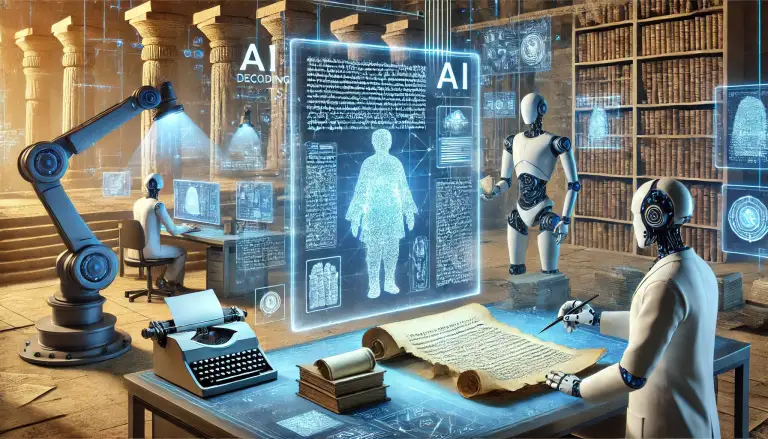
Beyond academic circles, the initiative has also garnered support from museums, libraries, and educational institutions worldwide. These organizations recognize the value of open access to ancient texts and are eager to integrate these resources into their curricula and exhibits [5].
Social Media Impact
The project has sparked widespread interest on social media platforms like Twitter. Hashtags such as #WorldHistoryToday and #DigitalHeritage have trended, reflecting public engagement with historical content in the digital age.
Key Takeaways
- Ambitious Scope: The CDLI-ACt initiative aims to digitize over 200,000 ancient texts from various civilizations.
- Multilingual Interface Development: A critical component of the project is developing a multilingual interface to ensure broad accessibility.
- Technological Advancements: Advanced image processing and translation technologies are being employed to enhance document readability and usability.
- Expert Support and Reactions: The initiative has received positive support from leading scholars, highlighting its significance for academic research and cultural preservation.
- Broader Implications: Increased access to ancient texts could lead to new discoveries and interpretations, enriching our understanding of past societies.
Conclusion
The global digitization project to expand access to ancient texts represents a significant milestone in the digital humanities. By leveraging advanced technologies and fostering international collaboration, this initiative is poised to transform how we study and understand history. As more documents are made available online, the future looks promising for scholars and enthusiasts alike.
References:
- [1] Global Digitization Project 2026, Ancient Texts Digital Access Initiative. (n.d.). Retrieved from
- [2] Cuneiform texts were first developed in what is now Iraq. Image courtesy of Penn Museum. (2026, May 14). Retrieved from https://pennmuseum.org
- [3] Other Ancient Texts - Digital Restoration Initiative. (n.d.). Retrieved from http://digitalrestorationinitiative.org
- [4] New Publications. (2026, April 15). Retrieved from
- [5] Virtual Conference on Global History in the Digital Age Attracts 500 Participants. (2026, July 19). Retrieved from https://globalhistoryconference.com