European Southern Observatory Warns That Satellite Swarms Could End Ground-Based Astronomy as We Know It
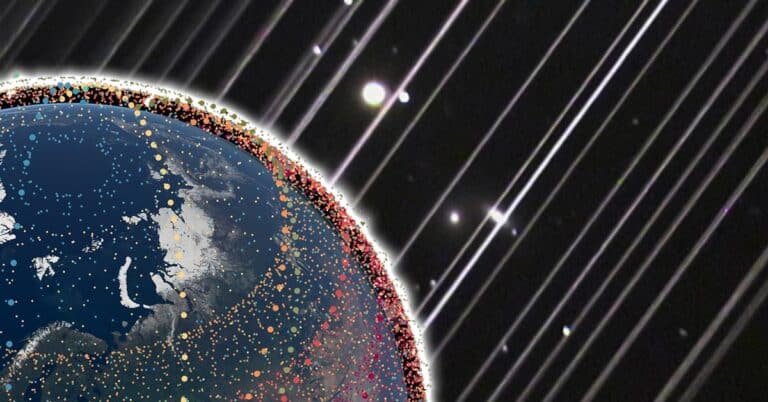
A landmark study from the European Southern Observatory has delivered a stark warning: plans to place more than 1.7 million satellites into Earth's orbit could render ground-based astronomy functionally impossible, permanently altering humanity's view of the cosmos. The peer-reviewed research, led by ESO astronomer Olivier Hainaut and accepted for publication in Astronomy & Astrophysics, is the first to rigorously calculate how proposed mega-constellations — not just in terms of streaks across images, but raw background sky brightness — would degrade scientific observations.
The verdict is unambiguous. Beyond roughly 100,000 satellites in orbit, the researchers conclude, meaningful astronomical observation becomes impossible.
A Sky Transformed Into Suburban Sprawl
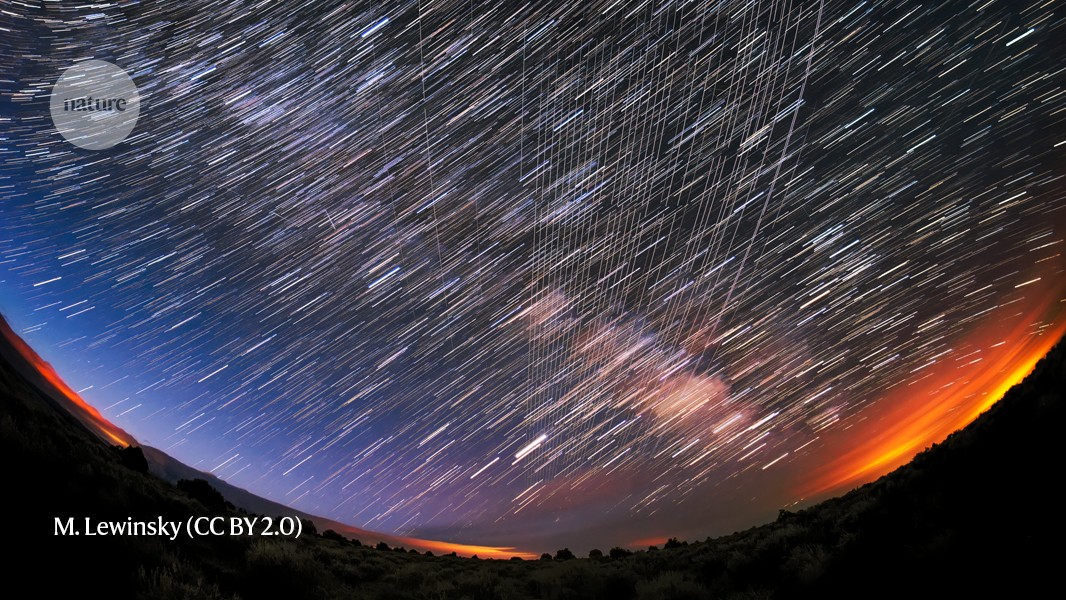
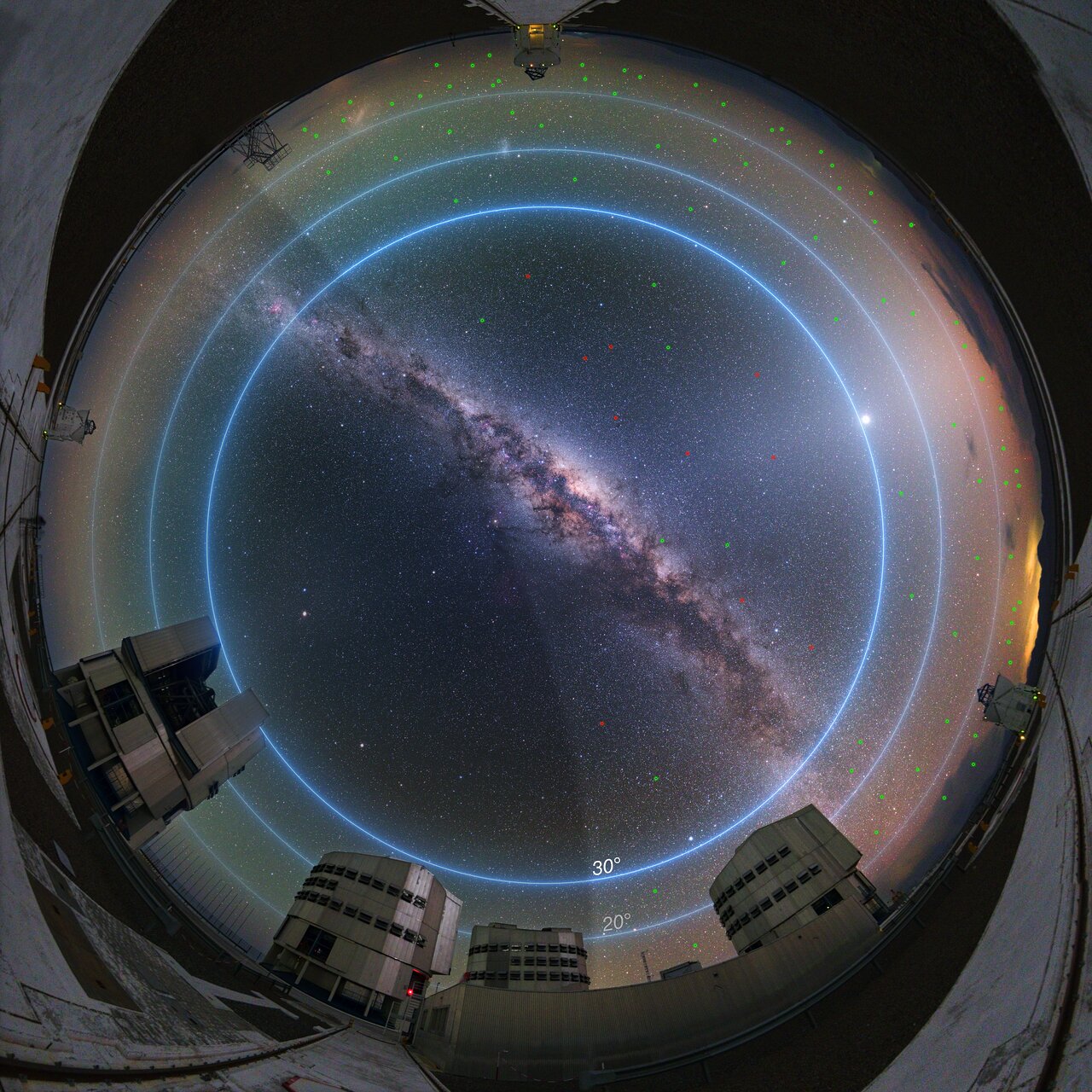
The ESO study's most alarming finding is not about individual satellite trails photobombing telescope images — a problem the industry has acknowledged and partially addressed. It is about cumulative glow. As Phys.org reports, the aggregate brightness from planned constellations would transform the night sky from a pristine scientific instrument into something resembling the washed-out haze above a major city.
The culprit drawing the sharpest scrutiny is Reflect Orbital, a startup that has received FCC approval for an experimental satellite and proposes to eventually launch 50,000 mirror satellites designed to reflect sunlight onto the Earth's surface at night. The ESO study finds this single constellation alone would increase global night sky background brightness by a factor of three to four. When a satellite is shining its reflected beam directly toward an observer, it would appear up to four times brighter than a full moon — and even when not aimed at the observer, it could rival the brightness of Venus.
The consequences for the Vera C. Rubin Observatory, Chile's new flagship facility housing the largest camera ever built for astronomy, would be total. As ESO's official release states, the full Reflect Orbital fleet would render every single image from the Rubin camera unusable. This is not a manageable inconvenience — it is the functional destruction of a multi-billion-dollar scientific instrument before it reaches its operational prime.
The Key Players Reshaping the Orbital Commons
The 1.7 million figure comes directly from filings already registered with the International Telecommunication Union. SpaceX accounts for a large portion of this through a proposed constellation of one million space-based data center satellites — a commercial expansion well beyond its existing Starlink broadband network. Reflect Orbital's 50,000-satellite mirror fleet, while smaller in count, poses a disproportionate optical threat because of its deliberate design to maximize brightness. Both companies are operating legally within current regulatory frameworks that were never designed with cumulative sky-brightness limits in mind.
ESO, which operates some of the world's most powerful telescopes from its facilities in the Chilean Atacama Desert, is not a passive observer. The organization has emerged as the most authoritative scientific voice pushing back on unchecked orbital expansion. The Hainaut-led study represents a calculated escalation — moving from general concern to precise, quantified evidence that regulators and lawmakers cannot easily dismiss. As Forbes reports, the researchers are explicitly calling for a hard cap of 100,000 satellites in Earth's orbit, a limit roughly 17 times lower than current ITU filings.
Why This Matters Beyond Astronomy
The stakes extend far beyond professional stargazers. Ground-based telescope networks are the primary tools used to detect potentially hazardous near-Earth asteroids — the kind of planetary defense mission that requires detecting faint, fast-moving objects against a dark sky. A sky four times brighter is a sky where small, dim, fast-moving threats are harder to find earlier. The same observatories probing for Earth-like exoplanets in distant solar systems — a central question of whether life exists elsewhere — depend on the same dark sky conditions now under threat.
The regulatory vacuum is glaring. No international body currently has authority to set brightness limits on satellites. The ITU coordinates radio spectrum and orbital slots, but has no mandate over optical interference. National regulators like the FCC review individual satellite applications without accounting for cumulative sky impact across all operators. The ESO study, as Gizmodo notes, is as much a call to governance action as it is a scientific paper.
Key Takeaways
- The ESO study is the first to quantify cumulative sky-brightness impact, finding that 1.7 million proposed satellites would make the global night sky up to four times brighter — effectively replicating suburban light pollution worldwide.
- Reflect Orbital's 50,000 mirror satellites pose the single greatest optical threat, with their reflected-sunlight design capable of rendering every Vera C. Rubin Observatory image unusable on their own.
- ESO scientists are calling for a hard cap of 100,000 satellites in Earth's orbit — roughly 17 times fewer than the constellation filings already on record at the ITU.
- No international regulatory framework currently governs satellite brightness, leaving planetary defense, exoplanet research, and fundamental astronomy exposed to commercial expansion decisions made without scientific input.
Sources:
- ESO Official Release: "Beyond the limit"
- Phys.org: Planned 1.7 million satellites 'devastating' for astronomy
- Forbes: 1.7 Million Satellites Will Have 'Devastating Consequences,' Study Says
- Gizmodo: ESO Study Finds That No More Than 100,000 Satellites Should Orbit Earth
- Open Access Government: ESO study warns 1.7 million planned satellites pose existential threat
- Euronews: Planned 1.7 million satellites 'devastating' for astronomy