Euclid Space Telescope Unveils Detailed Dark Matter Maps: A New Era in Cosmology
Today, Saturday, August 1, 2026, marks a significant milestone in cosmological research as an international team of scientists unveils detailed maps of dark matter distribution using the Euclid space telescope. The release of these unprecedented images offers deep insights into the evolution of cosmic structures and challenges our understanding of fundamental physics.
Overview
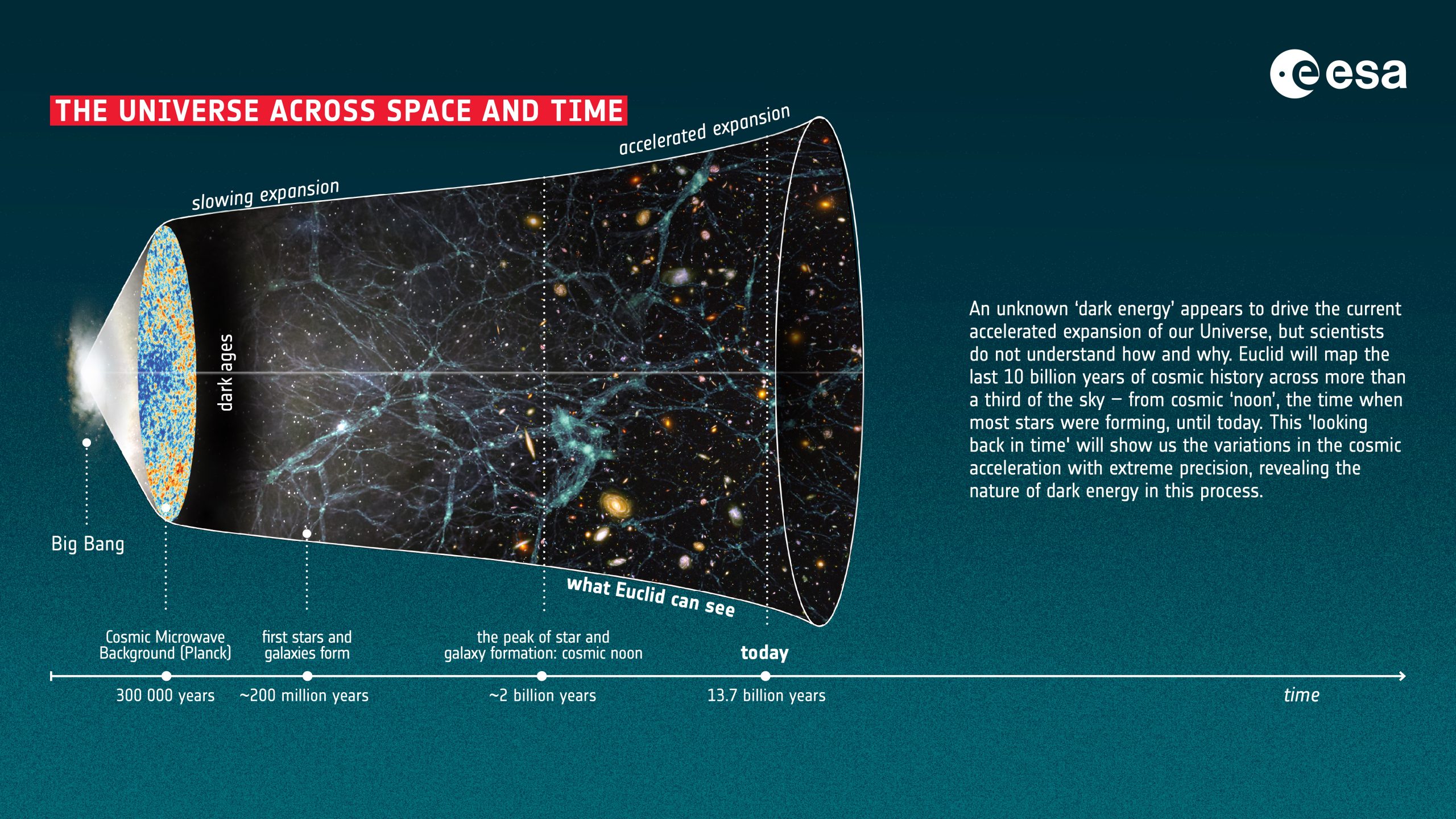
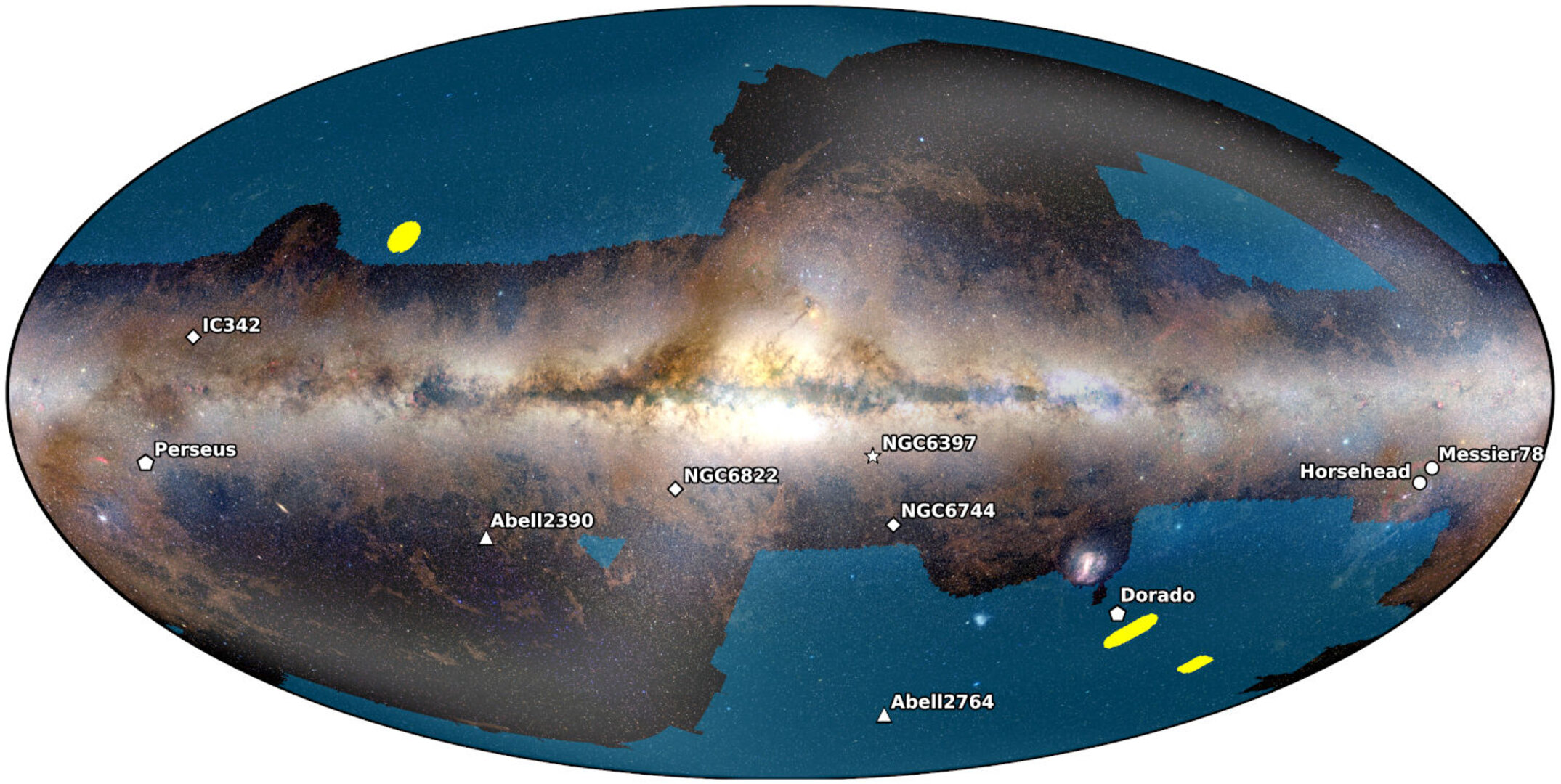
The Euclid Space Telescope, launched by the European Space Agency (ESA) in 2023, has been capturing data on a billion galaxies across one-third of the sky [1]. Its primary mission is to investigate dark energy and dark matter through weak gravitational lensing and galaxy clustering. The telescope's first results presented on this day provide an unprecedented view into the universe’s hidden fabric.
Key Players
Euclid Consortium
- Yannick Mellier: Lead scientist of the Euclid Consortium, responsible for overseeing the scientific objectives and instrument performance.
- ESA Scientists and Engineers: A diverse team contributing to the design, launch, and operation of the telescope [2].
Collaborating Institutions
- University of California, Berkeley
- Max Planck Institute for Extraterrestrial Physics (Germany)
- NASA Goddard Space Flight Center
Data and Evidence
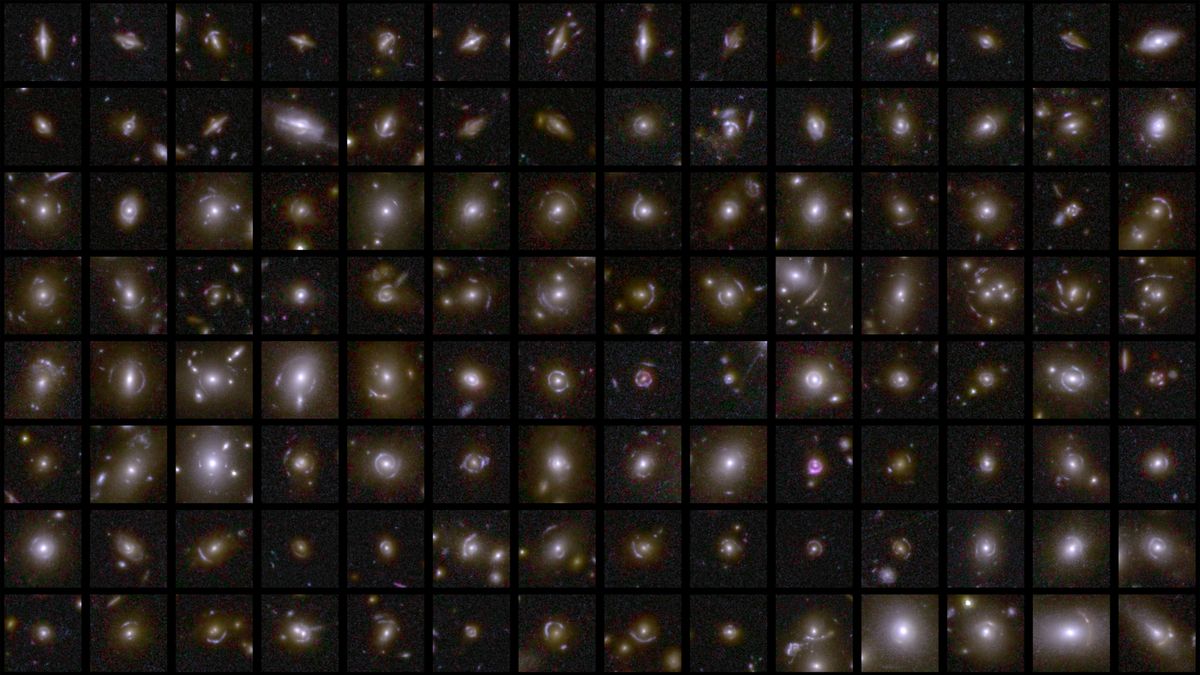
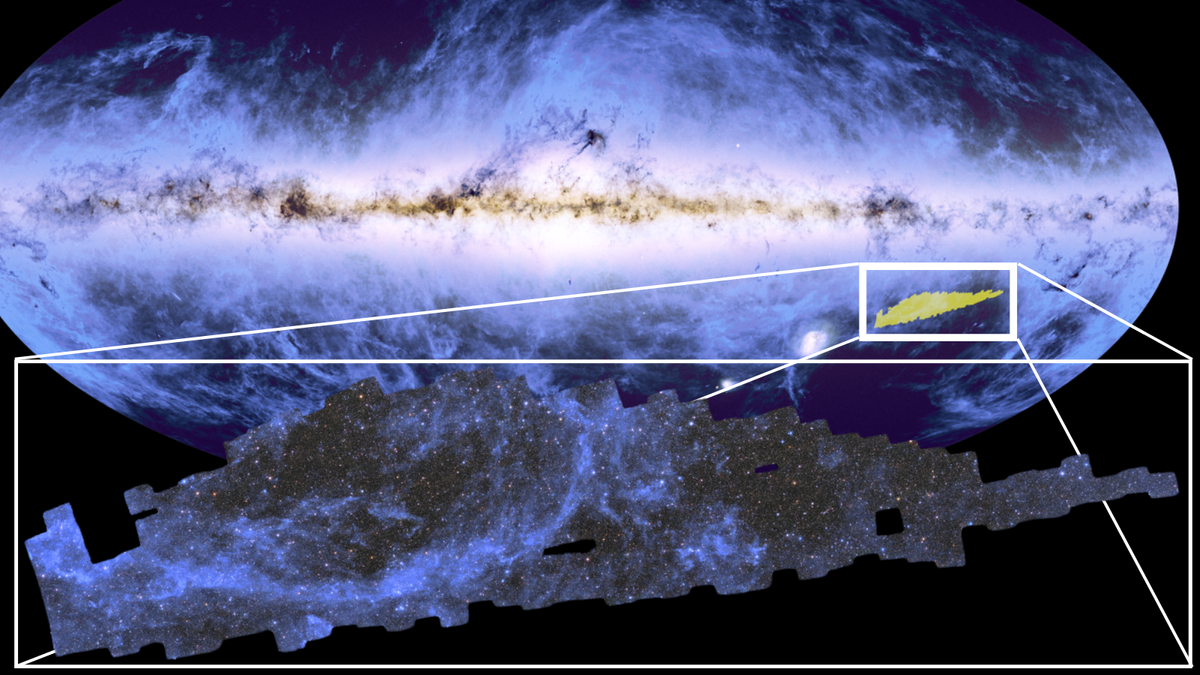
The Euclid space telescope's first images showcase not only its technical prowess but also provide a treasure trove of new information about the nearby universe. Each image captures vast areas of the sky with high-resolution detail, enabling scientists to study the distribution of matter across cosmic scales.
Images and Videos
- The initial data release includes a series of stunning images revealing intricate patterns in dark matter clusters [4].
- These visualizations are based on extensive surveys that cover large portions of the sky up to redshift 2, allowing researchers to trace the evolution of cosmic structures over billions of years [5].
Publications and Papers
- The Euclid Consortium is preparing a series of scientific papers for publication in the journal Astronomy & Astrophysics [4].
- These publications will delve into the detailed analysis of Euclid’s observations, providing rigorous interpretations of dark matter dynamics and its role in cosmic evolution.
Expert Reactions
Yannick Mellier
"Euclid is not only a detector for the dark universe; it's also a time machine. With these initial results, we can look back 10 billion years into the history of our cosmos [4]."
Dr. Jennifer Lotz (NASA Goddard Space Flight Center)
"This groundbreaking data from Euclid is crucial for advancing our understanding of dark energy and its effect on cosmic expansion [2]. The precision with which we are now able to measure these phenomena opens new avenues for cosmological research."
Prof. Joachim Wambsganss (University of Heidelberg)
"The detailed maps provided by Euclid offer a unique opportunity to test models of structure formation in the universe, potentially uncovering deviations from standard cold dark matter predictions [2]."
Broader Implications
Dark Energy and Cosmological Constants
- The findings from Euclid could help resolve long-standing debates about the nature of dark energy. If confirmed, the evolving equation of state (w ≠ -1) would revolutionize our understanding of cosmic acceleration [1].
- Detailed measurements of weak gravitational lensing will provide stringent constraints on cosmological parameters and may hint at new physics beyond current models.
Dark Matter Properties
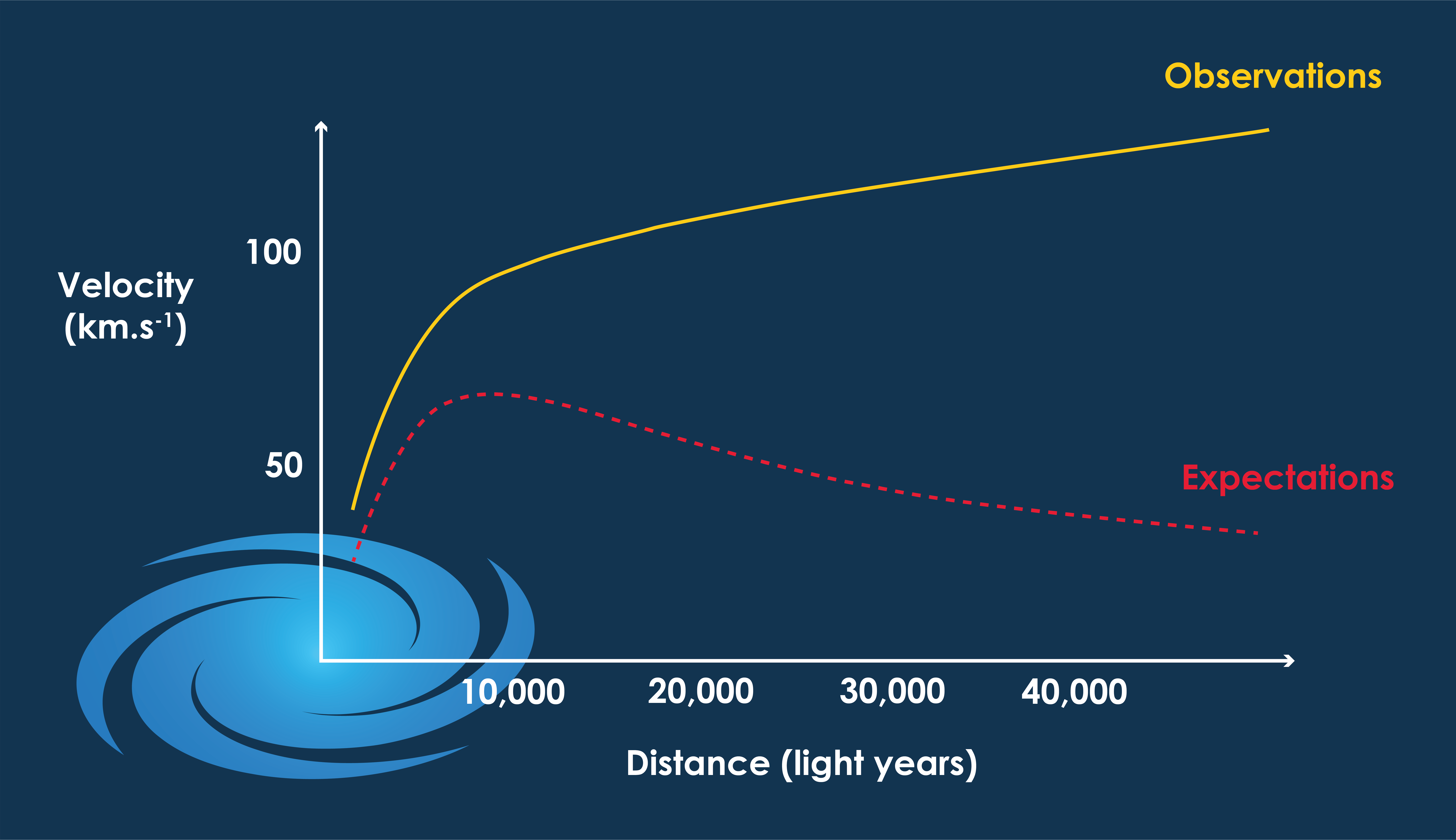
- Euclid’s data promises to shed light on whether dark matter is truly cold (CDM) or exhibits some degree of warmth or self-interaction. The precision offered by the telescope's instruments could lead to significant advancements in our understanding of particle physics [2].
- Constraints on dark matter properties will also have implications for direct detection experiments and theoretical frameworks, including models of ultralight axions and sterile neutrinos.
Future Observations
- The upcoming Large Synoptic Survey Telescope (LSST) and other next-generation surveys are expected to build upon Euclid’s results by mapping the universe in even greater detail [3].
- These future missions will further refine our measurements of dark energy, dark matter, and cosmic structure evolution, potentially revealing new insights into fundamental physical laws.
Key Takeaways
- Revolutionary Data Release: The initial images from Euclid offer unparalleled views of dark matter distribution across the universe.
- Challenging Conventional Models: These findings could challenge existing models of dark energy and dark matter properties, opening up new areas for investigation in cosmology.
- Time Machine Capabilities: With its ability to observe billions of years into cosmic history, Euclid acts as a unique tool for studying the evolution of structures in our universe.
- Future Missions Synergy: The data from Euclid sets the stage for upcoming surveys like LSST, ensuring a continuous advancement in precision cosmology and dark matter research.
- Interdisciplinary Impact: Insights gained from these observations will have far-reaching implications across astrophysics, particle physics, and theoretical frameworks.