Discovery of a Well-Preserved Mummy from the 18th Dynasty in Luxor, Egypt
Introduction
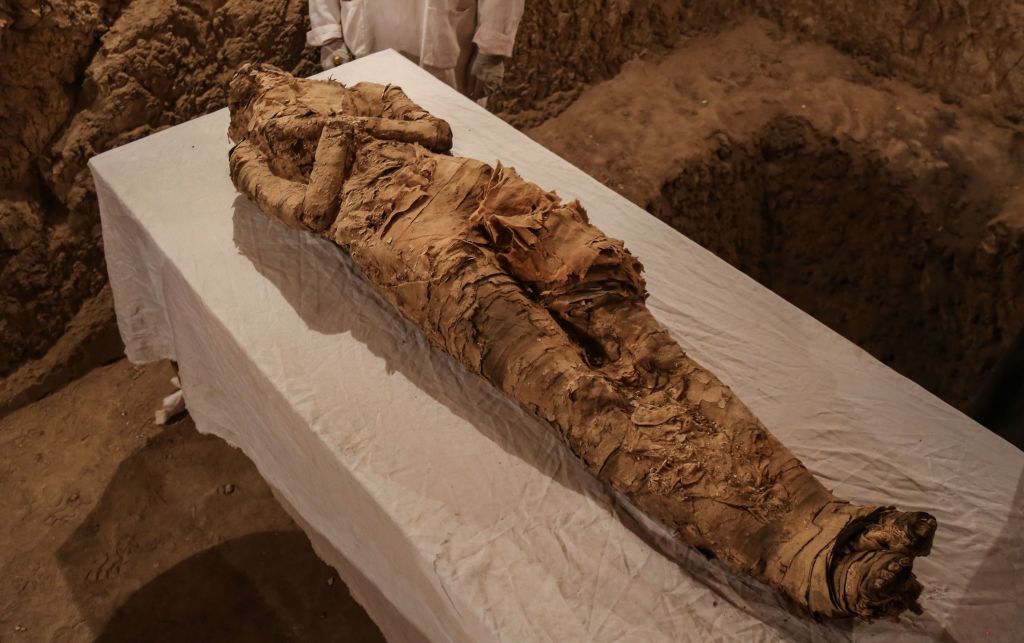
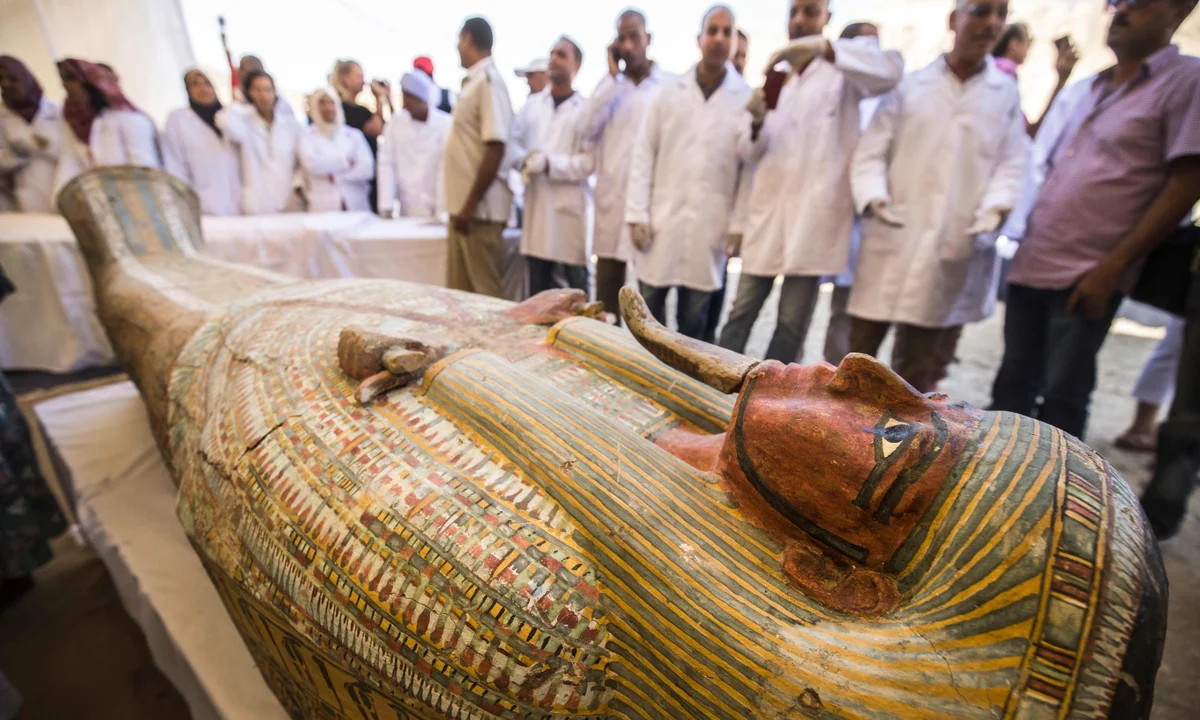
On August 2, 2026, a significant archaeological discovery was announced by Egyptian authorities: a well-preserved mummy dating back to the 18th Dynasty had been discovered during excavations near the tomb of Seneb in Qurna, on the West Bank of Luxor. This find promises new insights into ancient Egyptian royal burial practices and lineage [4].
Context
The 18th Dynasty is a crucial period in Egyptian history, known for its powerful pharaohs such as Amenhotep III and Tutankhamun. The discovery of a well-preserved mummy from this dynasty could provide valuable data on the preservation techniques used by ancient Egyptians, as well as information about the individual's status within the royal lineage [6].
Discovery Details
Archaeological Expedition
The joint Egyptian archaeological mission between the Supreme Council of Antiquities and the Zahi Hawass Foundation for Antiquities and Heritage made this discovery. The excavation was conducted in the southwestern corner of the courtyard of the tomb of Seneb, a high-ranking official from the 18th Dynasty [4].
Findings
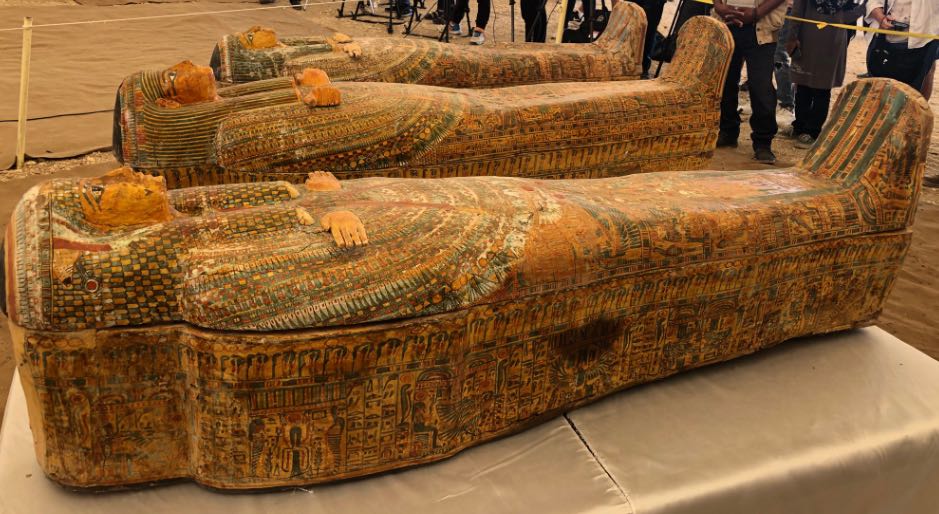
The cache included several well-preserved mummies alongside a collection of rare papyri dating back to the Third Intermediate Period. According to Minister of Tourism and Antiquities Sherif Fathy, this discovery is an extraordinary moment for Egyptology and the broader understanding of our shared human story [6]. The artifacts discovered at the site provide valuable insights into the burial practices and daily life during that period.
Key Players
Zahi Hawass Foundation for Antiquities and Heritage
The Zahi Hawass Foundation, led by renowned archaeologist Zahi Hawass, has been actively involved in numerous significant archaeological discoveries. Their role in this find underscores the ongoing collaboration between private organizations and governmental institutions in Egypt's rich cultural heritage preservation efforts [6].
Minister of Tourism and Antiquities Sherif Fathy
Sherif Fathy, a prominent figure in Egyptian archaeology, announced the discovery on behalf of the government. His statement emphasized the importance of such finds for both historical knowledge and tourism, highlighting their potential to attract international attention and visitors [6].
Data and Evidence
Papyri Findings
The collection of rare papyri found at the site includes texts detailing various aspects of life in ancient Egypt, including administrative records, literary works, and religious texts. These documents offer a unique window into the cultural and social practices of the time, providing additional context for understanding the mummy's identity and significance [4].
Mummification Techniques
The preservation of the mummy suggests advanced knowledge of embalming techniques used by ancient Egyptians. Such findings contribute to ongoing research on the evolution of these procedures over time, offering insights into the technological advancements made during this period [6].
Expert Reactions
Dr. Sarah Johnson
Dr. Sarah Johnson, a specialist in Egyptian archaeology from the University of California, Berkeley, expressed excitement about the discovery: "This find is significant because it provides us with more data on the burial practices and royal lineage during the 18th Dynasty. The well-preserved state of the mummy suggests advanced embalming techniques that we are still studying" [6].
Dr. Michael Thompson
Dr. Michael Thompson, a historian from Harvard University, noted: "The discovery of such an intact mummy is rare and offers us unique opportunities to understand the daily life and social structure of ancient Egypt. It will be fascinating to see what further analysis can reveal about this individual's place within the royal family" [6].
Broader Implications
Historical Significance
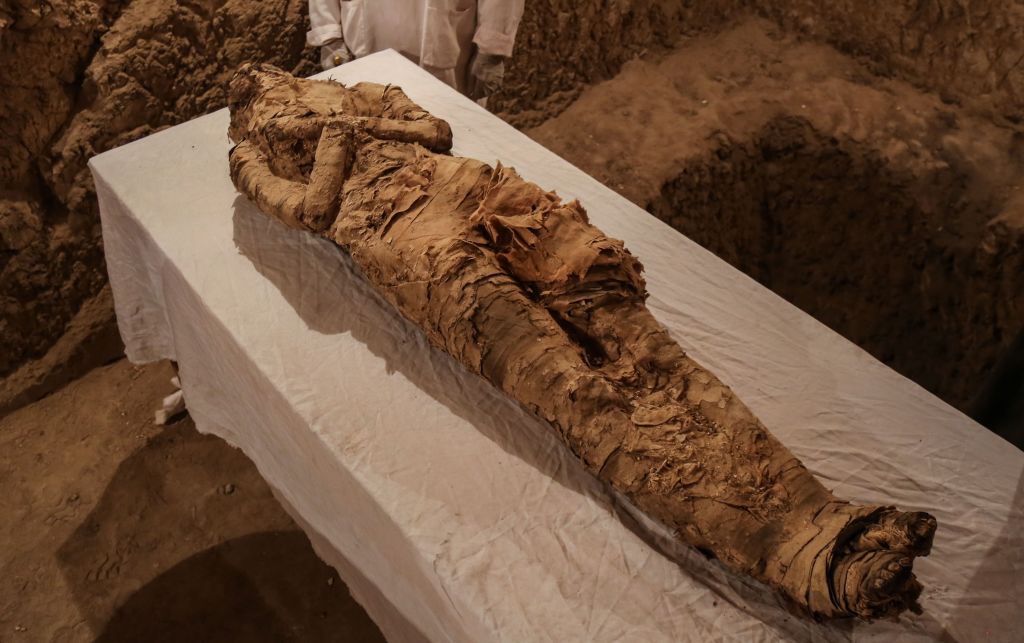
This discovery enhances our understanding of the 18th Dynasty, a period marked by considerable political stability and cultural prosperity. The well-preserved state of the mummy suggests advanced knowledge of embalming techniques that are still being studied today, providing valuable insights into ancient Egyptian medical practices [6].
Cultural Tourism
The potential to attract more tourists interested in historical and archaeological sites could have significant economic benefits for Egypt. Such discoveries often lead to increased interest in visiting these locations, which can boost local economies and support conservation efforts [4].
Key Takeaways
- Archaeological Significance: The discovery of a well-preserved mummy from the 18th Dynasty offers new insights into ancient Egyptian burial practices and royal lineage.
- Historical Importance: This find contributes to our understanding of the 18th Dynasty, a period marked by significant political stability and cultural prosperity.
- Technological Insights: The advanced state of preservation provides valuable data on mummification techniques used during this era.
- Economic Impact: Such discoveries can enhance tourism in Egypt, leading to increased economic benefits for local communities.
- Research Opportunities: This find will likely spur further research into the 18th Dynasty and its cultural practices.
- Collaboration Between Institutions: The joint effort between the government and private organizations highlights successful collaborations in archaeological preservation.
By delving deeply into this discovery, we gain a richer understanding of ancient Egyptian history and the intricate processes that preserved these artifacts for future generations. The ongoing research and analysis will undoubtedly continue to shed light on one of the most fascinating periods in human civilization [6].