Wiring the Mind: Inside Neuralink's Human Brain Chip Trials and the Century-Long Quest to Merge Humans with Machines
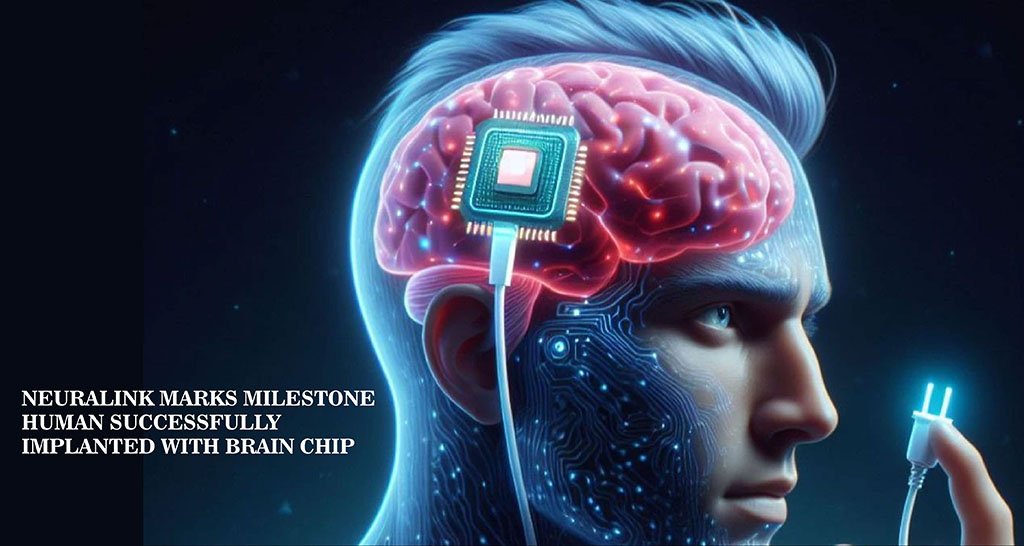
On January 29, 2024, a surgical robot drilled a precise circular hole into the skull of Noland Arbaugh, a 29-year-old man paralyzed from the shoulders down following a diving accident eight years earlier. Over the next few hours, the robot threaded sixty-four hair-thin electrodes — each finer than a human hair — into the surface of his motor cortex, embedding 1,024 sensors into living brain tissue with a precision no human surgeon could match. The procedure took roughly two hours. Recovery took a day. Within weeks, Arbaugh was moving a computer cursor with nothing but his thoughts, playing chess online, and setting world records in a video game — feats accomplished entirely through the silent firing of neurons translated in real time into digital commands.
This was Neuralink's first confirmed human trial. But calling it simply Elon Musk's brain chip company beginning human trials — as most headlines did — collapses nearly a century of neuroscience, decades of ethical debate, competing technological paradigms, and one of the most consequential philosophical questions in human history into a single breathless sentence. What actually happened on that January morning was the culmination of a lineage stretching from Hans Berger's first electroencephalograph recordings in 1924, through José Delgado's remote-controlled bull, through Matthew Nagle's pixelated TV cursor, and into a future whose contours remain hotly contested among neuroscientists, ethicists, disability rights advocates, and transhumanist philosophers alike.
This is the story behind the story.
The Long Prehistory: How We Got to a Brain Chip
Hans Berger and the Electrical Brain
The idea that the brain produces measurable electrical signals — now so obvious it underpins an entire medical specialty — was itself considered preposterous in the early twentieth century. Hans Berger, a German psychiatrist working in Jena, spent much of the 1920s recording electrical activity from the human scalp using a primitive galvanometer. His 1929 paper introducing the electroencephalograph (EEG) was initially met with skepticism bordering on ridicule. When the Cambridge physiologist Edgar Adrian independently confirmed Berger's findings in 1934, the field of electrophysiology was born in earnest.
EEG remains the non-invasive gold standard for measuring brain rhythms today, but it has a fundamental limitation: the skull and scalp act as biological low-pass filters, smearing and attenuating signals. EEG can detect that you are thinking; it struggles to tell you what you are thinking with any spatial resolution. This constraint set the stage for a century-long tension between non-invasive and invasive approaches to reading the brain.
Delgado's Provocations
No figure better illustrates both the promise and the horror of early brain-computer interface research than José Manuel Rodríguez Delgado, a Spanish-American neuroscientist at Yale who spent the 1950s and 1960s developing what he called the "stimoceiver" — a radio-controlled device that could both record neural signals and deliver electrical stimulation to specific brain regions.
His most famous demonstration came in 1963 in a bullring in Córdoba, Spain. Delgado stood in the ring as a fighting bull charged. He pressed a button on a handheld radio transmitter. The bull stopped mid-charge. A stimoceiver implanted in the bull's caudate nucleus had interrupted the motor program driving the charge, redirecting the animal into a slow left turn. Delgado called this "inhibitory conditioning." Others saw something more unsettling.
Delgado went further, demonstrating that stimulating particular brain regions in human patients (who had implants for legitimate medical reasons, primarily epilepsy treatment) could produce specific memories, emotions, and even personality alterations. One patient, stimulated in a particular limbic region, developed intense feelings of love for the interviewer. Another could be made to feel profound sadness. These experiments raised questions that have never been fully resolved: Where does the brain end and the self begin? If electrical current can create a feeling of love, what does that say about love's authenticity? Delgado, for his part, was an optimist — he believed his work pointed toward a "psychocivilized society" in which destructive impulses could be modulated neurologically. Critics, from libertarians to Marxist theorists, found this vision dystopian.
His 1969 book, Physical Control of the Mind: Toward a Psychocivilized Society, became a kind of foundational text for debates about neurotechnology ethics that continue to this day.
The Utah Array and the BrainGate Era
The modern era of high-density intracortical recording begins with the Utah Array, developed at the University of Utah in the 1990s by Richard Normann and colleagues. A 10x10 grid of silicon needles, each 1.5 millimeters long, the Utah Array could record from approximately 100 neurons simultaneously — an order-of-magnitude improvement over anything that came before.
Matthew Nagle, a 25-year-old Massachusetts man paralyzed from the neck down after a stabbing attack, became the first human to receive a Utah Array implant in 2004, as part of the BrainGate clinical trial run by John Donoghue at Brown University. Within days, Nagle could move a computer cursor, play a simple video game, control a television, and open and close a prosthetic hand — all through neural signals recorded from his motor cortex. The signals were decoded by a bedside computer the size of a refrigerator.
BrainGate's clinical findings, published in Nature in 2006, were transformative. But they also revealed the fundamental biological problem that would haunt every implantable electrode system for the next two decades: the foreign body response.
The Foreign Body Problem
When any object — regardless of how carefully engineered — is implanted in brain tissue, the brain responds. Microglia, the brain's immune cells, migrate to surround the foreign object. Astrocytes form a glial scar. Over weeks and months, this scar tissue accumulates around the electrode tips, increasing the impedance of the recording interface and degrading signal quality. Neurons that were once within recording range migrate away. Within one to two years, most Utah Array implants show significant signal degradation. Some stop working almost entirely.
This biocompatibility challenge has shaped the entire field. Different research groups have taken radically different approaches to solving it, and the divergence between those approaches reflects genuine scientific disagreement about the fundamental nature of the problem.
One school of thought, represented by researchers like Takashi Kozai at the University of Pittsburgh, argues that the problem is primarily mechanical: the brain is a soft, pulsatile tissue that moves slightly with every heartbeat and every head movement, while silicon or metal electrodes are rigid. This mechanical mismatch creates chronic micromotion damage at the electrode-tissue interface. The solution, in this view, is to make electrodes softer and more flexible — ideally matching the mechanical properties of brain tissue itself. This has led to work on polymer-based electrodes, hydrogel coatings, and even injectable mesh electronics.
Another school, associated with researchers like Loren Frank at UCSF, focuses on the biochemical cascade: the initial implantation trauma triggers inflammatory signaling that then propagates even after the physical damage stops. In this view, coating electrodes with anti-inflammatory agents or engineering immune-evasive surfaces could solve the problem even with relatively rigid probes.
Neuralink's solution represents a third approach: use an extreme number of very small, very flexible electrodes. If individual electrodes fail, enough remain functional that the overall system continues to work. The company also uses a surgical robot to implant electrodes with sub-micron precision, minimizing initial trauma. This is a pragmatic, engineering-heavy response to a biological problem — consistent with the company's Silicon Valley origins.
What Neuralink Actually Is, and How It Works
The Company's Founding and Stated Mission
Neuralink was founded in 2016 by Elon Musk along with seven co-founders, most of them trained neuroscientists: Max Hodak (later departed), Ben Rapoport (later departed), Dongjin Seo, Matthew MacDougall (who would become the lead surgical neurosurgeon on the first human trials), Paul Merolla (who had previously worked on IBM's neuromorphic TrueNorth chip), Tim Hanson, and Flip Sabes. The convergence of a tech entrepreneur famous for aggressive timelines and legitimate neuroscientists gave the company an unusual DNA: high ambition, real scientific grounding, and a tendency to overpromise on timing.
Musk's stated motivation for founding Neuralink was, in his framing, existential. He has argued publicly and at length that artificial general intelligence poses an existential threat to humanity unless humans can meaningfully "merge" with AI — increasing the bandwidth of the human-machine interface from the current bottleneck of keyboards and touchscreens to something approaching the data throughput of the brain itself. This is not a position unique to Musk; variants of it appear in the work of Ray Kurzweil and in philosopher Nick Bostrom's analysis of the AI control problem, though Musk has pushed this framing more publicly and provocatively than most.
The company's more immediate, stated therapeutic goal — helping people with paralysis communicate and interact with the world — exists in some tension with the longer-term enhancement vision, and this tension has generated significant ethical commentary.
The N1 Implant: Technical Specifications
The device implanted in Noland Arbaugh — referred to as the "N1 implant" or simply "the Link" — is, by any engineering measure, a remarkable piece of hardware.
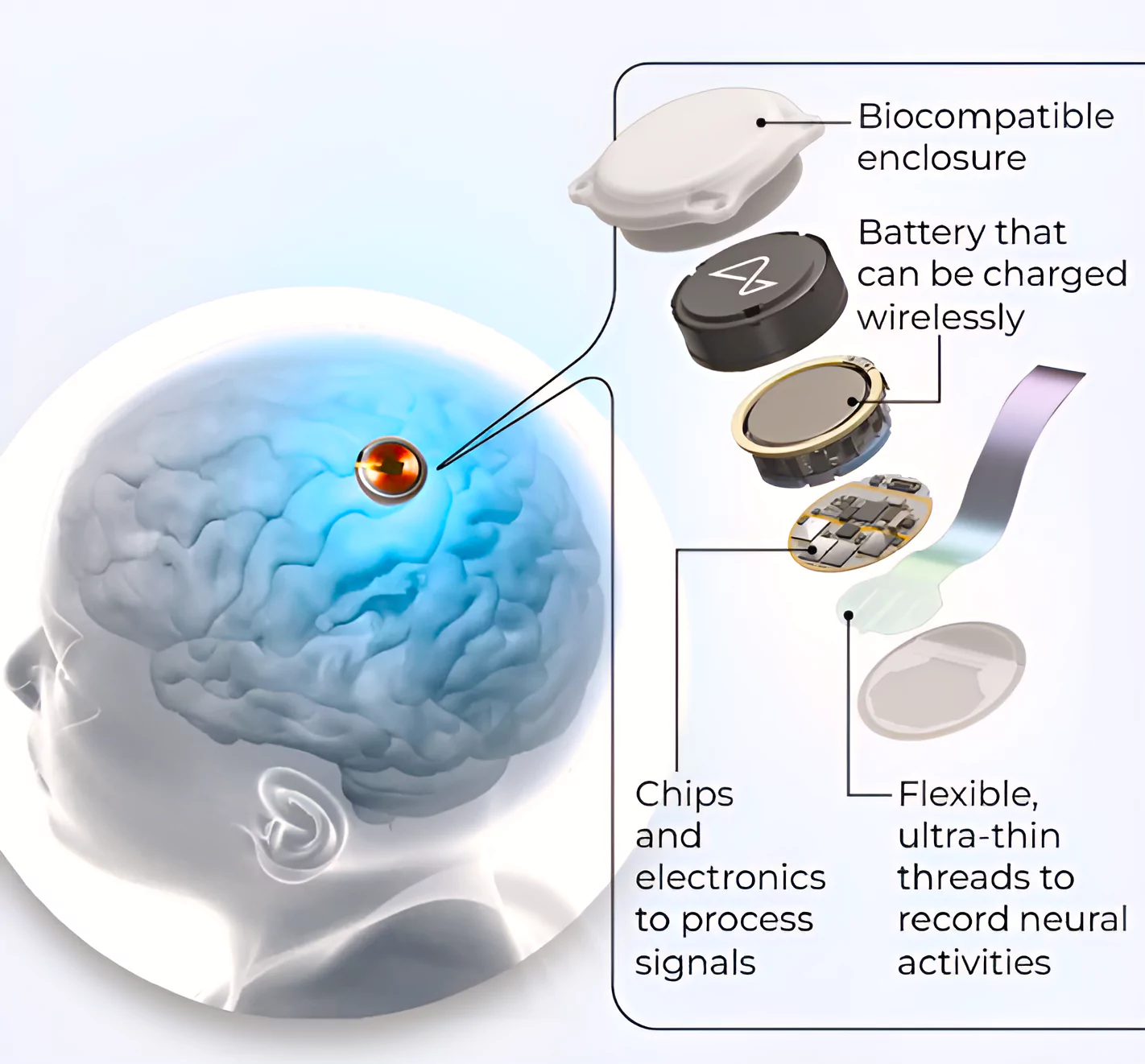
It contains a custom ASIC (Application-Specific Integrated Circuit) housed in a hermetically sealed titanium case approximately the size of a large coin (about 23mm in diameter). This case sits flush with the skull, replacing the section of bone removed during surgery, so that no component protrudes above the scalp surface. There is no external hardware visible after surgery.
From this case extend 64 polymer threads, each between 5 and 10 micrometers in diameter — comparable to a human hair, which ranges from 17 to 180 micrometers. Each thread carries 16 electrodes, for a total of 1,024 recording sites. For comparison, the Utah Array has 100 recording sites; standard clinical DBS (deep brain stimulation) electrodes have 4-8. The density of Neuralink's recording array represents roughly a tenfold increase over previous clinical devices.
The chip samples neural signals at 20 kHz per channel, performs on-chip signal processing including amplification and spike detection, and transmits data wirelessly via a modified Bluetooth Low Energy protocol. It charges inductively through the skin using a wearable charging unit worn briefly each day, like a smartwatch. The entire system — from neurons to computer commands — operates with a latency that Neuralink reports as approximately 10 milliseconds, which is fast enough to feel natural to a user.
The R1 Surgical Robot
Perhaps as interesting as the chip itself is the robot that implants it. Human neurosurgeons, working by hand, cannot reliably insert electrodes of the diameter and flexibility that Neuralink uses. The threads are so fine they would buckle under insertion force from a human hand. The R1 robot, developed internally, addresses this by threading electrodes into brain tissue with a sewing-machine-like motion at speeds and precisions that exceed human capability. It also uses machine vision to identify and avoid surface blood vessels, reducing the microhemorrhages that contribute to the initial inflammatory response.
Matthew MacDougall, Neuralink's neurosurgery lead, has described the robot as performing the surgery with a precision measured in microns — orders of magnitude finer than the millimeter-scale precision of the best human neurosurgeons. The implication is that the quality of the implant (and therefore the longevity of the device) may be as much a function of the insertion tool as the electrode materials themselves.
The First Human Trials: What We Know
PRIME: The Study Design
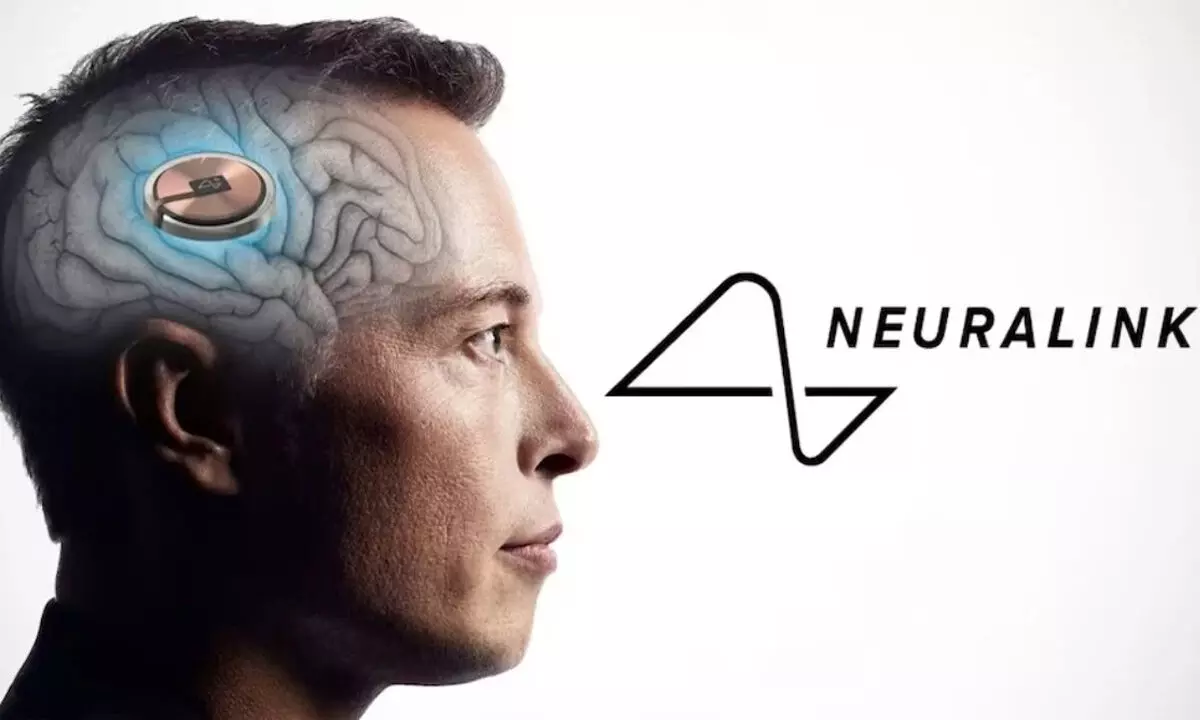
Neuralink received FDA breakthrough device designation in 2023 — a fast-track status that indicates the FDA believes the device may provide a more effective treatment for a life-threatening or irreversible condition than currently available options. The human trial, named PRIME (Precise Robotically Implanted Brain-Computer Interface), was approved for a cohort of patients with ALS (amyotrophic lateral sclerosis) or quadriplegia due to cervical spinal cord injury, with the endpoint focused on "the safety of the implant and the surgical robot and the initial functionality" of the device for computer control.
The trial's primary endpoint was safety, not efficacy — meaning the principal goal was to demonstrate that the implant doesn't cause unacceptable harm, not to optimize brain control performance. This is standard for Phase 1 device trials.
Noland Arbaugh: The First Patient
Noland Arbaugh was paralyzed in 2016 at age 22 following a diving accident that severed his spinal cord at the C4-C5 level, leaving him without use of his hands or legs. He received the Neuralink implant on January 29, 2024, and publicly discussed his experience in a livestreamed demonstration on March 20, 2024.
In that demonstration, Arbaugh lay in bed, stared at a laptop screen, and moved the cursor across the screen — slowly at first, then with increasing fluidity. He played the strategy game Civilization VI for hours at a stretch; he played chess online. He reported that using the device felt like "using the Force" and that the learning curve had been surprisingly gentle.
Arbaugh's reported quality-of-life improvements were significant and emotionally striking. Before the implant, he could only interact with computers through eye-tracking technology, which is sensitive to head position and light conditions. The Neuralink interface, he said, gave him a freedom and accuracy he had not experienced in eight years.
The Thread Retraction Problem
In May 2024, Neuralink disclosed a complication: a significant fraction of the electrode threads had retracted from the brain tissue in the weeks following surgery. Thread retraction — the physical withdrawal of flexible electrode threads from the cortex — reduced the number of functioning electrodes and thereby degraded the signal quality and cursor control performance.
This was not an unexpected failure mode in the engineering sense; thread retraction is a known phenomenon in flexible neural probes, driven by the same micromotion forces that cause mechanical damage over time. What made it notable was the extent of retraction — Neuralink did not disclose the exact percentage of threads affected, saying only that it was "a number" that had impacted performance — and the fact that this complication had not been prominently discussed in pre-trial communications.
Neuralink's response was instructive: rather than declaring failure, the company's engineers adjusted the signal decoding algorithms, compensating for the reduced electrode count by making more efficient use of the remaining active channels. Arbaugh reported that performance recovered and eventually surpassed his initial post-surgery capabilities, as the algorithms improved through machine learning on his specific neural patterns.
This episode illustrates a central dynamic of the field: the intersection of hardware limitations and software compensation. Neural decoding is not passive signal reading; it is an active inference process, and sophisticated machine learning can extract more information from fewer electrodes as it accumulates more training data. This creates a counterintuitive situation where the system can improve even as the hardware degrades, up to a point.
The Second and Third Patients
Neuralink confirmed a second human implant in 2024, though the company disclosed far fewer details about this patient than about Arbaugh, citing privacy considerations. Reports indicated that the second patient also had ALS. A third patient implantation was also reported by late 2024. As of early 2025, Neuralink was operating under FDA clearance to expand the trial to a small cohort of additional patients.
Competing Paradigms: The Landscape of Brain-Computer Interfaces
Neuralink is neither the first nor the only serious player in the BCI space. Understanding the broader competitive and scientific landscape reveals that Neuralink represents one specific bet — high-density invasive recording — among a genuinely contested set of alternatives.
Synchron and the Endovascular Approach
The most direct clinical competitor to Neuralink is Synchron, an Australian-American company that has developed the Stentrode — a device inserted not through a hole in the skull but through a blood vessel. Interventional neuroradiologists thread the Stentrode through the jugular vein and up into the superior sagittal sinus, a large venous channel that runs along the top of the brain. Once there, the device — a small stent with electrodes on its surface — expands to contact the vessel wall, recording field potentials from neurons in the adjacent cortex.
The Stentrode's signal quality is substantially lower than intracortical electrodes because it records from outside the blood vessel wall, separated from neurons by multiple tissue layers. But the procedure requires no craniotomy, no robotics, no general anesthesia in most cases. Recovery is measured in days rather than weeks. The foreign body response, while still present, is attenuated because the endovascular environment is less immunologically reactive than brain parenchyma.
Synchron's first human trial in the United States began in 2022, predating Neuralink's FDA clearance for human trials by approximately a year. Their first American patient, a man with ALS named Mark, received the Stentrode and subsequently used it to control a computer, send emails, and operate an iPhone. Synchron has positioned itself explicitly as the less-invasive alternative: "same therapy, less surgery."
The tradeoff is fundamental: Synchron trades signal quality for procedural safety. Whether that tradeoff is correct depends on what applications you want to enable. For basic cursor control and communication in ALS patients, Synchron's signal quality may be sufficient. For finer-grained motor control — restoring the ability to play a musical instrument, type quickly, or modulate prosthetic limb movements with natural dexterity — intracortical recording likely provides the necessary resolution.
Precision Neuroscience and Cortical Surface Arrays
Precision Neuroscience, founded by former Neuralink co-founder Benjamin Rapoport, is developing a device called the Layer 7 Cortical Interface — a thin film array that sits on the surface of the cortex (the electrocorticography, or ECoG, approach) rather than penetrating into it. ECoG arrays sacrifice signal resolution relative to intracortical recording but avoid the penetration trauma and associated inflammatory response entirely.
Precision's approach has a specific tactical advantage: their device can be placed temporarily during already-planned neurosurgeries (such as epilepsy surgeries, where surgeons are already performing craniotomies) to collect data without additional risk to patients. This allows them to accumulate human neuroscience data without needing a dedicated trial for the device itself — a clever regulatory and scientific strategy.
Blackrock Neurotech and the Clinical Incumbent
Blackrock Neurotech has been commercializing Utah Array-based BCIs for the longest of any company, with clinical implants dating back to the BrainGate trials. Their long track record gives them an unparalleled dataset on long-term device performance in human patients — including, critically, data on failure modes and the real-world durability of chronic implants over years rather than months.
Blackrock's experience with multi-year implant data reveals a sobering picture: signal quality typically peaks in the first weeks to months post-implantation and then degrades progressively. Some patients have retained usable BCI function for several years; others have not. The longest functioning Utah Array implant at the time of writing has been in place for roughly a decade, in the hand of a patient at the University of Pittsburgh, though with substantially degraded signal quality compared to initial performance.
Non-Invasive Systems: Prometheus, Neurosity, and the Consumer BCI Space
At the opposite end of the invasiveness spectrum, a proliferation of consumer-grade EEG headsets and functional near-infrared spectroscopy (fNIRS) devices has developed. Companies like Neurosity and NextMind (acquired by Snap) have marketed headsets for meditation monitoring, focus tracking, and rudimentary thought-to-computer interfaces.
These devices are real in the sense that they measure genuine physiological signals, but their capabilities are radically more limited than invasive BCIs. They can detect coarse mental states (attention, relaxation, cognitive load) and in some limited cases decode simple mental imagery (imagining left vs. right hand movement), but they cannot achieve the cursor-control fidelity, the signal-to-noise ratio, or the learning speed of intracortical arrays. The resolution gulf between non-invasive and invasive BCIs is not a software problem; it is a physics problem set by the attenuation and diffusion of signals through skull and scalp.
The Ethics of Brain Hacking: Contested Terrain
No domain of technology research carries a more complex ethical burden than direct neural interfaces. The stakes are uniquely high because BCIs interact not with behavior or output, but with the organ that generates identity itself.
The Informed Consent Problem
Clinical trials for BCIs face an informed consent challenge that is qualitatively different from other medical device trials. Participants are typically people with severe neurological conditions — quadriplegia, ALS, locked-in syndrome — who have few or no other options for restoring lost function. The desperation created by their condition may compromise the voluntariness of consent. When a person has no alternative means of meaningful communication, being told that a brain implant might restore some communication capacity creates a coercive dynamic that no amount of careful consent documentation can fully neutralize.
Neuroethicist Joseph Fins at Weill Cornell Medicine has written extensively about this problem in the context of BCI research. Fins argues that the concept of "decisional capacity" — the legal and ethical standard for consent — becomes ethically fraught when applied to people who are severely cognitively or communicatively impaired, and also when the device being offered might itself alter cognition or personality. His 2015 book Rights Come to Mind: Brain Injury, Ethics, and the Struggle for Consciousness remains a foundational text in the field.
For Neuralink's PRIME trial specifically, participants must be able to give informed consent and must have documented quadriplegia, which preserves cognitive capacity — this is a relatively less fraught population in terms of consent. But the structural power imbalance between a desperate patient and a well-resourced technology company warrants scrutiny regardless.
The Animal Testing Controversy
Before human trials, Neuralink conducted extensive animal testing, primarily in non-human primates (macaque monkeys) and pigs. In 2021, the company released a video of a macaque named Pager playing the video game Pong using only his neural signals — a striking demonstration that also prompted significant public discussion.
That discussion took a harder turn in 2022-2023, when the Physicians Committee for Responsible Medicine (PCRM) filed a complaint with the USDA alleging that Neuralink's animal testing had caused unnecessary suffering and that some animals had died from experimental procedures. Reports alleged that monkeys experienced infections, partial paralysis, brain swelling, and in some cases brain hemorrhage following implant procedures and that the pace of experiments — driven by Musk's aggressive timelines — had compressed standard protocols.
A Reuters investigation in December 2022 reported that Neuralink had violated U.S. Department of Transportation regulations by improperly shipping hardware that had been implanted in monkey brains and potentially contaminated with a dangerous pathogen without proper labeling. The company was fined.
These controversies do not necessarily indicate that Neuralink's human trial should not proceed — animal testing is a required step in FDA device approval for exactly the reason that it surfaces risks before they affect humans. But they raised legitimate questions about whether the animal trial phase was conducted with appropriate care, and about the organizational culture that generated the pace pressure.
Neural Data Privacy: The Mind as a Data Source
When a BCI records from the brain, what data is it generating? The question sounds abstract but has urgent practical implications.
At present, Neuralink's system records motor cortex signals and decodes them for cursor control — the data most directly generated is a time series of neural firing patterns in the primary motor cortex during imagined hand movements. This is not, in any meaningful current sense, "reading thoughts." But the motor cortex is not cleanly separated from other cortical areas; signals there correlate with attentional states, emotional states, and cognitive processes in ways that are increasingly well-understood.
As decoding algorithms become more sophisticated, the informational content that can be extracted from neural recordings expands. Research groups have demonstrated that fMRI-based (and, in some cases, ECoG-based) neural recordings can be used to reconstruct perceived images, decode heard speech, and even reconstruct imagined speech with meaningful accuracy. The 2023 paper by Jerry Tang, Shailee Jain, Alexander Huth, and colleagues at UT Austin, published in Nature Neuroscience, demonstrated continuous language decoding from non-invasive fMRI at a quality that exceeded all prior work.
The trajectory of decoding research suggests that the informational content extractable from brain recordings will expand substantially over the coming decade. A device implanted today for motor control may become capable of decoding much richer mental content as the software that processes its signals improves — without requiring any modification to the device itself.
This creates a data governance problem for which there is currently no legal framework. HIPAA (in the U.S.) covers medical records, including records from BCI devices used in clinical contexts. But it does not clearly address the sale or commercial use of neural data by a technology company, particularly if that data is used in anonymized form for training neural decoding models. Neuralink is a for-profit company with investors; what are its obligations regarding the neural data it collects from its patients?
The neurorights movement — spearheaded primarily by neuroscientist Rafael Yuste at Columbia University, who coined the term — argues that existing legal frameworks are inadequate and that new fundamental rights are needed: mental privacy, cognitive liberty, mental integrity, and psychological continuity. Chile became the first country in the world to enshrine neurorights in its constitution in 2021, a landmark moment that has been followed by legislative discussions in multiple countries.
Cognitive Liberty and Enhancement
The subtlest ethical dimension of BCIs concerns not their therapeutic use but their potential enhancement use. If a device can restore motor function lost to injury, can it also augment motor function beyond the natural human baseline? If it can decode speech intent, could it accelerate the rate at which a person formulates and communicates thoughts?
The philosopher Nita Farahany, in her 2023 book The Battle for Your Brain, argues that cognitive liberty — the freedom to govern one's own mental processes — is being eroded by a combination of neurotechnology, psychopharmacology, and digital surveillance, and that this erosion requires active legal and political resistance. She frames BCIs as powerful tools that can serve either liberation (restoring function to disabled people) or oppression (monitoring workers' cognitive states, which some employers in China have reportedly begun doing with consumer EEG devices).
The line between therapy and enhancement is not a bright one. Enhancement framing tends to generate more cultural anxiety than therapeutic framing, but the same technology enables both. Deep brain stimulation, originally developed for Parkinson's disease, has been explored for treatment-resistant depression. Cochlear implants, now considered unambiguously medical, were once fiercely opposed by Deaf community advocates who argued that deafness is not a disease requiring a cure. The disability rights community has a complex and nuanced relationship with BCIs, with some advocates welcoming them and others worrying about the implicit message that disability must be "fixed."
The Extended Mind and Philosophical Implications
The philosopher Andy Clark, in his 1997 book Being There and his 2003 book Natural-Born Cyborgs, argued that human cognition has always been "extended" — that we are natural tool-users who routinely offload cognitive functions to external devices (notebooks, calendars, smartphones) in ways that genuinely expand the boundaries of what counts as "mind." The 1998 paper "The Extended Mind," co-authored with David Chalmers, posed the thought experiment of Otto, an Alzheimer's patient who uses a notebook as an external memory — Clark and Chalmers argued that the notebook contents are, in a philosophically meaningful sense, part of Otto's mind.
BCIs take this argument to its logical extreme. When Noland Arbaugh moves a cursor with his thoughts, is the signal processing algorithm that decodes his neural signals part of his mind? The algorithm runs on external computers maintained by Neuralink engineers; it can be updated, modified, or shut down by a third party. If the algorithm is mind-constituting, then Arbaugh's mind is partially controlled by Neuralink's servers — a disquieting implication.
This is not merely philosophical. Consider: what happens to Arbaugh's BCI — and his ability to communicate — if Neuralink goes bankrupt? If Elon Musk's other companies create legal complications that result in Neuralink's dissolution? The dependency of a disabled person's communication capacity on a technology company's continued operation is a vulnerability without precedent in the history of assistive technology. A wheelchair does not require a software subscription.
Neuralink has not publicly committed to any specific obligations regarding long-term device support, though the FDA's premarket approval process for implantable devices does require some consideration of post-market obligations. The question of what happens to existing implant recipients if the company changes direction is one that bioethicists have begun to raise loudly.
The Neuroscience Research Frontier
Spike Sorting and Neural Decoding
The fundamental computational challenge of BCIs — turning raw electrode recordings into useful commands — is called neural decoding, and it is a genuinely hard problem that has driven significant advances in statistical machine learning and computational neuroscience.
When an electrode is implanted in brain tissue, it typically records the activity of multiple neurons simultaneously, each generating distinct electrical waveforms ("spikes") as they fire. Separating these overlapping signals to identify which spike came from which neuron is called "spike sorting," and it remains an active research challenge even after decades of work. Neuralink's N1 chip performs initial spike detection on-chip (classifying recorded events as "spikes" or "not spikes") but the full decoding pipeline runs externally.
Contemporary neural decoding uses a variety of machine learning approaches, from classical linear decoders (which model the firing rate of each neuron as a linear predictor of some variable, like hand position) to recurrent neural networks and, increasingly, transformer-based architectures similar to those underpinning large language models. The BrainBench collaboration and other academic groups have demonstrated that large, pre-trained neural decoding models can generalize across subjects and recording sessions in ways that earlier models could not — a potentially important finding for clinical BCIs, where the time needed to calibrate a new decoder represents a real burden on patients.
Population-Level Neural Dynamics
A conceptual shift has occurred in the field over the past decade: from thinking about BCIs as recording individual neurons to thinking about them as sampling from a low-dimensional "neural manifold" — a mathematical structure in which the high-dimensional activity of thousands of neurons moves along a small number of coordinated dimensions.
This idea, developed through work by researchers including Mark Churchland and Krishna Shenoy at Stanford and Jonathan Pillow at Princeton, has profound practical implications. If neural population activity during movement lies on a low-dimensional manifold, you don't need to record every neuron in the motor cortex to decode movement intent — you just need to sample the manifold well enough to identify its structure. A dense array that samples many points on the manifold (like Neuralink's N1) may in this view outperform a sparser array even if the sparse array has better individual electrode quality.
This framework also explains the robustness that Arbaugh experienced after thread retraction: losing some electrodes reduces the sampling density of the manifold, but the remaining electrodes may still provide enough information to reconstruct the manifold structure, particularly if the decoding algorithm is recalibrated.
Bidirectional Interfaces: Closing the Loop
The BCIs currently in clinical use — including Neuralink's N1 as currently deployed — are primarily output devices: they read from the brain. The next major frontier is bidirectional interfaces that also write to the brain — delivering stimulation that provides sensory feedback.
The vision is something like: a person with a prosthetic hand equipped with tactile sensors could, in principle, receive stimulated sensory feedback in the somatosensory cortex that feels like the hand touching an object. Research groups at the University of Pittsburgh (led by Jennifer Collinger and Robert Gaunt) and the BrainGate consortium have demonstrated bidirectional BCIs in non-human primates and in a small number of human participants — one landmark paper in Science Translational Medicine described a human subject who could feel pressure applied to his paralyzed fingers through cortical stimulation, while simultaneously controlling a robotic arm with intracortical recording.
This bidirectionality is important not only for prosthetics but for fundamental neuroscience: closed-loop stimulation, in which the pattern of stimulation delivered to the brain is contingent on the brain's own ongoing activity, is one of the most powerful tools for understanding neural circuit function and for treating neurological conditions.
Neuralink's N1 chip currently lacks stimulation capability (its electrodes are recording-only), but the company has described stimulation as a future target. If and when bidirectional devices become clinically available, the complexity of the ethical and safety questions will increase substantially: you are no longer just reading from the brain, you are writing to it.
Regulatory Frameworks and Institutional Dynamics
FDA Breakthrough Device Designation
Neuralink's FDA breakthrough device designation is significant beyond the procedural fast-tracking it provides. It signals that the FDA has reviewed Neuralink's preclinical data and determined that the device has a credible risk-benefit profile for a serious condition. This is not a rubber stamp — the FDA's Center for Devices and Radiological Health (CDRH) applies rigorous criteria to breakthrough designations, and many applications are rejected.
The comparison class the FDA is using for Neuralink is likely existing BCIs (BrainGate's Utah Array system) and existing assistive technologies (eye-tracking systems, speech-generating devices). On the benefit side, Neuralink's device offers higher bandwidth and potentially more natural control than alternatives. On the risk side, the primary concern is the surgical procedure itself (infection, hemorrhage, neurological damage) and the foreign body response.
The IRB Oversight Question
Before patients can enroll in a clinical trial, the study protocol must be approved by an Institutional Review Board (IRB) — an independent committee responsible for protecting human research subjects. For industry-sponsored trials, companies sometimes use independent commercial IRBs rather than academic ones. The specific IRB arrangement for Neuralink's PRIME trial has not been extensively publicized, which has prompted some bioethics researchers to call for greater transparency.
IRB oversight is particularly important in BCI research because of the power imbalance between technology companies and the severely disabled populations they typically recruit. Academic IRBs embedded in medical centers have cultures of conservative caution shaped by decades of bioethics history, including the legacy of research scandals like the Tuskegee syphilis study. Commercial IRBs have been criticized in some contexts for being more permissive.
International Regulatory Divergence
BCI regulation outside the U.S. is substantially less developed. The EU's Medical Device Regulation (MDR), which came fully into effect in 2021, provides a framework for implantable neural devices but has been applied primarily to established technologies like DBS systems. China's National Medical Products Administration (NMPA) has been permissive of some BCI research, and Chinese BCI companies — including companies backed by state funding — have been conducting human trials of intracortical devices with less public disclosure than their Western counterparts.
This regulatory divergence creates competitive dynamics and potential "race to the bottom" pressures. If a company can conduct riskier trials with less oversight in one jurisdiction, and use the resulting data to inform trials in more regulated jurisdictions, the protections afforded by the more stringent regulatory environment are partially undermined.
Open Questions and Genuine Controversies
Does More Signal Actually Help?
One surprisingly contested question is whether the high electrode count of Neuralink's device actually confers clinical benefit proportional to its additional complexity and risk.
Skeptics point to data suggesting that for the specific application of cursor control — the primary endpoint of the PRIME trial — relatively simple decoders using only a few dozen electrodes achieve near-ceiling performance in terms of cursor speed and accuracy. A cursor on a screen has two degrees of freedom; controlling it requires decoding two variables (x and y velocity), which does not require 1,024 electrodes. The marginal return of additional electrodes, in this application, may be low.
Proponents respond that the value of high channel count is not in basic cursor control but in future applications: fine finger movement for dexterous prosthetics, speech neuroprosthetics (decoding intended speech from motor planning areas), complex sensorimotor integration for bidirectional prosthetics. In those applications, more channels plausibly enables substantially better performance. The question is whether the invasiveness and complexity of Neuralink's system is justified by near-term clinical applications or whether it is primarily positioned for speculative future capabilities.
The Signal Decay Problem is Unsolved
Despite Neuralink's engineering improvements — flexible electrodes, surgical robot, high electrode density — the fundamental biology of the foreign body response is unchanged. Thread retraction in the first human patient demonstrated that the problem has not been eliminated.
The neuroscience community has not reached consensus on whether any current approach to chronic intracortical recording is biologically sustainable over a lifetime timescale. Devices intended for elderly ALS patients (who may have a prognosis measured in years rather than decades) face a different durability requirement than devices intended for young trauma-paralysis patients who might live with an implant for 50-60 years.
Some researchers, including those working on fully dissolvable "transient electronics" and bioresorbable neural probes, are pursuing a different paradigm: implants designed to degrade predictably rather than persist indefinitely, delivering therapeutic benefit during a defined window while the foreign body response resolves. This approach has no direct clinical application in the BCI context yet, but it represents a genuinely different conceptual response to the durability problem.
The Enhancement Boundary Problem
Where does therapeutic restoration end and cognitive enhancement begin? This question has no clean answer, and the discomfort it generates is informative.
If a BCI restores cursor control to a quadriplegic person, this is clearly therapeutic. If that same device, through software improvements, enables the person to type faster than they ever could before their injury — at 200 words per minute rather than the 40-60 words per minute of a typical typist — is the excess above their prior baseline an enhancement? If it is, does that change the ethics of the device?
Neuralink's long-term vision, as described by Musk, explicitly includes enhancement: devices that give healthy people the ability to offload memory to external storage, to communicate directly brain-to-brain without spoken language, to interface with artificial intelligence at "neural bandwidth." Whether this vision is plausible, desirable, or either of those things simultaneously for all populations is genuinely contested.
The philosopher Nicholas Agar, in his 2004 book Liberal Eugenics: In Defence of Human Enhancement, argues that cognitive enhancement is not categorically different from other forms of self-improvement that societies accept (education, diet, pharmacology) and that prohibiting it would be paternalistic. Leon Kass, the bioethicist who chaired George W. Bush's President's Council on Bioethics, argued in his essay "Ageless Bodies, Happy Souls" that enhancement technologies threaten human dignity in ways difficult to articulate but impossible to ignore. The "wisdom of repugnance" that Kass invokes — the intuition that something is wrong even if you can't say exactly what — is not a rigorous argument, but it may be tracking a real set of social and psychological concerns about identity, authenticity, and the meaning of achievement.
What Is Consciousness, and Will We Know if We're Disturbing It?
The deepest unanswered question in BCI research is also the deepest unanswered question in science: what is the relationship between neural activity and conscious experience?
Every BCI currently in existence operates on the assumption that we can interface with the computational/informational content of the brain (its representations of motor commands, perceptions, and, in principle, cognitive states) without disturbing the experiential/phenomenal dimension of consciousness. We assume that reading neural signals doesn't change what it's like to be the person whose signals are being read, and that stimulating neural circuits modulates experience in predictable, bounded ways.
Both assumptions are contested. The philosopher David Chalmers has argued (in "Facing Up to the Problem of Consciousness," 1995, and in his 2022 book Reality+) that the "hard problem" of consciousness — explaining why there is something it is like to have certain brain states — remains fundamentally unsolved, and that no amount of neuroscientific detail about information processing will resolve it without additional conceptual work. If Chalmers is right, we are deploying BCIs against a background of fundamental ignorance about what we are actually intervening in.
This is not merely academic. Delgado's patients reported that stimulation-induced emotions felt "authentic" in the moment — they didn't feel externally imposed. If a BCI stimulation causes a feeling that is subjectively indistinguishable from a naturally occurring feeling, what are the ethics of inducing it without the person's moment-to-moment awareness? The line between therapeutic modulation and experiential manipulation blurs.
Cross-Domain Connections: BCIs as a Lens on Other Fields
Machine Learning and Neuroscience as Mutual Beneficiaries
The history of artificial neural networks is inseparable from the history of neuroscience. Early artificial neural networks (perceptrons, backpropagation networks) were explicitly inspired by biological neurons. The connection loosened as AI developed its own mathematical frameworks, but it has recently tightened again.
Large language models, whose attention mechanisms bear a formal resemblance to theories of biological attention developed by computational neuroscientists like David Heeger, are now being used as models of neural activity. Researchers at MIT, Cambridge, and elsewhere have shown that representations learned by LLMs when processing language correlate with representations in human auditory and language cortex during speech processing — a striking convergence that suggests the computational principles underlying these systems may be genuinely shared.
BCIs contribute to this loop: data from high-channel-count intracortical recordings (including, eventually, recordings from Neuralink's devices) are being used to train and validate computational models of neural circuits. These models then inform both neuroscience and AI. The relationship is symbiotic in a way that wasn't possible when the primary experimental window on the brain was the EEG.
Disability Studies and the Technology of Normalization
Critical disability studies scholars have raised important questions about the implicit assumptions of BCI research. Alison Kafer, in Feminist, Queer, Crip (2013), argues that the dominant framework of rehabilitation medicine constructs disability as deviation from a norm to be corrected, rather than as one mode of embodied existence among many. In this view, BCIs are technologies of normalization — they express and reinforce a judgment that a paralyzed body is deficient relative to a walking body, and that the purpose of medicine is to erase that deficiency.
This critique is not a rejection of assistive technology per se. Kafer and others in crip theory argue rather that disability communities should have central roles in defining what assistive technology should do, rather than having those definitions imposed by non-disabled researchers and engineers. The composition of Neuralink's leadership — heavily dominated by male engineers and neuroscientists without apparent lived experience of the disabilities they are addressing — is relevant to this critique.
At the same time, many people with ALS or severe paralysis find the disability studies critique unhelpful or actively hostile to their interests. Noland Arbaugh himself expressed profound gratitude for the Neuralink implant and described it as restoring genuine autonomy. The tension between collective political positions and individual experience is not resolvable in the abstract.
Economics and Access
Advanced BCI systems will be extraordinarily expensive, at least initially. The N1 implant requires a specialized robot for surgery, a team of neurosurgeons and engineers, a custom ASIC, and ongoing software support. Cochlear implants — a relevant comparison technology — currently cost between $30,000 and $100,000 in the U.S. before insurance, with substantial disparities in access along lines of income, race, and geography. BCIs will initially be far more expensive.
The financing model matters enormously. If BCIs are funded primarily through the U.S. private insurance system, access will be shaped by the same coverage determination processes that have produced well-documented inequities in access to cochlear implants, wheelchairs, and other assistive technologies. If they are covered by Medicare and Medicaid, access broadens but political vulnerability increases. If they are priced as consumer products for the enhancement market (the Musk vision), early adoption will overwhelmingly be by wealthy individuals, reinforcing existing cognitive and economic advantages.
This is not hypothetical. The history of virtually every major neurotechnology — EEG, fMRI, DBS, cochlear implants — shows a pattern of initial access concentrated in high-income populations and high-resource institutions, followed by gradual but incomplete diffusion. There is no technical reason BCIs should differ.
Current Research Frontiers and What Comes Next
Speech Neuroprosthetics
The most scientifically active adjacent field is speech neuroprosthetics — BCIs designed to decode intended speech from neural signals, enabling communication for people who have lost the ability to speak. Several landmark papers have appeared in high-profile journals in recent years.
Frank Guenther's group at Boston University has worked on speech BCIs for over two decades. Edward Chang's group at UCSF, working with Eric Moses and David Moses, published a 2021 paper in New England Journal of Medicine reporting that a person with paralysis stemming from a brainstem stroke could generate recognizable words and sentences at a rate of about 18 words per minute from signals recorded in the speech motor cortex — the best performance at that time.
A 2023 paper from Chang's group, also in Nature, pushed further: using a combination of intracortical recording and a neural language model (an LLM conditioned on the participant's neural activity), they achieved decoding of intended speech at approximately 78 words per minute with a word error rate of about 25% — roughly the error rate of early automatic speech recognition systems in the 1990s. This is fast enough to be practically useful for communication, though not yet natural-conversation speed.
Neuralink has stated speech neuroprosthetics as a future target application. The N1 chip is currently implanted in motor cortex (hand area), which enables cursor control but is not optimally positioned for speech decoding (which is primarily processed in a different motor cortex region, Broca's area, and in surrounding language regions). Future trial designs will likely target different implant locations depending on the desired application.
Memory Prosthetics
Perhaps the most ethically charged future application is memory prosthetics — devices that could enhance the formation, storage, or retrieval of memories. Theodore Berger at USC spent decades attempting to develop a hippocampal prosthetic that could replace or supplement hippocampal function in people with memory disorders. His approach involved recording neural signals during a "learning" trial and playing back stimulation patterns during memory retrieval. Results in non-human primates were encouraging, but human trials have been more mixed.
If successful memory enhancement BCIs are developed, they would face a unique set of conceptual and ethical challenges. Memory is the substrate of personal identity: who you are is, in a meaningful sense, constituted by what you remember. A device that modifies memory formation is, in some sense, modifying the person themselves — not just their behavior or capabilities. The philosopher John Locke's account of personal identity (that personal identity consists in continuity of consciousness and memory) would seem to imply that a sufficiently powerful memory prosthetic could create philosophical discontinuities of personal identity. Whether this matters practically is unclear, but it suggests the terrain is ethically unlike any prior medical intervention.
Wireless High-Bandwidth Neural Streaming
A practical engineering frontier is wireless neural data transmission. Neuralink's current device transmits processed spike data (binary events) rather than raw electrode signals, which substantially reduces the required bandwidth. But for the full scientific value of high-channel-count recordings to be realized — both in research and in more sophisticated clinical applications — it would be desirable to stream raw or minimally processed signals from all 1,024 channels simultaneously.
The physics of wireless transmission through the skull constrains this: radio frequency energy is attenuated and partially reflected by bone and tissue, and the antenna must be housed within the skull. Neuralink and others are working on custom wireless protocols and compression algorithms that can push more information through this constrained channel. Cortec, a German company, has demonstrated implantable bidirectional DBS systems with substantially higher wireless bandwidth than existing clinical devices. This remains an active engineering challenge.
Adaptive and Closed-Loop Stimulation
The most technically sophisticated current research in implantable neurostimulation involves closed-loop adaptive systems — devices that continuously monitor neural activity and adjust their stimulation parameters in real time based on what the brain is doing, rather than delivering fixed-pattern stimulation.
In DBS for Parkinson's disease, closed-loop systems can detect the pathological beta-band oscillations that correlate with motor symptoms and deliver stimulation specifically when those oscillations are detected, reducing total stimulation time and associated side effects. Research groups at UCSF (Edward Chang, Philip Starr) have demonstrated similar adaptive stimulation for treatment-resistant depression, with results that were individually dramatic and collectively preliminary.
This trajectory — toward devices that sense brain state and respond adaptively — is the direction in which the entire field is moving. It also deepens the ethical questions: a device that responds to your brain state without your conscious input is, in some meaningful sense, acting on your behalf without your moment-to-moment authorization. The question of who controls the parameters that define how the device responds, and in whose interest, becomes increasingly urgent.
Conclusion: The Mirror and the Augment
Neuralink's first human trial is simultaneously a genuine medical advance, a business venture with ambitious timeline history, a neuroscience experiment of unusual scale and visibility, and a kind of cultural moment — a point at which the theoretical possibilities of brain-computer interface technology became undeniably real to a broad public.
Noland Arbaugh moving a chess piece with his thoughts is striking not because chess requires superhuman cognition, but because it demonstrates, vividly and without ambiguity, that the boundary between thought and action can be bridged by technology with a fineness we have never previously achieved outside of science fiction. The hundred-year lineage that runs from Berger's EEG through Delgado's stimoceiver through Donoghue's BrainGate to Arbaugh's cursor has arrived somewhere qualitatively new.
What it means to have arrived there is not yet clear. The technology is simultaneously too immature to deliver on its most ambitious promises and too powerful to dismiss as mere demonstration. The ethical frameworks available to evaluate it are inadequate — built for a world in which the boundary between mind and machine was fixed and obvious, not one in which that boundary is dissolving under engineering pressure.
What is clear is that the questions raised by BCIs cannot be left to engineers and neuroscientists alone. They require the participation of the populations most affected — people with paralysis, ALS, locked-in syndrome — in defining what the technology should be for, what risks are acceptable, and what social infrastructure must surround it. They require legal frameworks that simply do not exist for neural data. They require philosophers willing to engage with the hard problem of consciousness not as an abstract puzzle but as a live empirical and clinical issue. And they require the rest of us to decide, before the decision is made for us, what we think minds are, what we think bodies are, and how much of each we are willing to hand to a server rack in San Francisco.
Delgado stopped a charging bull with a radio transmitter in 1963 and thought he saw the dawn of a psychocivilized society. What he had actually done was raise a question that took sixty years to become urgent: when you can modulate the brain, what are you modulating? We are not much closer to a definitive answer than he was. We are, however, considerably closer to having to live with the consequences.
This article reflects the state of research and public information available through early 2025. Clinical trial results, regulatory decisions, and scientific findings in this field are evolving rapidly; significant developments are expected in the months and years following publication.